

‘Not just a change in furniture but a new lifestyle’: How furniture retailers are tackling challenges
Industry players are branching into new products or businesses and leveraging different platforms
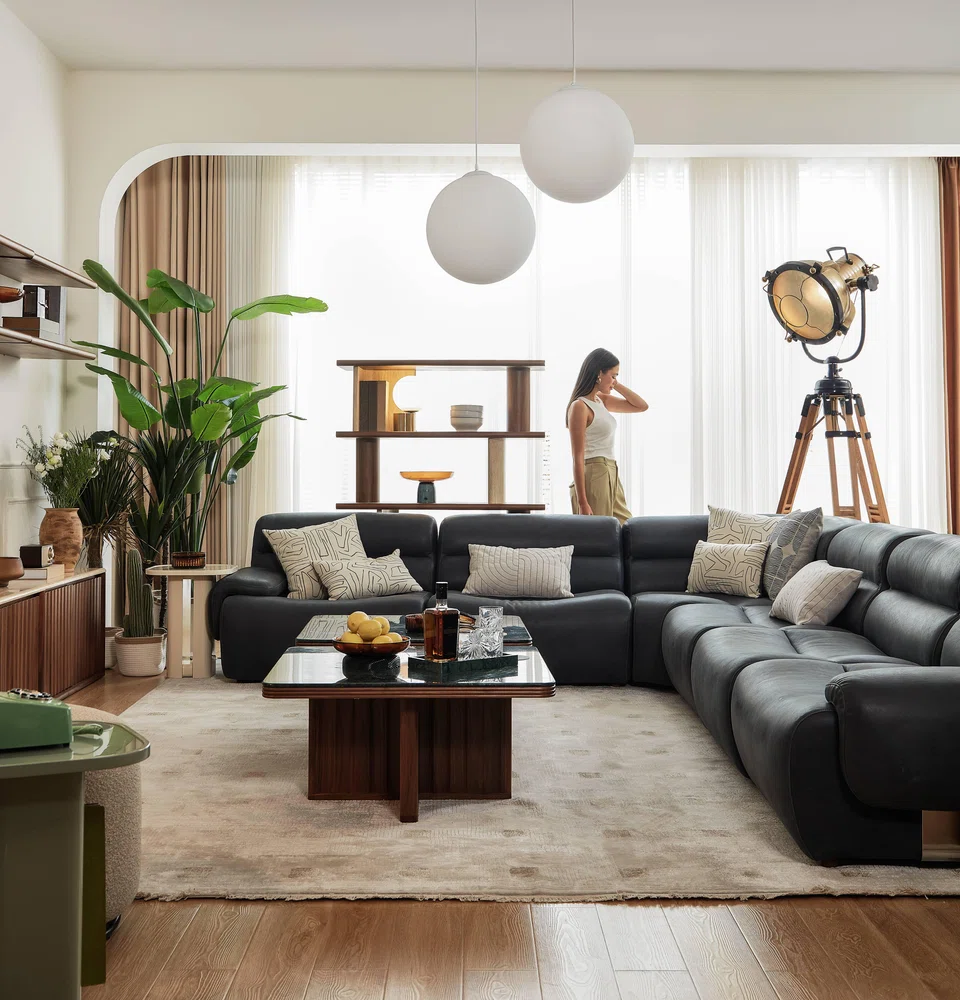
[SINGAPORE] High rental costs, manpower shortages, intense competition and shifting consumer behaviour. You could say the difficulties facing the local furniture industry are no different from those confronted by food and beverage businesses.
On top of that, furniture retailers have to contend with costly logistics and warehousing needs, and require large showrooms for their products. Meanwhile, consumers are increasingly choosing cheaper options from online platforms like Taobao, across the Causeway or directly from furniture manufacturers in Foshan, China.
“At the industry level, it’s quite common to hear that business has dropped by 10, 15 or 20 per cent,” says Joshua Koh, chief executive officer at home-grown furniture design company, Commune Lifestyle. He is also president of the Singapore Furniture Industries Council.
The struggle is real, but players aren’t about to roll over.
Instead, they’re trying different strategies, from branching into new products or businesses to leaning on social media.
Reducing costs and testing the waters
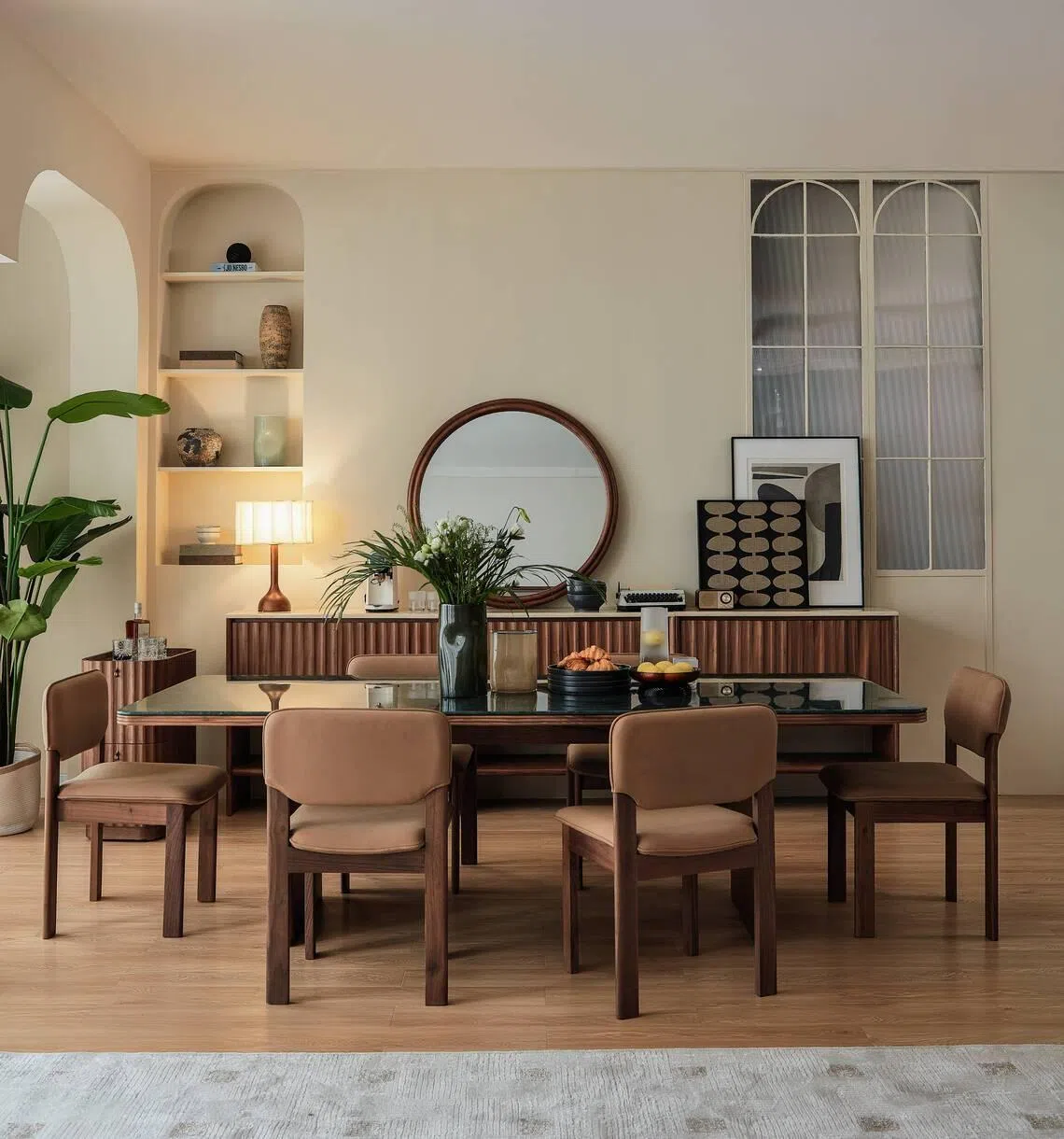
Koh is using a two-pronged approach. The first is to reduce prices by as much as half via product “re-specification” – such as switching from expensive American hardwood to more affordable tropical species.
The second is diversifying into the interior design space. The new business, launched just last month, has been “quite promising”. “We got over 90 leads in less than a month,” says Koh, adding that two projects have been confirmed.
In addition, Commune is venturing into developing elderly friendly furniture. “Going forward, there will be a huge demand from the silver generation, especially the new seniors, for products with functionalities that aid in their living.
“But they want something aesthetically pleasing, not looking like a geriatric product. We believe this will be a strong market because Singapore is not the only country with an ageing population.”
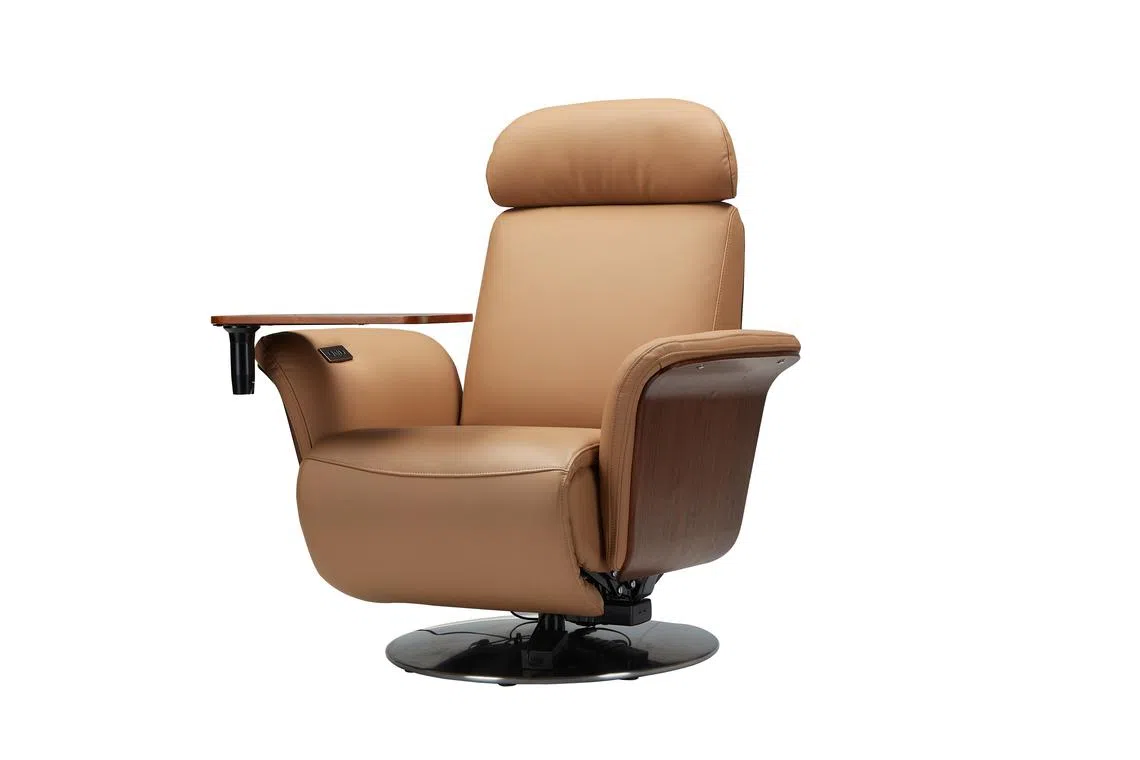
Its first elderly friendly product is a leather recliner with an electronically activated, hydraulic lift mechanism to help users get up easily. To avoid trip hazards, there is an option to power the seat with a rechargeable battery pack so there are no cables running across the floor.
Koh is also toying with the idea of locating Commune’s big showrooms in Malaysia “since everyone likes to go there”. The lower overheads up north means he can bring prices down, though there is a question mark over whether his target customer base is willing to go across the border to buy furniture.
“It would mean we scale down our Singapore footprint,” he says. “But (if many players do that), revenue will flow out of Singapore and the retail business here will lose its attractiveness.”
Customised, smart and pet-friendly
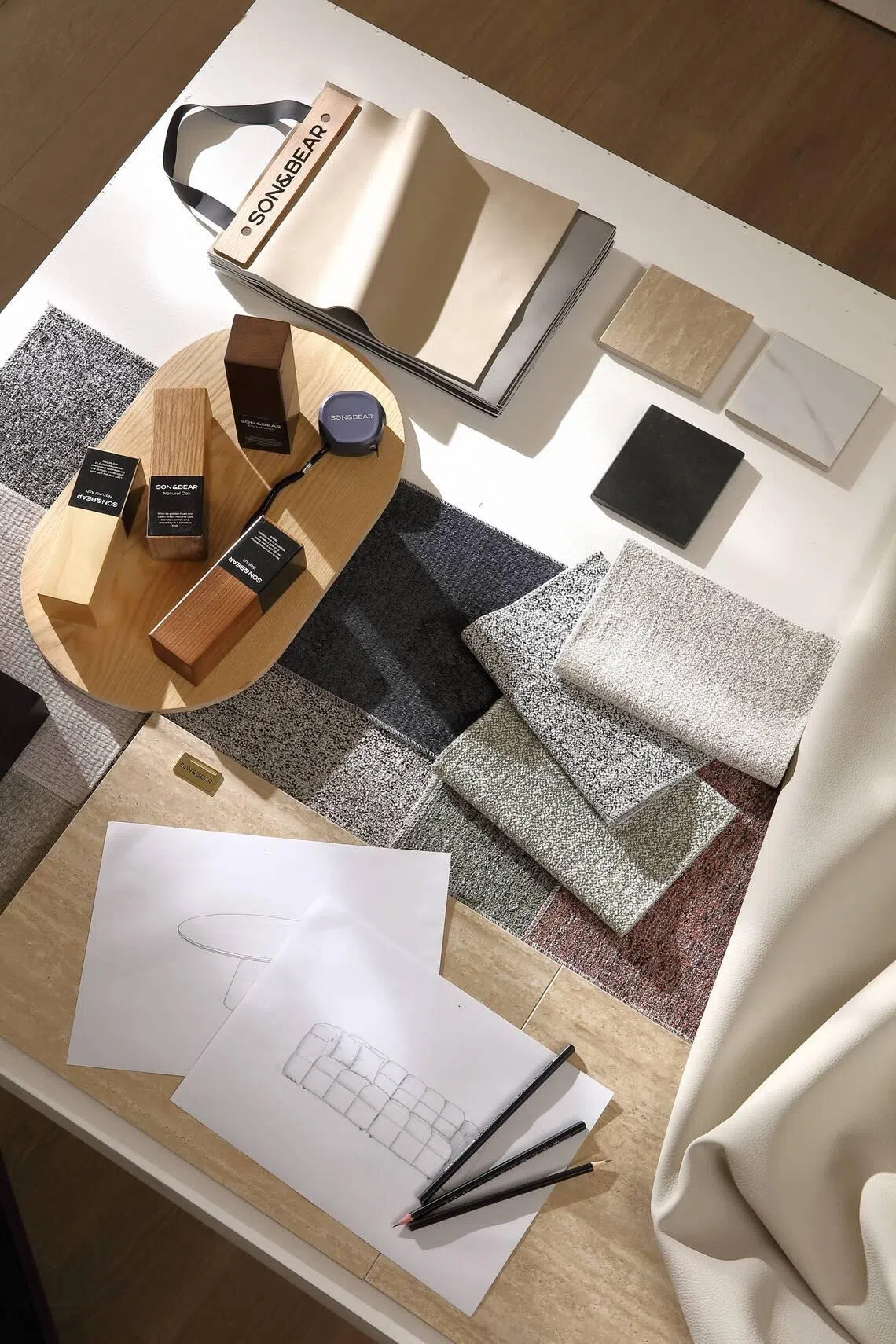
Since its establishment in 2022, Son&Bear has been focusing on space-saving, customised and innovative furniture suitable for high-density urban living. It is also using technology to build smart furniture, such as voice control sofas that are connected to the smart home system.
“Previously, furniture was static,” says its founder and chief executive officer, Lucas Lee. “But it needs to be more dynamic in compact spaces, so it can function differently in different scenarios.”
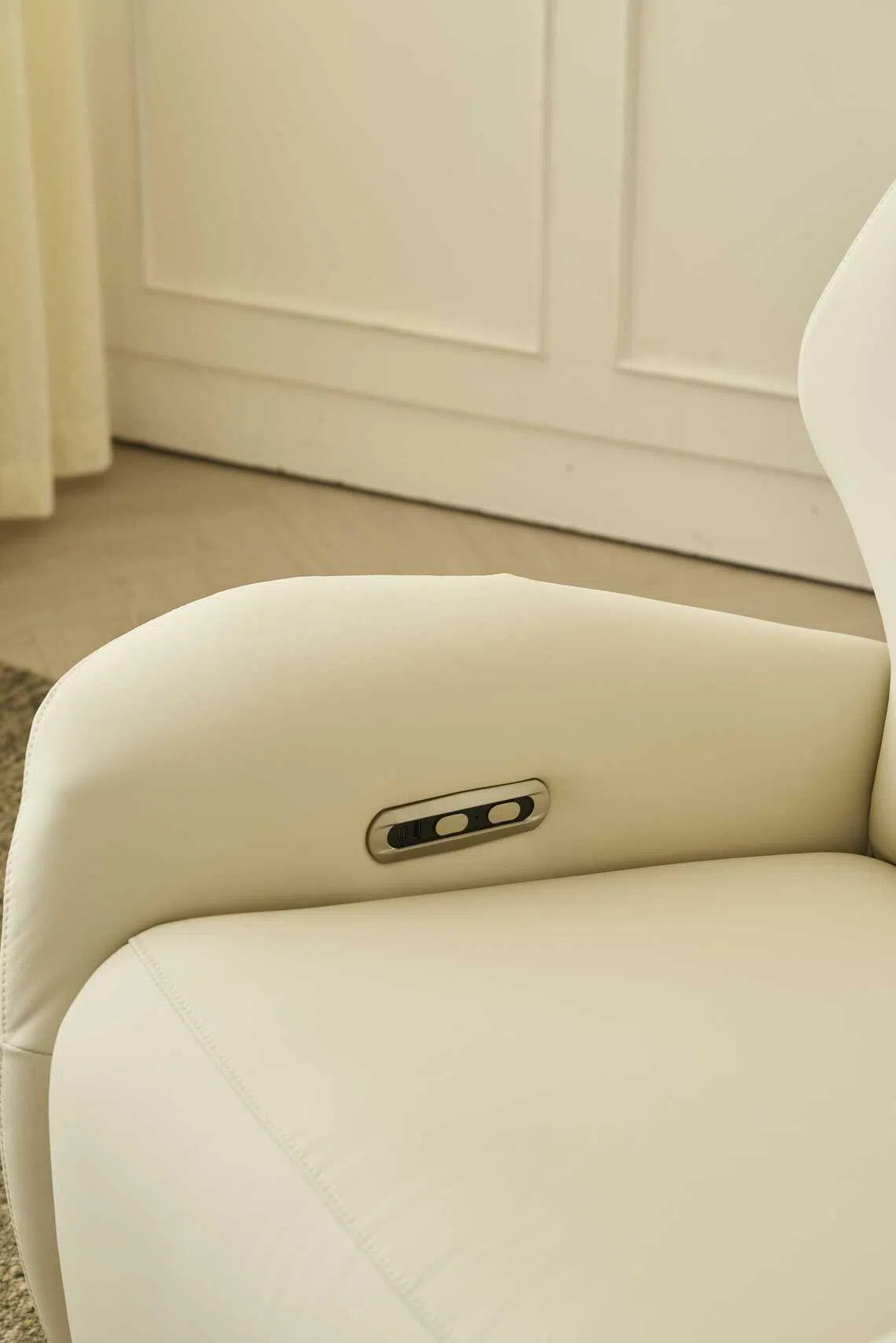
For example, Son&Bear’s sofas have electric components that can extend and retract different modules to suit various needs. Despite costing 50 to 70 per cent more than their static counterparts, demand for such sofas has been high, making up some 90 per cent of the category’s sales.

Son&Bear also makes pet and child-friendly furniture using eco leather – a man-made, microfibre-based material that looks and feels like leather, but is scratch resistant.
“Furniture that is more adaptive and flexible allows customers to have different experiences in their homes; they’re more open to inviting people over, instead of choosing not to because they feel their table or sofa can’t cater to guests,” explains Lee. “So it’s not just a change in furniture but a new lifestyle because we’re not selling products but solutions for compact spaces.”
A holistic, online-offline combi
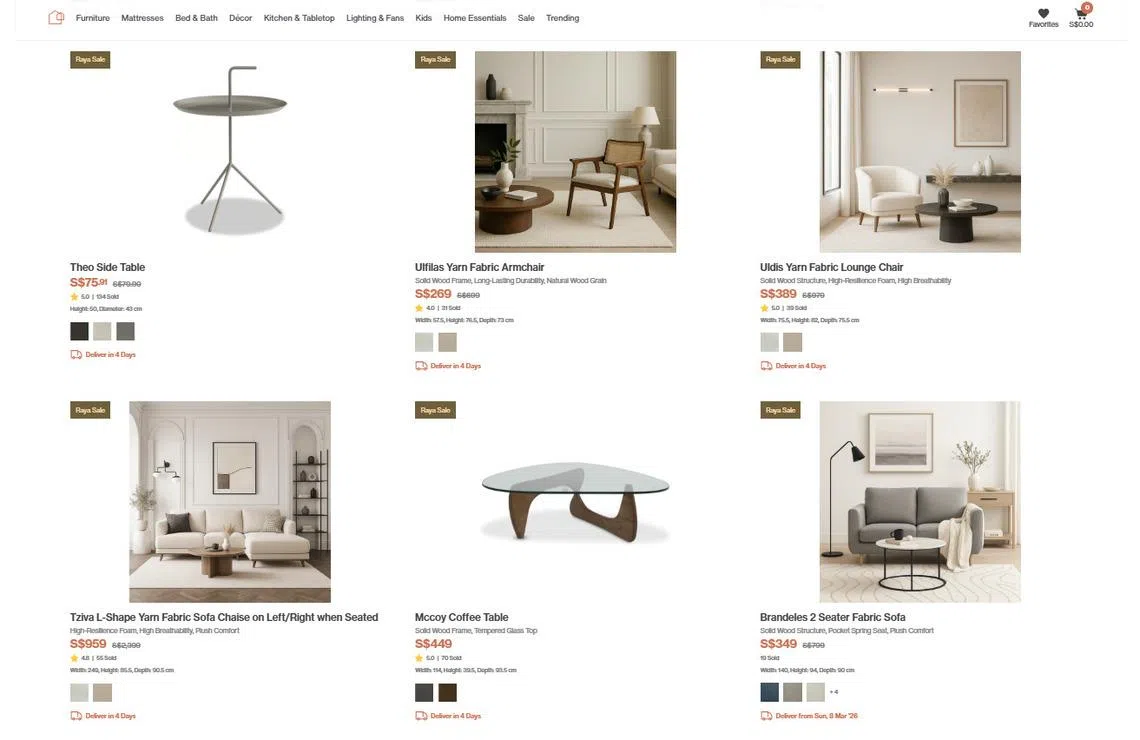
One of the earliest online-only furniture retailers is FortyTwo, which began life as beds.sg in 2007, initially focusing on beds and mattresses. Founder and chief executive officer Naveed Lee started the business because furniture shopping involves a lot of time visiting showrooms, yet, the products’ bulkiness means even large showrooms can only display 100 or 200 pieces of furniture.
“This means the choices are limited and if they don’t suit your style, you’ll have to travel to another showroom,” he says. “But what e-commerce provides that the showroom can’t is a lot of products. And by offering a larger range, customers can more easily find the design or size they want.”
FortyTwo now has 30,000 stock-keeping units (SKUs or product variants), something that physical space “can never replicate”, with over 10,000 SKUs sitting in its Singapore warehouse for fast local shipping. Products are delivered to about 10,000 homes a month – a feat accomplished in part because it offers a no-questions-asked, 100-day free return policy to help overcome misgivings over buying furniture online.
Even then, Lee knows well that the gap filled by e-commerce is no longer what it was, so going forward, “a more holistic” business model is needed. This means harnessing the benefits of physical showrooms to offer customers a touch point and an online platform where they make purchases.
“Each of our two showrooms has its own curated style and products, so customers know beforehand what to expect and won’t make a wasted trip,” says Lee of Qoltured and Linsy, which FortyTwo opened after some 16 years as a purely e-commerce business. “Our only job there is to service our customers and make sure they’re happy with their purchases.”
At the same time, FortyTwo takes advantage of its online store by uploading “as many SKUs as we like” and selling as much as possible there. “It’s very convenient, it’s a place to make transactions, get information and stuff like that,” says Lee of e-commerce. “So it has to be a combination of both online and physical stores.”
Social media savvy

Dylan Goh started selling refurbished premium ergonomic chairs on Carousell in 2023. Sitwork, the company he co-founded with his girlfriend, Cassie Chua, now sells both new and refurbished ergonomic office furniture. They also partnered TraDesk, a specialist manufacturer and distributor of system furniture and trading desks, to sell their stock on livestream.
Goh posts furniture videos on TikTok, with one even garnering 20,000 views. Social media, he says, plays a big part in tackling the challenges facing furniture sellers.
“Many furniture companies are very traditional in the way they market their products, which does not reach the masses,” he says. “So we saw that as an opportunity to use livestreaming and social media to reach consumers, which also allow us to reach corporate clients.”
Putting himself online allows potential customers to ask questions directly and get advice on choosing, say, the right chair. “It enables them to get to know us better and triggers their curiosity, after which they can choose to come and see us. Not only does social media get awareness out there, it’s a call to action as well.”
How Goh sees his business expanding is by helping other furniture brands get their products out in the market via livestreaming. “And being a key opinion leader in the furniture industry, that’s how I see myself scaling up.”
Decoding Asia newsletter: your guide to navigating Asia in a new global order. Sign up here to get Decoding Asia newsletter. Delivered to your inbox. Free.
Copyright SPH Media. All rights reserved.






