

A hat-trick to close Sifa 2022
Three fine productions mark the end of a solid edition of Singapore International Festival of Arts

Helmi Yusof
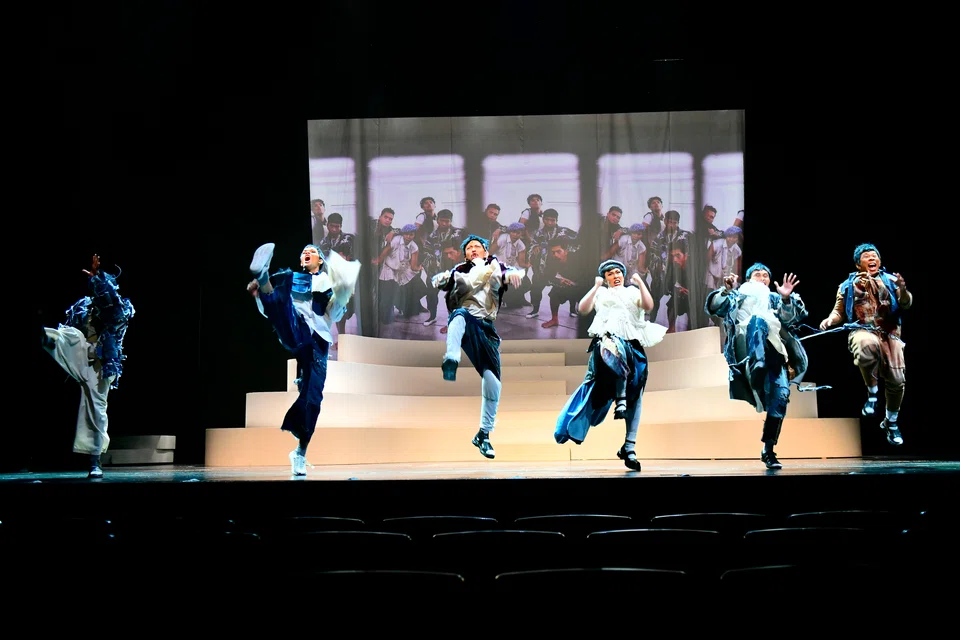
Bangsawan Gemala Malam
By Teater Ekamatra
NO PRODUCTION in the history of Singapore International Festival of Arts (Sifa) has ever gotten this much love from the audience. Teater Ekamatra’s Bangsawan Gemala Malam, a Malay-language adaptation of Shakespeare’s A Midsummer Night’s Dream, had the audience in stitches for over 2 hours, and then up on their feet for the curtain call.
Directed by Aidli Mosbit, the play pays tribute to the tradition of bangsawan (Malay opera) but borrows liberally from other art forms such as jazz, drag and vogue. The costumes designed by Max Tan fuse Malay songket and kebaya with Victorian puff sleeves and tiered skirts.
In telling the story of mixed-up lovers in an enchanted forest, it hews closely to the original plot but trims the Bard’s words In favour of additional punchlines. Indeed, it’s hard to recall a play in recent memory where so many characters could spew banter from a bottomless well of insults.
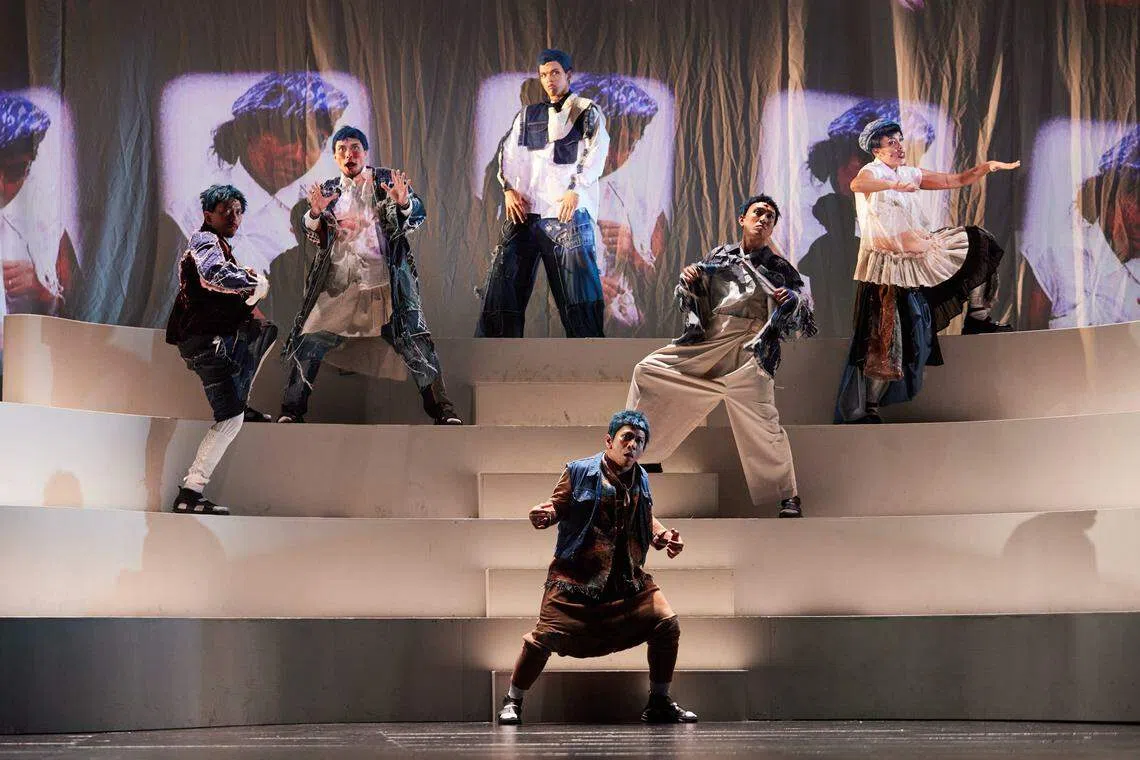
Director Aidli seems to have tailored the characters to the actors’ strengths – instead of the other way around. Actor Rizman Putra, in particular, brought the house down with what can justifiably be described as the comic performance of the year so far. As Rabu (the play’s version of the aspiring actor-turned-donkey Nick Bottom), he steals scene after scene with his uproarious turn – and then some.
There are musical interludes and dancing – oh, such joyous dancing. And when the play ended after 2.5 hours with no intermission, the enraptured audience looked like they could have gone on for another 2. The Once And Future
By Yeo Siew Hua, featuring members of the Berliner Philharmoniker
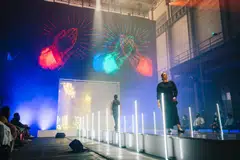
The most stunning and divisive work at the festival was The Once And Future, Yeo Siew Hua’s ambitious and multidisciplinary epic that features film, theatre, laser display and live music by the world-renowned Berliner Philharmoniker and librettist-vocalist Anandi Bhattacharya.
Yeo is best known for being the writer-director of A Land Imagined, the 2018 Singapore film that won the top prize at the Locarno Film Festival. Since then, he has grown rapidly as a multimedia artist, venturing into visual arts, dance, NFTs, and now hybrid festival productions.
At heart, The Once And Future is a science-fiction film that centres on characters across the world living separate lives that are somehow connected through space, time and distance: A naked couple in bed watches in amusement a TikTok-like video of a man dancing. Elsewhere, a farmer watches the same video and starts to move his feet.
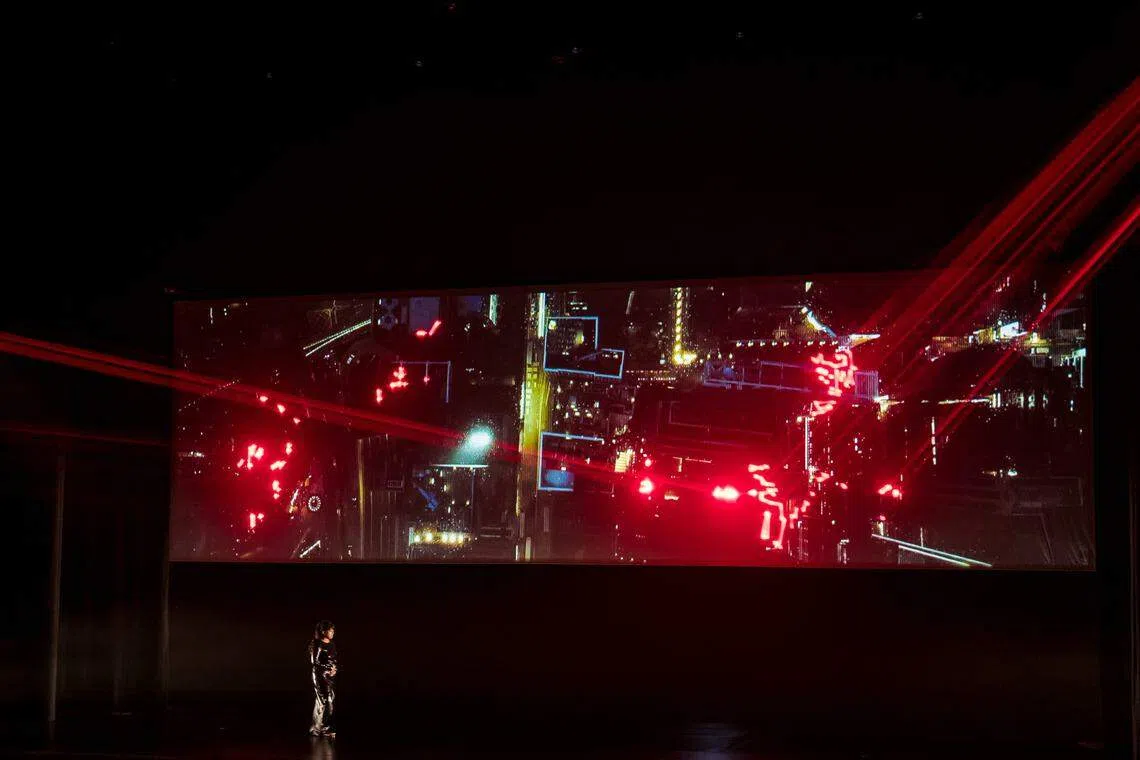
Tiny little connections like these proliferate throughout, bound together by Bhattacharya’s role as an omniscient Artificial Intelligence and Berliner Philharmoniker’s gorgeous postmodern music composed by Eugene Birman and conducted by Stanley Dodds.
There have, of course, been many other works with similar themes. (David Mitchell’s Cloud Atlas and Alejandro Gonzales Innaritu’s Babel come to mind.) But unlike these, Yeo – who is all of 37 – speaks to the era of YouTube and TikTok with broad, brief vignettes of many lives. They come together and accumulate gravity, fusing diverse human experiences into one living, breathing entity.
Devil’s Cherry
By Kaylene Tan and Paul Rae
Kaylene Tan and Paul Rae founded the theatre company spell#7, which was a cult favourite of Singapore theatregoers, before the couple moved to Melbourne in 2014 for work. They make a welcome return with Devil’s Cherry, a mysterious and hallucinatory play about 2 Singaporeans who travel through the Australian Bush – only to find themselves confronted with a dark past.
Neo Swee Lin and Lim Kay Siu play the married couple whose light banter at the start of the play hides a tragedy involving their daughter. It’s unclear how the girl vanished. But when the husband gets lost in the Bush and starts to hallucinate, the daughter (Liz Sergeant Tan) – or some ominous version of her – materialises. Meanwhile the wife befriends an “animal” (Raina Peterson) which could be a cockatoo, dingo, vulture or something much more sinister.
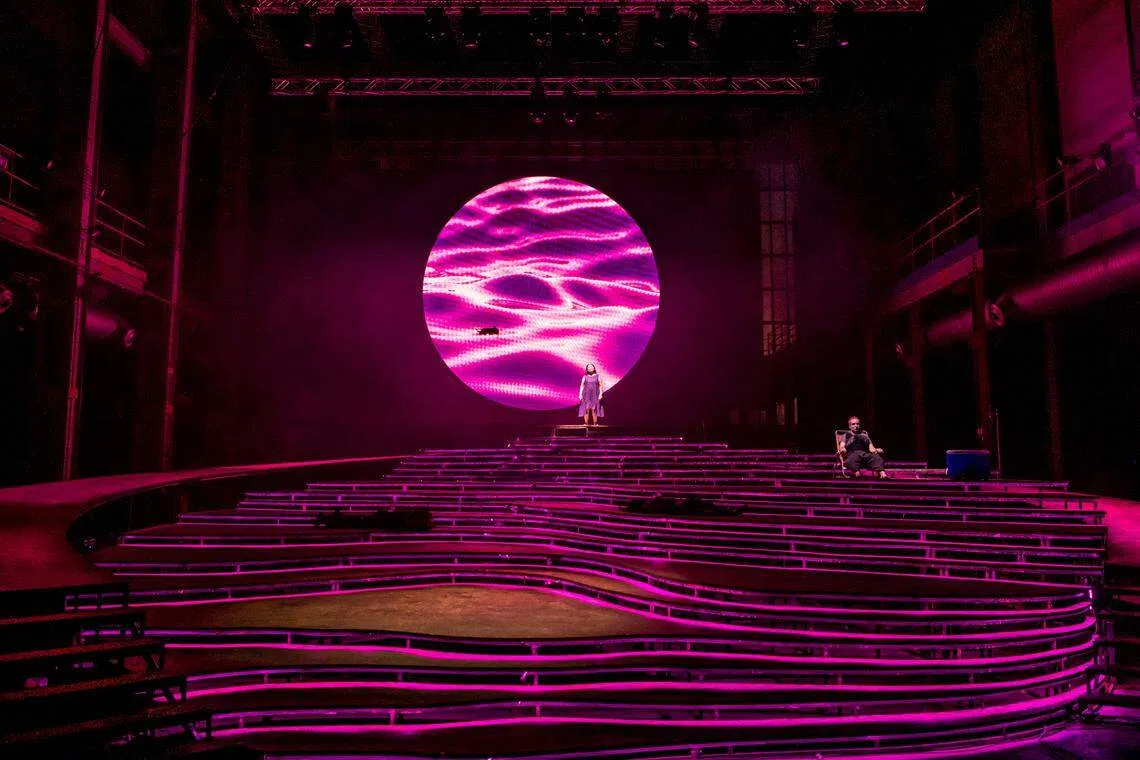
Devil’s Cherry capitalises on the spiritual and moral heritage of the Bush. The mystery characters (Tan and Peterson) allude to the landscape being alive with inhabitants invisible to the human eye. The massive terraced set by Wong Chee Wai evoke the barren vastness of the outback, while lights by Andy Lim outline the characters’ isolation.
The play teeters between being hypnotic and dull, mysterious and frustrating, with a cold-blooded ending that feels not fully earned. Nevertheless it’s a clever genre piece, proving that horror works just as well on a bright hot day as a dark stormy night.
Decoding Asia newsletter: your guide to navigating Asia in a new global order. Sign up here to get Decoding Asia newsletter. Delivered to your inbox. Free.
Copyright SPH Media. All rights reserved.
TRENDING NOW

Far East Organization’s The Serra Residences sells less than a quarter of units released at average S$3,460 psf
A bumpy road ahead for some of Singapore’s fresh graduates in their job search

Philippine power giant First Gen rebuffs foreign offers, plans up to US$2.6 billion in expansion

No chicken feed: How Malayan Flour Mills built an empire from flour to fowl

