

Australia's Uluru reopens after rains turned rock into cascading waterfalls
 Add BT as a preferred source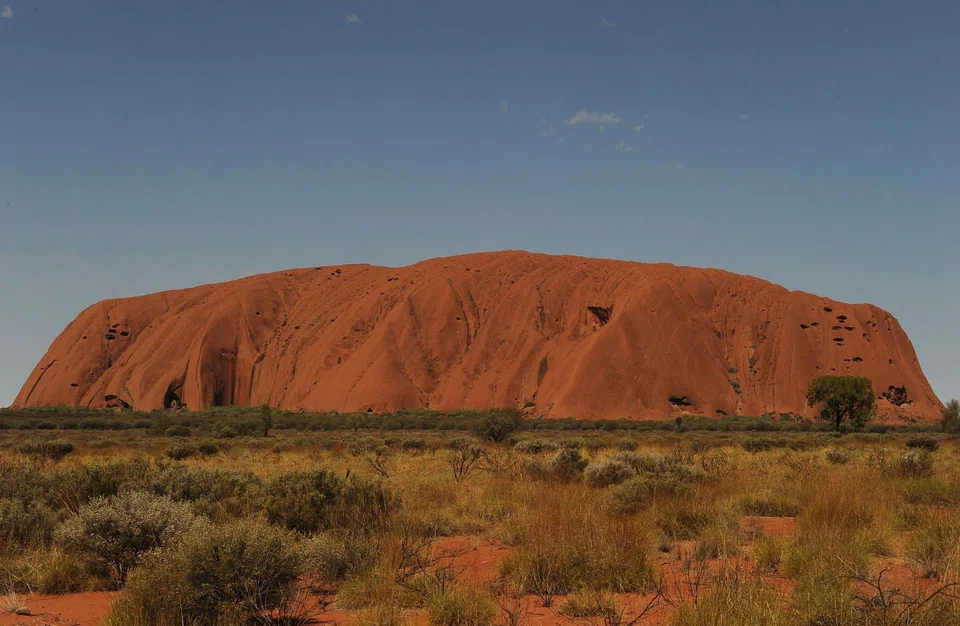
[MELBOURNE] Australia's world famous Uluru reopened on Tuesday after record-breaking summer rains turned the monolith in the middle of the outback desert into a series of cascading waterfalls.
The Uluru-Kata Tjuta National Park, which surrounds the Australian landmark also known as Ayers Rock, was closed when heavy rain and flash flooding hit the area on Christmas Day and Monday.
The desert area usually suffers sweltering heatwaves in the Australian summer, but on Monday footage posted on social media showed rain pouring off the massive rock.
Northern Territory Bureau of Meteorology senior forecaster Sally Cutter said more than 232 millimetres of rain fell on Kintore on Monday, more than double the record December rainfall of 110 millimetres in 2003.
Uluru, a sacred aboriginal site, is one of Australia's major tourist destinations, attracting 300,000 visitors a year.
Around 80 people from Kintore remained in evacuation centers on Tuesday and roads in the area were inaccessible, a Northern Territory Police and Emergency Service's spokesman told Reuters.
Navigate Asia in
a new global order
Get the insights delivered to your inbox.
REUTERS
Share with us your feedback on BT's products and services
TRENDING NOW

Middle East-linked energy supply shocks put Asean Power Grid back in focus

US-China rivalry and the Kindleberger Trap: Why inaction – not escalation – is the biggest risk

As more Asean states turn to Russia for fuel, will Moscow boost its influence in the region?

How China’s young workers are securing their future even as AI disrupts job market, triggers pay cuts

