

A beastly book that ruined the film
Fantastic Beasts is a hollow shell of a book that adds no value to the Potter story
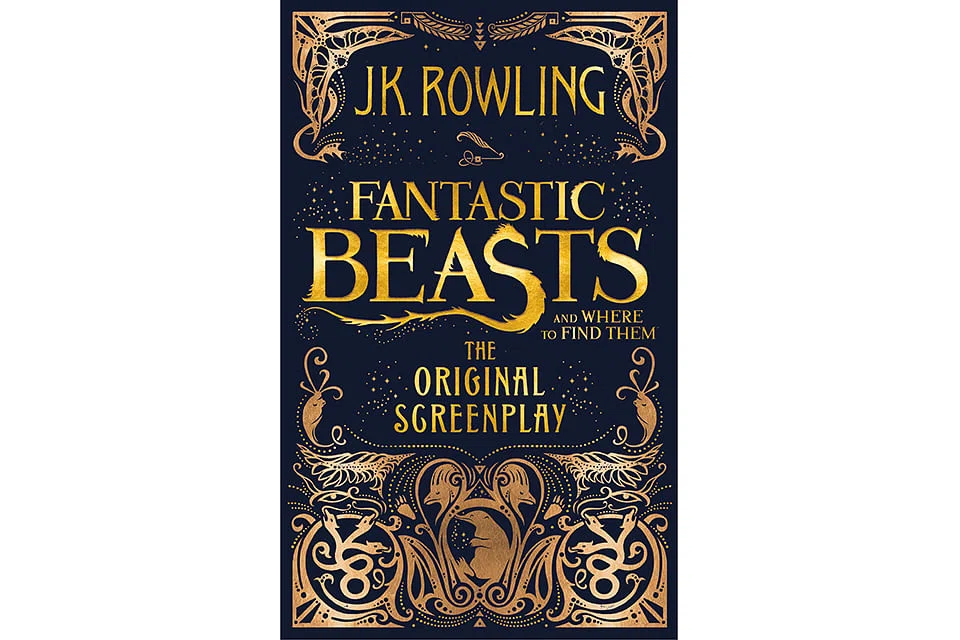
WHEN JK Rowling wrote the Harry Potter series, she made the ordinary come alive. Her seemingly effortless brilliance inspired an entire generation to believe in the powers of magic. We were sheeple in her world of witchcraft and wizardry, hanging on to every spell and every character, hoping for a dose of surreal to enliven our everyday reality.
Each new book was met with anticipation, only to be proceeded by several days lost in devouring it. Yet, it's difficult to liken the books to the Harry Potter films that followed.
Sure, they're entertaining in their own right and play a big role in increasing the Potter fan base, but they pale in comparison to the books which reveal the real Harry Potter. Each character is carefully etched out and every page reflects Rowling's mastery over her craft.
Watching the films also creates a stereotype - as does watching any film that's adapted from a book. It compels us to align ourselves with the filmmaker's portrayal of the character, unlike a book which give us free rein over our own imagination.
So when Fantastic Beasts And Where to Find Them - Rowling's latest offering - was released, I deliberately picked up the book before watching the film. I was excited. Perhaps the word "screenplay" written in bold should have been a hint of what was to come, but the name Rowling trumped everything else.
Never before have I regretted reading a book before watching it on screen, and so the screenplay of Fantastic Beasts will always remain an exception to my golden rule of books-before-films.

What I realised as I read along is that a screenplay can certainly not be classified as a book. It is an integral element of the film-making process and will always need a film to complete it. The screenplay of Fantastic Beasts is missing not just Rowling's inimitable style and her voice, but all it leaves behind is every shot, camera angle and dialogue of the film.
What you read is pretty much what you see on screen. A book's strength lies in the little details and the nuances that define its characters. Take those away and all you're left with is a hollow shell.
An author like Rowling sells as a brand. A new film, which is also based on the magical world, draws an audience because of Rowling's name. It's the reason why I, and many others like me, picked up the book instead of just watching the film.
Reading the screenplay beforehand ruined it for me primarily because it lacked the depth of a book and dampened the anticipation of how it might turn out on screen.
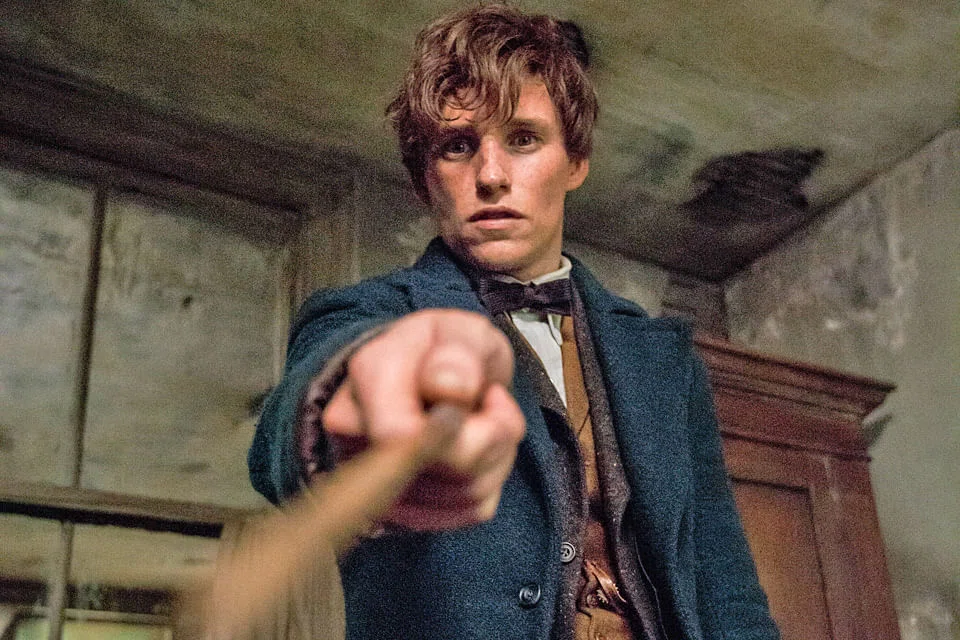
To me, Fantastic Beasts is at best a cinematic re-imagination of the Potter series with similar elements and a different cast: an awkward and brave male lead (Harry Potter and Newt Scamander), a bumbling but loyal side-kick (Ron Weasely and Jacob Kowalescki), a strong female love interest/friend (Hermione Granger and Tina Goldstein) and the quintessential bad guy who is also a master trickster.
It is set in a time before Harry Potter, a prequel almost, yet tackles very real world problems like discrimination and wildlife conservation, but it will never have the same effect that Harry Potter has because it's missing a key ingredient: detail. We know nothing about its characters, their motives and why we must cheer them on.
The balancing act between books and cinema is a fine one and one that isn't entirely immune to the pitfalls of subjectivity. But the fundamental problem with the Fantastic Beasts screenplay is that it does not add value. And though I utterly love the printed word, I'd strongly recommend watching Fantastic Beasts before reading the screenplay. Because this time around, a book with Rowling's name on the cover simply seems to come with a little less magic.
Share with us your feedback on BT's products and services






