

Blade runner sequel set to be a classic
It makes a wonderful companion piece to the original and 30 years from now, its vision of humanity will still be powerful and relevant.
 Add BT as a preferred source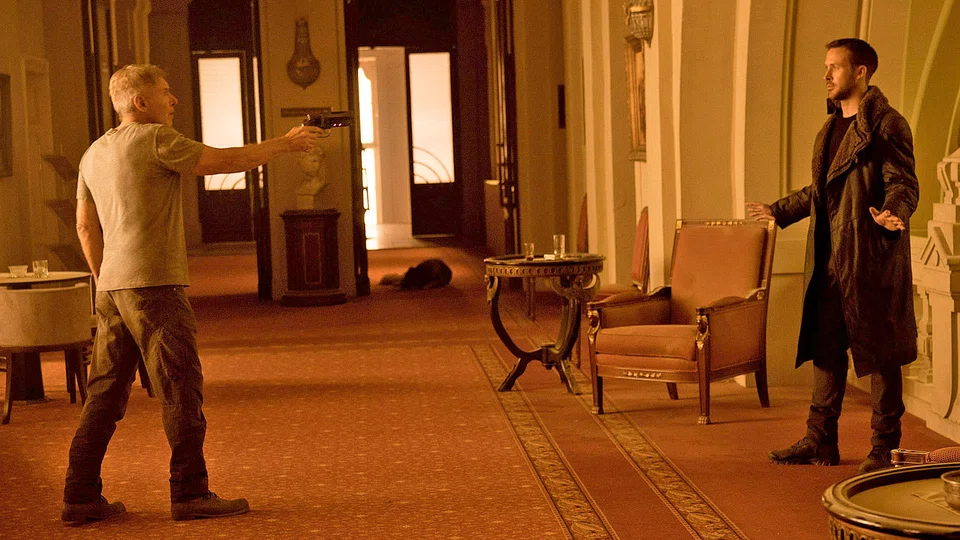

DeeperDive is a beta AI feature. Refer to full articles for the facts.
BLEAK and beautiful, Blade Runner 2049 is a sequel that not only grapples with an existential question first posed by Ridley Scott 35 years ago in Blade Runner, it also stands alone as an intelligent and impressive piece of filmmaking, destined to join its predecessor in the pantheon of sci-fi classics.
That question - can machines have a soul? - has been addressed in numerous films about AI (artificial intelligence), including Her (2013) and Ex Machina (2015) recently and perhaps most famously in the granddaddy of them all, 2001: A Space Odyssey (1968). The foundation for Blade Runner was the 1968 book Do Androids Dream of Electric Sheep? by Philip K Dick and nearly four decades later, characters he created continue to provide interesting fodder for the brain.
At its most fundamental, Blade Runner 2049 is a dystopian cops-and-robots thriller set in post-apocalyptic Los Angeles. Beyond that, the film, directed by Denis Villeneuve (Arrival, 2016), is a visually stunning, multi-layered and fully immersive big-screen experience that keeps the audience engaged for all of its two-hour-40-minute running time.
Copyright SPH Media. All rights reserved.
TRENDING NOW

From 1MDB to ‘corporate mafia’: Is Malaysia facing a new governance test?
Higher costs, lower returns: Why are Singaporeans still betting on real estate?

South-east Asian markets account for 8.8% of global capital inflows from 2021 to 2024: report

Richard Eu on how core values, customers keep Singapore’s TCM chain Eu Yan Sang relevant

