

Blood thinners: when is it safe to stop?
The recommended period is 12 months after emergency percutaneous coronary intervention and 6 months for non-emergency cases
 Add BT as a preferred source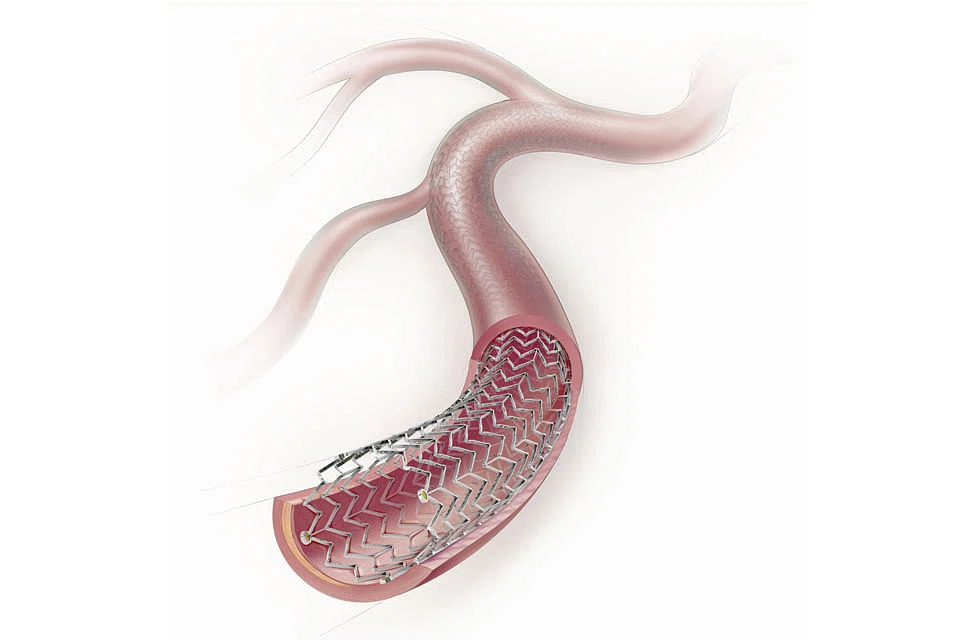
IF you are diagnosed with significant narrowing of the major heart arteries, it is more likely that you will undergo percutaneous coronary intervention (PCI) rather than open heart bypass graft surgery.
PCI is a procedure performed under local anaesthesia through the wrist or groin artery where a minute plastic catheter is passed through the limb arteries to the heart arteries and the narrowed heart artery is usually opened with a cylindrical mesh (stent) mounted on a balloon catheter. The stent is expanded by inflation of the balloon and the balloon catheter is then removed. The stent provides mechanical support to the expanded arterial segment and prevents spontaneous "collapse" of the arterial segment that may result from elastic recoil.
Following the opening of blocked heart arteries with stents, patients are routinely given blood thinning medications such as aspirin in combination with another blood thinning agent to prevent the clumping and aggregation of platelets. This dual anti-platelet therapy (DAPT) is given to prevent the platelets from "sticking" to the exposed surface of the stent strut within the lumen of the heart artery and causing the formation of a blood clot.
Share with us your feedback on BT's products and services
TRENDING NOW

The retirement advice that worries me the most

Showdown at Tanglin Club sees new rival slate elected to general committee

Stocks to watch: Mapletree Industrial Trust, The Hour Glass, UI Boustead Reit, Boustead Singapore, Aspial Lifestyle

‘I feel so stupid’: How young Indonesians get stuck on the debt treadmill

