Booker Prize finalist: Creation Lake explores human origins using spy genre
A woman who thinks she is one step ahead of everyone else, and a man who yearns for a mythical past, try to make peace with the present
Shameen Elizabeth Idiculla
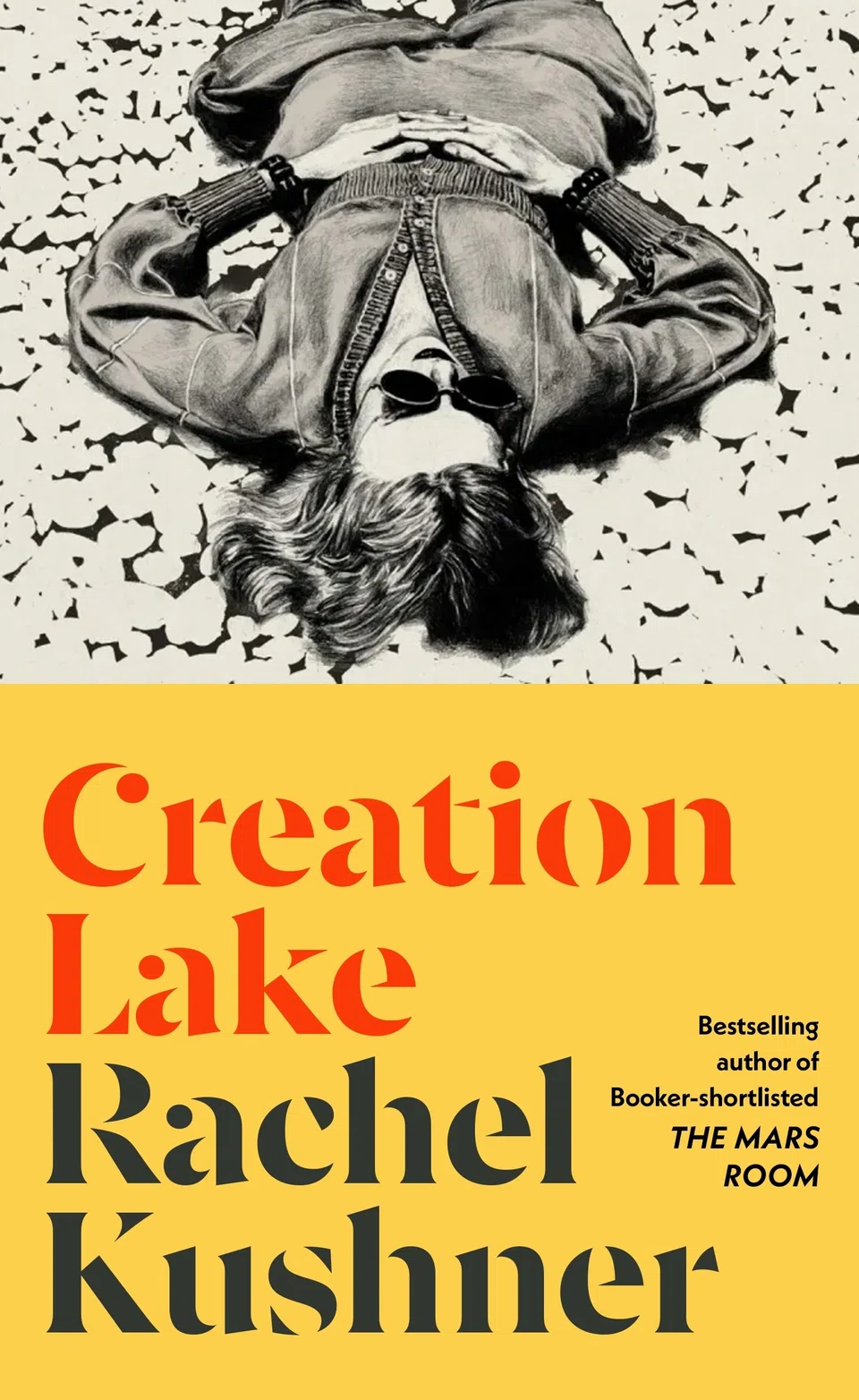
WHERE did we come from? How did we become who we are? Where are we headed? In Creation Lake, Rachel Kushner explores these existential and philosophical questions through the framework of an espionage thriller, blending them with themes of environmental activism and humanity’s origins.
The novel centres on Sadie Smith, an undercover agent hired to infiltrate an eco-warrior group called Le Moulin. The Moulinards, as its members are called, are suspected of sabotaging the construction sites of “megabasins” – artificial lakes they believe will benefit large agricultural corporations at the expense of the environment. Smith has been employed by nameless, shadowy “contacts” to stop the eco-activists in their tracks.
But what begins as a mission to derail the Moulinards turns into a profound exploration of history, human nature and the connections that bind us to our distant ancestors.
The Moulinards are inspired by the writings of Bruno Lacombe, their enigmatic and philosophical mentor obsessed with humanity’s past. He believes that understanding it is crucial for the species’ future. His search for that truth leads him to withdraw from society and live in an underground cave, where he hears voices from different periods of history. These voices, he says, belong to “the human community in the earth, the deep cistern of voices, the lake of our creation”.
“There’s a feeling that everyone is here... Suddenly you realise how alone we have been, how isolated, to be trapped, stuck in calendar time, and cut off from everyone who came before us,” he writes.
Lacombe has a particular admiration for the Neanderthals. He views the moment they lost in the game of evolution as something of a fall from grace – the point in history when everything started to go wrong, and humanity collapsed into “a cruel society of classes and domination”, and money and industry.
Smith soon finds herself faced with an internal conflict. At first, her caustic wit and sharp observations of those around her reveal her to be a cynical spy-for-hire, willing to deceive anyone to achieve her ends. In fact, when the eco-activists do not exhibit any signs of being a serious threat, she manipulates them in a way that will push them into the arms of the authorities. Lacombe’s characterisation of homo sapiens as sly frauds with a tendency to destroy seem embodied in Smith herself.
But through Lacombe’s writings, she becomes drawn into deeper questions about what drives people. The thread of the plot weaves back and forth between the seemingly concrete world where Smith operates and Lacombe’s abstract ruminations, gradually building up to a climax. By then, it is no longer the Moulinards that occupy Smith’s mind. Instead, she finds Lacombe’s words transforming her in unexpected ways, pushing her towards a reluctant self-awareness.
Despite the presence of a spy within its pages, Creation Lake is far from a typical thriller. Its multilayered storytelling, shifting perspectives and the delicate interplay between fact and fabrication mean that its richest rewards are not immediately apparent. However, for those willing to dive deep into it, the novel offers a trove of insights and reflections on humanity’s entanglement with its past, present and future.
Decoding Asia newsletter: your guide to navigating Asia in a new global order. Sign up here to get Decoding Asia newsletter. Delivered to your inbox. Free.
Share with us your feedback on BT's products and services
TRENDING NOW
Grab CEO’s wife Chloe Tong on life with Anthony Tan and finding her purpose
Number of listed companies an ‘outdated metric’ of Singapore market’s success: SGX chairman
UOB found ‘grossly negligent’ over Stamford Land rights issue advice, to pay S$1.9 million
Oil climbs after Trump denies he is willing to ease sanctions on Iran