Booker Prize finalist: In The Safekeep, hidden desires collide with a haunting past
Yael van der Wouden’s impressive debut novel is an alluring, incisive exploration of self-discovery and wartime complicity

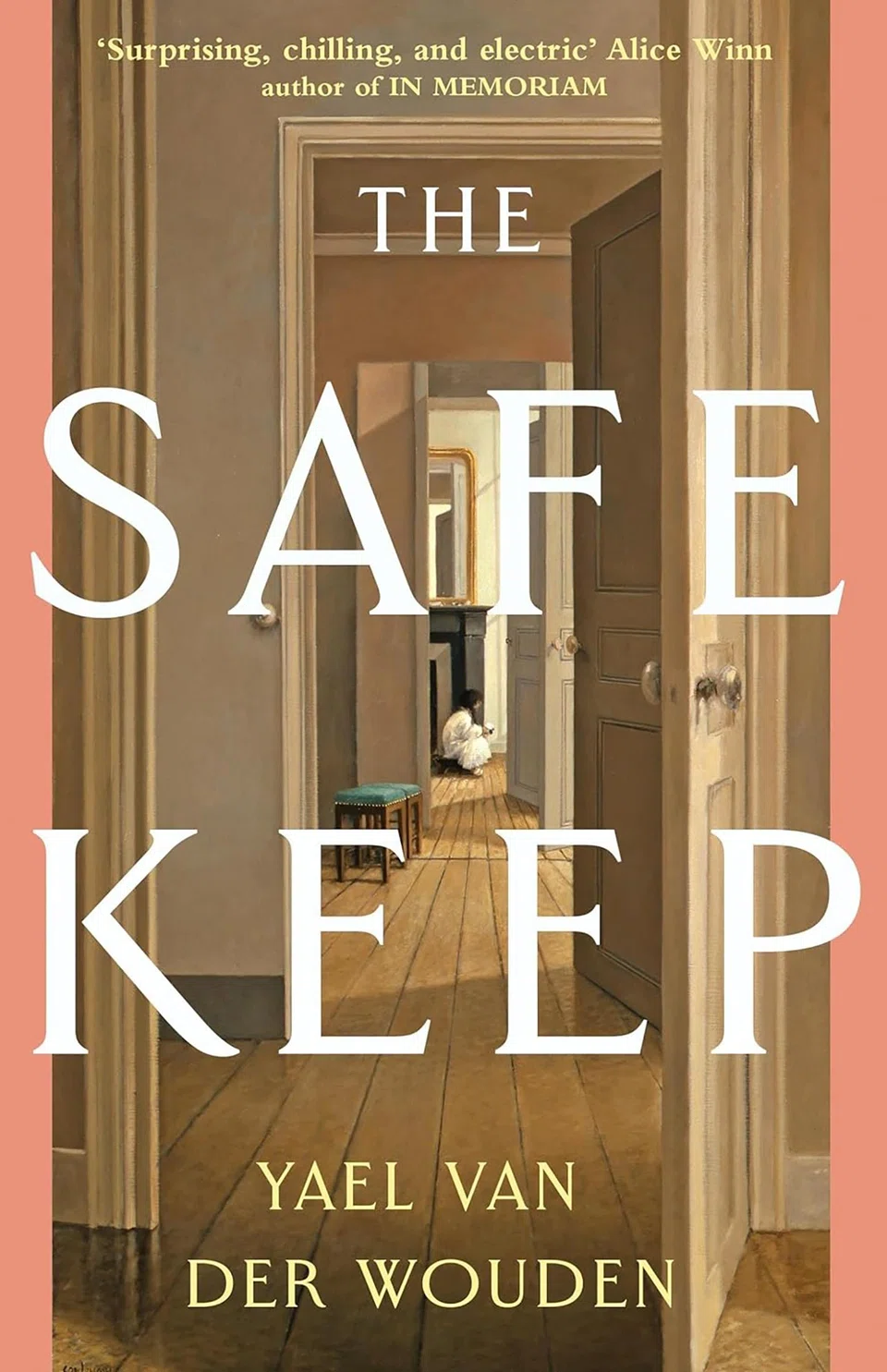
AT THE heart of Yael van der Wouden’s remarkable debut novel, The Safekeep, is a secluded Dutch countryside house in Overijssel, where the story unfolds in the 1960s.
The thrilling narrative is told mainly from the perspective of Isabel, the unmarried custodian of the property, who guards the house with fierce devotion, as though it were her own.
Yet, despite her attachment, the house belongs to her uncle Karel. As a woman in the 1960s, Isabel has no legal claim to it. Uncle Karel has willed the house to her elder brother, Louis, who will inherit it when he marries and settles down.
Originally, Uncle Karel purchased the house as a refuge for Isabel, her two brothers and their mother during World War II. Since then, it has remained their home. While her brothers eventually left, Isabel stayed behind, caring for their mother until her final moments.
For her, the house holds precious memories of the late matriarch. Almost as a way to exhume Mother’s ghost, Isabel keeps a meticulous inventory of the items in the house – Mother’s plate, secretary drawer, silver candle holder – and has a strict routine for their upkeep.
Her vigilance borders on obsession, as she frequently counts and polishes the crockery, convinced the maids are stealing from her. Her younger brother, Hendrik, dismisses these fears as “imaginary ideas,” but Isabel remains steadfast in her suspicion.

Much like Jane Eyre’s madwoman in the attic, she is chained to the house. She “belonged to the house in the sense that she had nothing else, no other life than the house”, writes Van Der Wouden.
Yet, unlike Eyre’s Bertha Mason, Isabel’s imprisonment is self-imposed. As her brothers are wont to remind her, she could still fulfil the duty of her sex and class by getting married. One suitor, her neighbour Johan, has made his intentions clear, but Isabel remains indifferent, choosing instead to cling to the house and its memories.
This fragile balance is shattered when Eva arrives – the latest in the string of Louis’ lovers. Despite an awkward first encounter, Louis suggests that Eva stay with Isabel for a few weeks while he is away for work. Because Louis technically owns the family home, Isabel may protest but cannot refuse.
SEE ALSO

Eva’s presence in the house unravels Isabel’s carefully constructed life with her “loudly restless” personality and fiery allure. In contrast to Isabel, she is cast as a femme fatale-like figure, defined by her too-tight bodice and “heart-attack red” lips – the antithesis to Isabel’s stoicism and restraint.
Masterfully, Van Der Wouden builds the tension and push-pull relationship between the two women. Eva destabilises not just Isabel’s routine but her very understanding of who she is.
Isabel’s annoyance and frustration with Eva soon gives way to a deep and unexpected infatuation. As her resistance manifests and transforms into desire, Isabel begins to unshackle herself from the rigid trap she has set on her life.
At this turning point, the novel shifts from gothic tension to dark, seductive romance. Van Der Wouden’s control of language is evident as she skilfully weaves sensuality and intrigue in the prose, without veering into the saccharine and self-indulgent.
But all is not as it seems. A shocking discovery about the house’s dark past shatters Isabel’s understanding of her family history.
This revelation exposes the novel’s central theme: the Netherlands’ neglect of Jewish survivors after the Holocaust, and the ease with which ordinary citizens can become complicit in state-sanctioned prejudice. Through this discovery, the novel grapples with historical guilt, societal complicity and the enduring impact of wartime actions across generations.
The Safekeep’s intricate plot and rich themes make it a striking showcase of van der Wouden’s talent. She deftly reimagines classic genre elements and uses an intimate lens to explore profound questions of displacement and retribution.
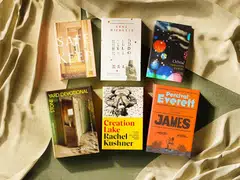
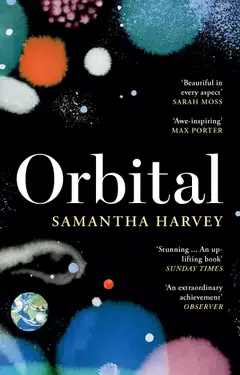
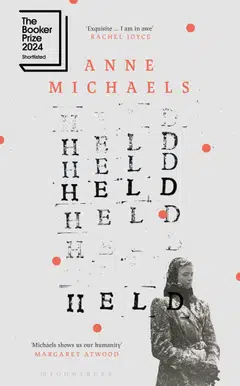
Even in a year when women dominate the Booker Prize shortlist, van der Wouden’s achievement is singular – she is the first Dutch novelist to make the shortlist, and The Safekeep is the only debut novel among the six finalists, down from four last year. If she wins the top prize on Nov 12, she will join an exclusive club of six other debut authors who have claimed this prestigious award.
But even if she falls short, The Safekeep has cemented her status as an exciting new voice in fiction.
Decoding Asia newsletter: your guide to navigating Asia in a new global order. Sign up here to get Decoding Asia newsletter. Delivered to your inbox. Free.
Copyright SPH Media. All rights reserved.