

Alessandro Sartori – designing for life, not fashion
Zegna’s artistic director captures the effortless style of vacation living at his spring/summer 2027 show in Malibu
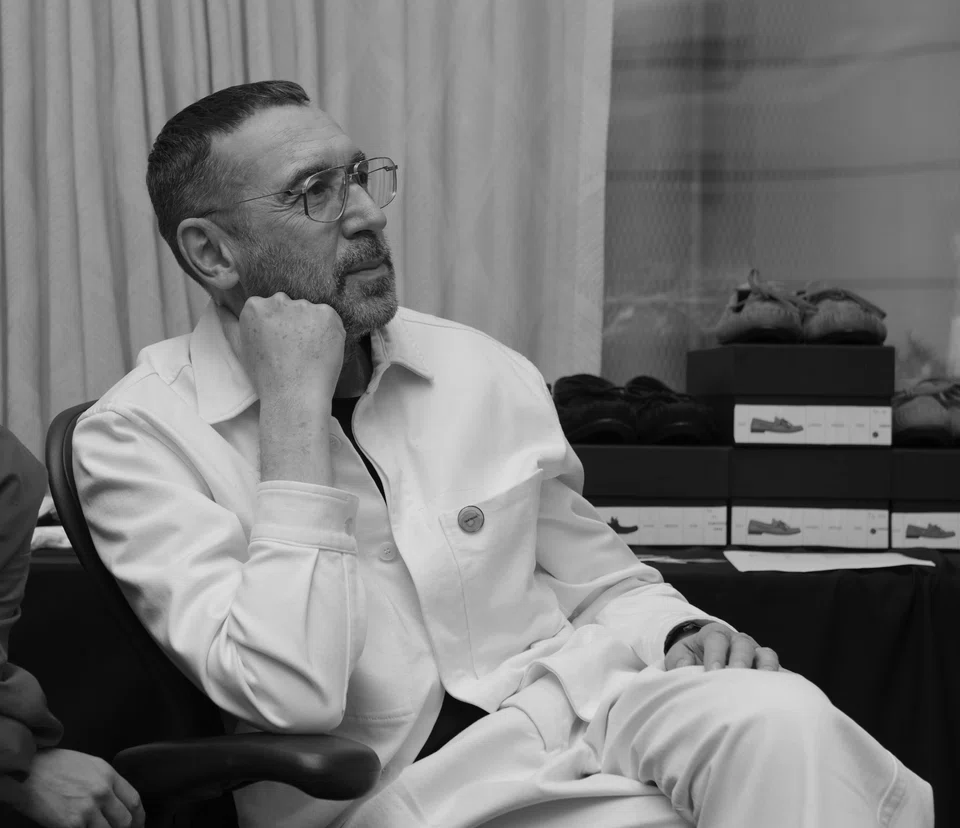
ALESSANDRO SARTORI LIKES TO LOOK at men.
He should. He dresses them for a living. But as the artistic director of Italian menswear label Zegna, he goes a lot deeper than that. He wants to know how they live, where they holiday, the hotels they stay in and what’s important to them.
After all, it’s through these observations – and conversations – that the seeds of a new collection are sown. Because for Sartori, fashion isn’t about following trends – it’s about reflecting a way of life.
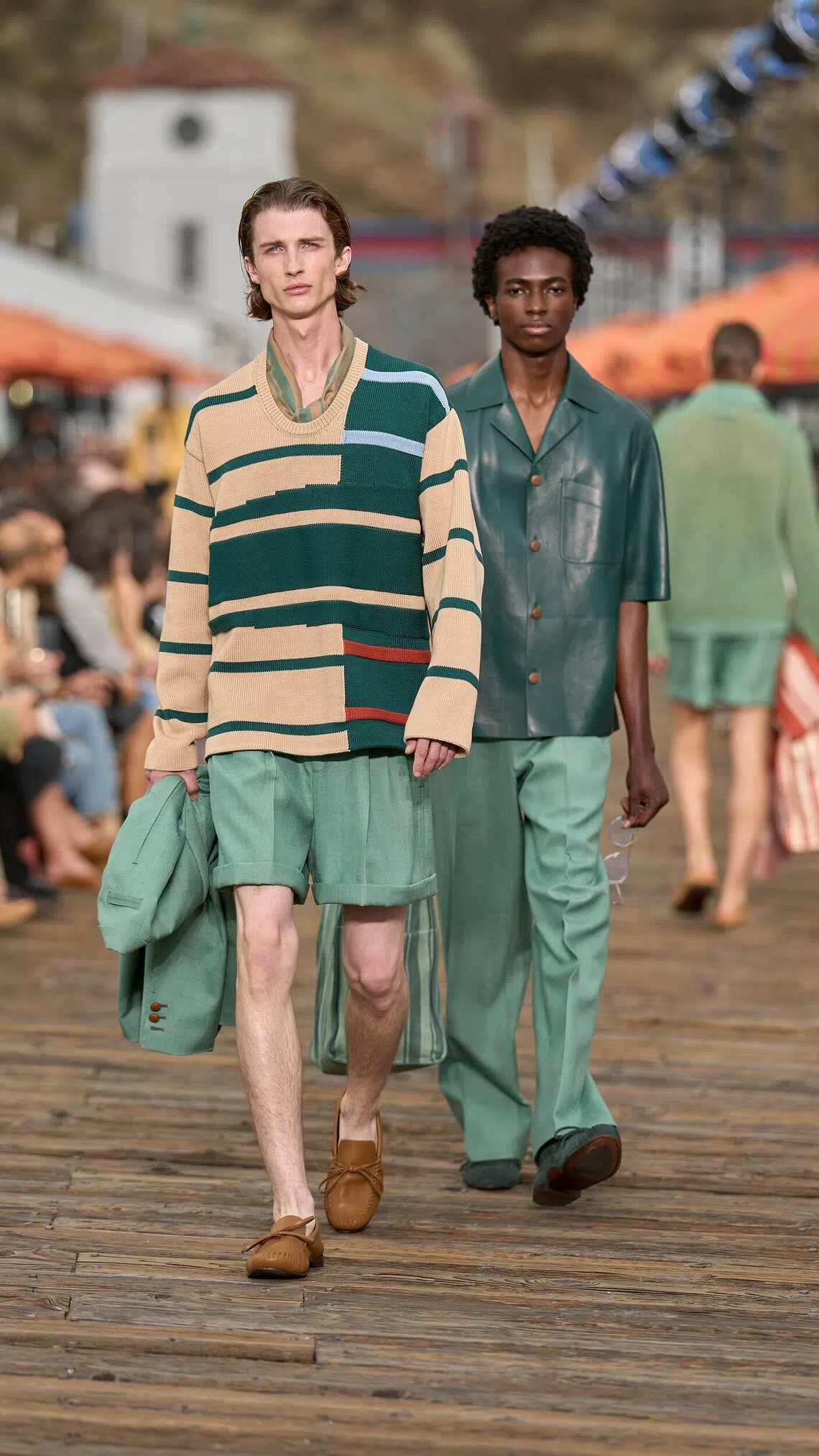
That philosophy came through loud and clear in June, when Sartori unveiled his spring/summer 2027 collection in Los Angeles – transforming the iconic Malibu Pier into a sun-drenched Italian seaside escape.
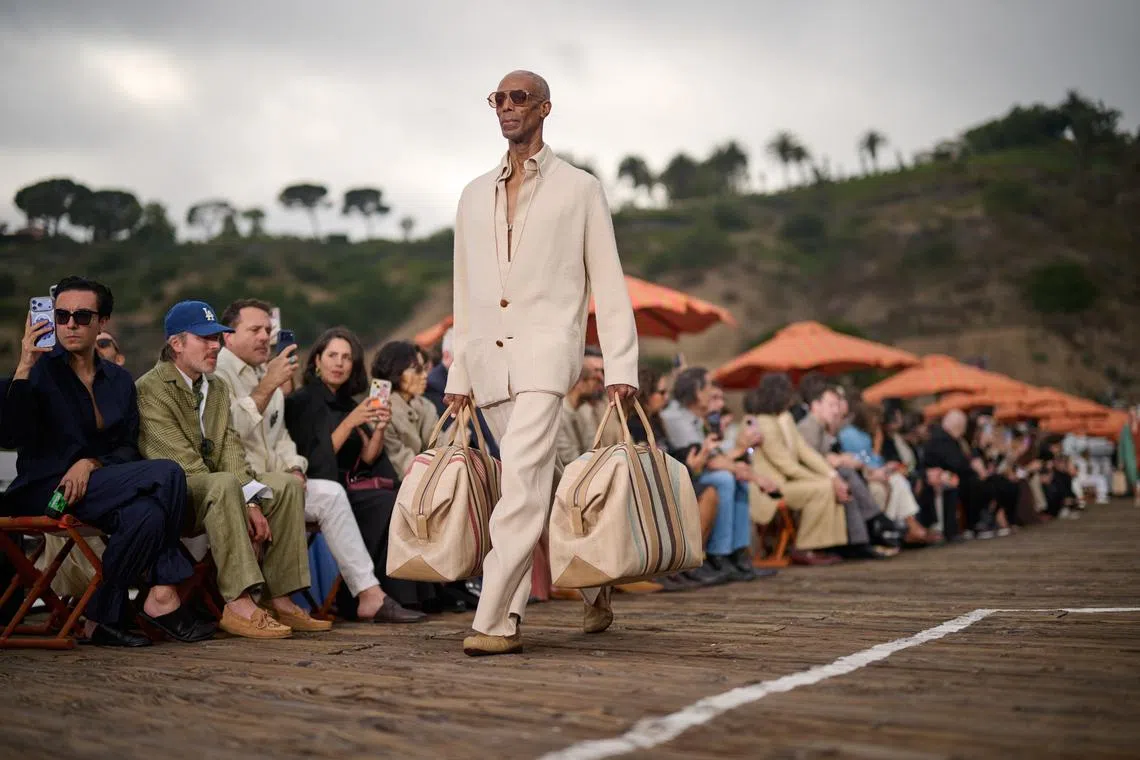
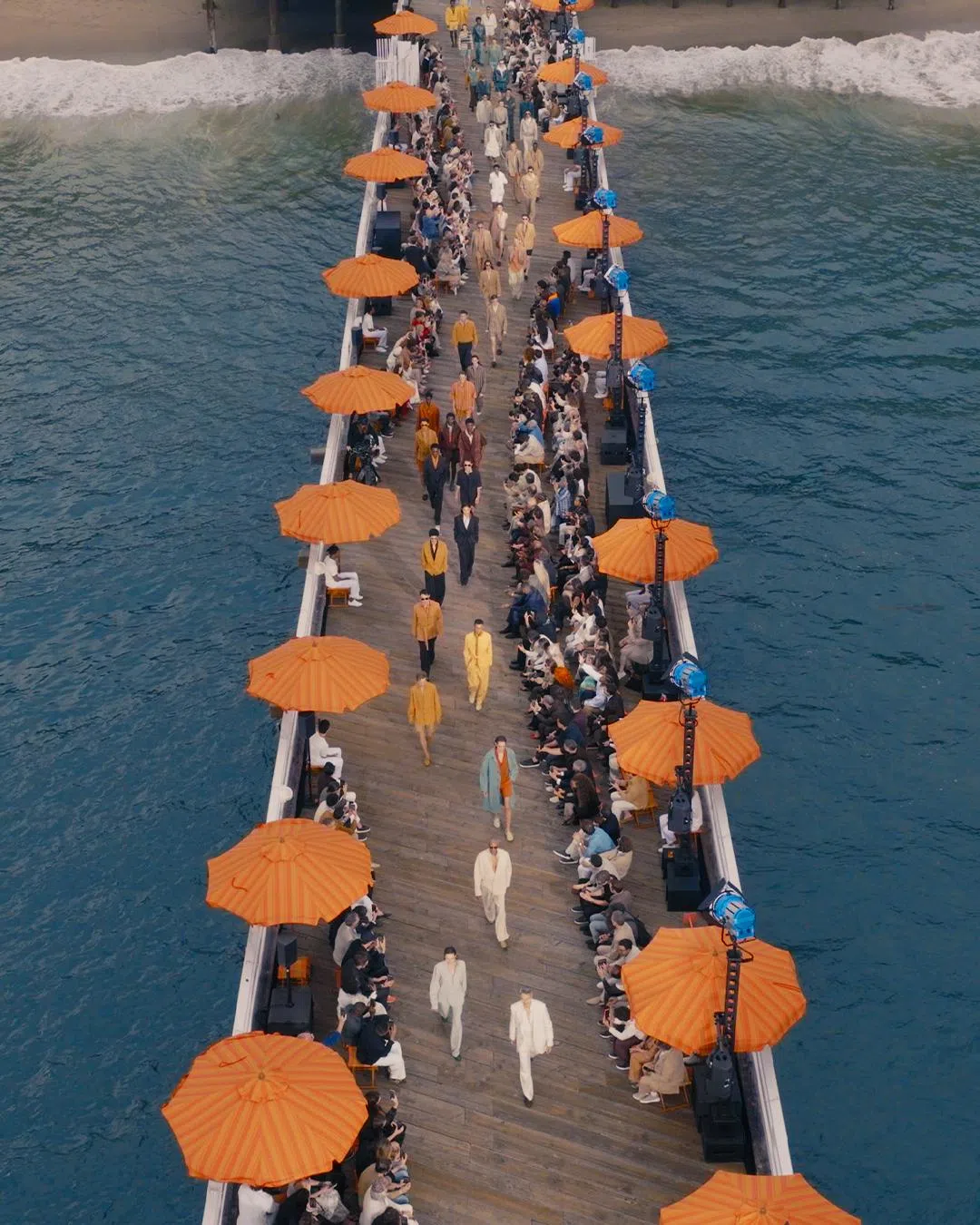
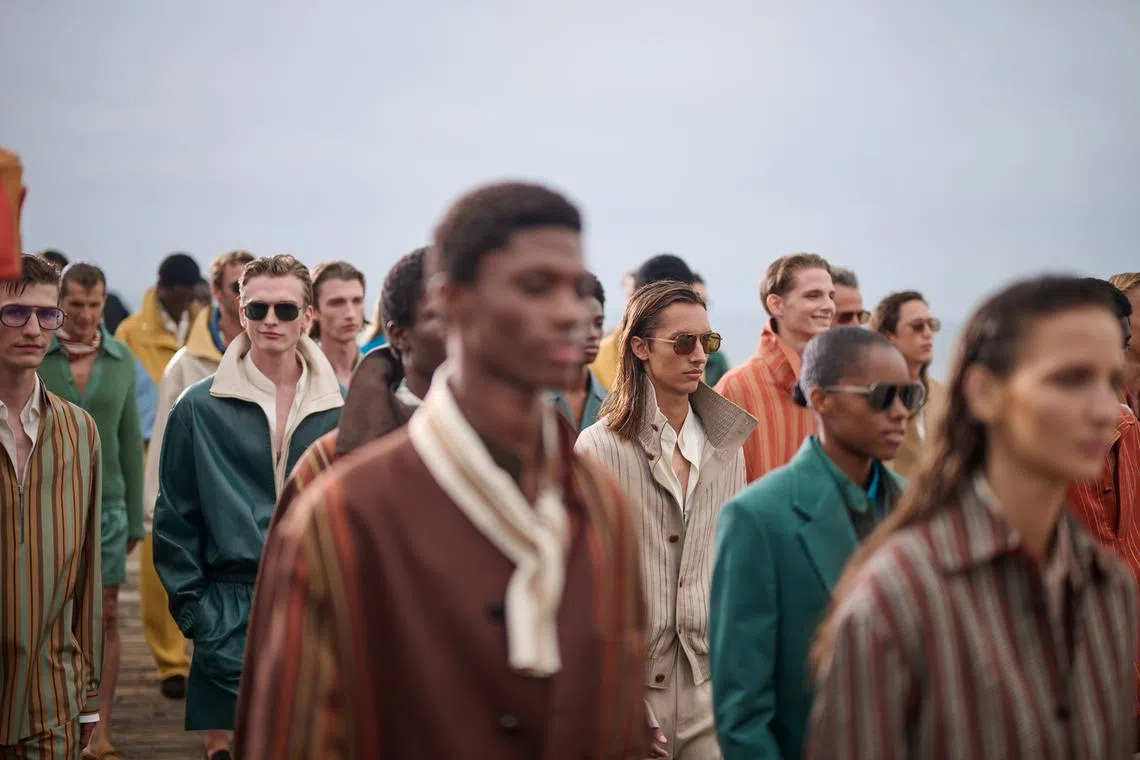
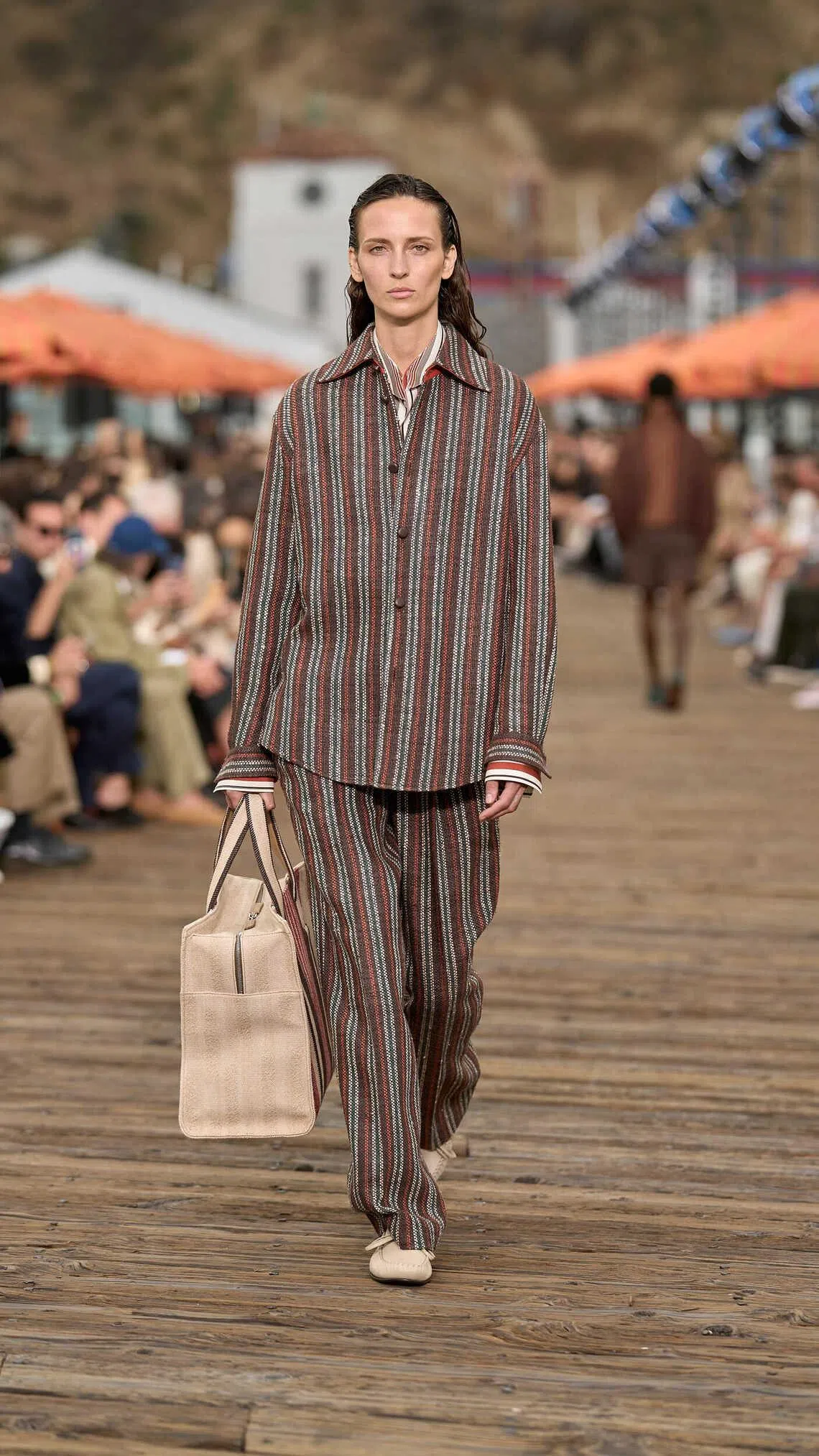
Celebrities such as Rami Malek and Mahershala Ali joined friends of the brand under striped orange parasols lining the dramatic runway overlooking the Pacific Ocean. Models drifted past in fluid tailoring, their Mediterranean-hued, relaxed silhouettes embodying La Villeggiatura – the Italian tradition of leaving the city for a summer retreat.
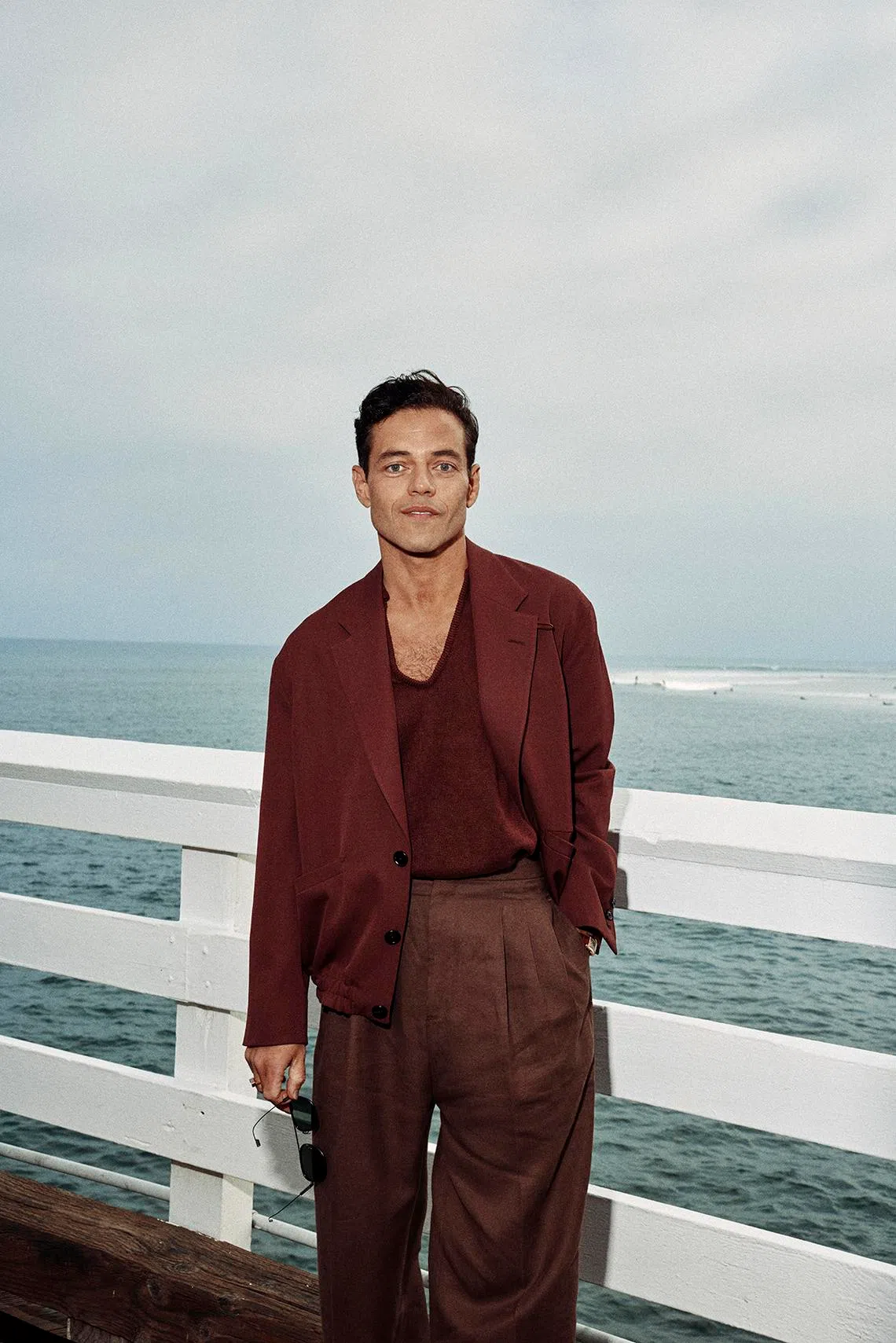
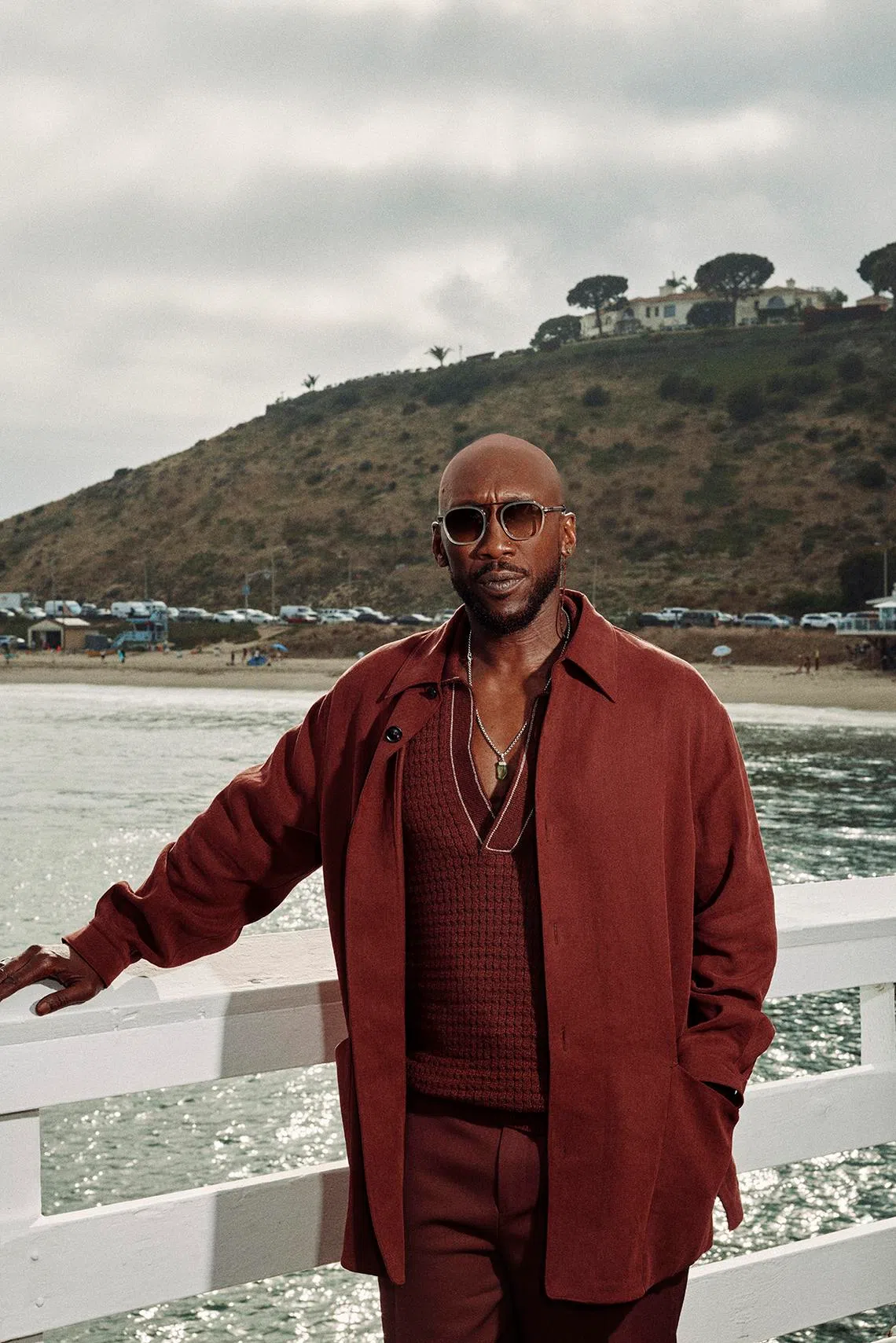
Loosely translated as “to stay in a villa”, the inspiration came from the Zegna family’s annual ritual of relocating from their own home to a holiday villa in the 1970s. But what Sartori captured in the parade of seersucker suits, safari jackets and intarsia bombers was the lifestyle they evoked: travel, a slower pace and effortless dressing.
Fashion follows life
Two days after the show, Sartori looks visibly relaxed when we meet him at his bungalow in the legendary Chateau Marmont hotel. Racks of clothes still sit in the garden – evidence of the past week’s gruelling fittings and rehearsals.
But Sartori is enthusiastically recalling his time mingling with the crowd – many of whom were VIP clients specially flown in for the occasion – at the after-party.
“I spent two hours before dinner just talking to them, and I really enjoyed it because it taught me a lot about how they live,” he says.


Through such interactions – and his insatiable curiosity – Sartori understands the psyche of the people he designs for, in the process establishing the 116-year-old fashion house as one of the most resilient in today’s luxury world.
So much so that he doesn’t feel competition from other fashion brands. “We are competing with their other passions. The hotels like Rosewood or Aman. The airlines they travel on. Certain car brands, or watchmakers.”
The brand has also won their loyalty because of Sartori’s focus on a timeless aesthetic – “and, of course, durability”, he adds. “We have a modular system. Even if you bought something in 2020, you know that what you buy today will go with what you already have. That’s why our product is highly valued – because it doesn’t get old.”
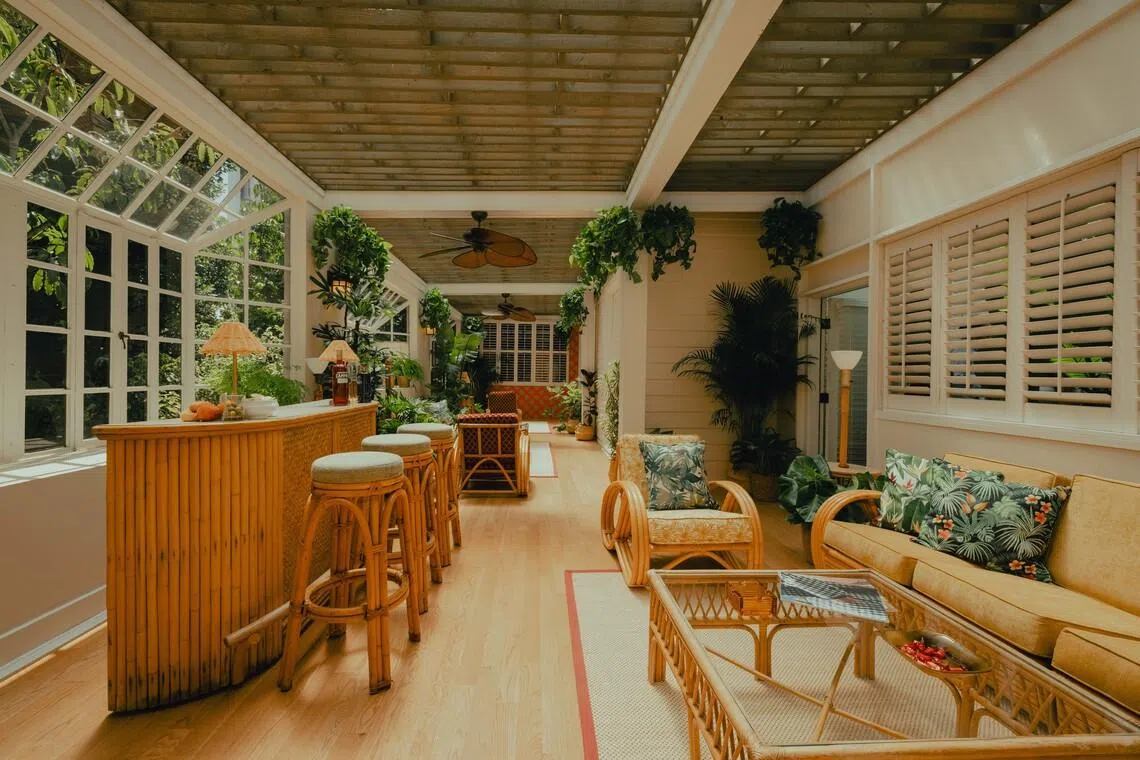
It doesn’t hurt to spoil their loyal fans, either. Guests were also invited to experience Italian summer living at Villa Zegna – a convincing replica of the family’s own holiday home circa 1970s – at Chateau Marmont.
Complete with a gardener tending the grounds and a bartender mixing cocktails in the living room, guests got a taste of how the Zegnas spent their vacations. They sat by the pool and wandered through elegant, retro-furnished rooms that showcased Zegna’s exclusive collections which they could even buy on the spot.
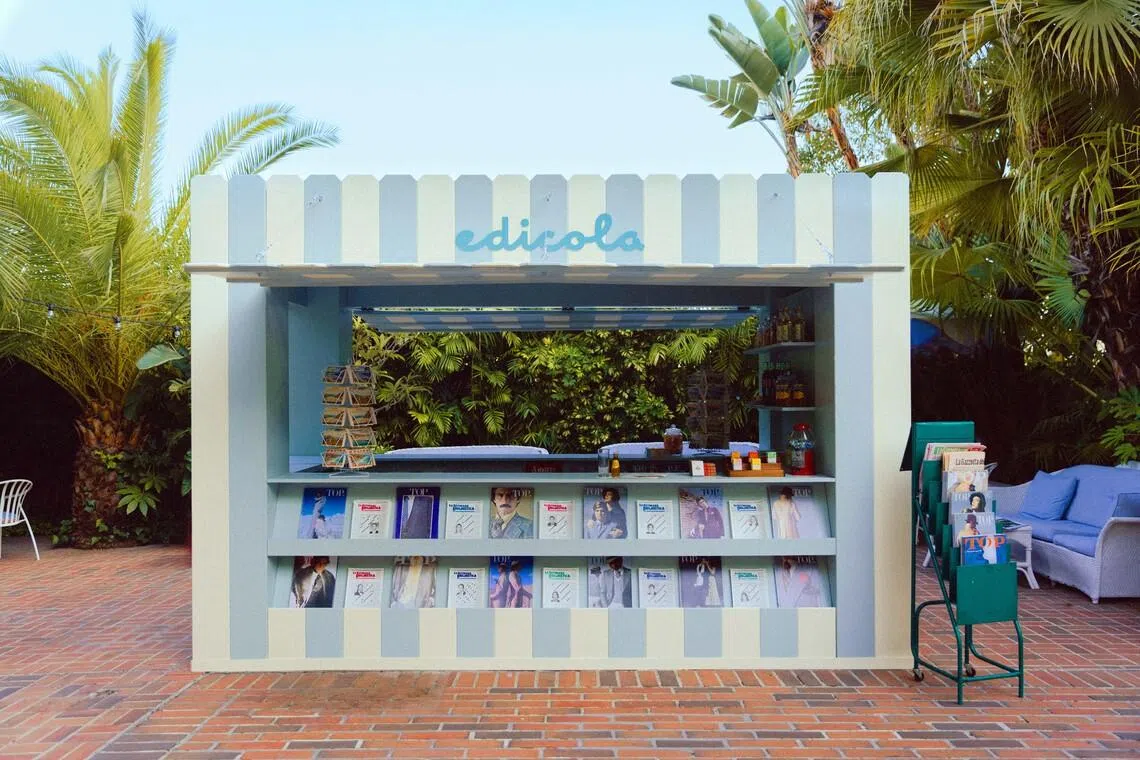
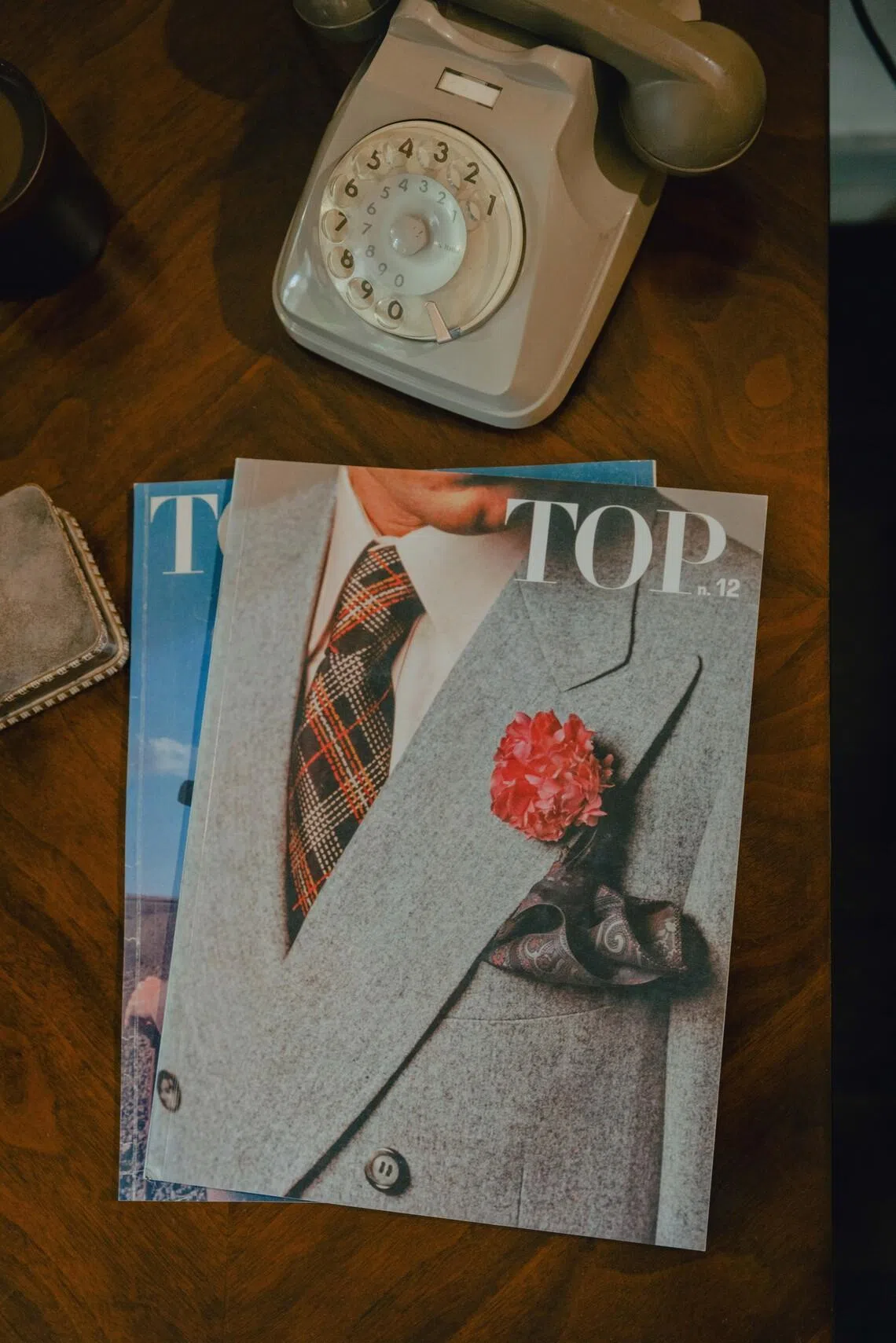
A news stand by the pool was filled with vintage copies of the brand’s in-house magazine, Top, featuring photo spreads of its fashion from the 1970s. Asked whether they inspired the collection, Sartori laughs. “Yes, yes, I just removed the ties.”
From luxury tailor to lifestyle brand
The joke is a reference to his reputation for being “a killer of ties”. He laughs as he recalls “removing 260 tie walls from our stores” in 2021 at the height of Covid, when work-from-home policies saw demand grow for less formal workwear.
It turned out to be a pivotal point as Sartori led Zegna’s transformation from luxury suit maker to a premium lifestyle brand. “Covid had a very negative impact, but at the same time, it was positive because it forced us to change.”
The brand needed a dramatic reset to fit the times, he says. “We needed to recreate the same kind of beauty we had in the past, but in a new way.
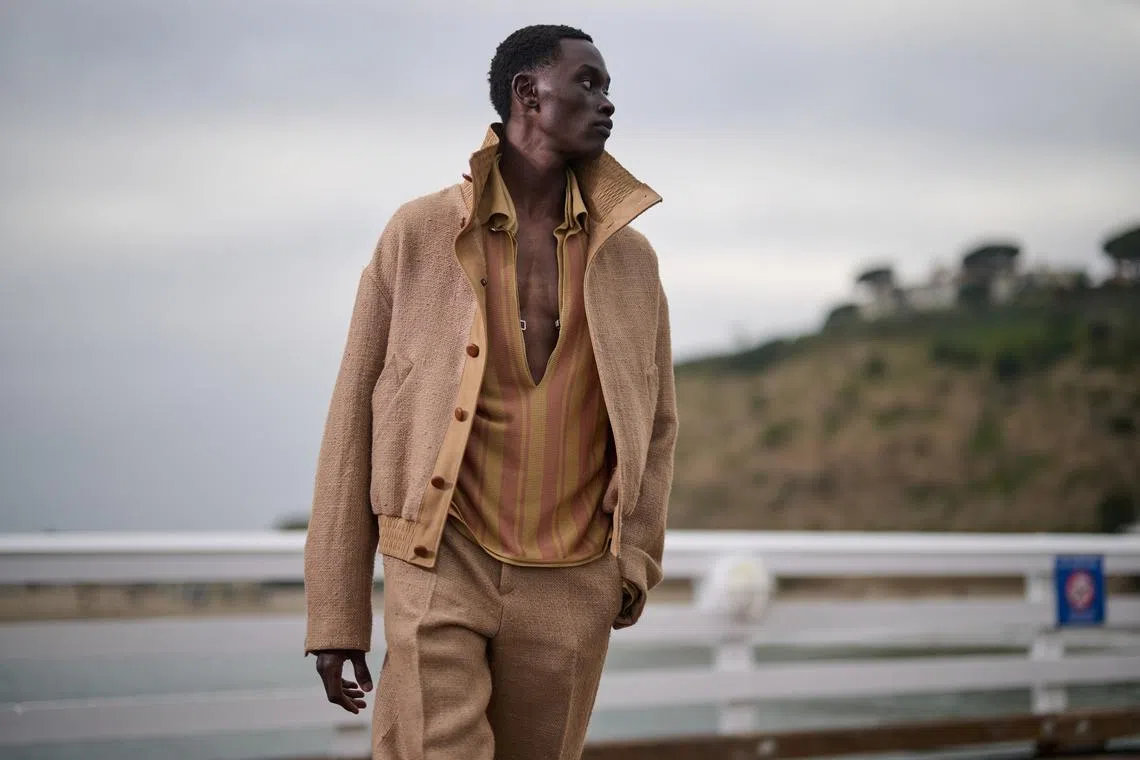
“So we’re still tailoring, we’re still using the best fabric, but we created this new silhouette, which is replacing the old shirt and tie. We still sell classic suits, but mostly in the make-to-measure business.”
More importantly, Zegna had to be firm in its direction. “In fashion, you cannot be this or that. You cannot do everything. Because if you do, you will be recognised for nothing.”
That is why, to this day, Sartori refrains from designing for women, believing that borrowing from their men’s wardrobe is an even more stylish option. “We still have much to do in menswear.”
Born to be in Zegna
Sartori may well have been destined to be in Zegna. He was born near Zegna’s wool mills in the small town of Trivero at the edge of Oasi Zegna nature reserve.
The textile engineering and fashion graduate was hired in 1989, but left in 2011 to join leather brand Berluti in Paris. He rejoined in 2016 as its artistic director, and celebrates his 10th anniversary this year.
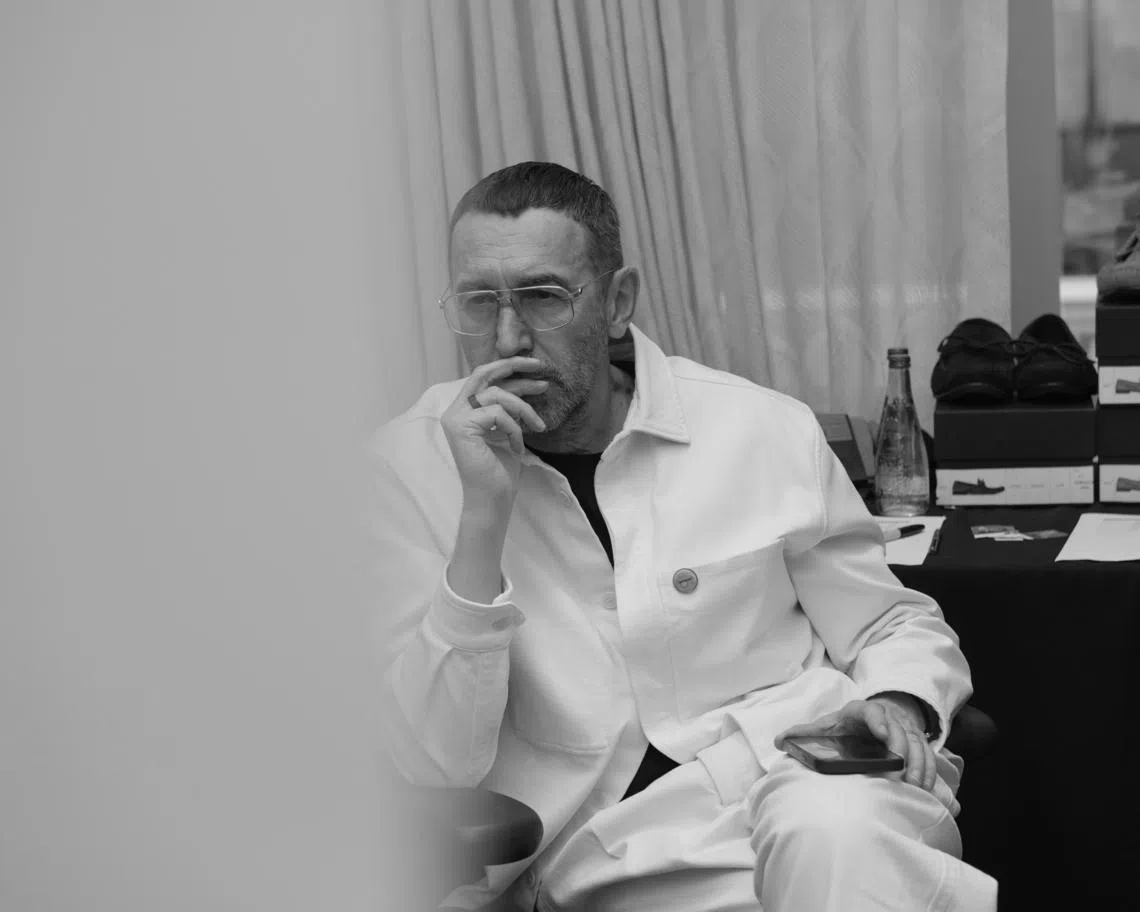
“It was important for me to leave,” says Sartori of his decision in 2011. “It’s like when you feel you need to go and live abroad for five or 10 years because you need to breathe. I felt it.” It wasn’t easy to break the news to his boss Gildo, but he understood the decision.
Also, “I needed to see Zegna from the outside, and understand the different methods of working. The French are strong in marketing and retail, but the Italians are better at product and craft. And I think the right formula is a blend of both.”
He knew he would return, because “I missed the craft and the culture, and also the kitchen that I have”, he adds – likening himself to a chef with access to all the best ingredients, thanks to Zegna’s vertically integrated supply chain.
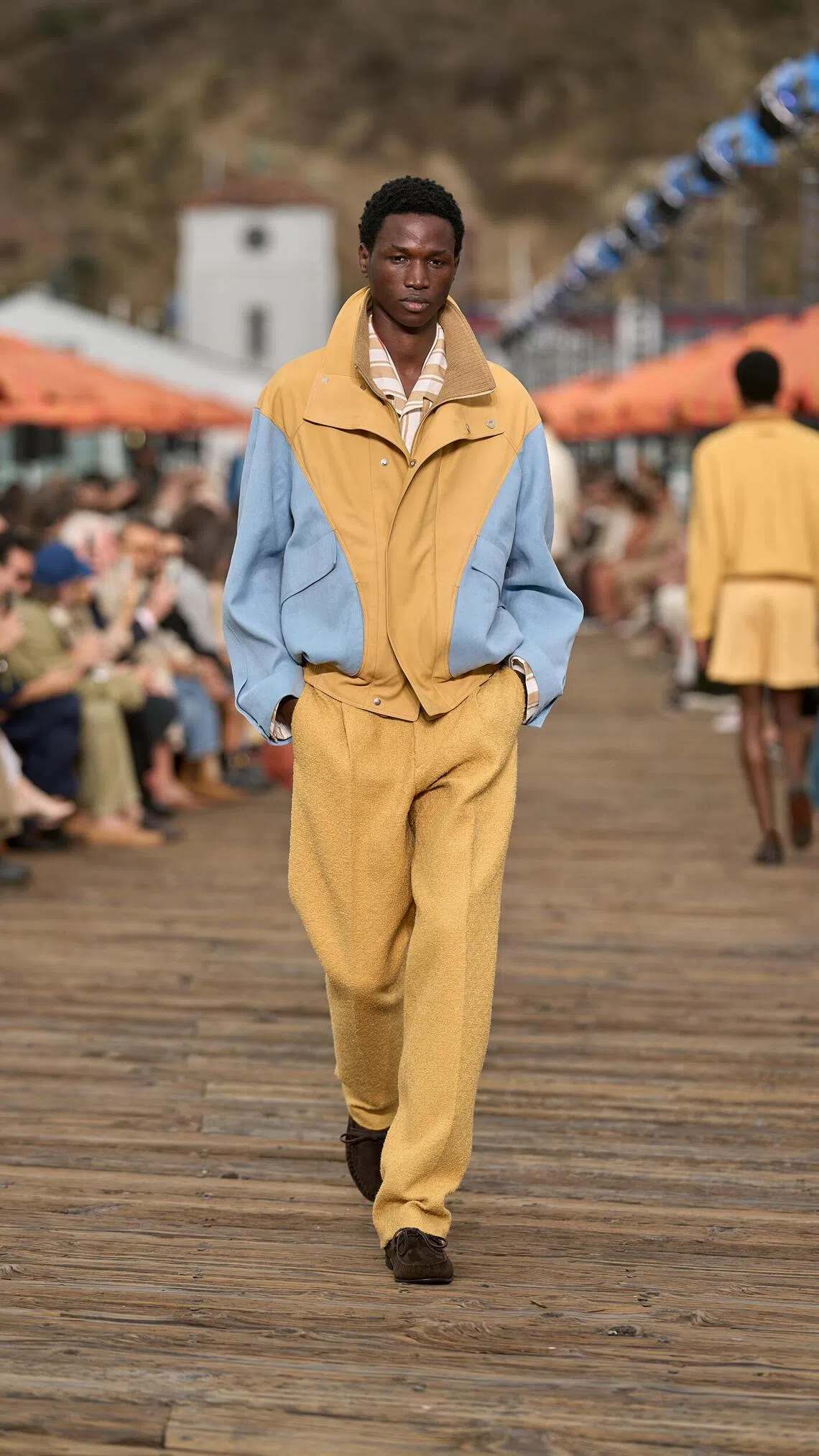
The fabrics for his latest collection, for example, are all newly crafted to his specifications.
Luxury will have a future “so long as it is honest”, says the photography and vintage car buff. “Why some brands don’t do so well is their price points, which are almost the same as ours but without our quality, mindset or fabrics.”
He adds: “It’s not about money. They buy less, but they buy better. And when they buy, they need to know that this will still work in five years’ time.”
Knowing what they want is key, too. “Of course they want newness, and they want freshness. But they also don’t want to look like somebody else – they want to look like the best version of themselves.”
Decoding Asia newsletter: your guide to navigating Asia in a new global order. Sign up here to get Decoding Asia newsletter. Delivered to your inbox. Free.
Copyright SPH Media. All rights reserved.
TRENDING NOW

Once staunchly pro-China, Malaysian Chinese businesses are now distancing themselves from Beijing

Looking beyond looming CEO succession, should UOB potentially pursue a transformative merger?

Could stablecoins be the future of money?

Grab CEO’s wife Chloe Tong on life with Anthony Tan and finding her purpose

