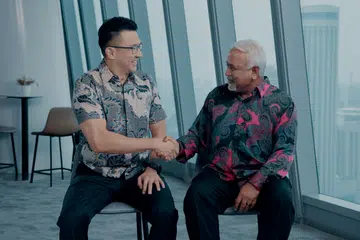
Benjamin Kheng: Why Christmas means so much
The star opens up about finding light and joy each December
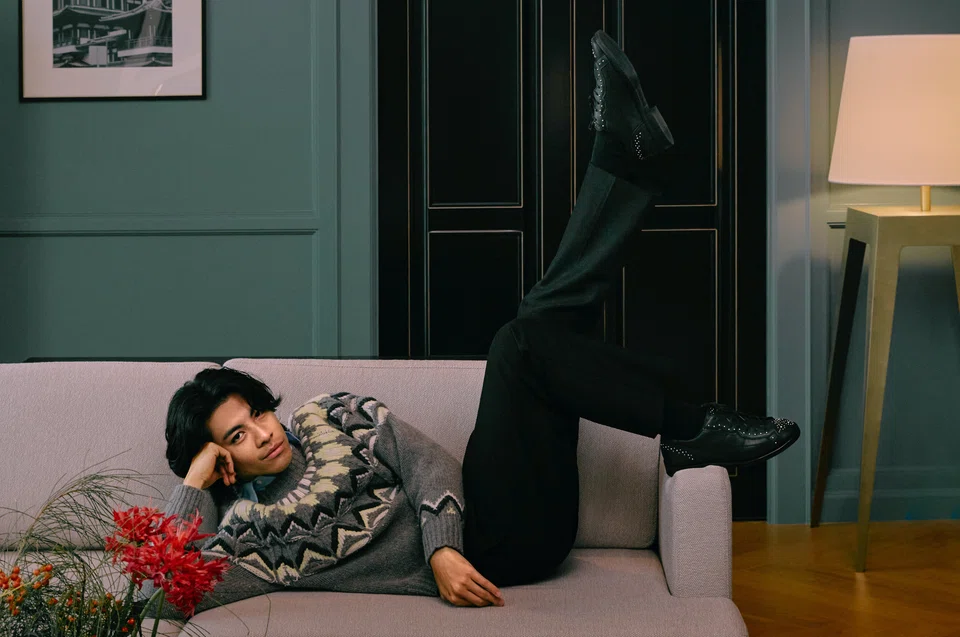
YOU COULD SAY BENJAMIN KHENG arrived in Singapore’s entertainment landscape at exactly the right moment. Not because he is handsome – though he is – but because he embodies a new kind of male celebrity that audiences everywhere, from Hollywood to home, seem hungry for.
Not the square-jawed stoic hero of earlier generations. Not the matinee idol with spray-on charm.
But the vulnerable one. The funny one. The emotionally articulate one. The one whose edges show. The kind of man who would fit comfortably beside the Timothee Chalamets, Andrew Garfields and Paul Mescals of the world.
Men who have built their fame not on mystique – but on the willingness to be seen. Truly seen. As flawed, hopeful, anxious, tender, recognisably human.
If Hollywood is currently obsessed with “sad boy sincerity”, then Kheng is Singapore’s local translation – a touch of melancholy, a dose of golden-retriever humour and a distinctly Singaporean groundedness.
A man who can headline the National Day Parade (NDP) one moment and make a joke about “working as an insurance agent to pay for my music” the next. Someone just as comfortable taking to the Sing60 music festival stage on Dec 6, as he is poking fun at himself online.
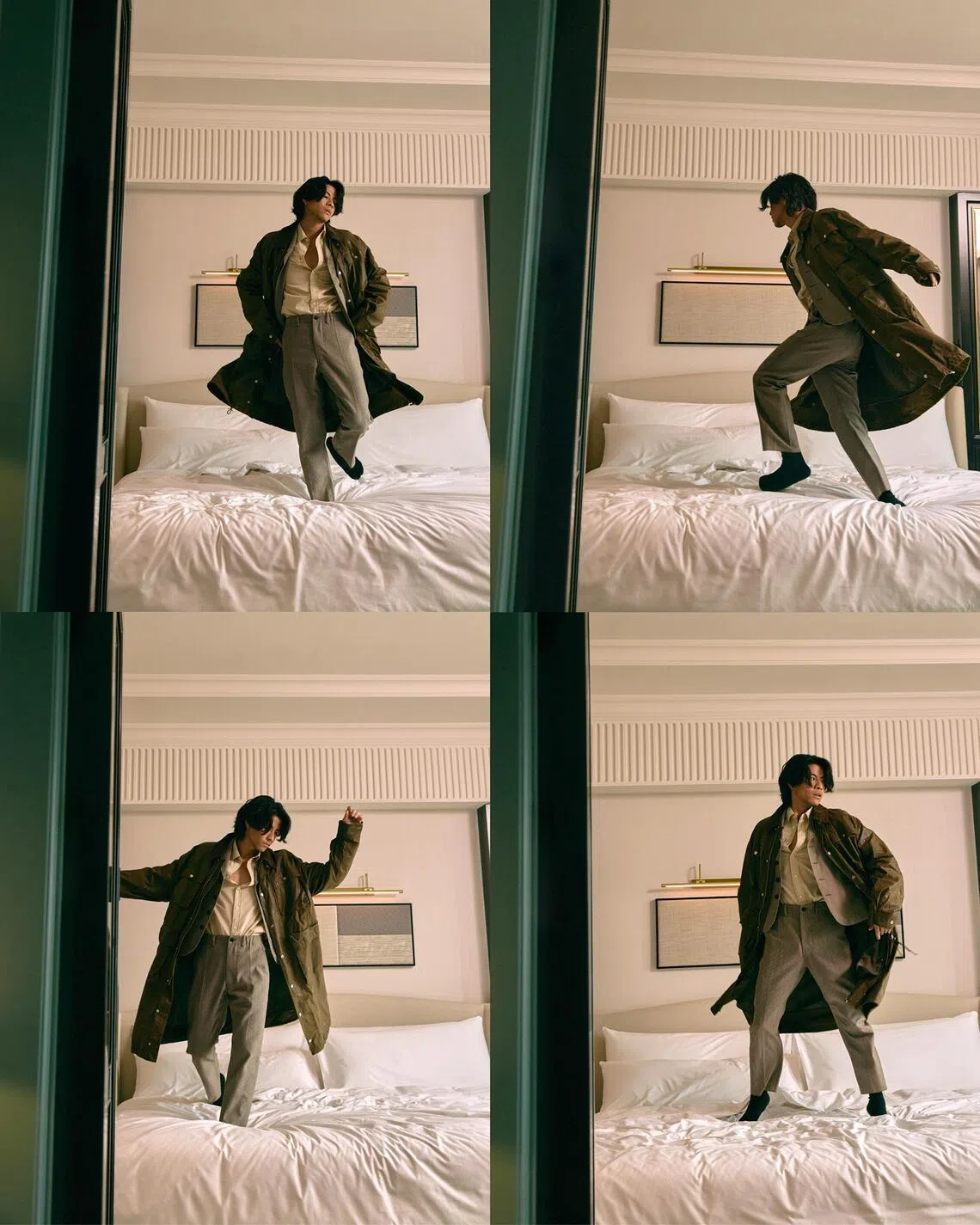
And perhaps this is why he resonates so deeply here. Singapore doesn’t produce many celebrities in the full sense of the word – our entertainment industries don’t scale the way they do in larger countries – but Kheng has managed to transcend the grid. He is both over-exposed and intimate, glamorous and relatable, famous and familiar.
Which is why December suits him. Because December, like Kheng, has a duality to it.
A man for the season
December in Singapore is loud. The malls roar with Yuletide songs and discounts. Orchard Road dazzles like a musical set. Everyone is out shopping, dining, toasting and partying. It’s a vivid commercial fever dream – until Christmas Day arrives and the city finally exhales.

The noise drops. The roads go quiet. A brief stillness settles over the island.
Kheng has always found meaning in that stillness.
Long before his band The Sam Willows hit the charts, long before he crossed 20 million likes on TikTok for his goofy skits, long before the NDP stage made him recognisable to heartland uncles and aunties, he was just a teenager walking through hospital corridors with a few school friends, singing Christmas carols to patients.
“We just went around the wards and carolled,” he says. “I think I was about 17 or 18.”
What many people know – because he has spoken about it openly over the years – is that his mother died of breast cancer when he was 12. The hospital setting, the carols and the stillness carry a resonance that still colours his quieter days.
But when he talks about that period now, there’s no drama in his voice – just clarity. “It happened when I was a kid. It changed how I saw life, religion, purpose. After years of therapy, I feel better adjusted now… I realise there are things I’ll never understand – and that’s okay.”
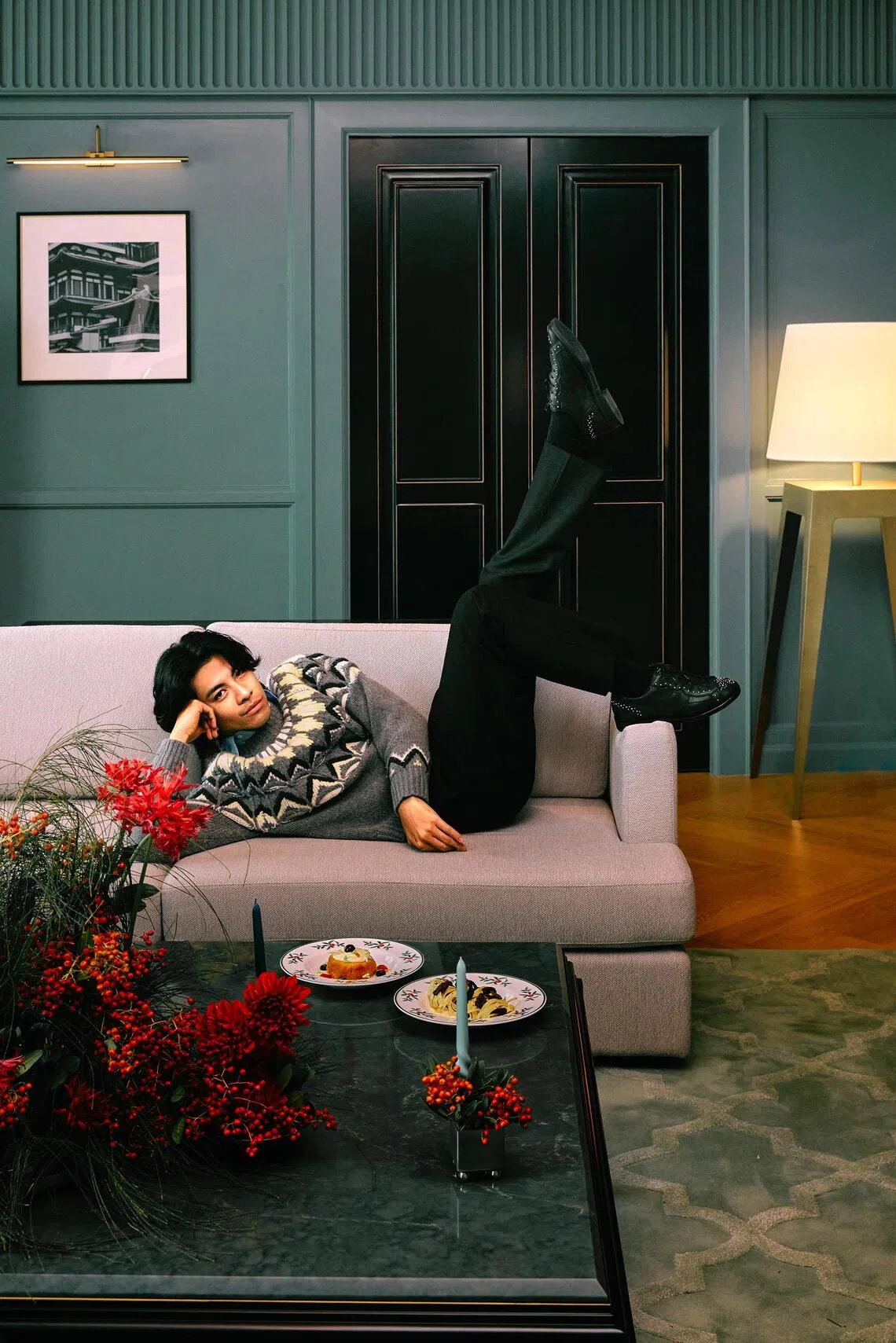
At an age when most teenage boys were worrying about exams or escaping into video games, he was standing beside hospital beds, learning – almost by accident – how music can comfort a room. How it doesn’t stop suffering but lightens its weight.
“Music doesn’t fix anything,” he admits. “But it softens a room – and sometimes that’s enough.”
Now 35, he’s still reconciling with his grief, which is “a lifelong journey… You don’t get over it, you grow around it”. He admits he still gets “bugged by small things – but then the big things teach you what matters and doesn’t”.
This, more than any glossy image of him on magazine covers, is why young people respond to him. He doesn’t pretend he has it all together. He doesn’t sugarcoat his pain. He carries it the way most people do: with honesty, humour and a self-deprecating shrug.
From pools to pop charts
To be sure, Kheng’s success has as much to do with his grounded likeability as with his steadfast persistence. Try naming another bona fide Singapore celebrity who produces as much original social-media content as he does – you’d be hard-pressed.
Kheng says he doesn’t wait to be hired – he makes things happen. “If you’re hoping for someone to give you opportunities, then it can feel very limiting. I try to create my own stories and opportunities… It allows me to stay very self-generative and sustain myself through the years.”
He funnels “a much higher amount” of his income into making his own content than most stars and influencers do – though he won’t reveal how much. “Some people have side businesses,” he shrugs. “I don’t. I put it all back into the work.”
That persistence goes all the way back to his teenage years. As a national youth swimmer spending six or seven hours a day in the pool, he learnt discipline the way other kids learnt cheat codes in video games. “I learnt that water can drown you or propel you. And I realised you can do good in whatever circumstance you’re in.”
In his late teens and early twenties, he was studying arts management, working part-time at radio station Lush 99.5FM, and acting in student productions.
Then came The Sam Willows – a folk-pop quartet he started in 2012 with his sister, Narelle, and two friends, Sandra Riley Tang and Jonathan Chua. They worked their way into the South by Southwest music festival in Texas just months after forming. They made their own videos. They toured. It was chaotic, joyful and formative – and made him recognisable to millennials and Gen Z.
“I miss being part of a group on stage,” he admits. “The creative fights, the camaraderie.”
When the band went on hiatus in 2019, Kheng didn’t fade. He expanded further into acting, hosting, writing and directing comedy sketches with comedians Hirzi Zulkiflie and Annette Lee. He started his own boutique production outfit, Charle King – which sounds like “chow keng”, meaning to skive, in Hokkien and Cantonese – with creative director Ted Charles.
He never saw himself as a celebrity, but Singapore eventually did. TikTok and Instagram amplified that visibility, bringing him close to a million followers.
Auntie-and-uncle fame
Then came the milestone that sealed his cultural presence: the 2024 NDP theme song, Not Alone. It was, by all accounts, a mammoth task – part national project, part pop challenge, part emotional excavation.
“Three-and-a half minutes to create a whole story,” he says. “You have to sell it commercially, yet speak the truth and be genuine.”
He wrote the song during a period of deep introspection. His own fear of loneliness became the emotional anchor. “One of my biggest fears is feeling alone in life,” he says, a fear rooted in losing his mother. “That’s why I wrote Not Alone.”
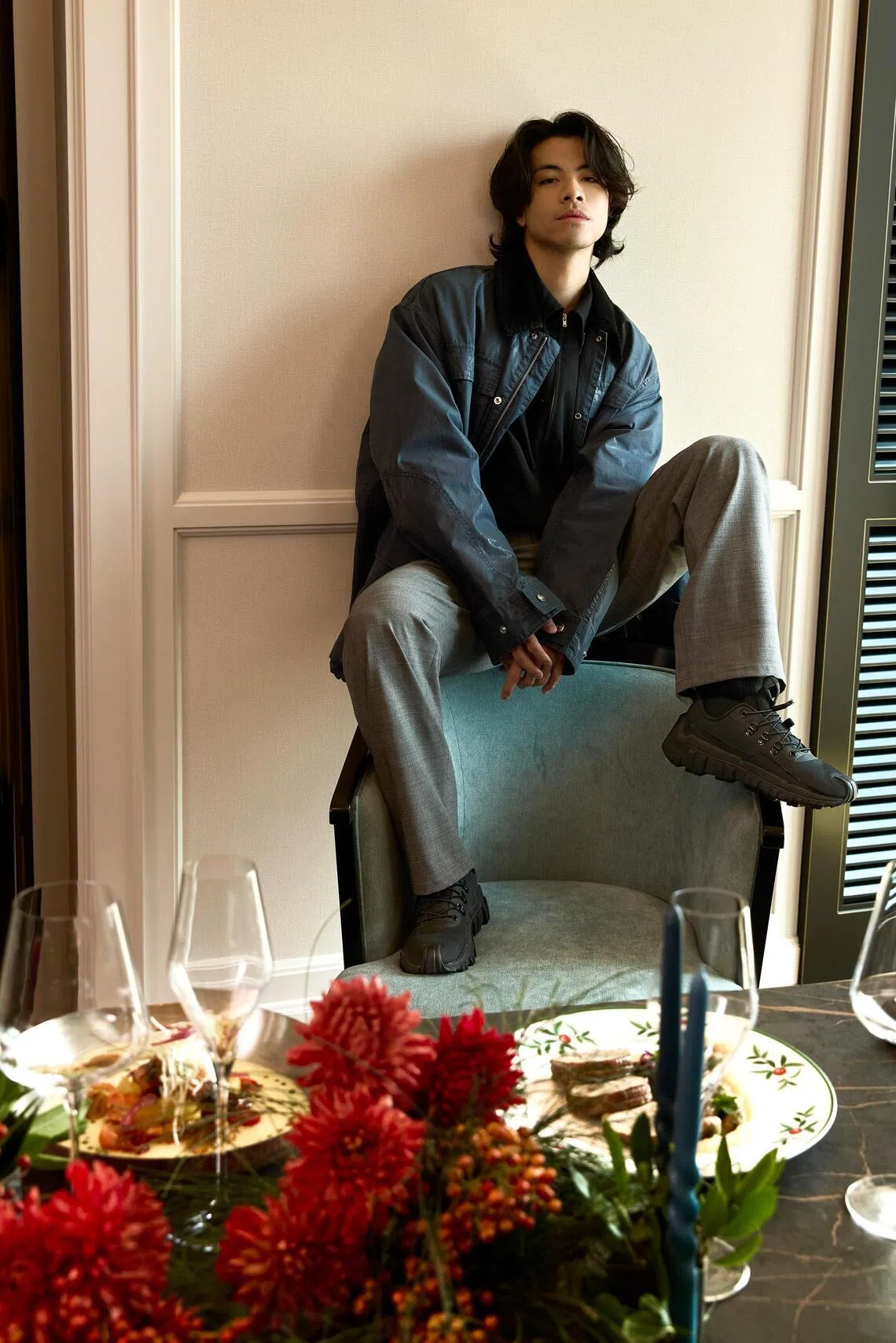
When he finally stood at the Padang to sing the song, with 30,000 people watching him and millions more watching from coffee shops and living rooms, something clicked. “I realised then that I was never going to get this moment back,” he says. “I realised that with my music, I could be a source of good.”
The Sam Willows made him beloved among millennials. TikTok gave him Gen Z virality. But Not Alone was different. It was genuinely cross-generational, cross-cultural, cross-everything. Overnight, he became recognisable to heartland aunties and uncles who didn’t care about influencers, never watched a BenZi skit, never heard the viral Caifan Song.
In fact, for fans of The Sam Willows, this moment was a long time coming – they’d expected Kheng and his bandmates to have been asked to write the NDP song a decade ago, when Take Heart reached the top of Singapore iTunes and the album was certified Gold.
But Kheng waves off the idea. “A decade ago, I was a different person – I was still trying to prove myself,” he adds. “Now I’m more grounded. I can tell a story I actually believe in.”
A new story, slowly unfolding
What makes the next chapter of his career intriguing is that, despite the momentum he’s built – the NDP moment, the digital ubiquity, the sold-out shows – Kheng is no longer sprinting towards anything. If anything, he is slowing down just enough to decide what kind of life he wants.
“I think I’ve been around too long already,” he says, half-joking. “And honestly, I said everything I wanted to in the NDP song.”
Ambition is no longer a straight line. “My sister Narelle once said, the more healed you are, the less ambitious you become. And I think that’s true. Because then you start asking: how much of my ambition was really just insecurity or wanting to be recognised?”
What he wants now is both simpler and deeper. “I just want to tell good stories. That’s the stuff that moved me as a kid – a song or a film that makes the world feel a bit bigger, a bit more colourful, more comforting. That’s what I’m after.”
His boutique outfit Charle King is eyeing longer-form work – from sketches and shorts to, one day, a feature or series. He wants to direct more.
He cares less about building an audience, and more about building a community. His community choir, Sing Song Social Club – a casual gathering of people learning harmonies together – has become, unexpectedly, one of his proudest projects.
“It’s a time sink, it’s a cost centre,” he laughs. “But the life that happens there? That sense of fulfilment? That’s the best feeling of all.”
For someone who has been publicly visible since his early twenties, the shift is striking. He’s less focused on being remembered and more on simply being here. “I used to be very afraid of being forgotten,” he admits. “I don’t think that way anymore.”
How Christmas grounds him
There’s an ease to him now, the kind that comes from loosening his grip on the spotlight. He’d rather be present than applauded – present with Naomi Yeo, his actress-host wife of three years; present with his friends and family; present with the people who keep his world steady.
Naturally, his thoughts turn to Christmas.
“I love Christmas, man,” he says, lightening up instantly. As a child, the season was loud and joyful – trees everywhere, presents piling up, carols filling the house. “We did a lot of singing,” he recalls. “My parents loved to sing. So if we weren’t jamming on Sundays, we were carolling.” Those memories of noise and warmth have stayed with him.
Adulthood, of course, has made December far more chaotic. Shows, rehearsals, events – the month is a blur. But he still searches for the small, grounding rituals that make the season his own. “When you start planning stuff, it’s a joy – trying to think of things to do with friends and family. People are just generally happy at Christmas.”
He even likes the afterglow of Christmas. “Everyone overcooks, so there’s always leftovers. But that’s the joy – looking into the fridge and going, ‘Turkey’s still there and it’s still good.’”
For someone whose biggest fear is “feeling alone in life”, Christmas carries a deeper weight. “After my mother passed (away), my father remarried and I have three stepbrothers. So to watch my family grow after what I experienced as a kid… I’m grateful we still stick together,” he says. “I know that’s not the case for everybody. So I don’t take it for granted.”
Last year, the entire family flew to Vancouver for a rare white Christmas – a week of snowboarding, laughter and the kind of slow time all Singaporeans struggle to find. “That was one of the best Christmases,” he says. “My father and stepmother are older and retired, so they’re lighter now. And just having everyone together – that meant everything.”
Now regarded by some as an “elder statesman of local pop”, he has a simple Christmas wish for Singaporeans – rooted not in sparkle, but in gentleness.
“I just wish people could live a little lighter,” he says. “Singapore can be tough. It can be a lot. But if the Christmas season can bring anything, I hope it’s the feeling that we can be a little kinder to ourselves.”
Photography: Eugene Lee, Enfinite Studio
Fashion direction: CK
Grooming: Sha Shamsi
Hair: Christvian Wu
Location: Presidential Suite at The Laurus, a Luxury Collection Resort in Resorts World Sentosa
Festive dishes: Laurus Table
Flower arrangement: Lilac Summers
Decoding Asia newsletter: your guide to navigating Asia in a new global order. Sign up here to get Decoding Asia newsletter. Delivered to your inbox. Free.
Copyright SPH Media. All rights reserved.