Forging a new era in Chinese cuisine
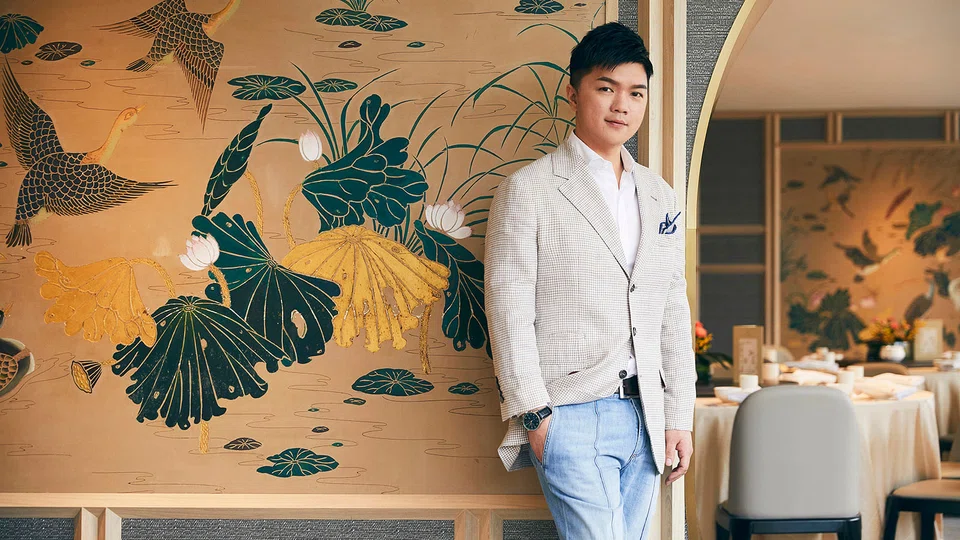
Edward Chong, chef
IN A CHINESE RESTAURANT, nobody knows your name. Not if you're the chef, that is. If anything, a diner is more likely to know the difference between a marble goby and a green wrasse than the identity of the shifu who cooked it specially for him.
Edward Chong would like you to know his name. Not because he's a narcissist with a wok - he just thinks it's high time people stop looking at Chinese chefs as anonymous cogs in an oil-splattered kitchen, and embrace them as major players in the realm of haute cuisine.
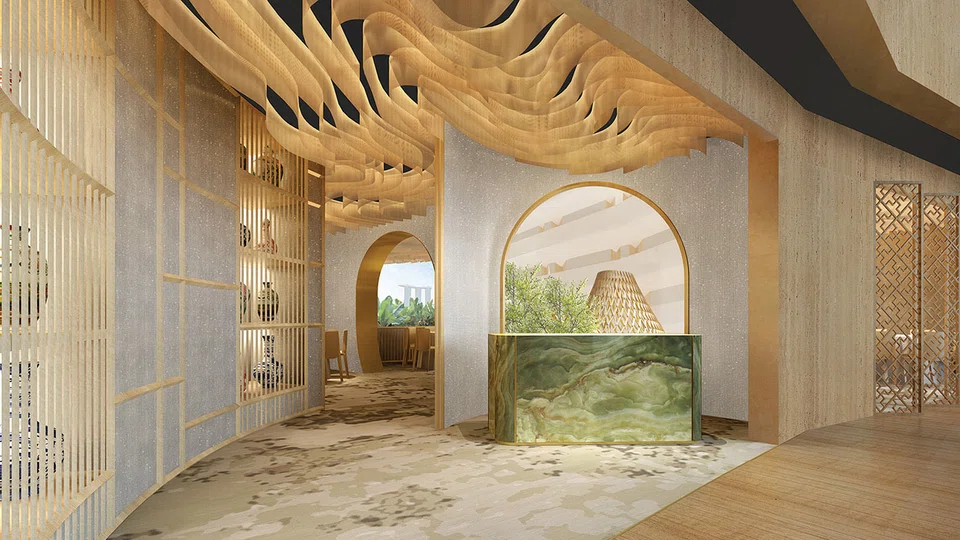
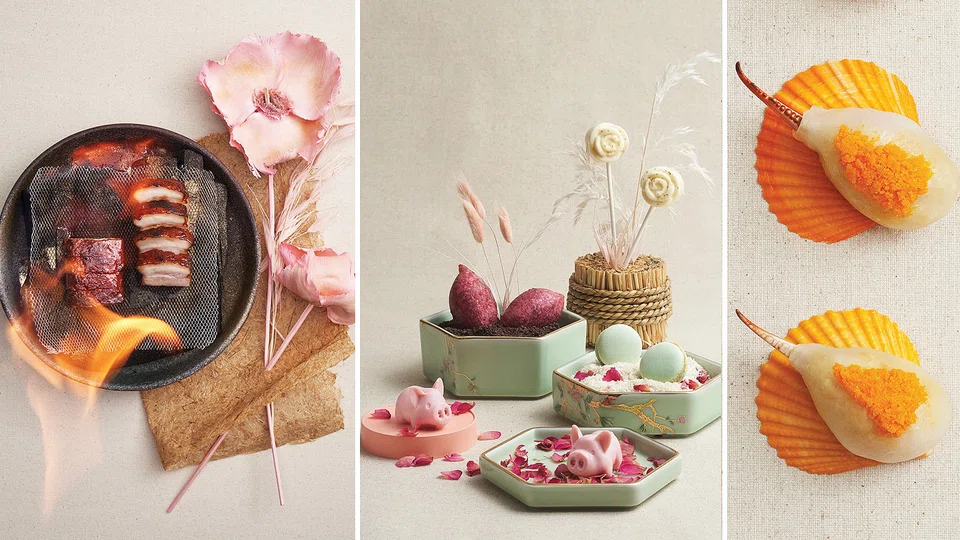
He's already laying the groundwork as the head chef of Peach Blossoms in the newly refurbished Parkroyal Collection Marina Bay. Since the restaurant's reopening in mid-December last year, he's been collecting superlatives for his unconventional style that marries the authenticity of Cantonese cooking and visual theatrics.
"In Singapore, most people get excited about European or Japanese cuisine, omakase and other forms of fine dining," says the unassuming 38-year-old in Mandarin. "But when it comes to Chinese food, they see it as old school, i.e. conventional." It pains him to see chefs, with their wealth of knowledge and experience, getting short shrift in a culture that expects them to stay hidden instead of engaging with guests. "I don't want people to see Chinese cuisine as second fiddle. I want to be the catalyst that drives it to the level where people speak about French, Japanese and Chinese haute cuisine in the same breath."
A MODERN START
Chef Chong's culinary path was set at an early age when an uncle nudged the academically-challenged 19-yearold into an apprenticeship at Jade in the Fullerton Hotel, which was helmed by acclaimed chef Sam Leong at the time. The latter was already known for introducing western-style individual plating and fusion Chinese cooking, which upended the youth's stereotyped views of yam rings and hot and sour soup.
"He had a lot of fans and he made everything so pretty - I liked it," recalls chef Chong, describing his early training in three stages. He spent three years with chef Leong (culminating in the opening of Forest restaurant in Sentosa) building a foundation in plating and presentation, followed by eight years with Yong Bing Ngen of Majestic, another Western-leaning chef but from whom he learned how to manage and build a kitchen team. "Then I worked at (now defunct) Pine Court in Mandarin Orchard, where I learned all the traditional cooking techniques - wok skills, double-boiled soups, dim sum and so on."
The young scrappy chef was working in another hotel kitchen four years ago when Melvin Lim, the general manager of the then Marina Mandarin (now rebranded as a Parkroyal Collection hotel) offered him a shot at the top job of Peach Blossoms - the kind of old school, traditionbound Cantonese restaurant that chef Chong wanted to break away from.
There were a few other chefs in the running, but an 'audition' menu he prepared for the department heads convinced them to put their money on him.
CHANGING MINDSETS
Getting the job was the easy part. What lay ahead was the onerous task of shifting the mindset of a restaurant team firmly stuck in the old ways, and resistance was the house specialty.
"They were used to serving dishes communal style - individual plating was totally alien to them." Suffice to say that not many of the original chefs stayed on, while chef Chong continued to persuade and cajole the remaining ones to follow his lead. "They would tell me, 'I don't know how to cook this'. So I would do it. Whatever they didn't want to do, I would do it myself. Every other restaurant is serving wasabi prawns, sweet sour pork, hot and sour soup, black pepper crab - why do we want to do the same thing?"
Slowly, the wheels began to turn in his favour. But there was another task ahead: the definition of modern, or progressive Chinese cuisine, as he calls it. Which is not fusion, which he sees being pushed out by chefs who are more swayed by western ingredients and fanciful presentation than how they actually taste.
"A lot of chefs overdo it to the point that they're just copying western cuisine which doesn't do justice to the amount of training and skill that goes into cooking Chinese food." His own journey - which has admittedly been littered with mistakes as well - is one that defies cultural barriers but is deeply rooted in classic techniques and values.
He refers to modern Thai chefs in Bangkok, who have redefined their heritage cuisine in trendsetting, Michelin star-awarded ways. "They turned traditional cooking into haute cuisine, so why can't Chinese food evolve in the same way?"
MAKING HIS MARK
He's clear that he owes his position to the bosses who took a chance on him four years ago and gave him carte blanche to turn Peach Blossoms around. At the time, it was ranked the lowest among the hotel Chinese restaurants around them in Marina Square, he says.
"The chefs didn't even want people to know where they worked. It shouldn't be like that, so I told the team, let's show them what we can do."
Out of blind persistence and a team of "crazy people", the four-year slog has paid off. Since the reopening, he's even spied head chefs from competing restaurants in his dining room, sometimes trying to look inconspicuous. "I feel proud," he says. "I tell my chefs that they should be too. If we weren't good, why would they come?"
His team is young, in their 20s and 30s. His dim sum chef is just 30. And despite his reputation as a demanding head chef, he's seeing young talent wanting to join him in the same way that they might be attracted to the kitchens of high profile western restaurants. "I want to show them the potential of progressive Chinese cuisine and hopefully groom the next generation."
Adversity and complacency are not in his vocabulary. "I've cried tears before in my career, and I've made my guys cry too. But I see this as a calling to bring Chinese cuisine to a new level, and do justice to the work that (my predecessors) have done for this craft." And after a beat, "to make them proud of me".
Decoding Asia newsletter: your guide to navigating Asia in a new global order. Sign up here to get Decoding Asia newsletter. Delivered to your inbox. Free.
Copyright SPH Media. All rights reserved.