

The house of Poul Kjaerholm
Thomas Kjaerholm, son of the late iconic designer whose furniture was produced by Fritz Hansen, shares about his father’s legacy and living in the house that his mother designed for the family
 Add BT as a preferred source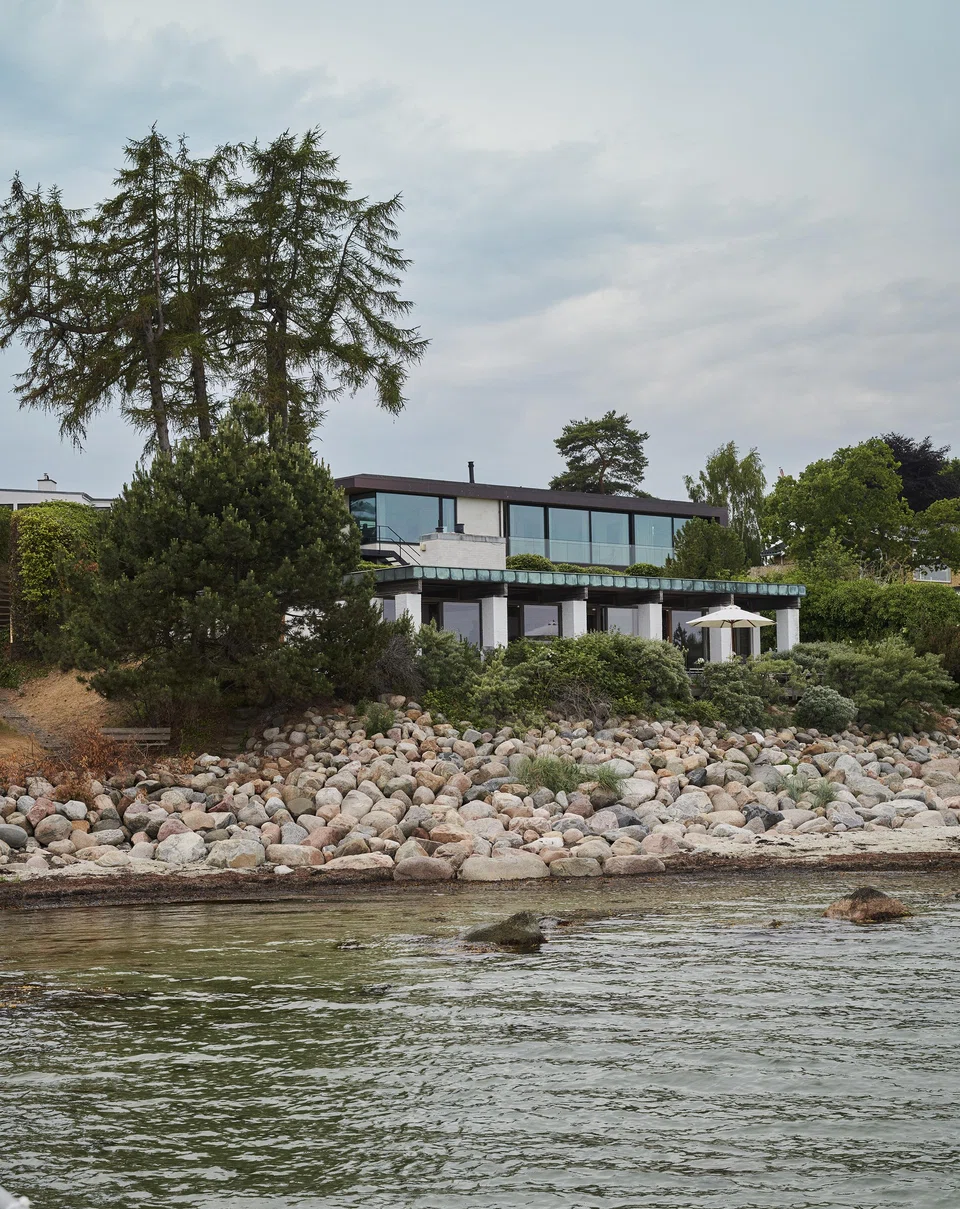
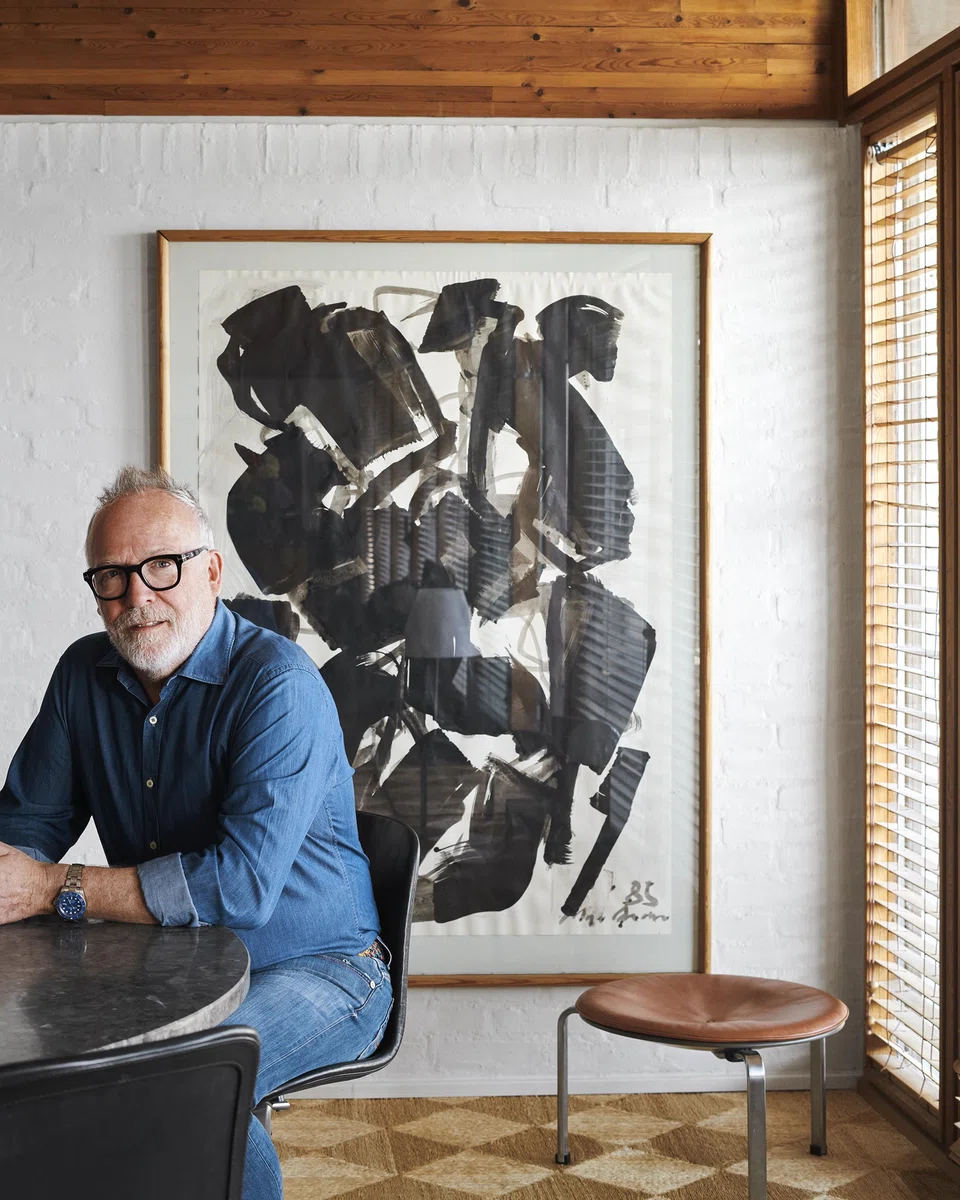
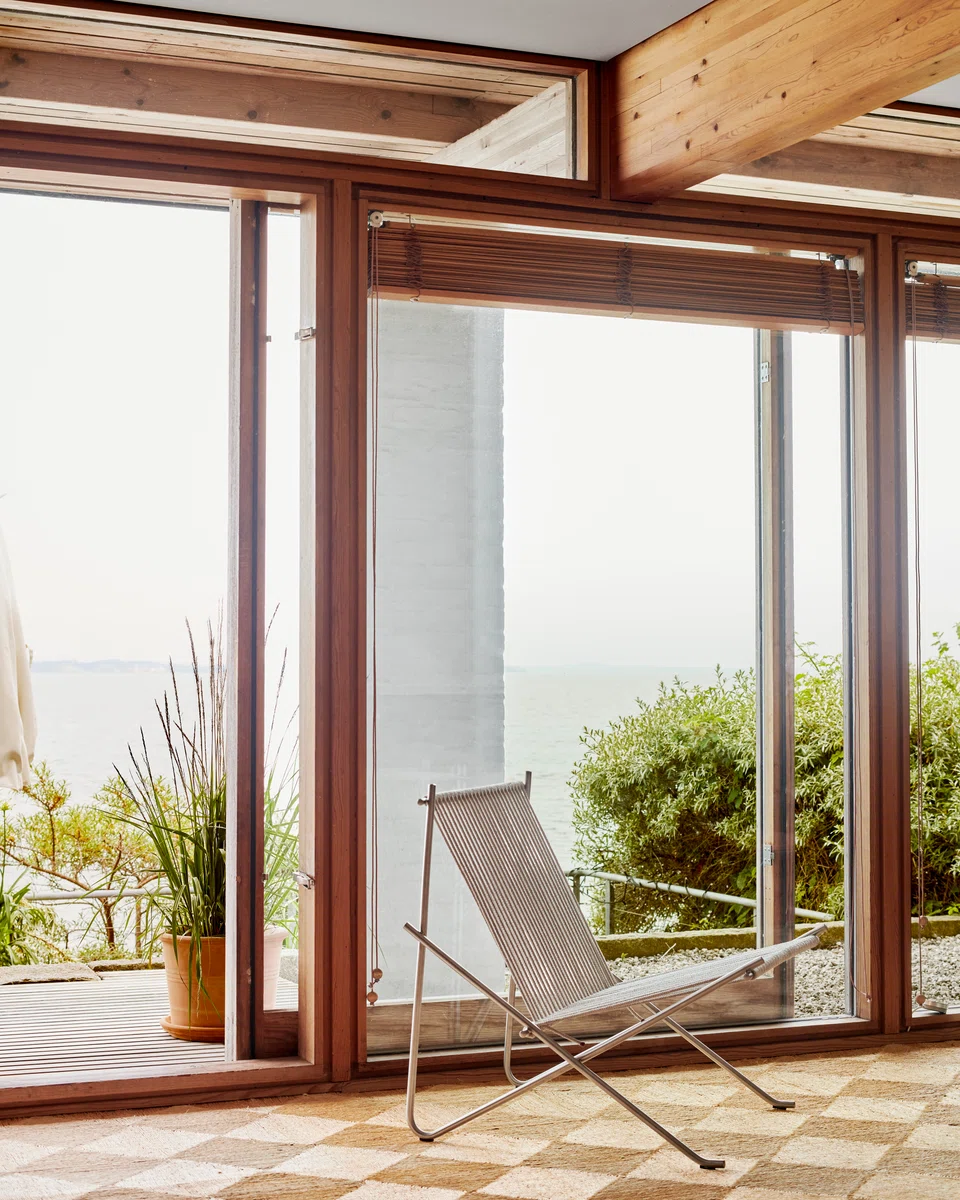
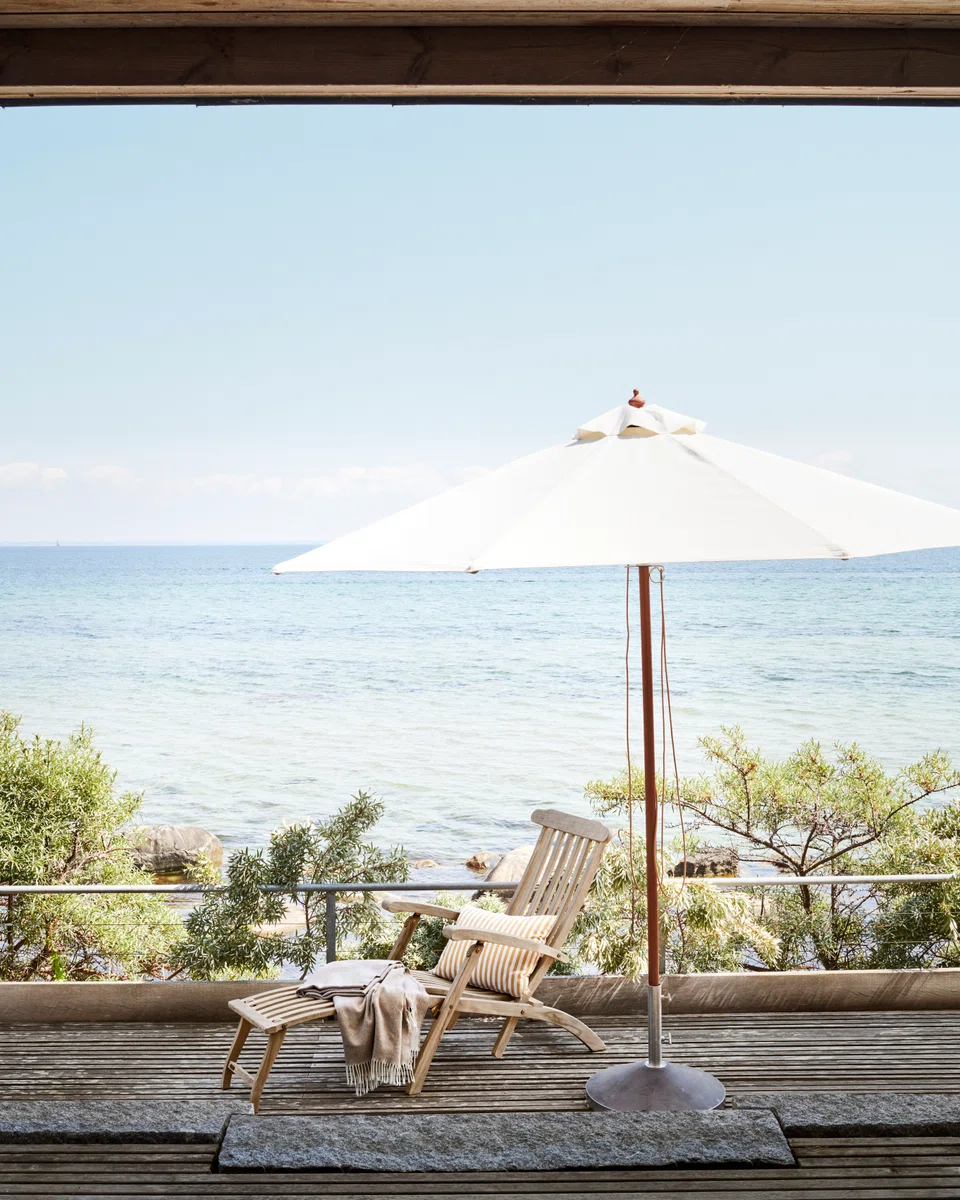
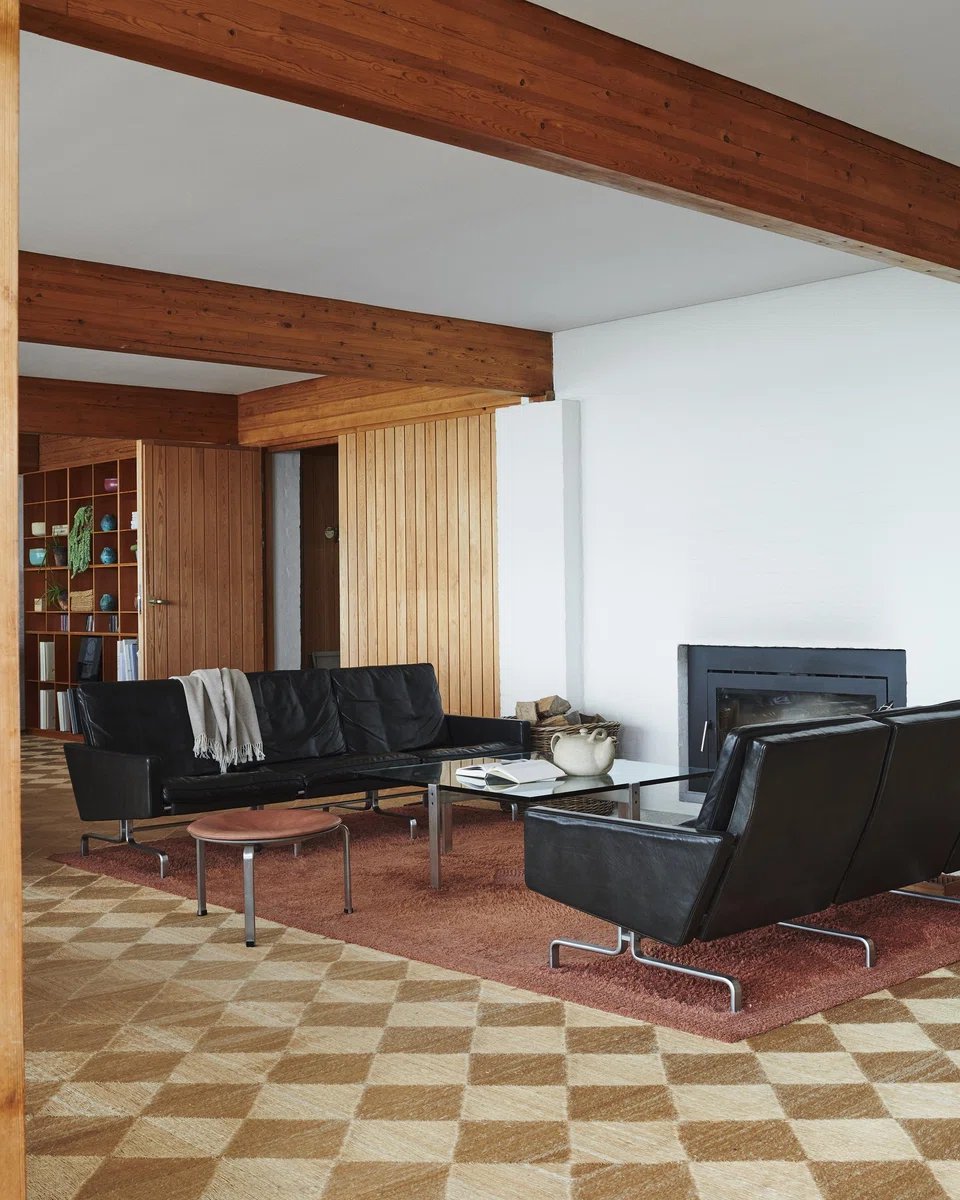
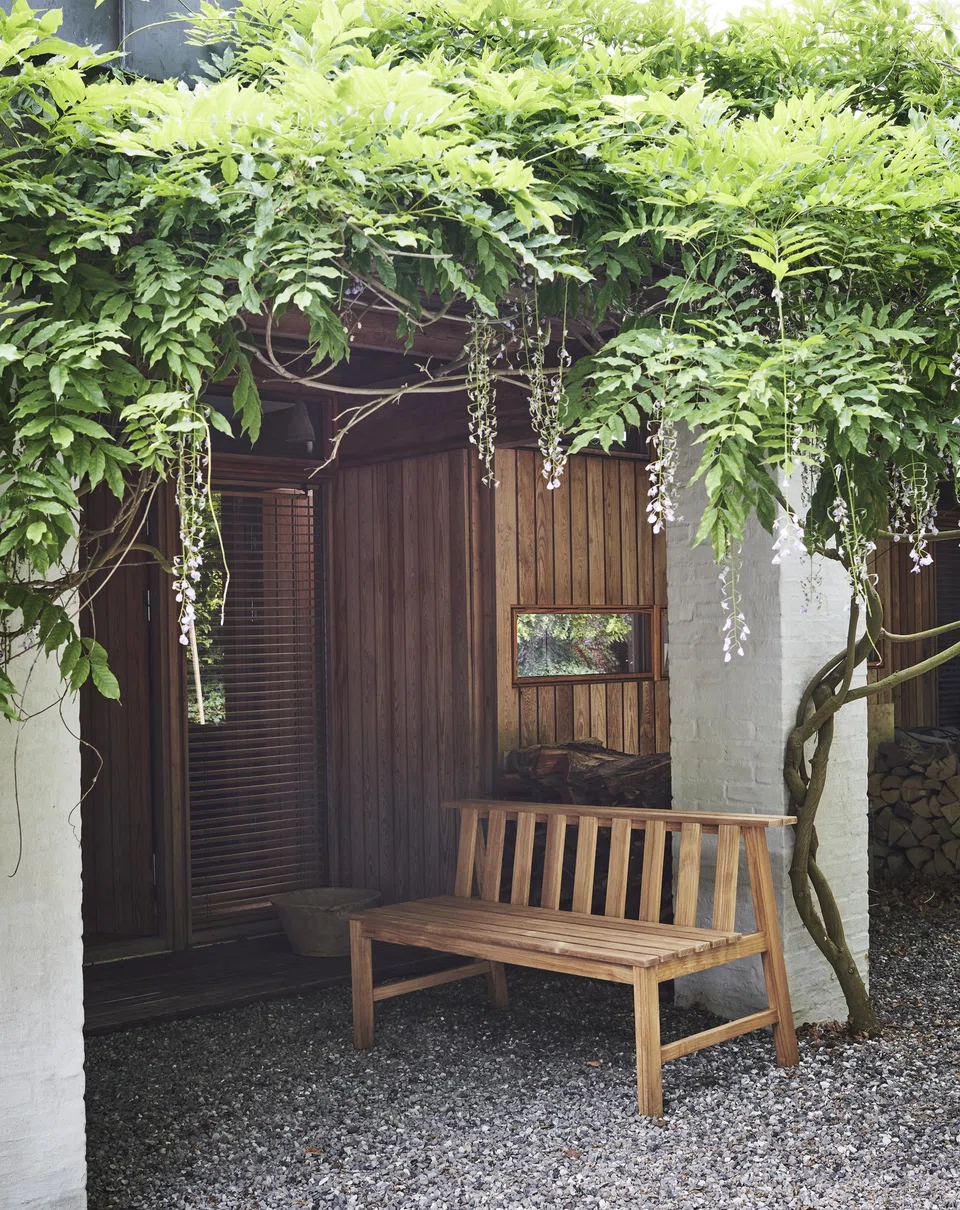
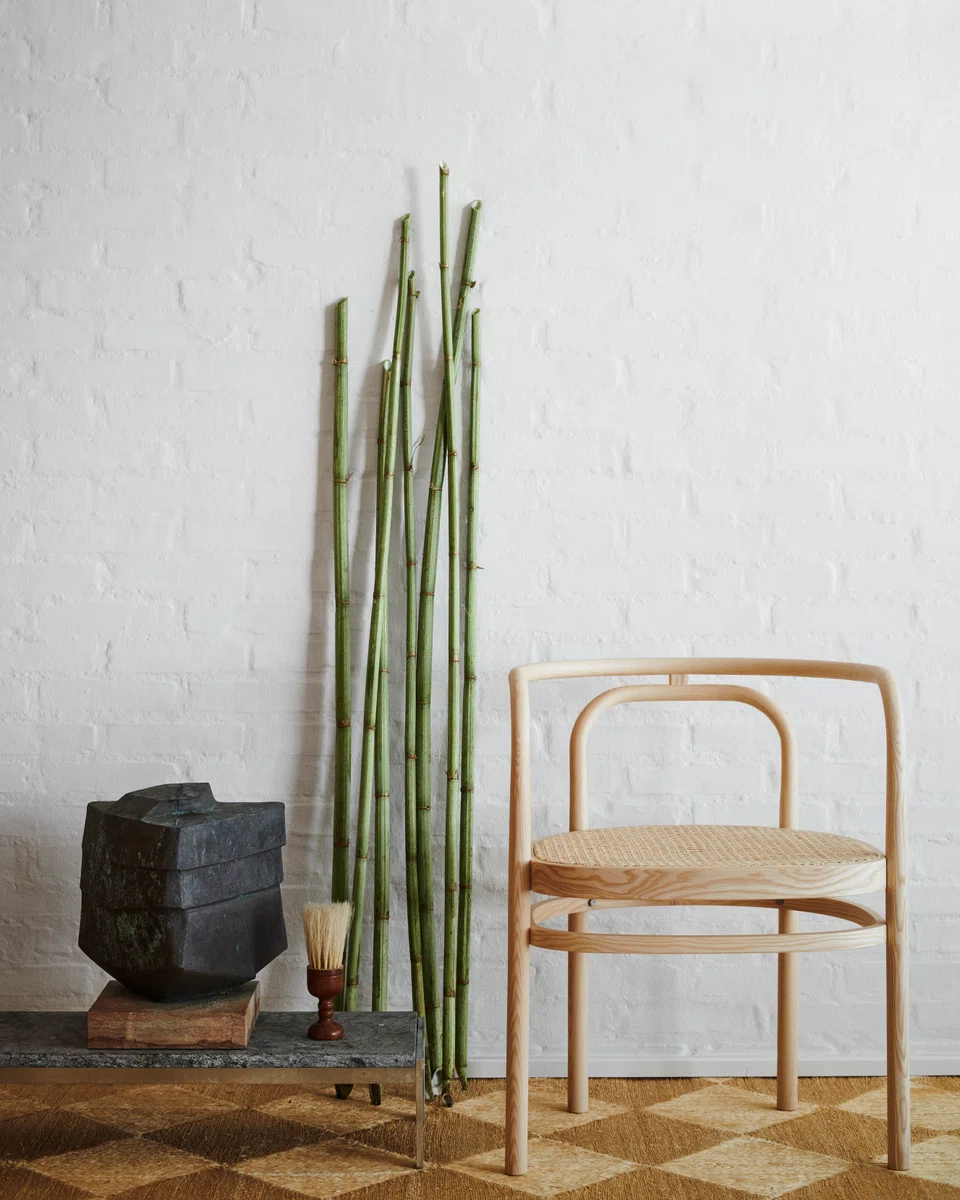
EVERY MORNING, THOMAS KJAERHOLM PLUNGES into the Oresund Strait in front of his house. “I wake up early and go swimming in the sea before my workday starts at the Kjaerholm store,” says the son of the late designer Poul Kjaerholm, whose creations were the paragon of Modernist Danish furniture design, some of which are in the permanent furniture collection of the Museum of Modern Art in New York.
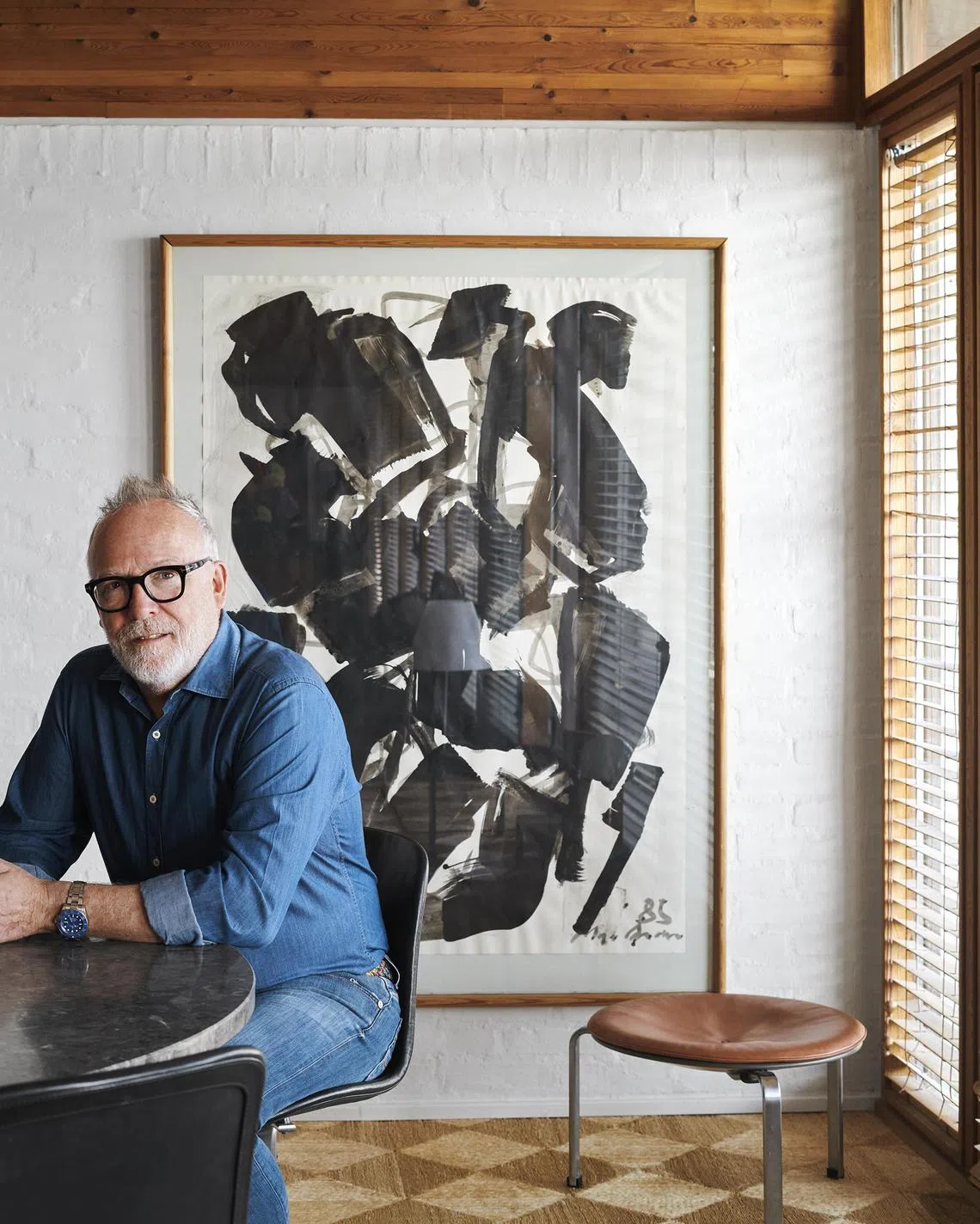
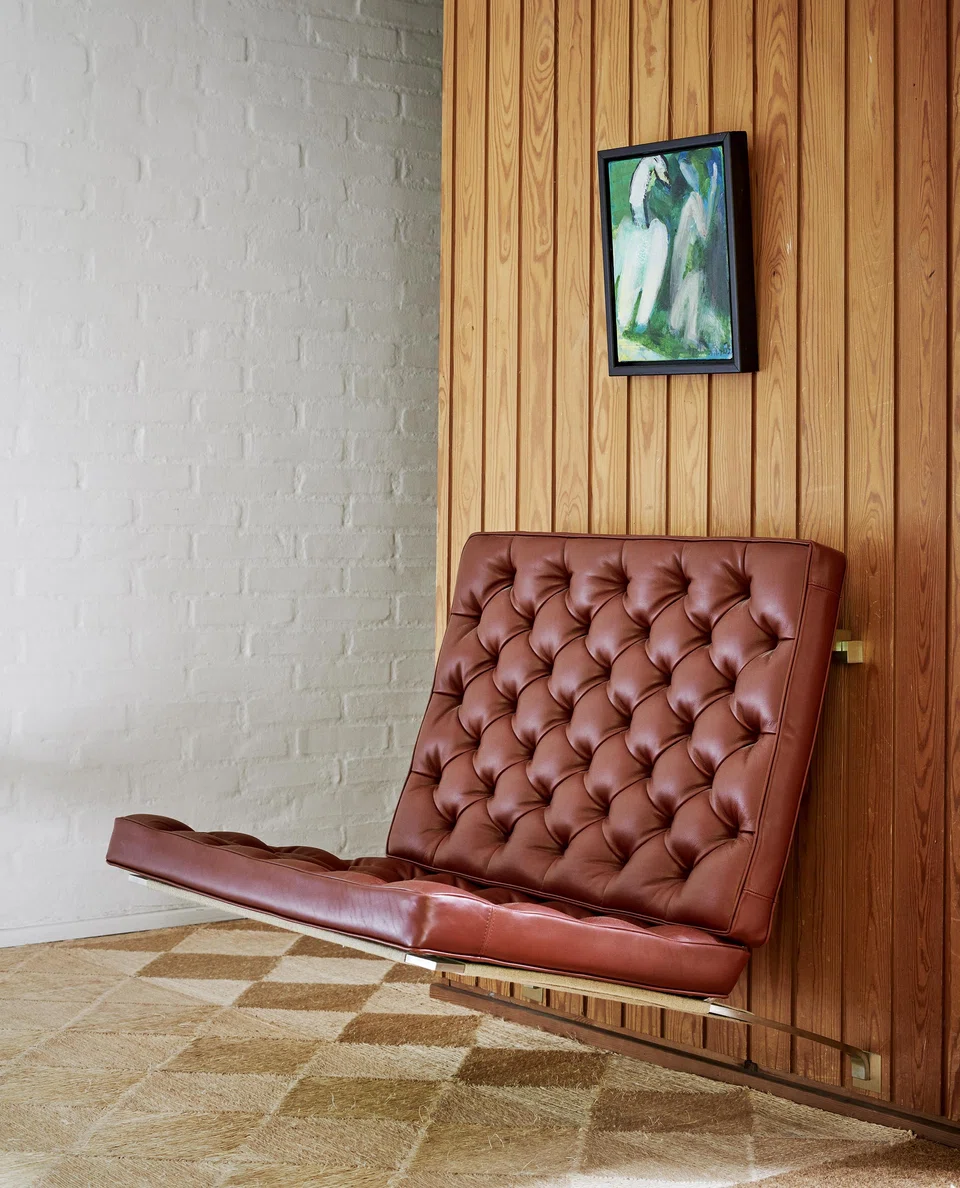
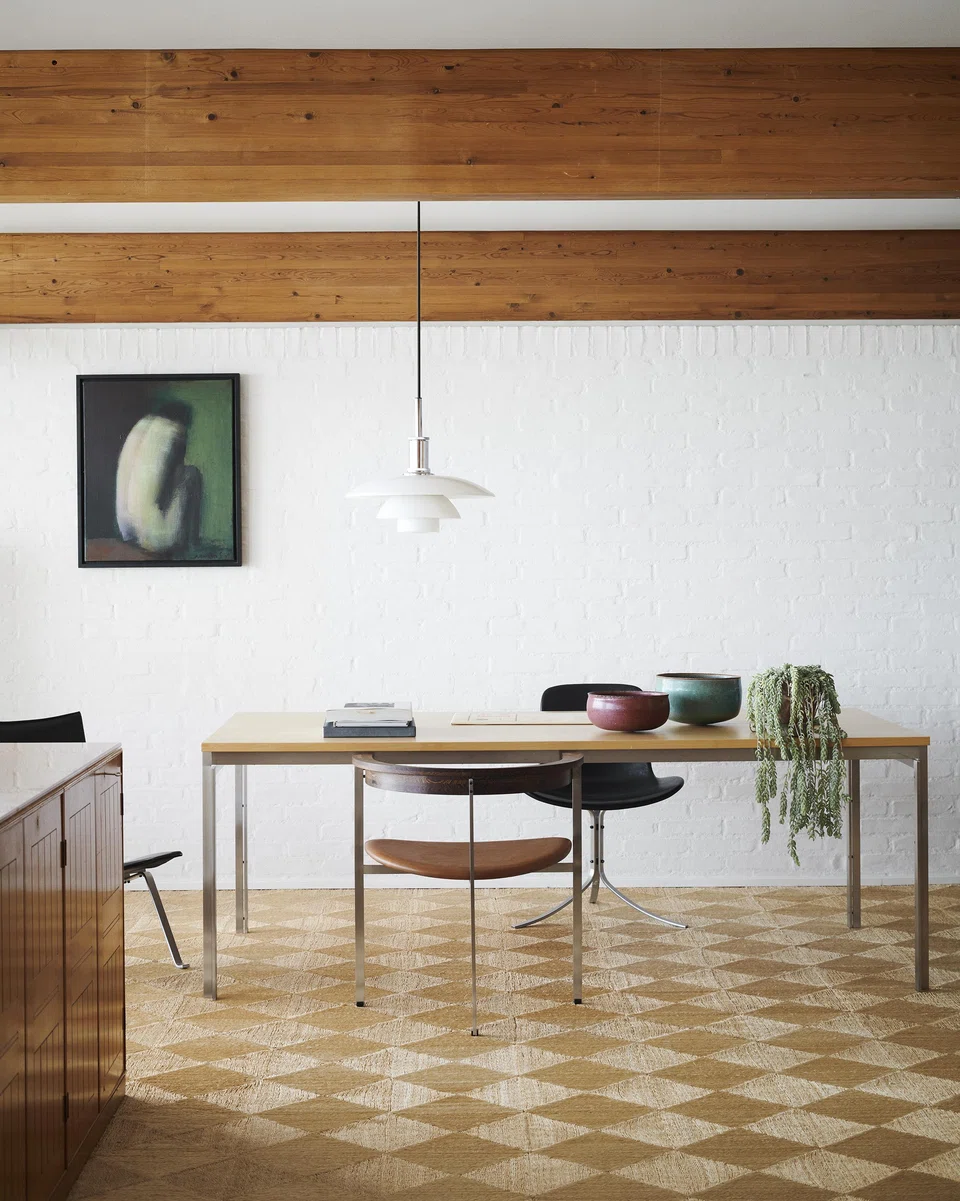
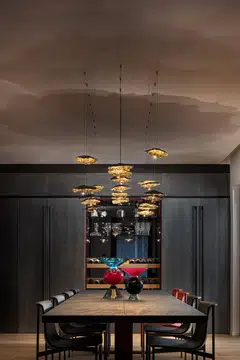
The house at Denmark’s Rungsted Coast was built by his mother Hanne Kjaerholm and furnished by his father with his own works. There is the PK54™ dining table with a Fauske marble top on a square satin polished steel frame, encircled by PK15™ steam bent Ash wood chairs. At the study area, the PK9™ chair’s trio of satin-brushed stainless spring steel legs tiptoe elegantly on woven sisal flooring.
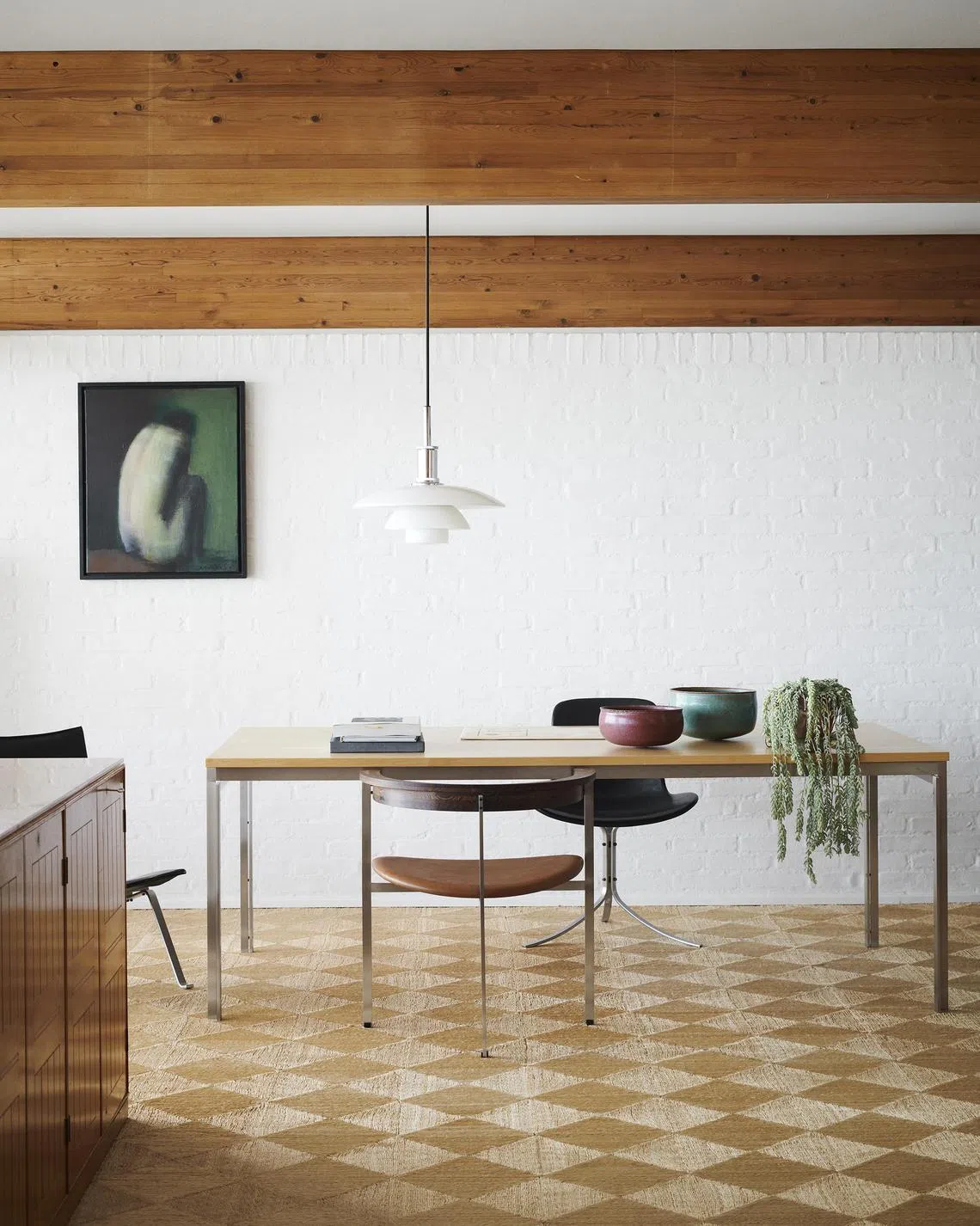
In fact, many of Poul’s pieces were designed for his own home. Since 1982, Fritz Hansen has been producing them when Hanne passed on the rights to the Danish furniture manufacturer after Poul’s premature death from cancer in 1980. While not involved in new launches, the family are consulted on colour and material choices.
Here in the 145 square metre Villa Kjaerholm, Thomas continues to use the furniture (many are re-issues but remain authentic to Poul’s designs) like how he did many years ago as a young boy growing up in the house with his sister Krestine. He was formerly a cabinet maker (or mobelsnedker) in the workshop of furniture company PP Mobler.
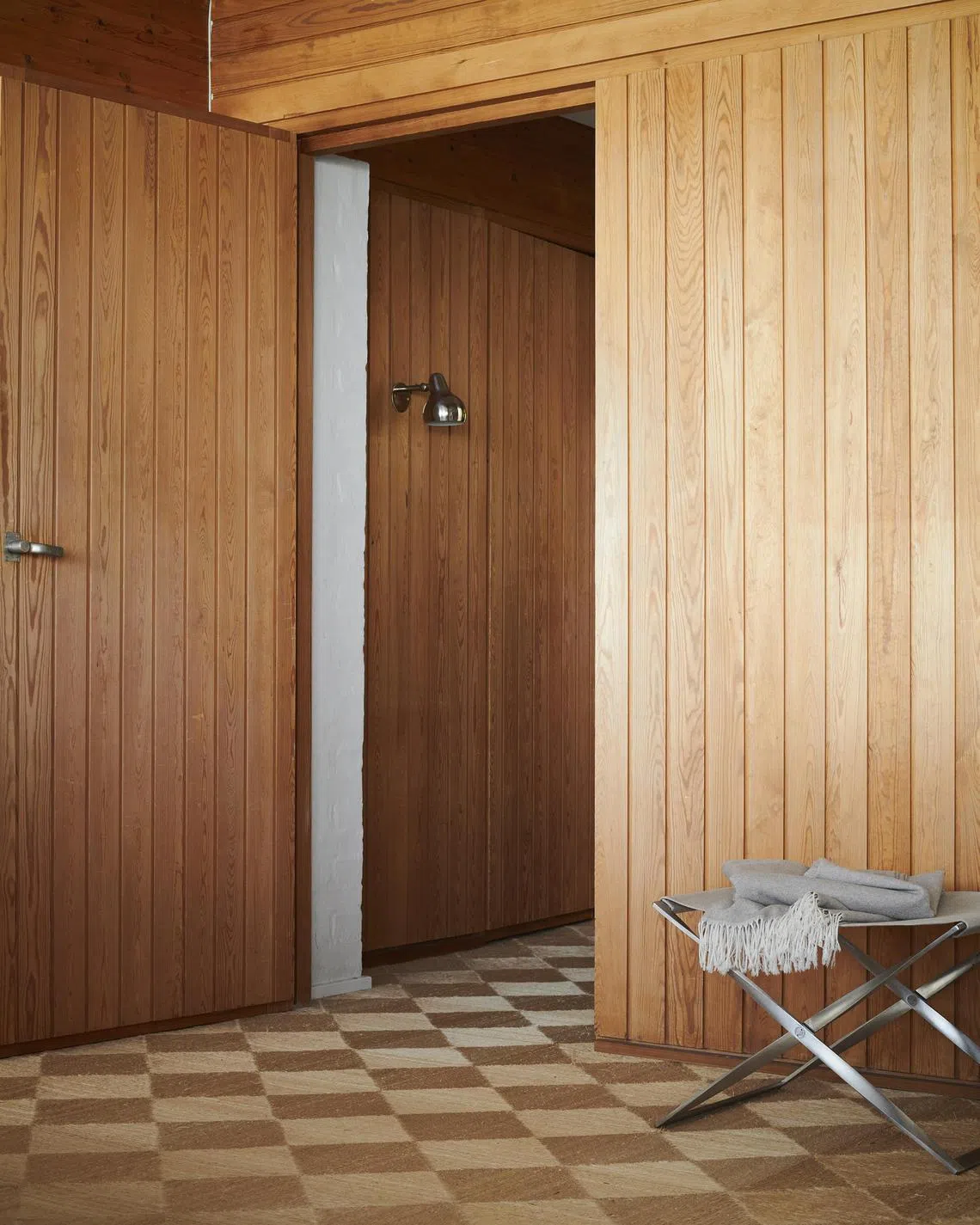
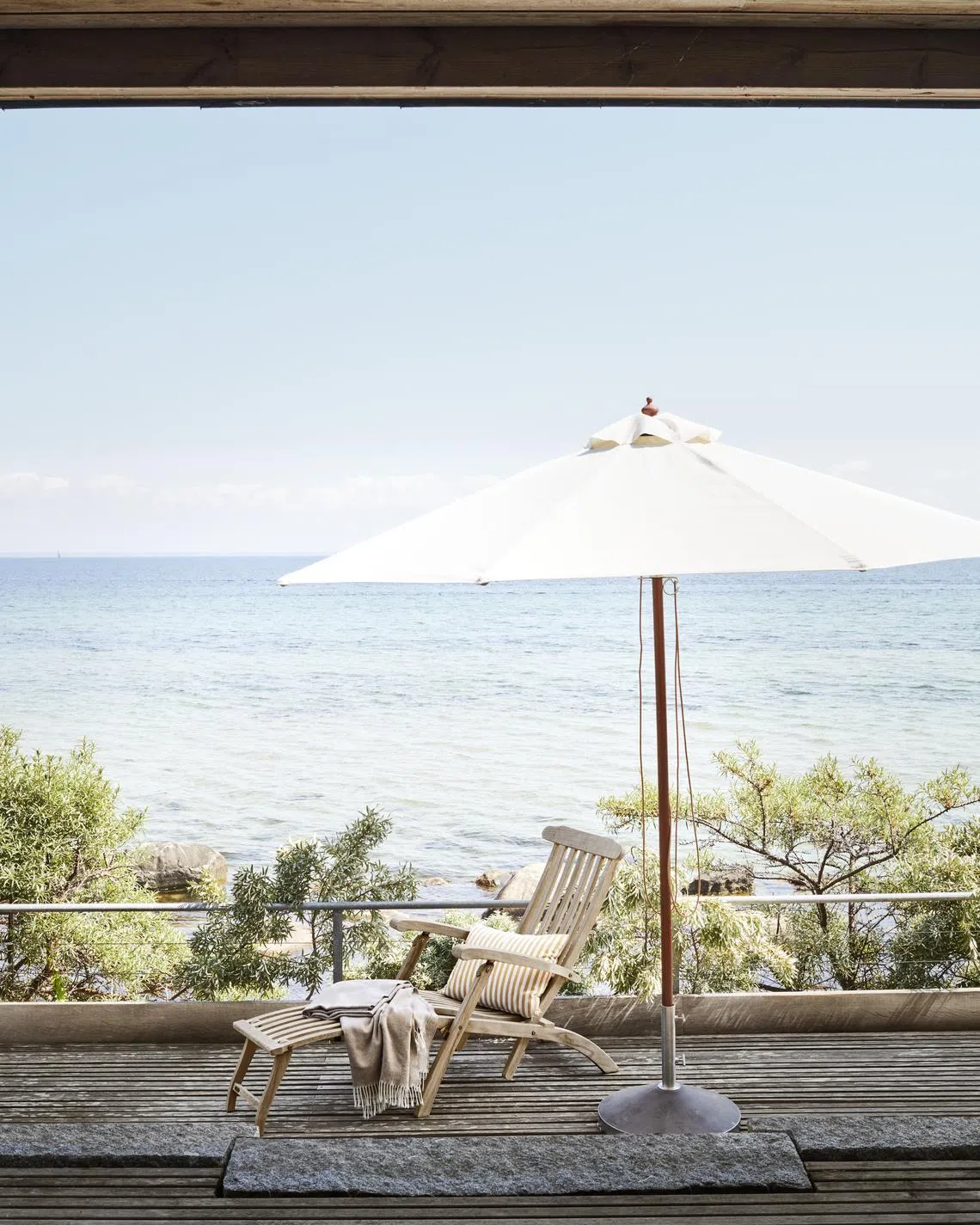
Eleven years ago, Thomas relocated back to the family home with his wife and two children after living in Horsholm (north of Copenhagen) for about 20 years. Of the residential neighbourhood in Rungsted, the genial, moustached Thomas describes: “It is very low key. It’s located very close to a forest, the Karen Blixen (author of Out of Africa) Museum, a golf course, and of course, to the sea. During the summer, we spend a lot of time on the terrace and the beach to make the most of the beautiful local nature and good weather.”
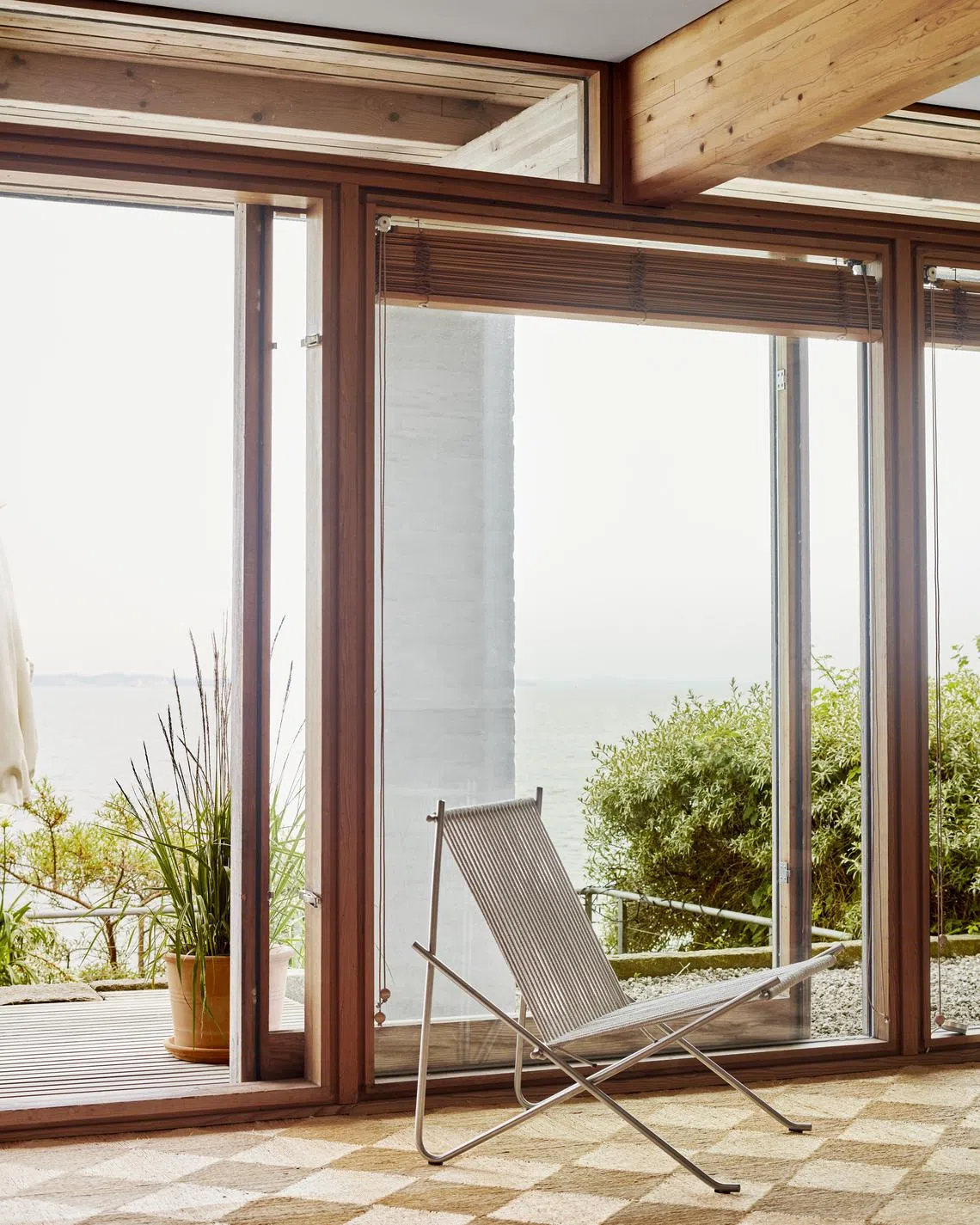
After returning, he kept the house mainly as it was. The kitchen was renovated as per his mother’s drawings and the original floor heating system repaired. “The house is protected so no other changes are permitted,” Thomas explains.
Poul and Hanne had chosen to build a house here as the forest and sea of Rungsted reminded them of their childhood environment in rural Jutland on the northern peninsula of Denmark. “They were from the same town in Jutland but they had met in Copenhagen,” highlights Thomas. Born in 1929, Poul went to Copenhagen to train as a cabinet maker at the Danish School of Arts and Crafts.
His interest in making things was noticed by his parents. “My grandfather was a grocery store owner. My father was very interested in art from an early age and found out that his parents knew a cabinet maker. It was at their suggestion that after finishing schooling, becoming a cabinet maker might be a good fit,” Thomas shares.
Initially, Poul trained with a coffin maker in his hometown. “However, it was not an industry he got much satisfaction from,” stresses Thomas. “In his free time, he painted and drew, and eventually got into art school. At first, the idea was that he would train to be an artist, but soon he changed his direction to carpentry and furniture design.”
SEE ALSO
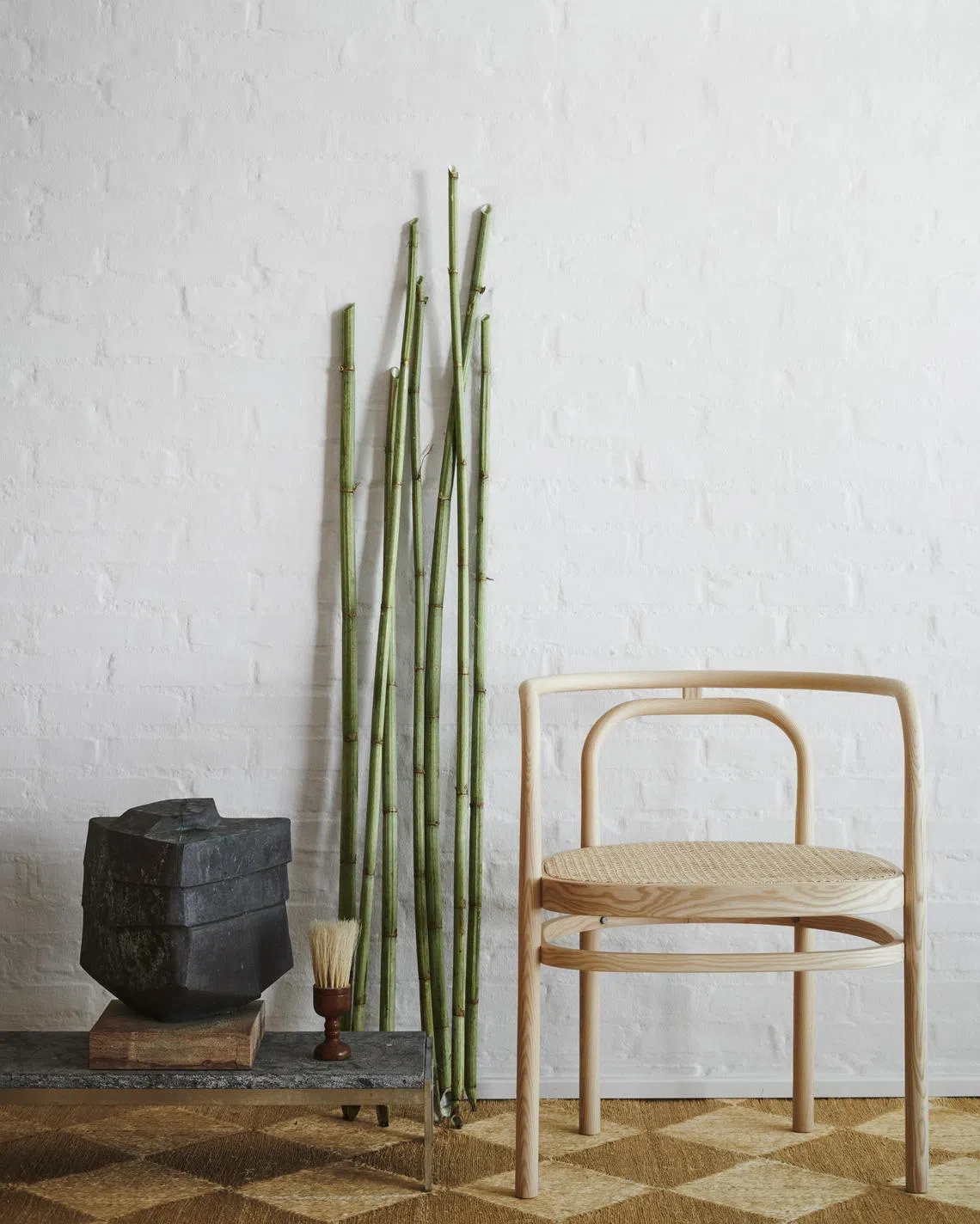
While Poul was schooled in wood, he wanted to respond to the opportunities of industrialisation, albeit from an artisanal mindset. He approached materials such as steel the way woodworkers craft their material – with precision and harnessing the best of the material’s potential rather than working against them. One result is the PK25™ lounge chair (also known as the Element chair). Designed for Poul’s final graduation project in 1952, a single continual steel piece is bent to become legs and a base for a flag halyard seat.
Subsequently, the designer joined Fritz Hansen as an assistant to Danish designer Arne Jacobsen. Growing impatient that his designs were not being realised, Poul left the company and started working with furniture manufacturer Ejvind Kold Christensen in 1955.
Hanne, whom Poul married in 1953, was equally illustrious. She had studied architecture at the Royal Danish Academy School of Fine Arts and was a successful architect in her own right. Thirty years later, she became the first woman to be appointed professor at the academy’s architecture department. Her career saw her designing many museums in the towns of Holstebro and Odense, as well as homes.
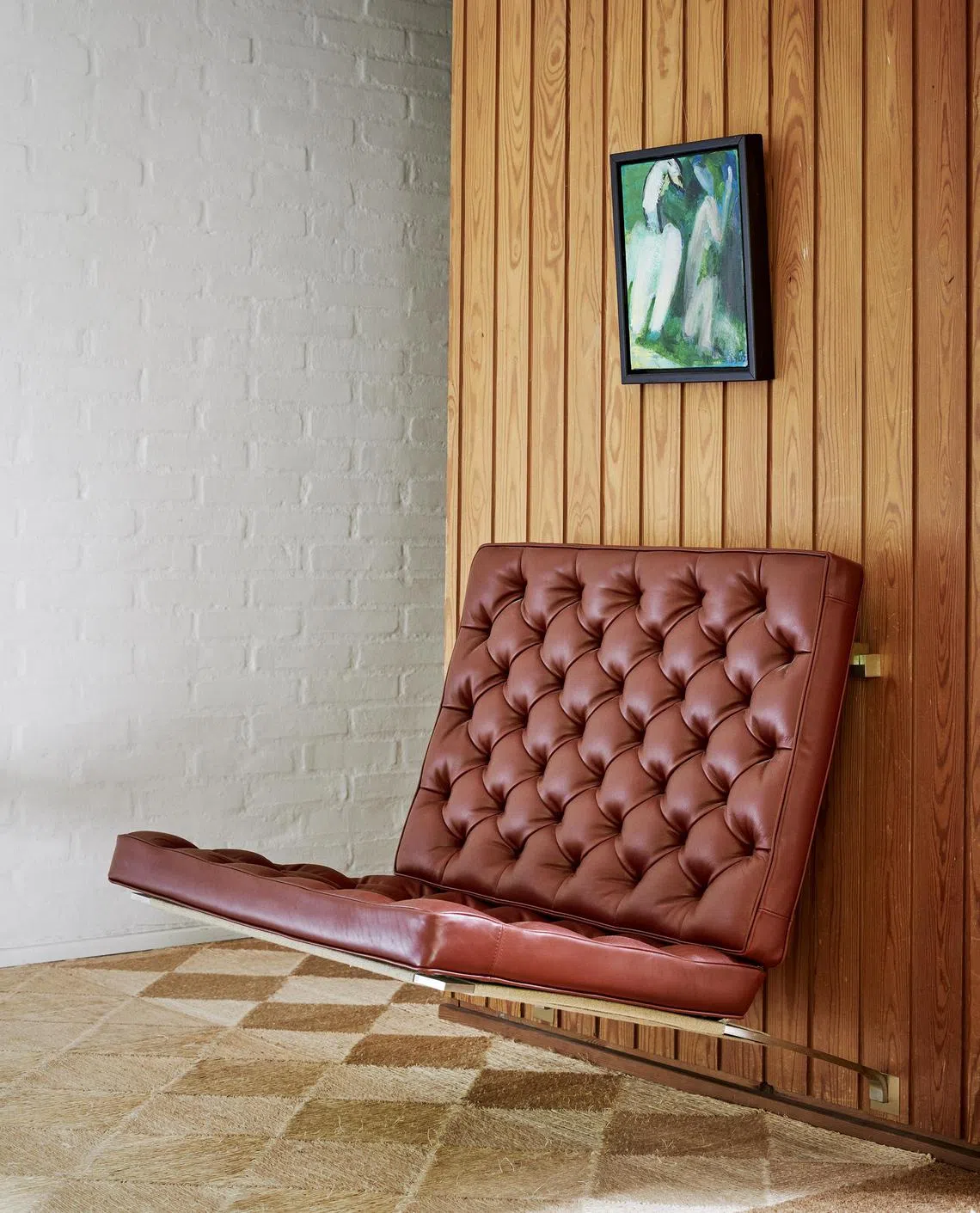
Simultaneously, the couple both taught at the academy. “In fact, for most of their lives, they were teachers and during the weekends, they would do their own projects,” says Thomas. For their house, a white-painted brick structure frames large panes of glass that look out to the sea and sky. The material was expressed similarly on the inside as it was on the outside, without embellishment and left exposed for ageing by time.
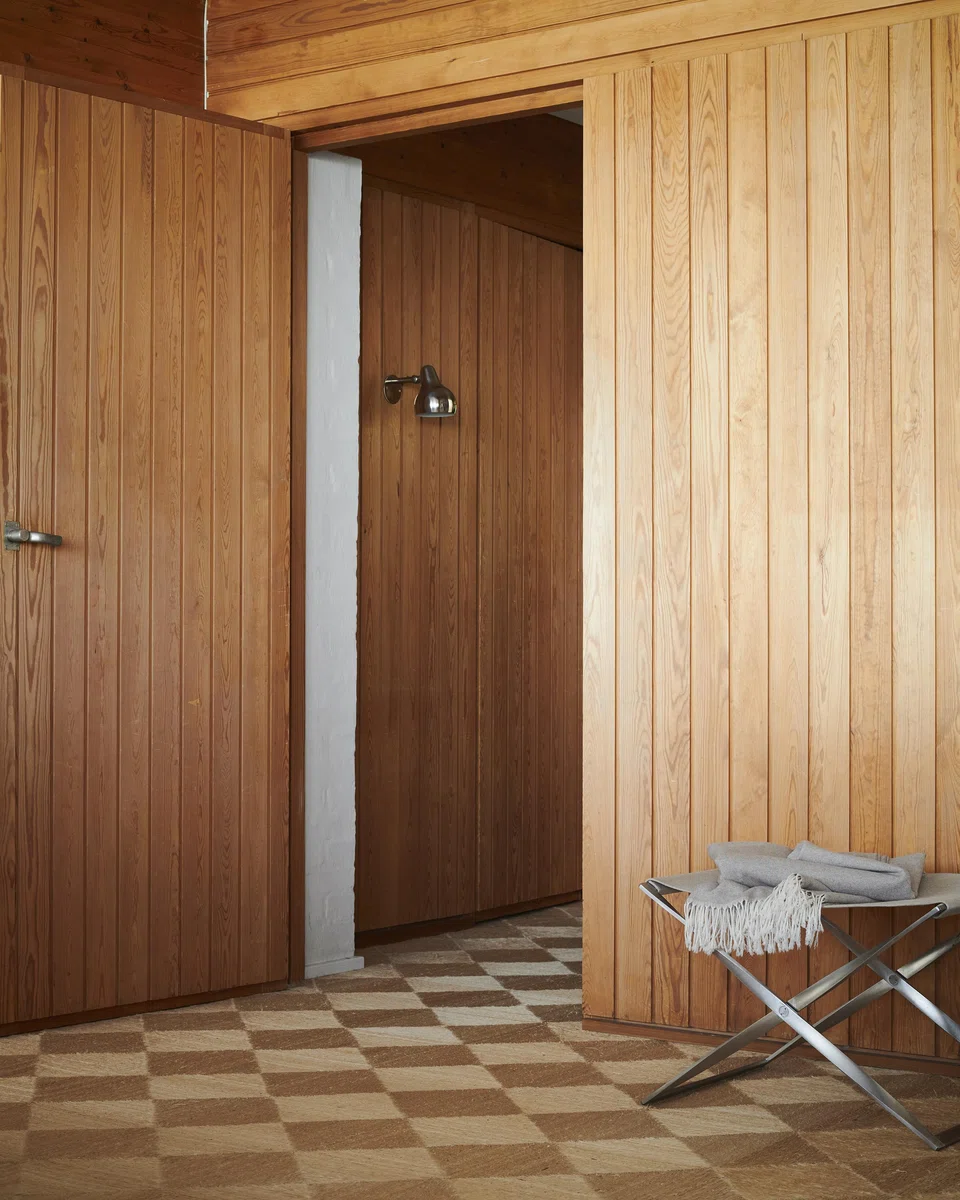
“My mother drew inspiration from Japanese traditional housing, yet found it important to remember the surroundings,” says Thomas. A flat roof edged with oxidised copper was capped with sedum, blending it into the surrounding landscape. Inside, stained wood structure, doors and panels were cohesive with the external palette.
When visiting his friends, Thomas realised their house was an anomaly. Hanne had drawn from tradition but provided a modern interpretation of material and structural expression – not unlike her husband. Elaborates Thomas: “The home my mother designed for us was very different from anything in the neighbourhood. The house was built on the space of a former tennis court, and so the columns and the beams are components from the previous structure that she merged into the architecture of our home.”
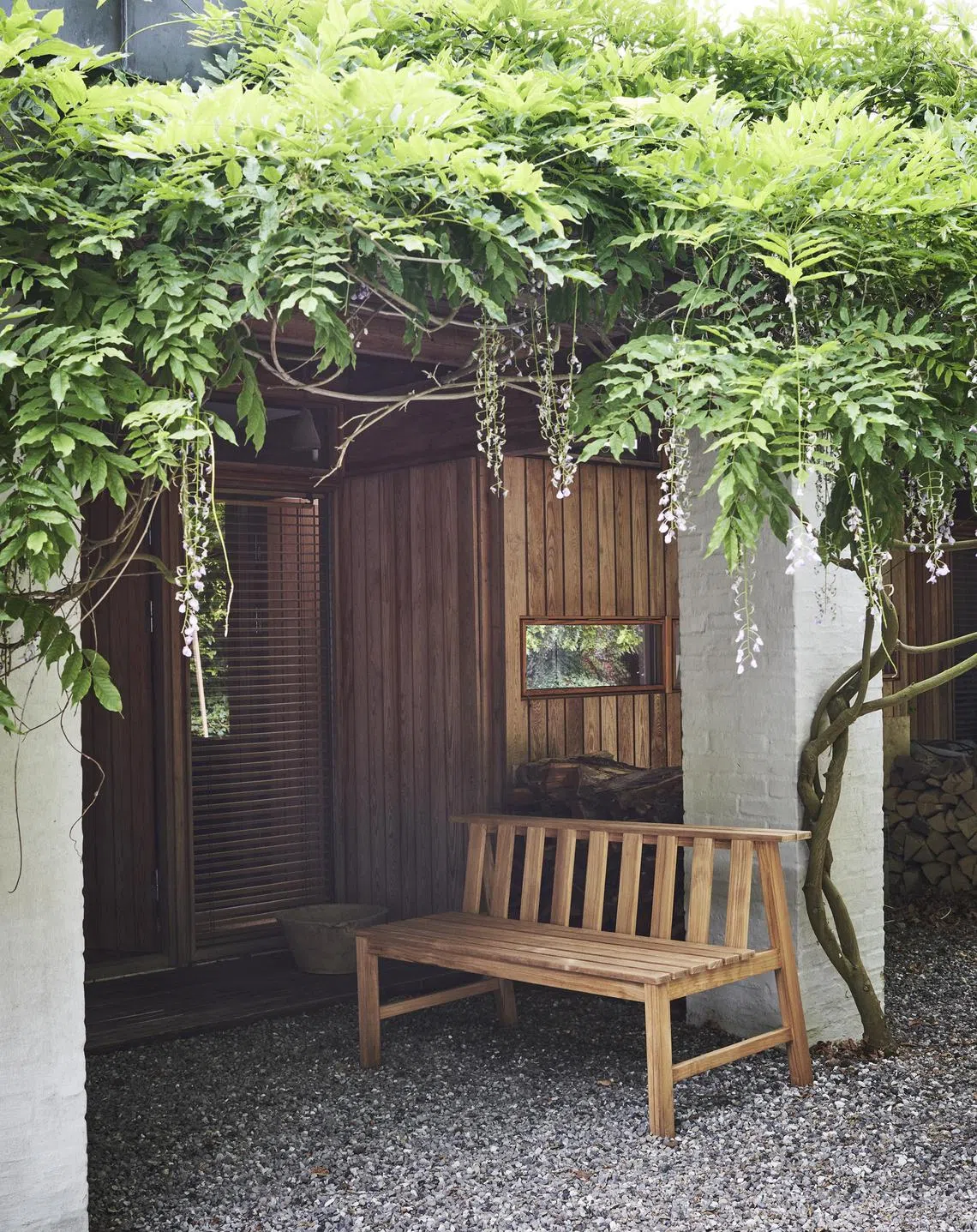
One enters the house from the western side, which has intimate proportions. “We had two separate entrances into the house – one main door where guests were welcomed, and a backdoor where my sister and I usually entered after school. We had a playroom next to the entrance where we would do our homework and play with our toys,” says Thomas. The siblings also played a lot on the nearby beach and a small boat they had.
Together with the children’s bedrooms, the toilets, kitchen and master bedroom were contained in the house’s core. These spaces delayed the sumptuous view of the sea, which became a permanent backdrop to the 15-metre-long open living, dining and study areas at the end of this carefully planned sequence. “At the time it was designed, having three rooms – study, living and dining – in one space was quite unconventional,” says Thomas. “The light, the proportions, the proximity to water, the connection to nature and the human scale in the room were particularly important to my mother.”
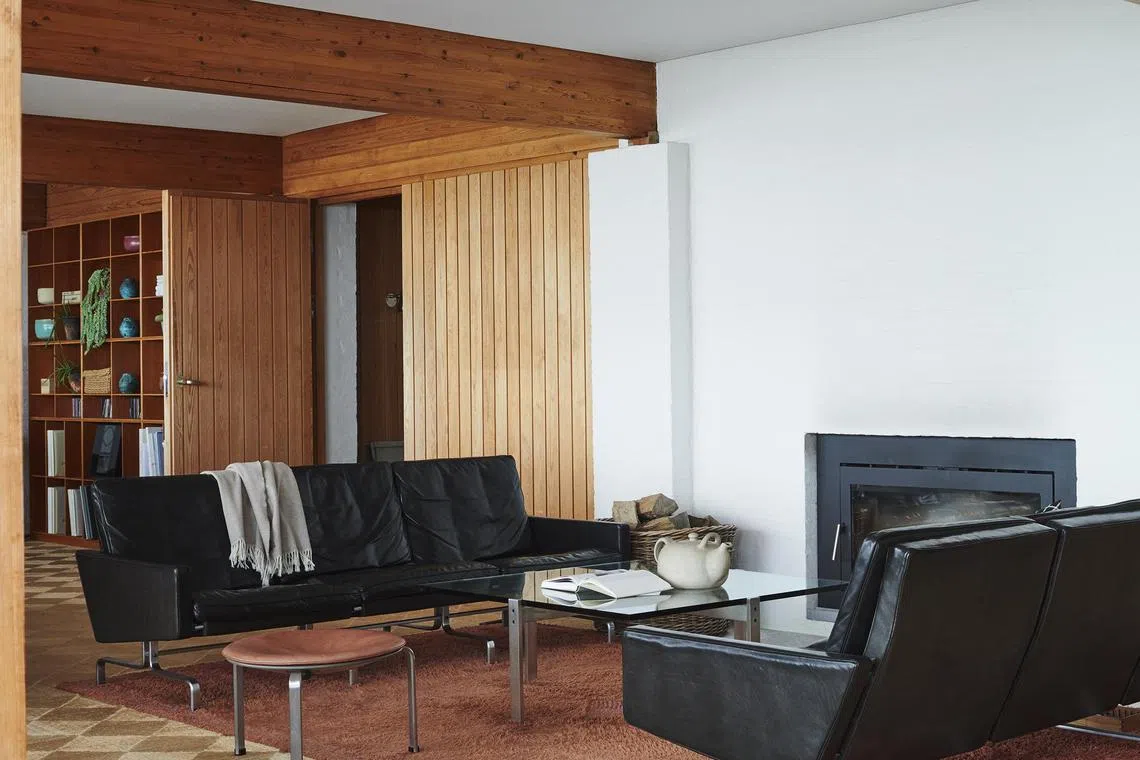
Underfoot, the chequered sisal flooring looks as new as it was many years ago, thanks to Hanne’s far-sightedness. “The carpet is made of small sisal rugs measuring 30 x 30 cm. They were handmade in Haiti and imported by Kold Christensen in the late 1950s. At the time, my parents bought three times as much as required, understanding that eventually, carpets need to be replaced,” says Thomas.
In a home like this, there are many tales to be told and lessons to be shared. It was built in 1962 but like Poul’s furniture, remains functional, timeless and pure.
Fritz Hansen presented The Poul Kjaerholm Exhibition in Seoul from May 31 to Jul 7. It moves to Kyoto in December.
Decoding Asia newsletter: your guide to navigating Asia in a new global order. Sign up here to get Decoding Asia newsletter. Delivered to your inbox. Free.
Share with us your feedback on BT's products and services
TRENDING NOW
Simba ordered to pay S$700,000 in damages to indoor skydiving operator Altitude Xperience for trespass
Malaysian tycoon Vincent Tan’s sell-downs point to pruning rather than an exit plan
Asean must retain more value as its digital economy races towards US$2 trillion: Indonesian minister
Philippines-Vietnam US$10 billion trade push risks running into rice politics

