

Lessons from the High Arctic
An expedition cruise from Greenland to Canada shows that real luxury goes beyond butler service – it’s the opportunity to truly connect with local communities and culture
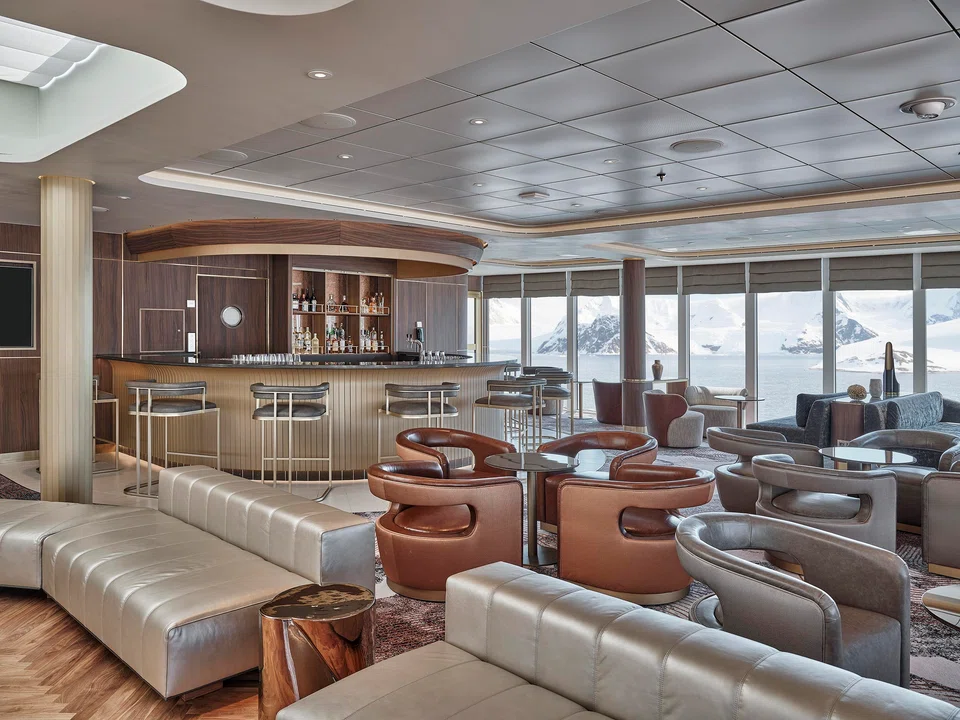
THE FIRST TIME LESLIE QAMMANIQ mentions suicide, we’re having dinner while gliding past sky-blue icebergs and pebbly bays in the middle of the Arctic. Her words intermingle with the clink of silverware and the soft fizz of champagne in the white tablecloth-dotted dining room, as if we were in a surreal dream.
But the truth is, for Inuit like Qammaniq, suicide is an all-too-common reality. From the 1870s, Canada subjected indigenous peoples to a horrific residential school system that forcibly removed children from their families to “assimilate” them into Western culture.
The schools – often run by churches – prohibited native languages, traditional practices and family connections. Physical, sexual and psychological abuse were endemic. Even after the last school closed in 1996, the impact of the programme continued to fissure the community.
“Those who had their kids taken from them didn’t know how to become parents,” says Qammaniq, a community justice specialist with the government of Nunavut, the Inuit people’s Canadian homeland and the country’s largest and northernmost territory. With little support available, many Inuit – and their children – turned to alcohol, drugs and suicide to numb the pain.
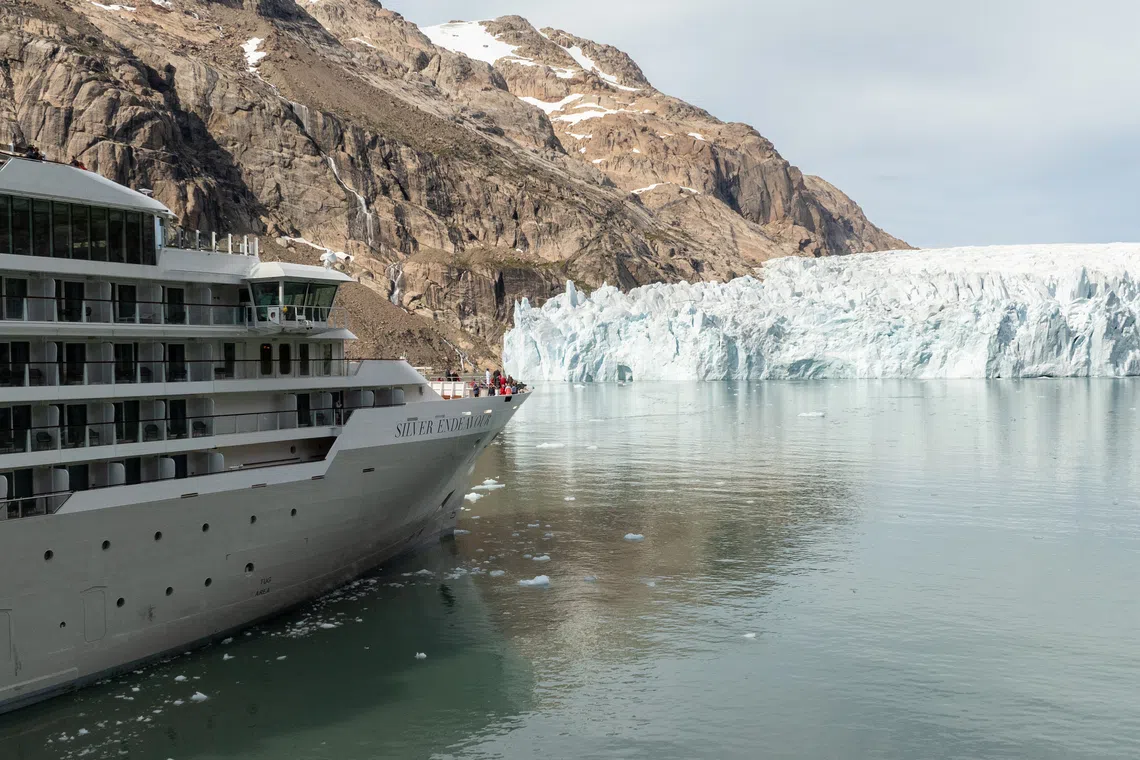
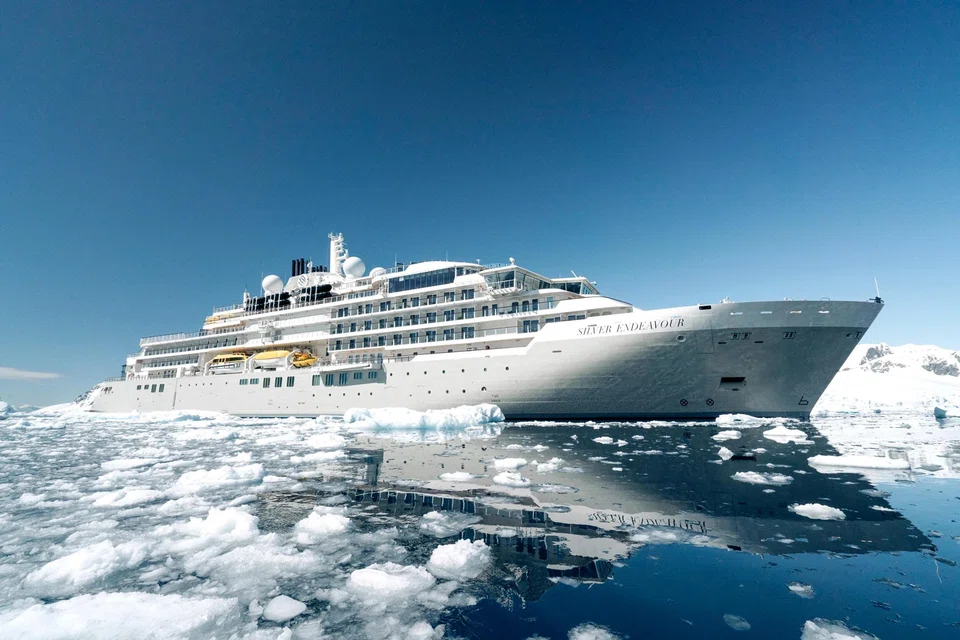
We weren’t expecting conversations like this when we boarded the Silver Endeavour in Reykjavik, Iceland, earlier this year.
We had signed up for a 19-day journey through Greenland and the Canadian Arctic – home to the Inuit, and the world’s last stronghold of summer sea ice. Silversea’s PC6 ice class-rated expedition cruise liner boasted an itinerary of breathtaking landscapes, wildlife spotting and access to remote realms that few get to visit.
Yet, these glimpses of brutality, juxtaposed against the unspoilt beauty, were what made this experience richer and more authentic for us.
Wild adventures
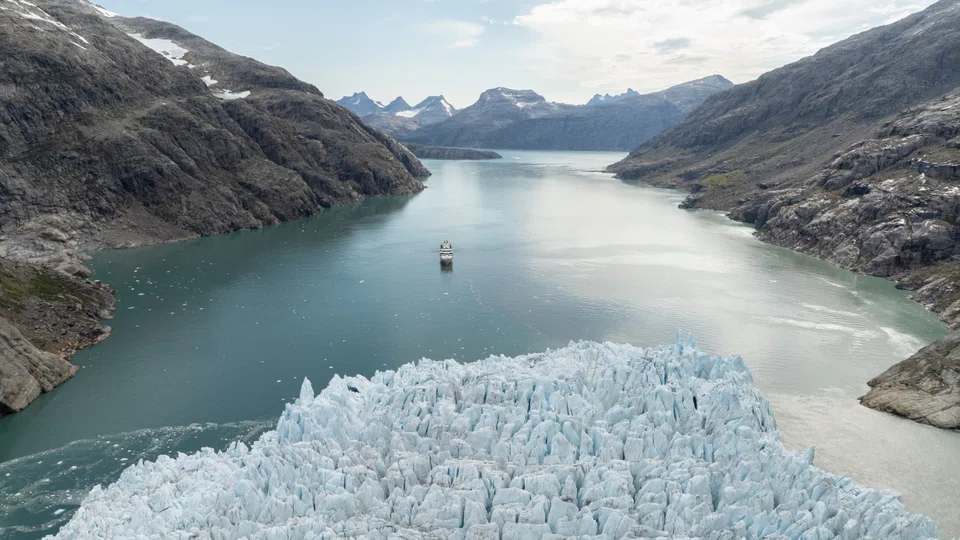
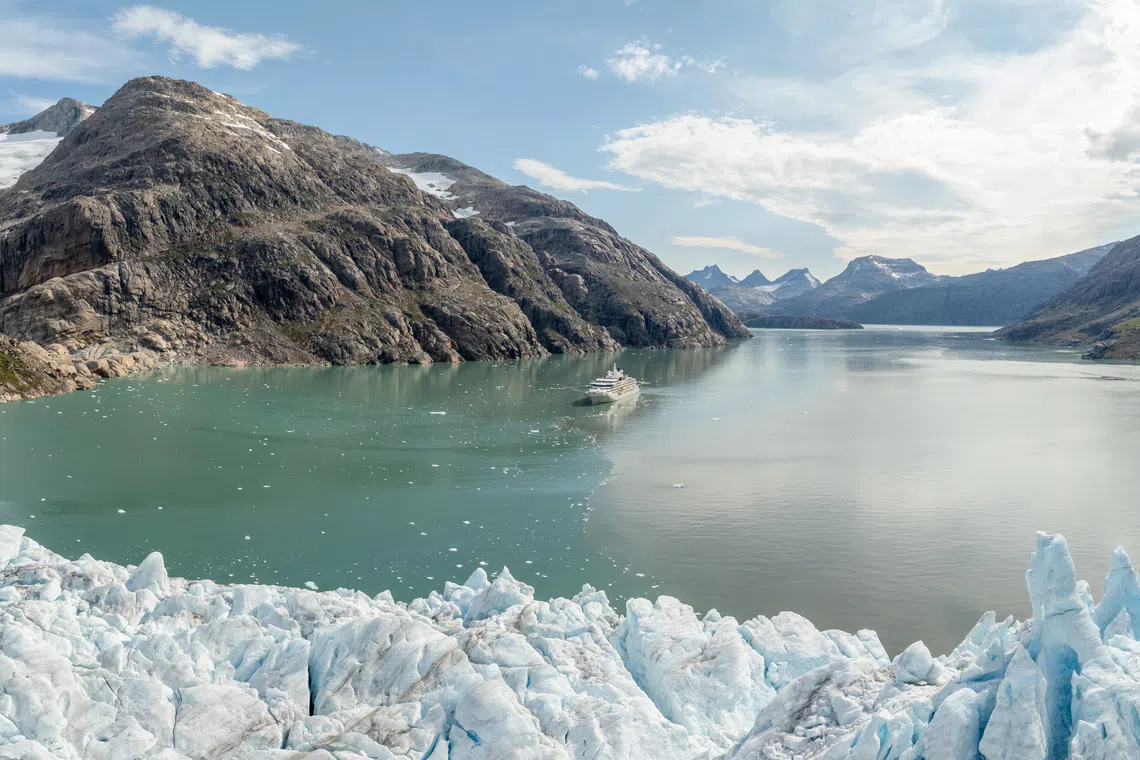
There was plenty of adventure, of course. On Day Three, after spending more than a day crossing the Labrador Sea flanked by ancient stone mountains that resemble wrinkled walruses, we reached Prince Christian Sound – a 100 km-long fjord that cuts through Greenland’s southern tip.
Marked by icebergs, with cliffs soaring from water so still that it mirrored every crag, the sight demanded a hushed reverence. It was broken only by the occasional crack of ice – and our Aussie neighbours in the next suite exclaiming: “God, I wish I had a good camera. Just look at that!”

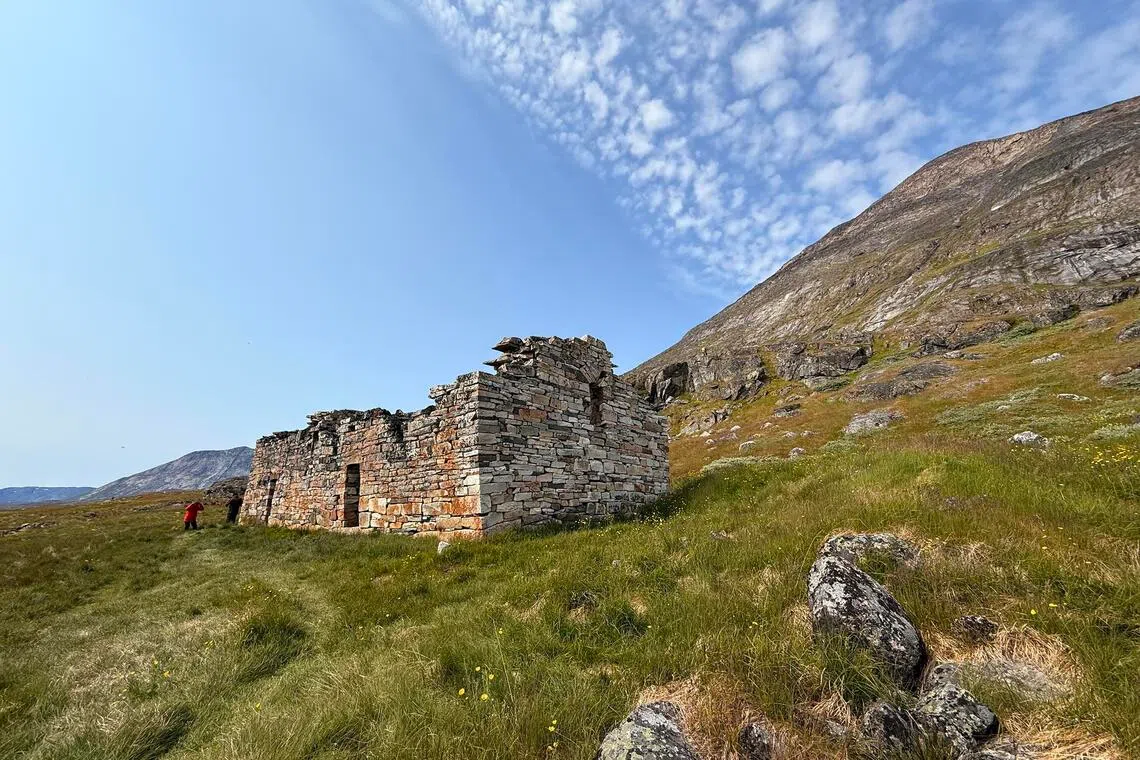
A couple of days later, we were trekking through the wildflower-strewn slopes of Hvalsey to visit the mysterious ruins of a Viking settlement. The church in this Unesco World Heritage Site was built in the Late Middle Ages, and is the best-preserved Norse ruin in Greenland – indeed, its stone walls have stubbornly withstood seven centuries of Arctic weather.
But little is known of the people who once lived here. The settlement’s last recorded event was a wedding in 1408, after which it simply vanished, leaving only rubble and questions behind. Climate change likely played a role, though the full story remains contested by historians.
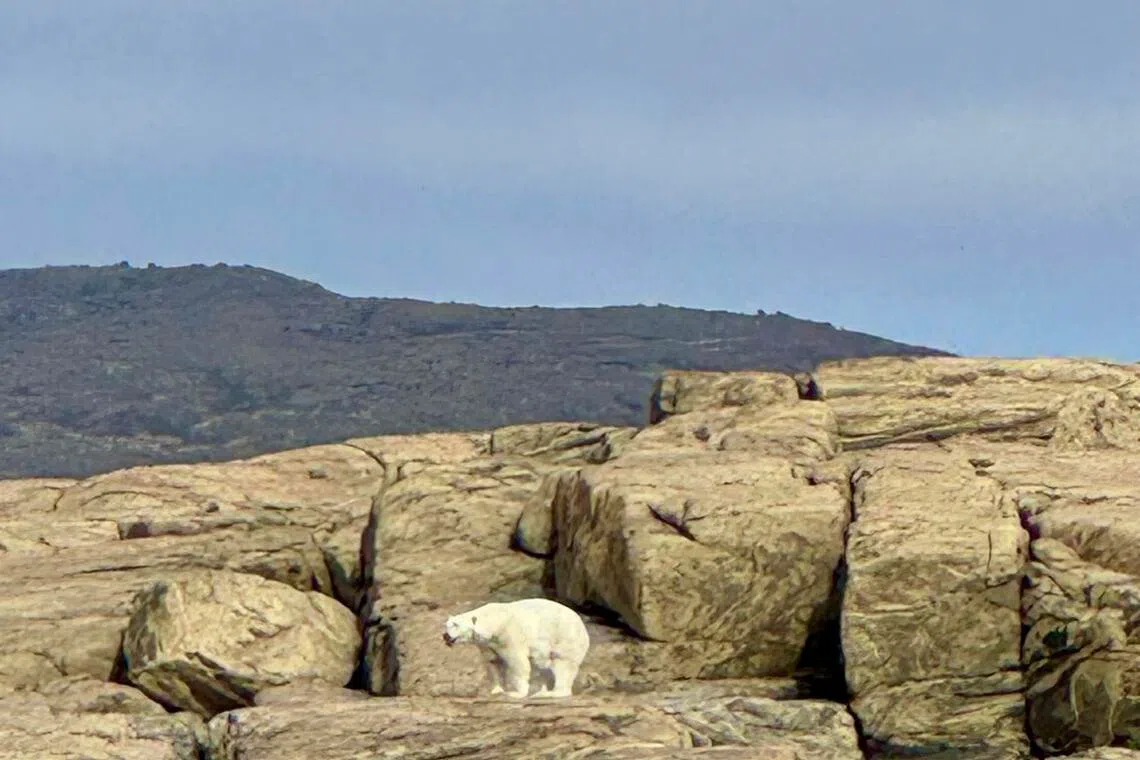
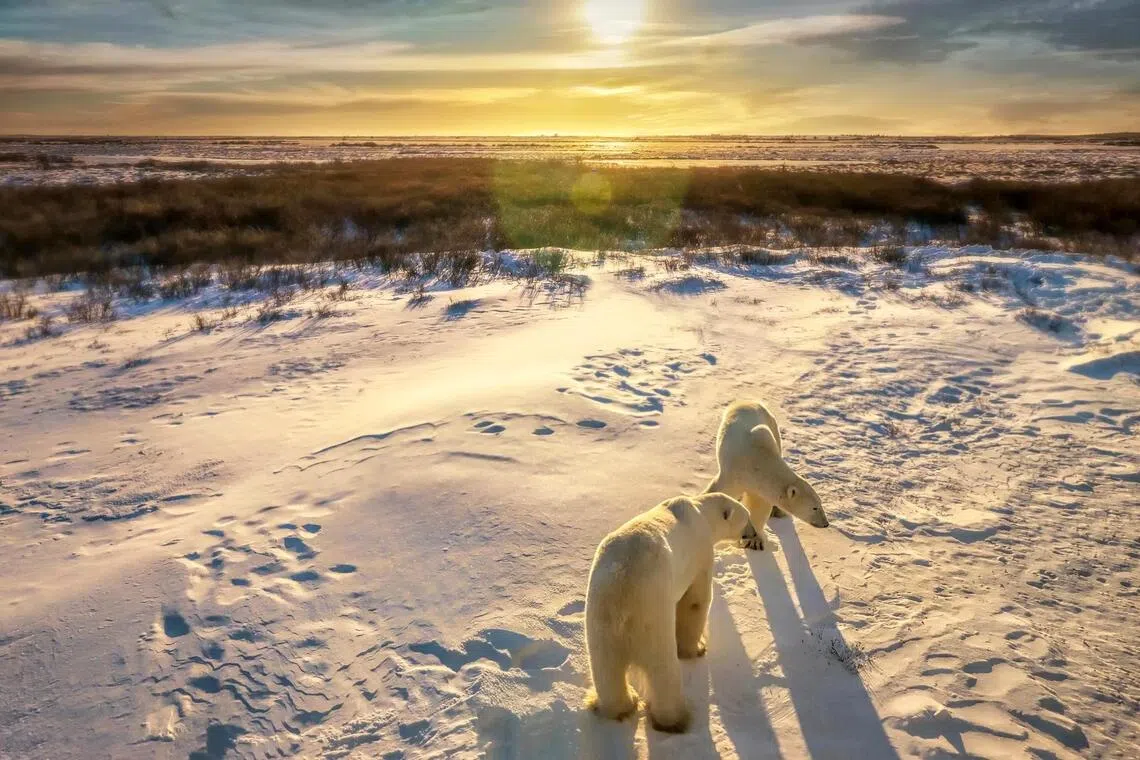
Then, there was the wildlife. One morning, while cruising through Canada’s Lower Savage Islands, we came across three waddling polar bears. The usually elusive creatures were calmly prowling the bays (separately, because most are solitary creatures) for food, and didn’t seem to mind 200 pairs of eyes ogling them.
Later in our journey, Churchill in Manitoba offered even more surprises. Known as the polar bear capital of the world, the region lived up to its name – but not only did we spot more of the bears, we also found that the waters where the Silver Endeavour was docked were brimming with beluga whales.
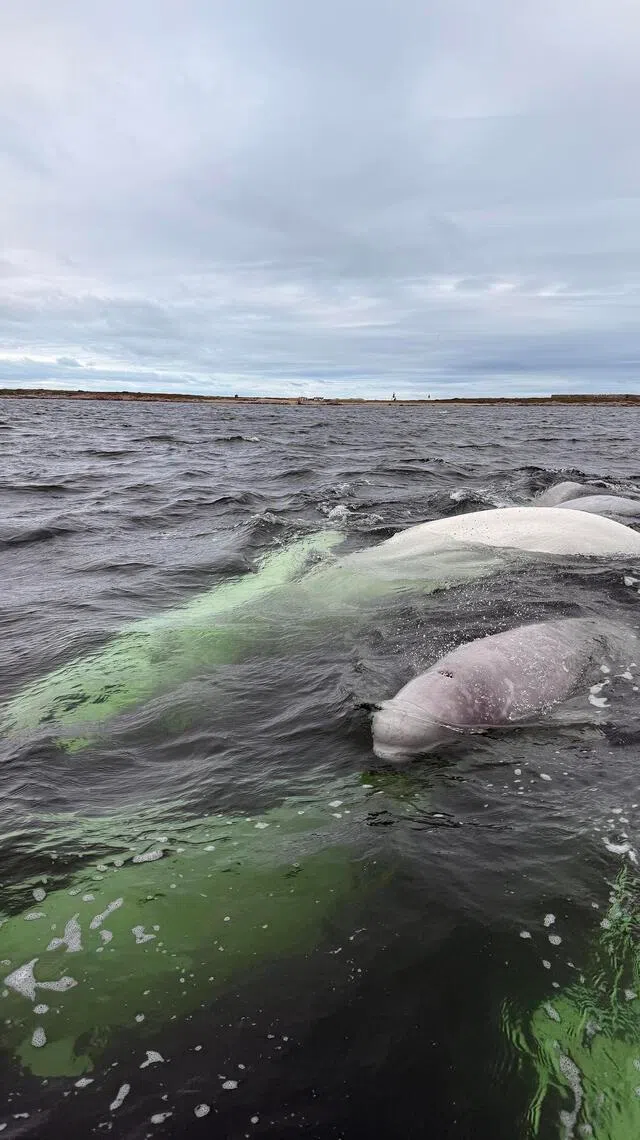
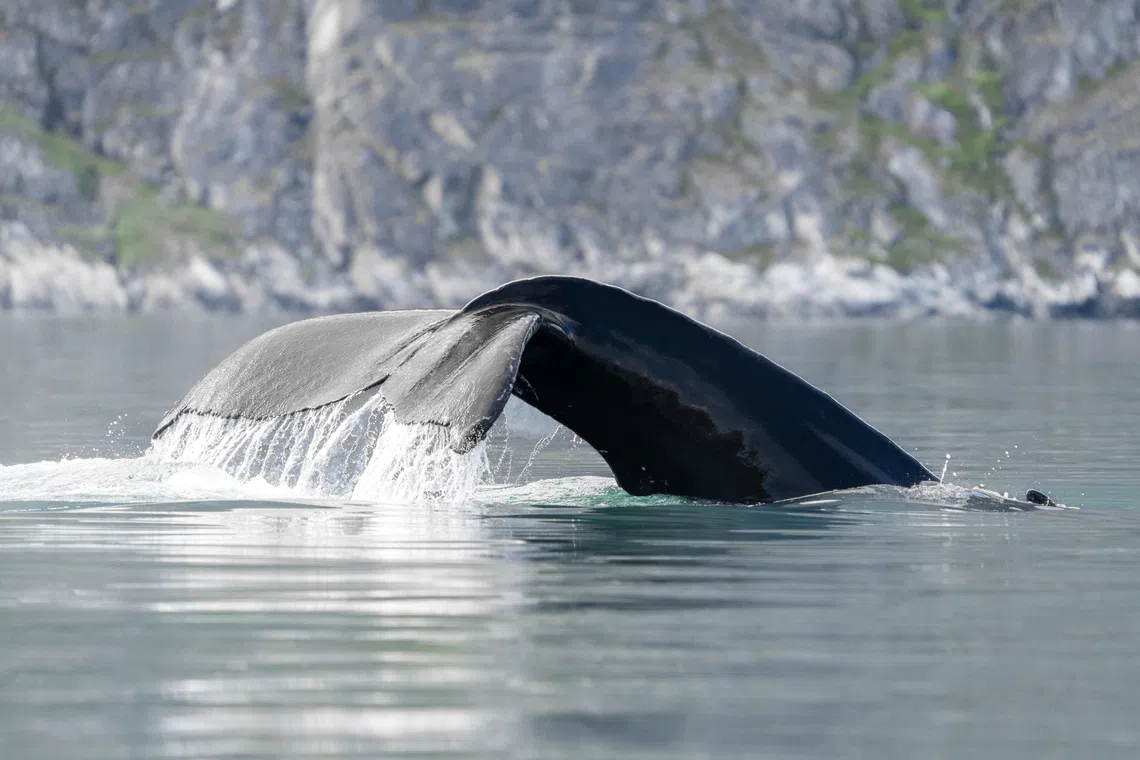
Just when we thought it couldn’t get even better, we hopped onto a Zodiac… and the melon-headed, ivory-coloured creatures surrounded us, playfully following the boat. Some even raised their heads to peer in – belugas are the only whales with unfused neck vertebrae, allowing them to move their heads up and down, and from side to side.
“They like the bubbles that the Zodiacs make,” our guide explained with a delighted laugh.
The heart and art of the Arctic
Yet, even more unforgettable than our awe-inspiring surroundings were the stories of the Inuit.
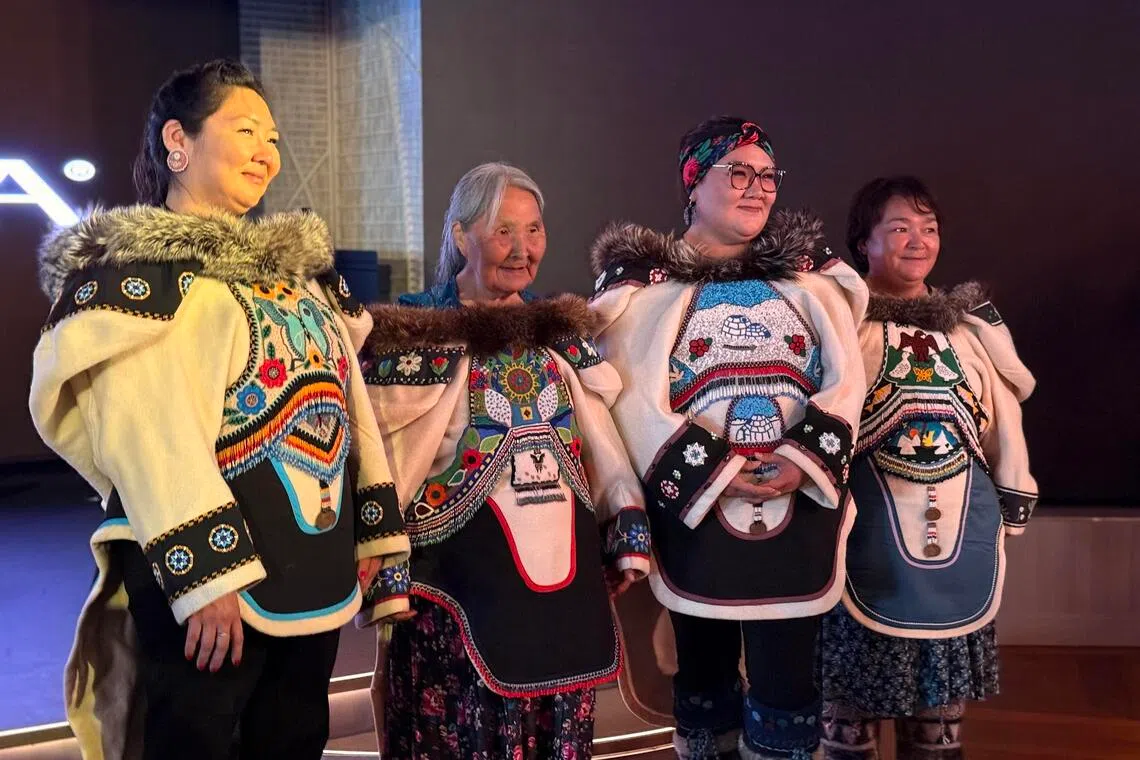
Subject-matter experts like Qammaniq live aboard Silversea’s expedition ships to share their deep cultural insights with guests, and give talks as part of the on-board programming. During our trip, archaeology lecturer Kristian Pedersen from the University of Edinburgh was also there to explain the area’s Viking history.
We found interacting with the soft-spoken but steel-spirited Qammaniq, who was born and raised in the Nunavut community of Pond Inlet, an especially moving and enriching experience.
“More valuable than such luxuries was the opportunity to connect with a community so far removed from our own world.”
During one of her talks, she spoke through tears about the abuse her people had suffered during the residential school era, and how, as a consequence, many members of her community had died or were still suffering from trauma.
Canada’s Truth and Reconciliation Commission has documented at least 4,100 child deaths in the institutions, though its chairperson believes that the number is likely far higher.
There were few dry eyes by the end of Qammaniq’s session.
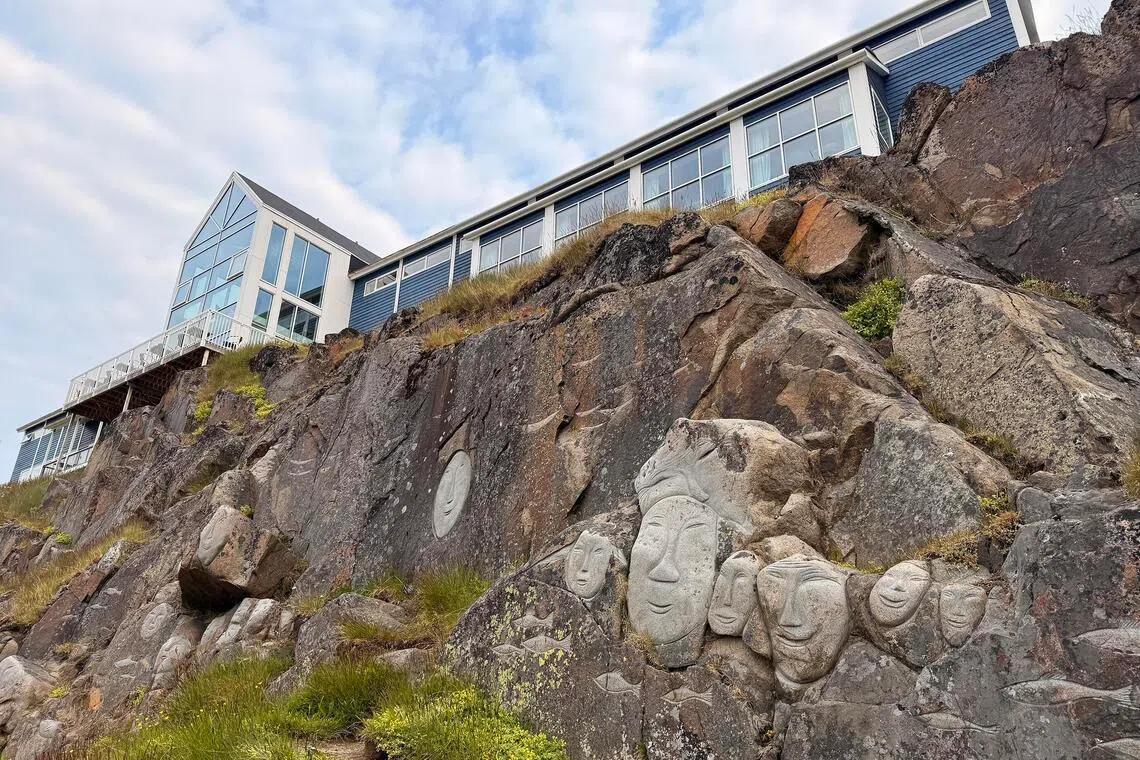
The itinerary also let us immerse ourselves in other facets of Inuit life. Art is a significant part of the culture, and the Stone & Man project was our first encounter.
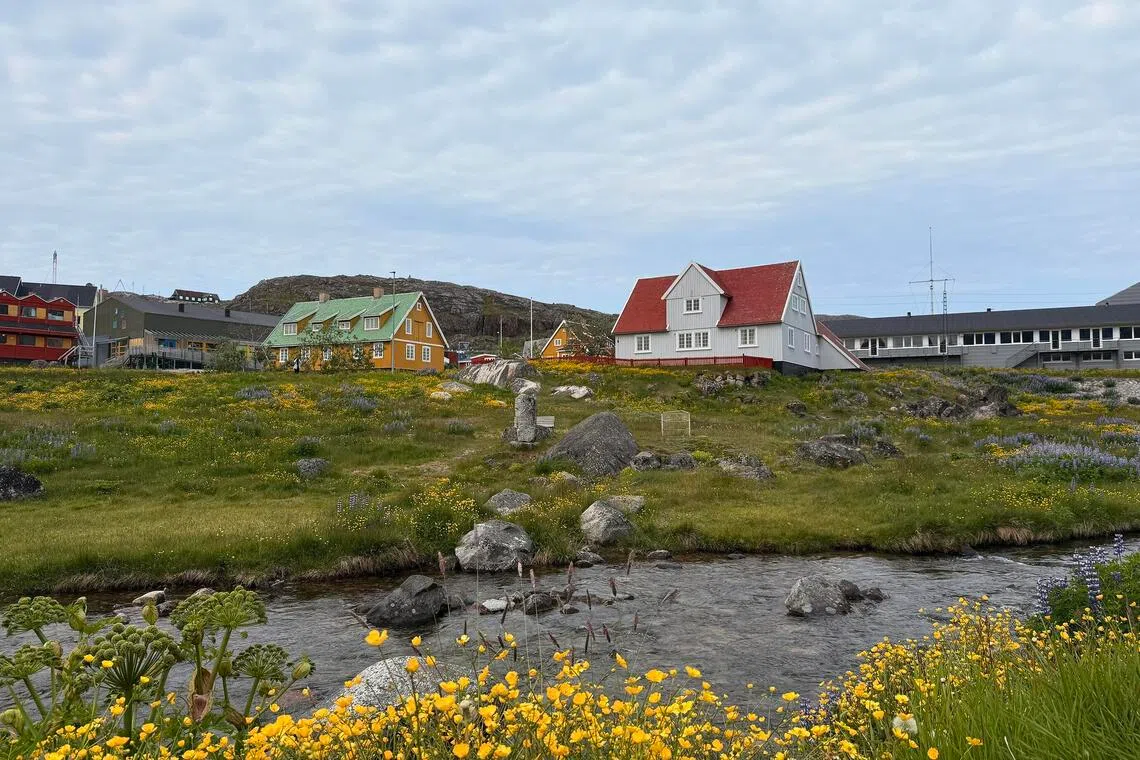
Situated in Qaqortoq – a quaint, colourful town in southern Greenland – the open-air art installation was begun in 1994 by local artist Aka Hoegh. More than 40 works have been carved into ancient rock faces around the town, transforming the area into a modern-meets-millenia-old-art gallery where you “treasure hunt” for the artworks.
Nuuk – the capital of Greenland and home to about 20,000 people or one-third of the territory’s entire population – is much more urban and crowded (as much as you’d expect a remote city to be, anyway), with sleek government buildings and cool restaurants serving fusion cuisine. But it’s also home to some of the most significant artefacts of Inuit history.
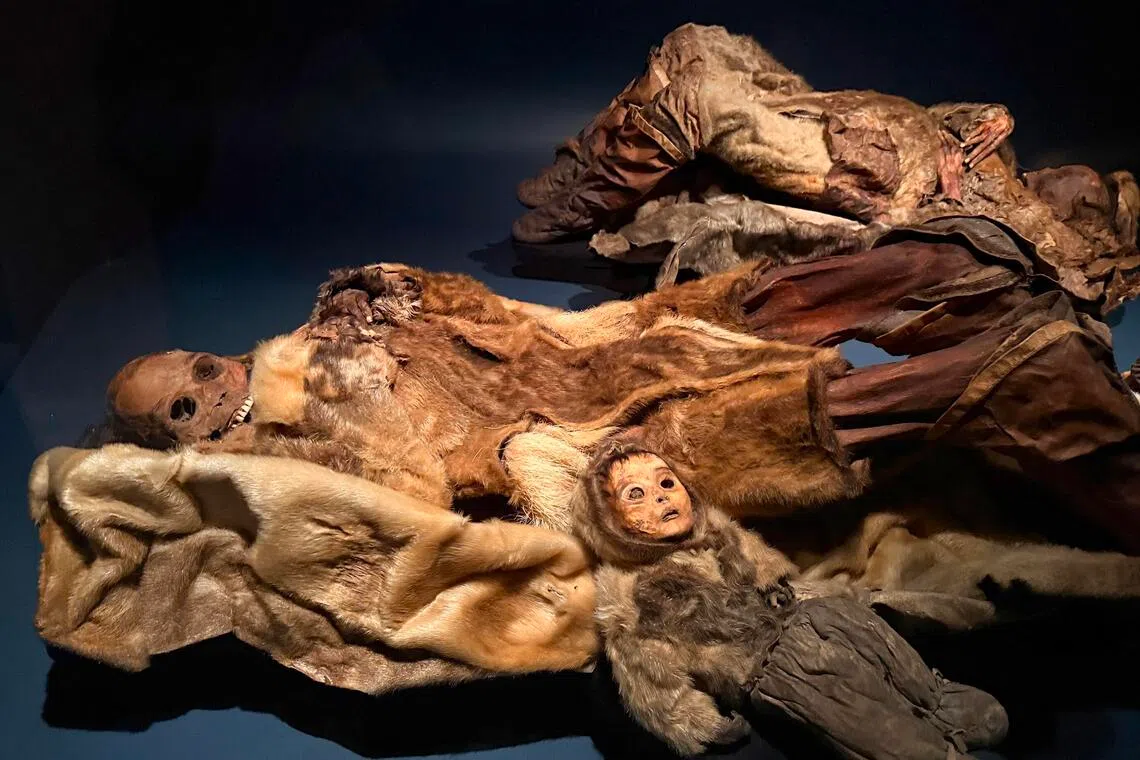
The Greenland National Museum near the city centre, for example, houses the Qilakitsoq mummies, which spent five centuries preserved in permafrost until hunters discovered them in 1972. With their sealskin clothing intact and their faces eerily serene, the mummies have been key to helping scientists understand the lives of the Thule people, ancestors of the Inuit.
And at Kinggait Studios – the global capital of Inuit art – in Canada’s Cape Dorset, we had the privilege of watching artists create prints that command attention in galleries worldwide. One sketch that was casually sitting on a counter was priced at an eye-popping C$50,000 (S$46,125).
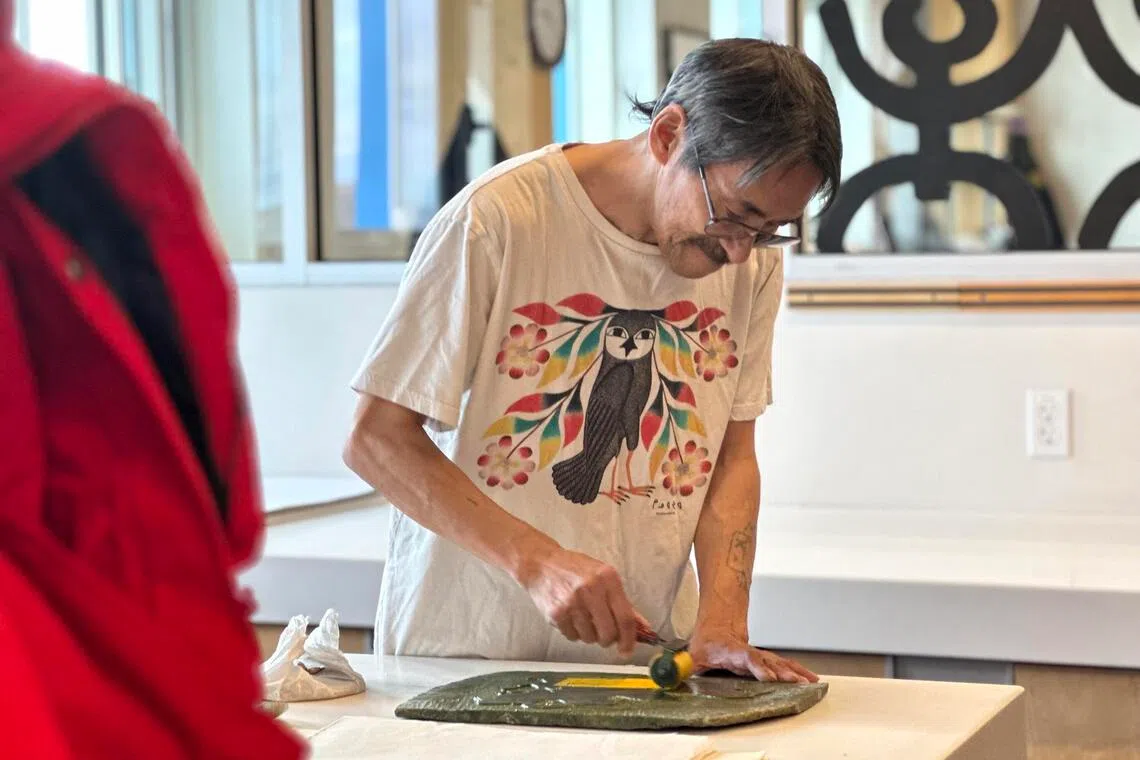
The island was established as a centre for Inuit art in the late 1950s by the artist James Houston and the West Baffin Eskimo Cooperative – not merely for commercial reasons, but also to actively resist the forces that sought erasure of Inuit traditions.
“Bannock, too, is a symbol of resistance and survival through adaptation... it connects generations through the acts of making and eating it together.”
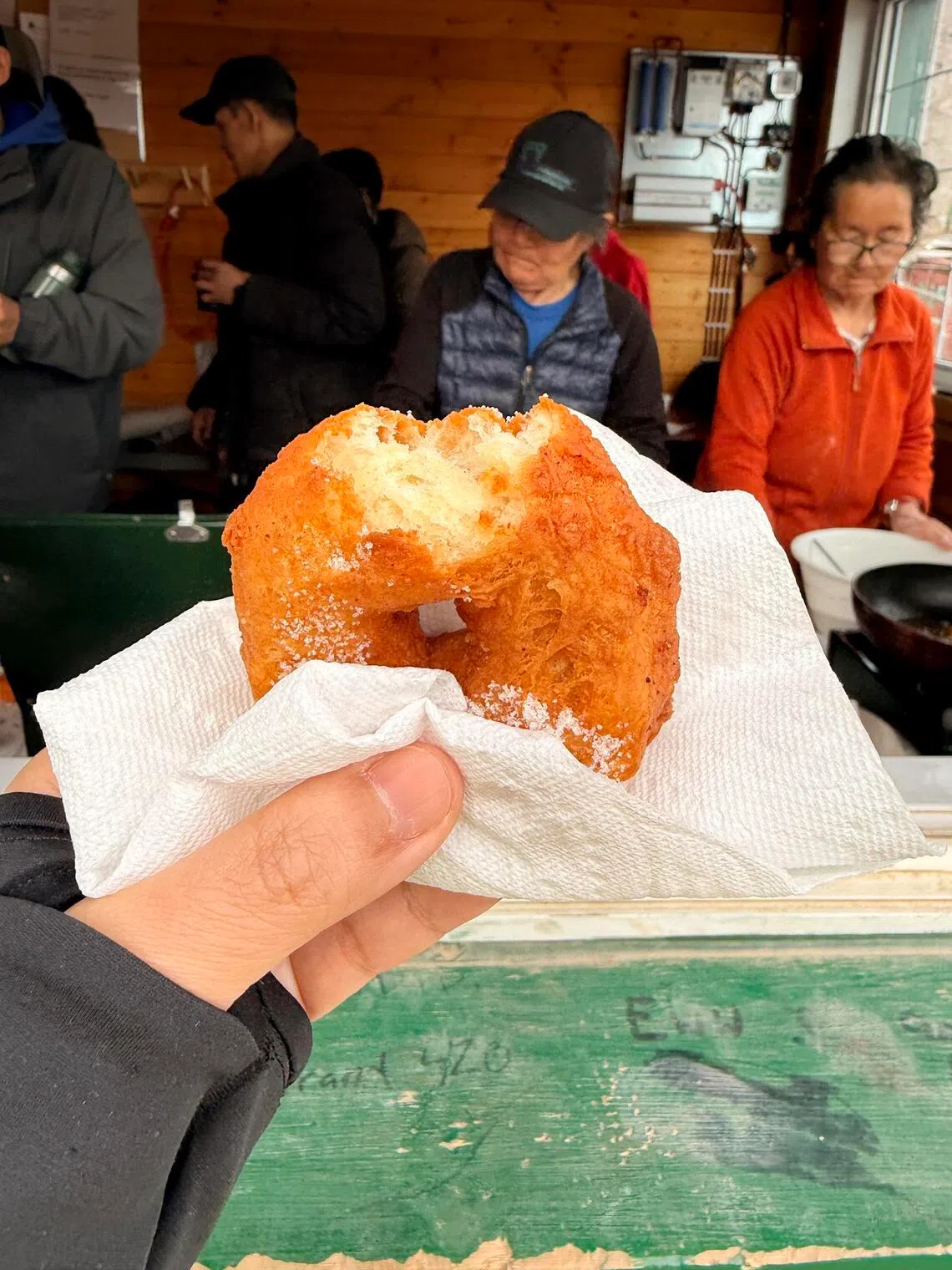
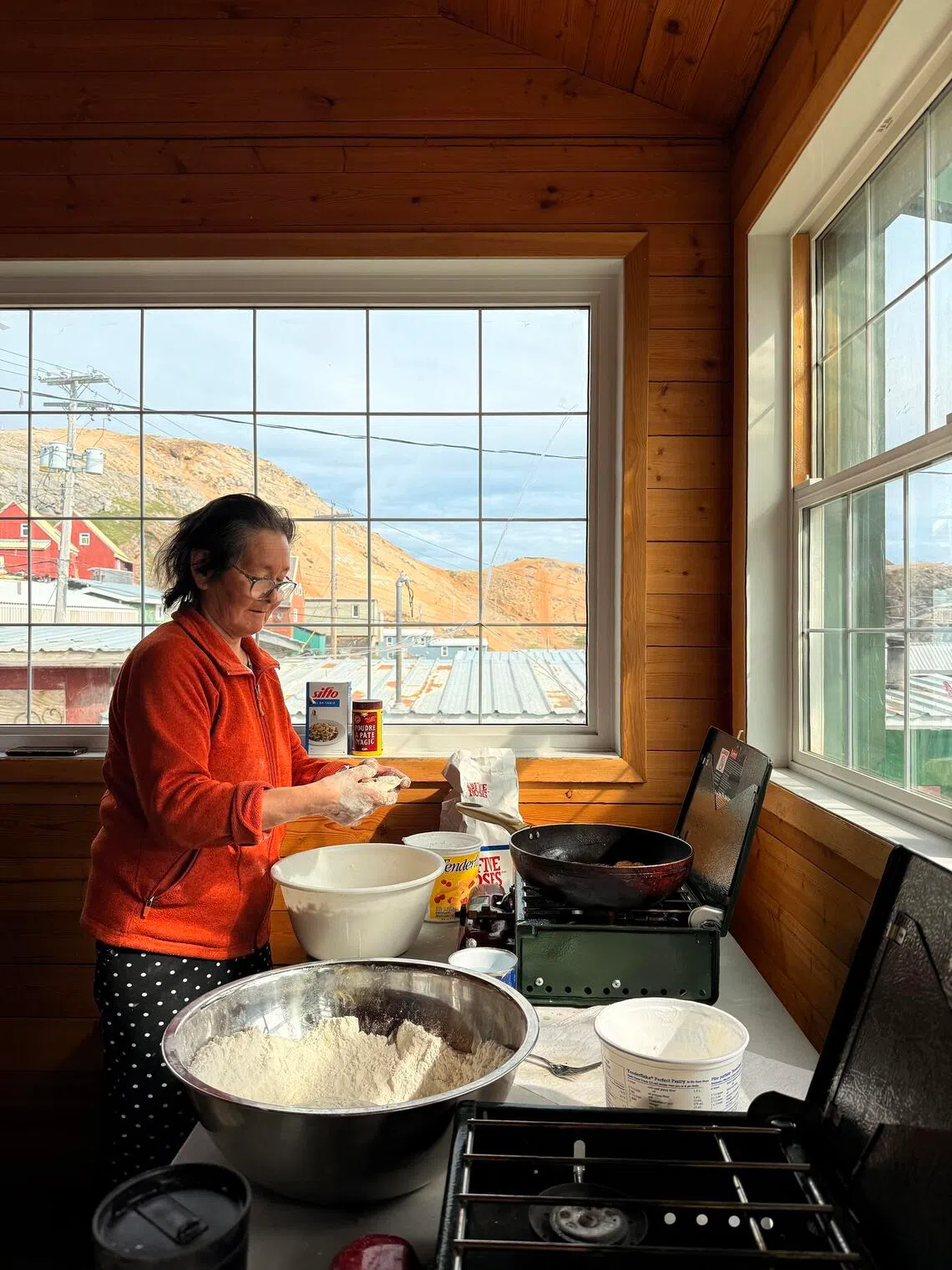
When we visited the small community of Kimmirut, the community’s elders made us bannock, a deep-fried bread that was rightly served with a warning about how addictive it is. Bannock, too, is a symbol of resistance and survival through adaptation – which is why no two recipes are the same.
Traditionally served at gatherings and ceremonies, it connects generations through the acts of making and eating it together. Here, we had the chance to commune with the locals and break bread with them as well.
All too soon, it was Day 19 of our journey, and we had arrived at Churchill, our final stop. Polar bears roam the streets here so regularly that there is a specific siren that goes off whenever one enters the frontier town’s bounds – and a dedicated squad to take care of it.
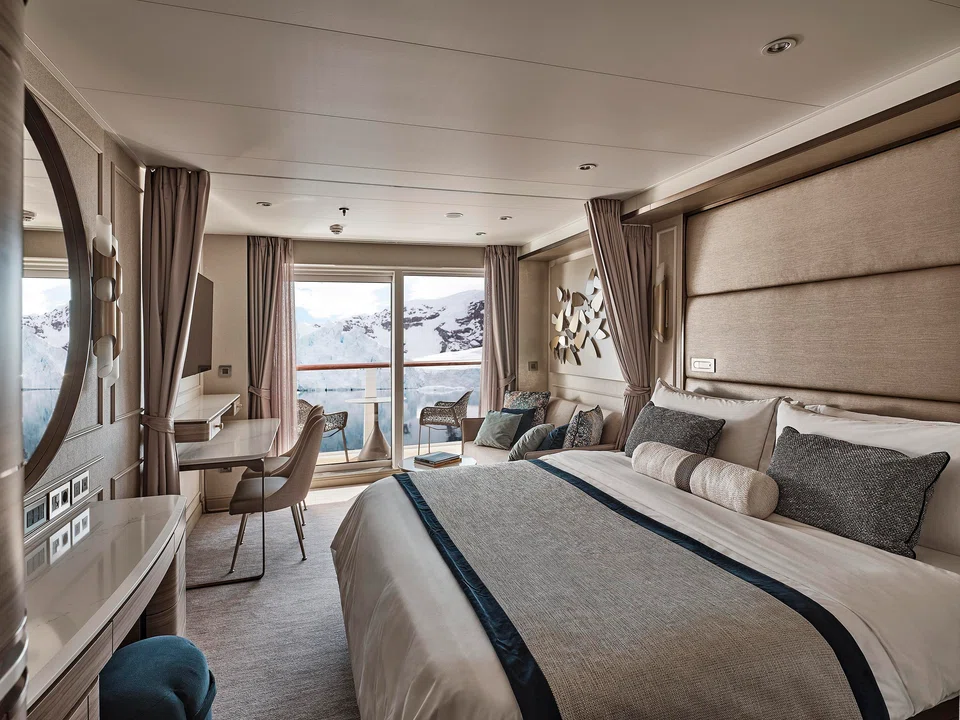
By the expedition’s end, we had travelled 2,000 nautical miles through some of the Earth’s most remote waters in climate-controlled comfort, coming face-to-face with incredible wildlife while experience full butler service and fine-dining feasts.
But more valuable than such luxuries was the opportunity to connect with a community so far removed from our own world – and to hear their stories so intimately that we felt sucker-punched by both their suffering and their fortitude. A priceless gift at a time when sometimes it’s hard to feel anything for anyone anymore.
The writer was a guest of Silversea
Decoding Asia newsletter: your guide to navigating Asia in a new global order. Sign up here to get Decoding Asia newsletter. Delivered to your inbox. Free.
Share with us your feedback on BT's products and services
TRENDING NOW

Once staunchly pro-China, Malaysian Chinese businesses are now distancing themselves from Beijing

Looking beyond looming CEO succession, should UOB potentially pursue a transformative merger?

Could stablecoins be the future of money?

Grab CEO’s wife Chloe Tong on life with Anthony Tan and finding her purpose

