

Music, wine and slow days in Burgenland
Experience a relaxed Austrian escape through Joseph Haydn’s Eisenstadt and fairy-tale town Rust, with open-air concerts and wine tastings along the way
VIENNA AND SALZBURG MAY BE the poster cities of Austria, but for travellers with a yen for a slower pace and less-explored terrain, Burgenland beckons with its mild climate and sprawling open spaces.
Sitting along the eastern stretch of Austria, Burgenland is home to historic towns and lush vineyards. In the summer, it hosts lavish music programmes staged under open skies. Think full symphony orchestras, large-scale opera productions and even rock festivals.
Terrain-wise, it’s lower and more open than the alpine landscapes that the country is synonymous with, so the climate is warmer. No wonder, then, that it’s known as Austria’s “sunny side”, although packing a raincoat in case of passing showers is always a good idea.
Located within easy reach of Vienna, Burgenland is worth setting aside a couple of days for. Get your bearings in its compact capital of Eisenstadt, before moving on to the wine town of Rust with its historic charm.
Consider stopping at Lake Neusiedl, which straddles Austria and Hungary and is large enough to merit its own microclimate – supporting vineyards and a large population of migratory birds.
Haydn’s turf
Eisenstadt is sometimes described as the world’s smallest big city. With a population of just 16,000, it is one of Europe’s more manageable regional capitals: polished enough to sustain a serious cultural programme, but small enough to explore largely on foot.
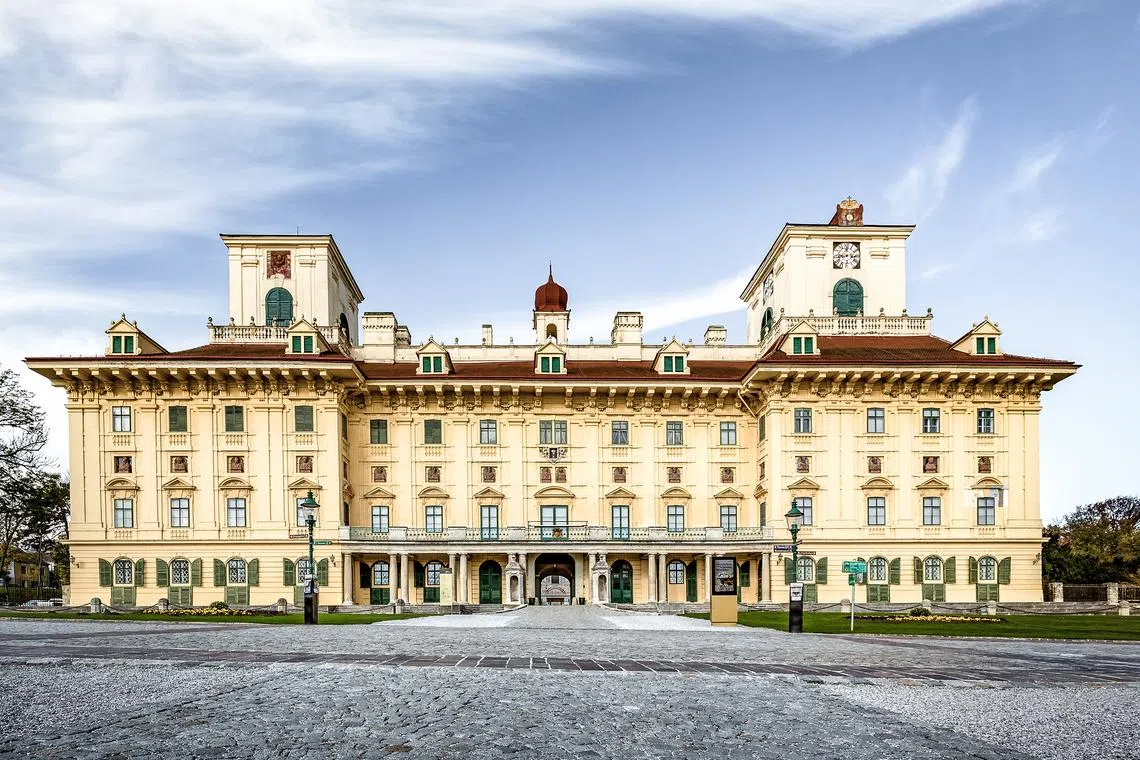
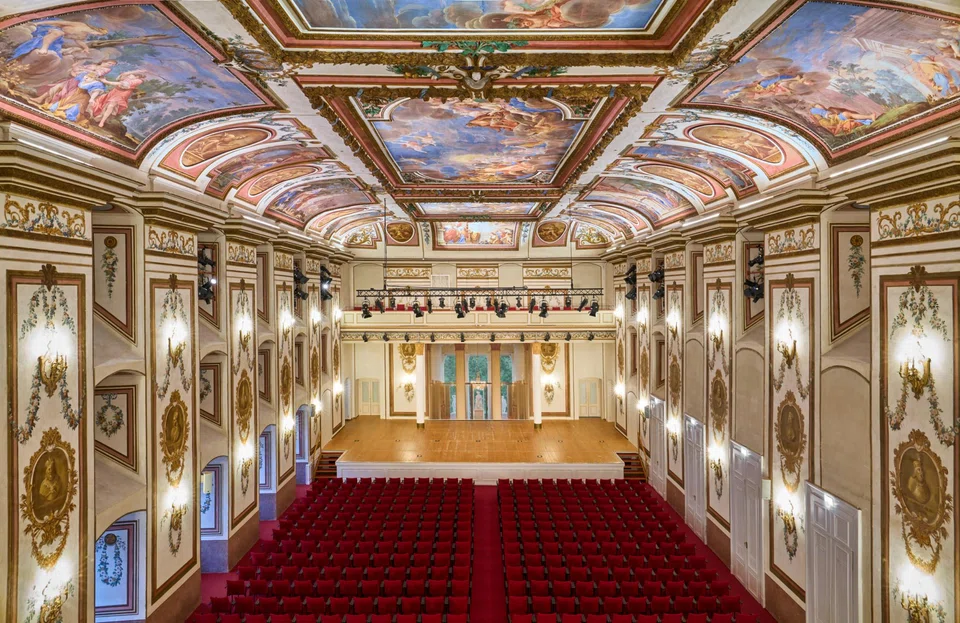
Its star attraction is Esterhazy Palace, once home to the powerful Esterhazy princes. Beyond its elegant pastel-coloured Baroque facade lie ornate state rooms and Haydn Hall, long acclaimed for its acoustics and still used for performances today.
The city’s most famous son is, of course, Joseph Haydn. Salzburg may have Mozart, but Eisenstadt lays claim to Haydn, the legendary composer who worked and lived there for almost 30 years, serving as musical director for the aristocratic Esterhazy family from 1761.
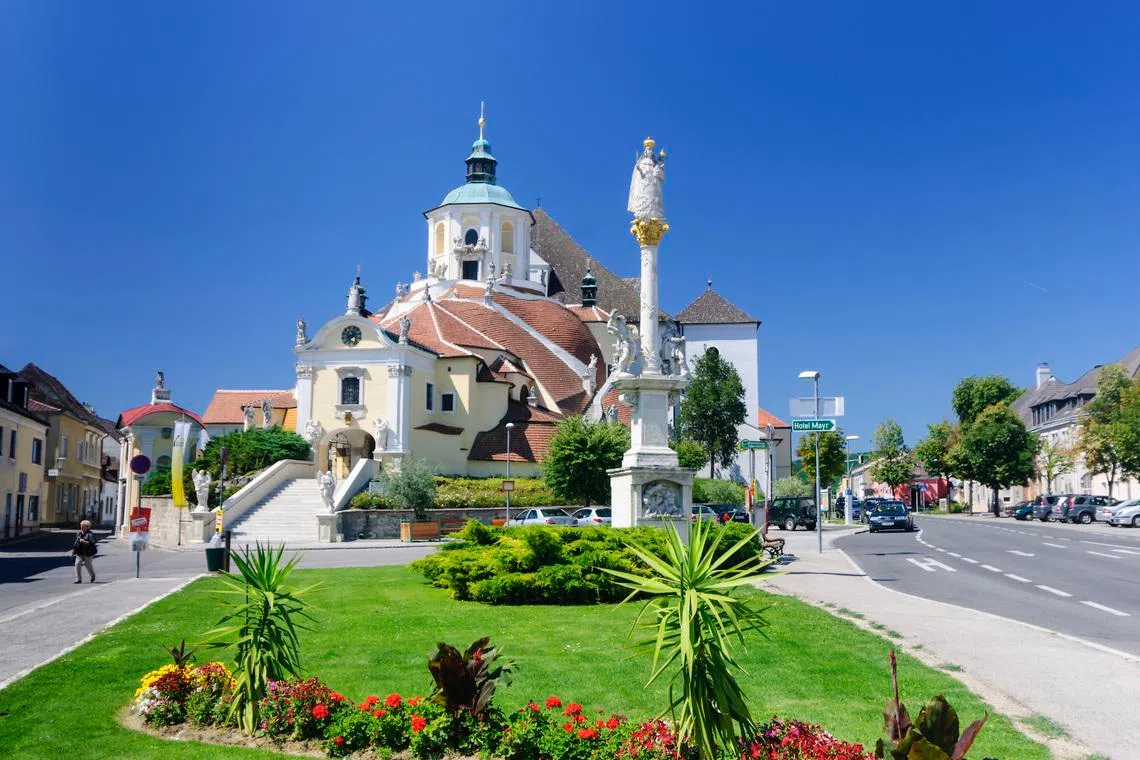
Other Haydn landmarks can be found along a self-guided walking trail. At the Baroque-style Bergkirche (Hill Church) – commonly known as Haydn Church – the composer’s remains rest in a mausoleum in a side chapel.

In the summer, Haydn’s music comes to life in its original setting, with concerts held at Esterhazy Palace. On certain Thursdays and Fridays until mid-August, visitors can attend matinees by the Haydn Quartet and Joseph Haydn Brass.
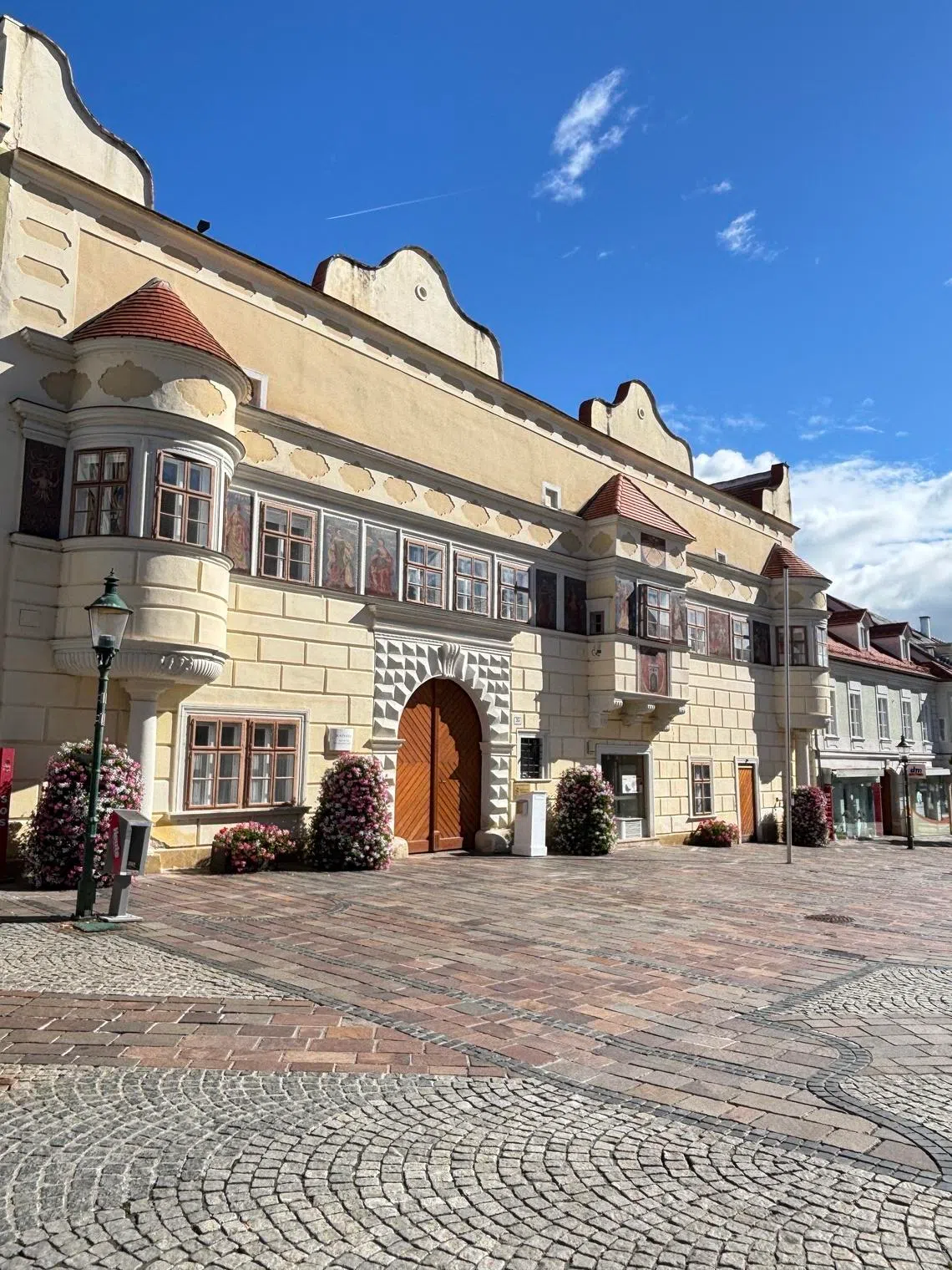
In between concerts, there is much wandering to do in Eisenstadt. The pedestrianised Hauptstrasse is lined with pastel facades, charming shops and cafes great for people-watching.
Stop at Rathaus (City Hall), a well-preserved Renaissance building dating back to 1560. The former palace grounds were remodelled around 1800 to resemble an English landscape garden, so a stroll through the greenery is a must.
The city quietens at dusk, when most shops put up their shutters. It’s a cue for wine lovers to head to Selektion Vinothek Burgenland, a wine bar across the palace which serves small plates and a wide selection of Austrian wines. The friendly staff are also happy to curate a casual tasting of local wines.
Rest overnight at the sleek, contemporary Hotel Galantha, just a short walk from the palace. Its restaurant Paulgarten also offers seasonal produce from the surrounding region, prepared over an open grill.
Stork watch
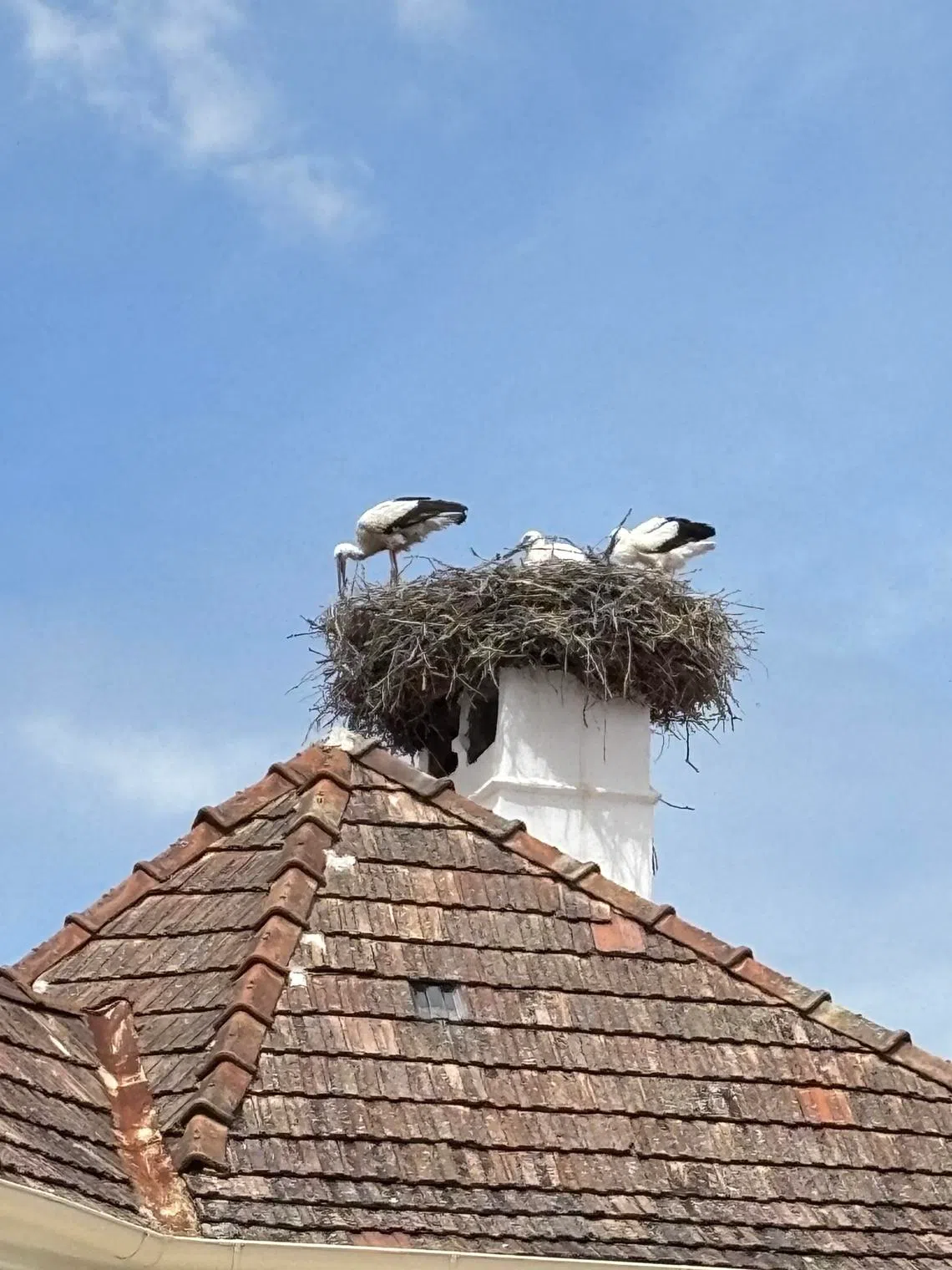
Around 15 km or a 20-minute drive away is Rust, a small town best known for its most regular seasonal tourists – white storks. Every spring and summer, they come in pairs, nesting on rooftops and chimneys across the old town. It’s a magical sight: flocks of big white birds perched on rows of historic houses.
A local conservation association maintains the nests and feeding grounds, helping to sustain the population that earned Rust its nickname, the City of Storks. Rust also forms part of the Ferto-Neusiedlersee Cultural Landscape, inscribed on the Unesco World Heritage List in 2001.
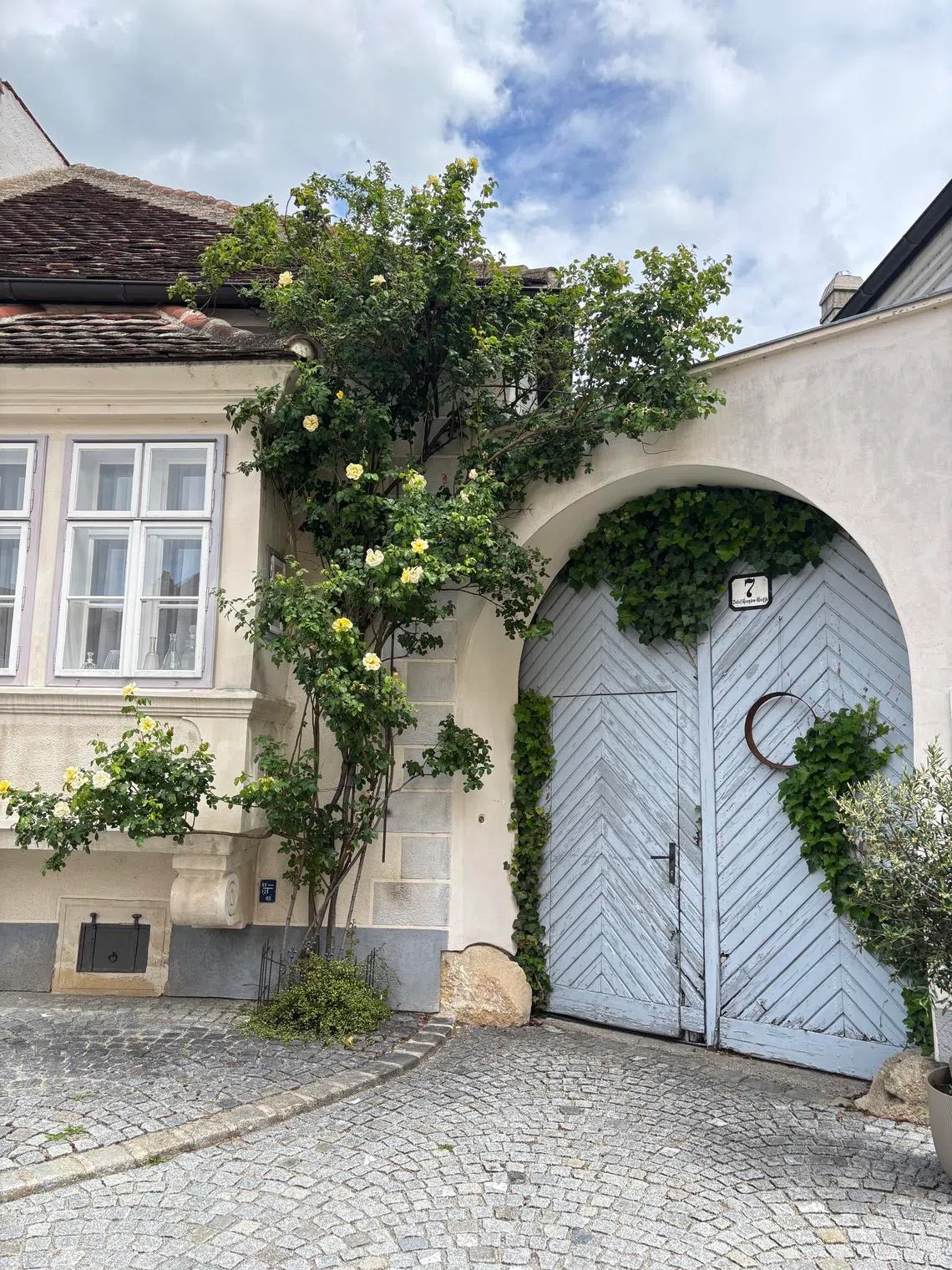
Storks aside, this fairy-tale town has a tiny population of barely over 320. Its concentration of Renaissance and Baroque townhouses makes it one of Burgenland’s most atmospheric places. Arched entrances, some festooned with roses, decorative stucco and enclosed courtyards have all been carefully preserved.
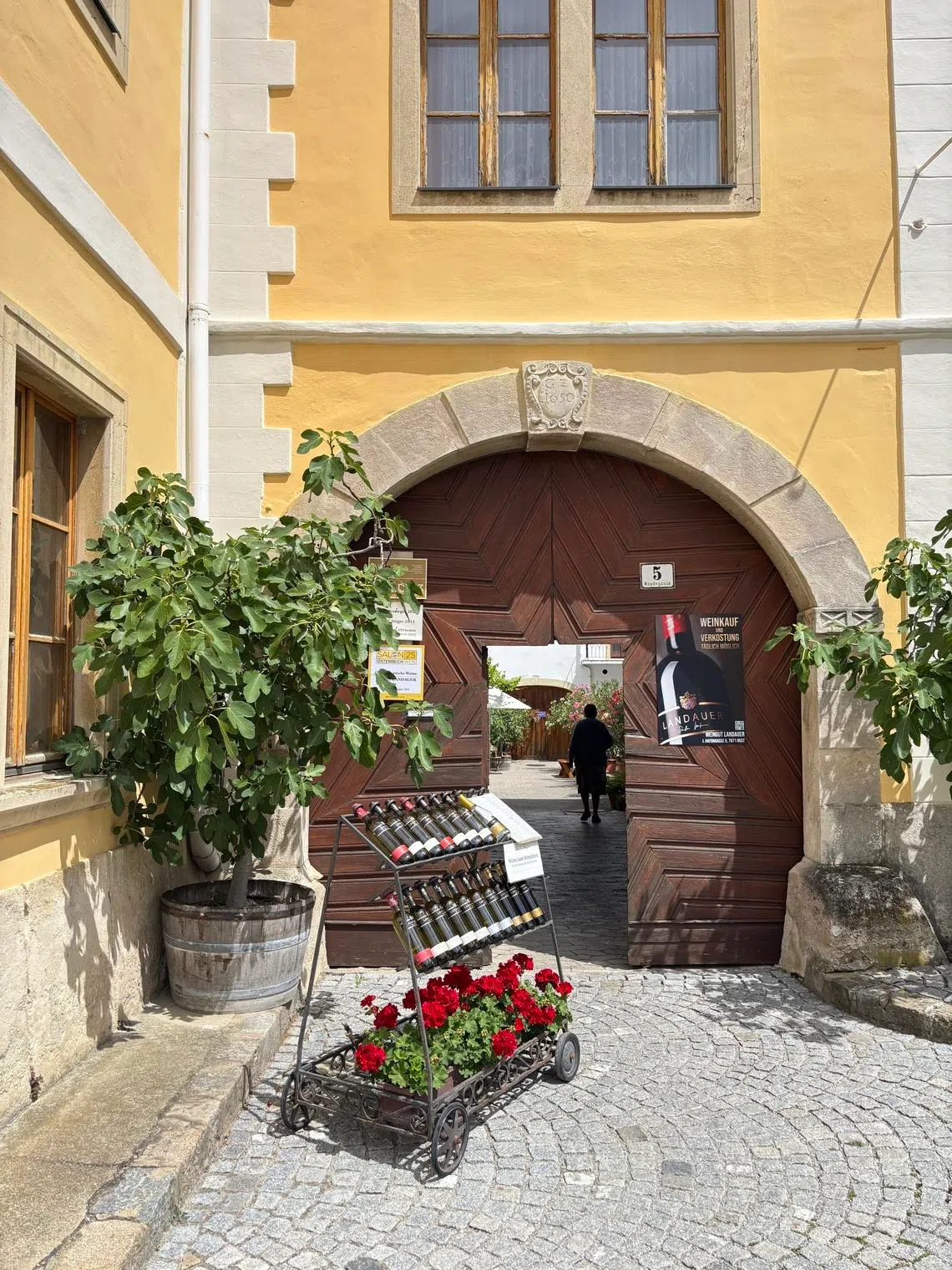
Step into one of the small courtyards and you may find a wine fridge operating on an honour system. There’s a price list and cash box – a spritzer to-go costs just 2.50 euros (US$2.86), only slightly more than a two-euro bottle of water.
Set within the Leithaberg wine region, Rust is known for wines produced by family-run estates. Its speciality is Ruster Ausbruch, a sweet wine made from botrytised grapes grown within the town’s boundaries. One of the cellars that offer tastings of its sweet and white wines is Heidi Schrock & Sons (Rathausplatz 8).
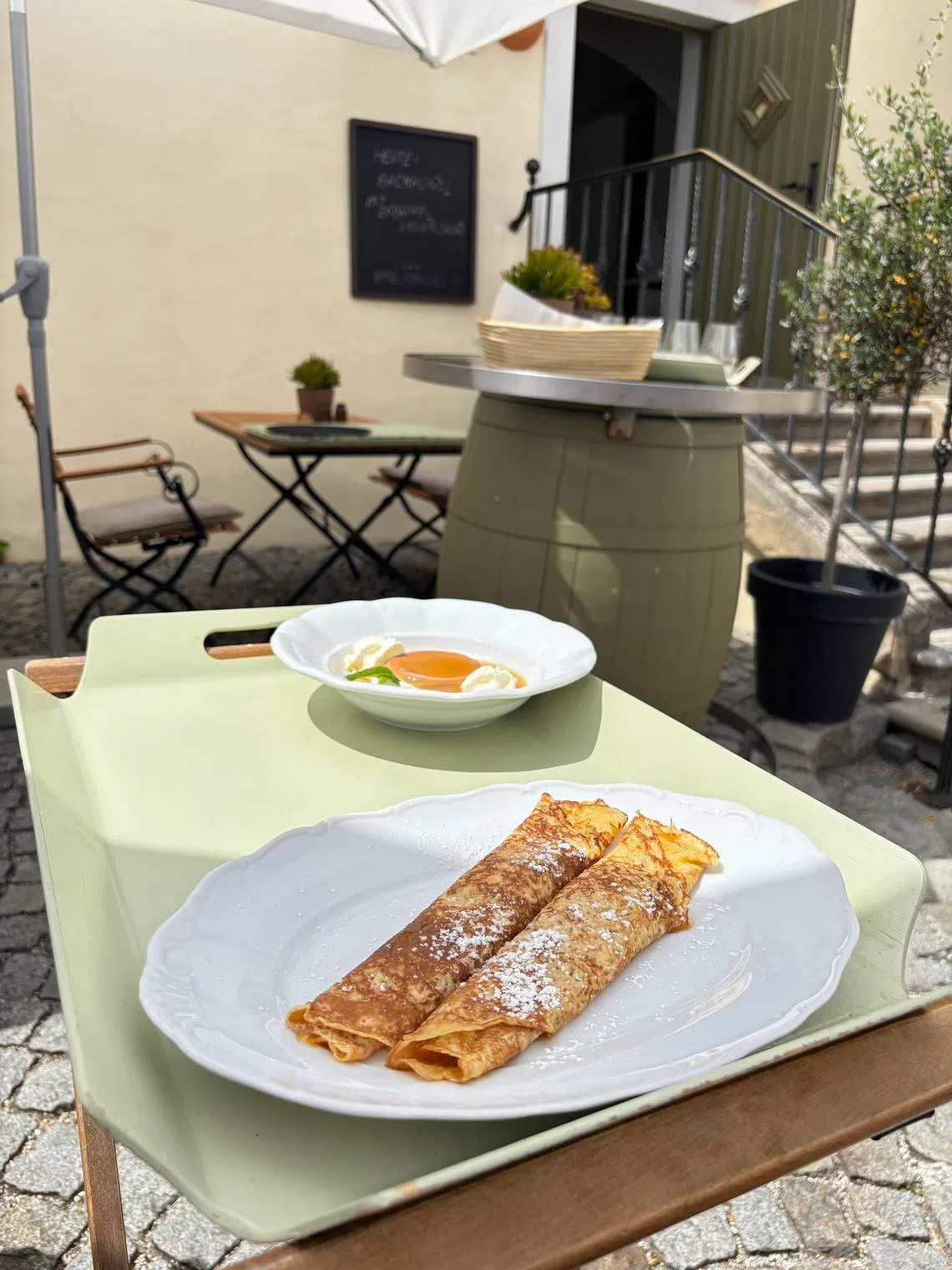
When hunger pangs strike, Kirchenwirt on Rathausplatz 18 in the town centre is a reliable choice. The Bib Gourmand-recognised restaurant serves generous portions of Austrian staples including tafelspitz (boiled beef served in broth with apples and radish), rich beef goulash with buttered dumplings, golden fried chicken with potato salad, and apricot crepes.
Dine in the rustic dining room or alfresco at tables set along the cobblestones. Here, you can hear the church bells chime, watch storks tending to their chicks on the rooftops, or observe people going about their daily lives.
Culture beside the lake
Take a short drive from Rust to the former Roman quarry at Margarethen. Limestone was extracted here for more than 2,000 years and used in magnificent buildings including the landmark St Stephen’s Cathedral in Vienna.
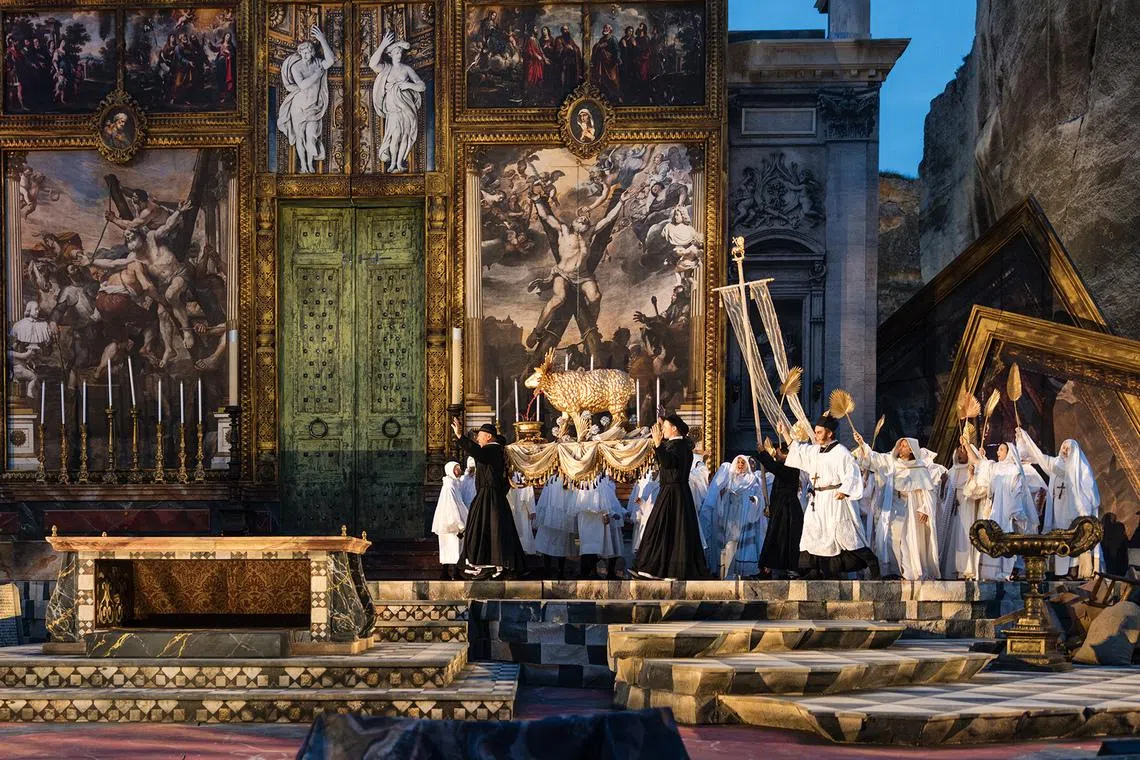
Today, it’s best known as the setting for the festival Oper im Steinbruch, or Opera in the Quarry – one of Europe’s largest natural stages. Its steep rock walls form a monumental backdrop for open-air productions.
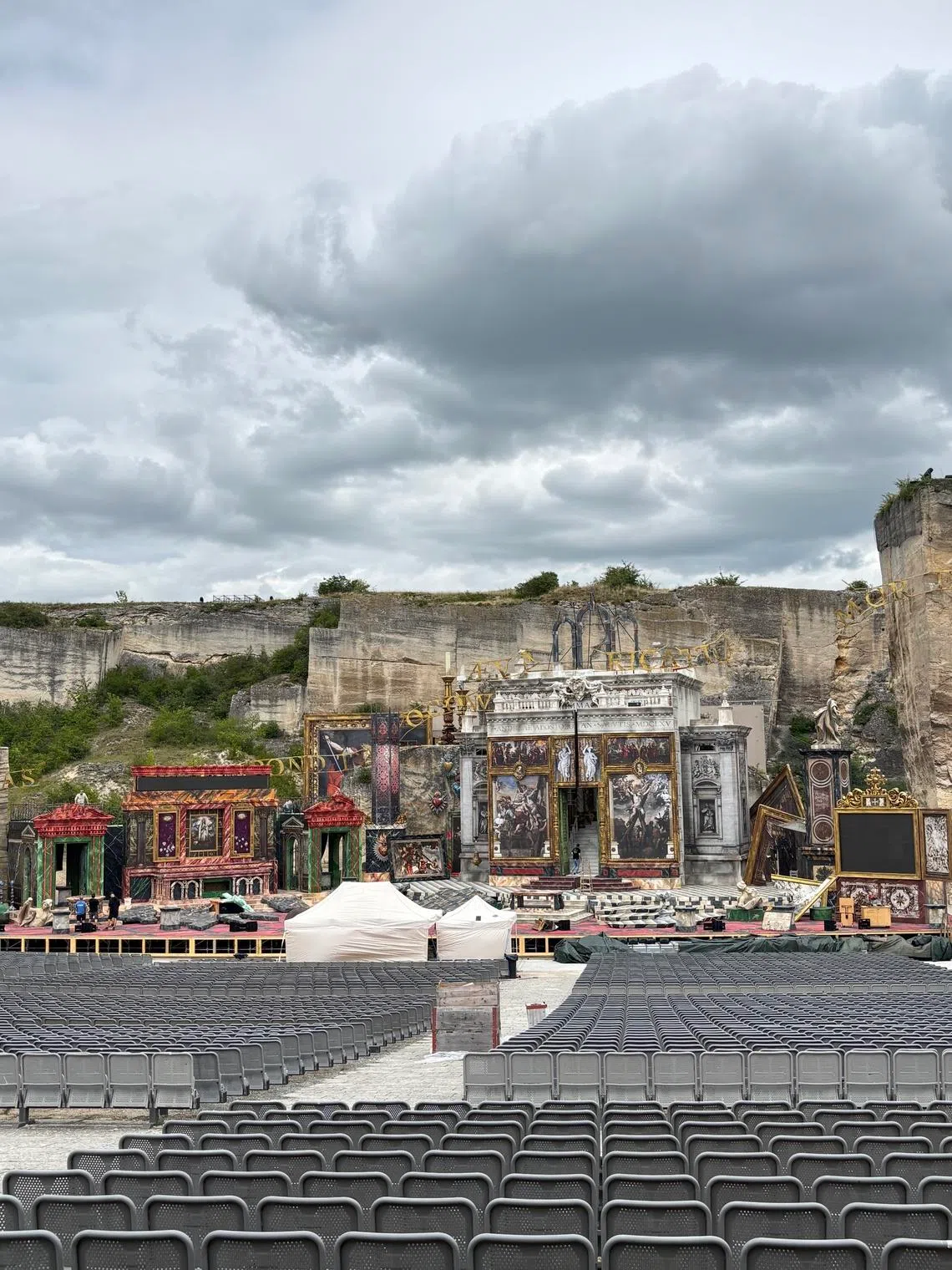
In 2026, the quarry reverberates with the sounds of Puccini’s Tosca, a tale of political intrigue, jealousy and betrayal. Opera rarely needs much help with theatrics, but the setting heightens the dramatic effect for an audience of 5,000. The festival’s current season runs until Aug 22, with shuttle bus services from Vienna.
Further afield
For an even more dramatic setting, head to Lake Neusiedl where Seefestspiele Morbisch, the world’s biggest operetta and musical festival, takes place on a floating stage right on the lake. The 2026 centrepiece is the musical La Cage aux Folles, staged in July and August.
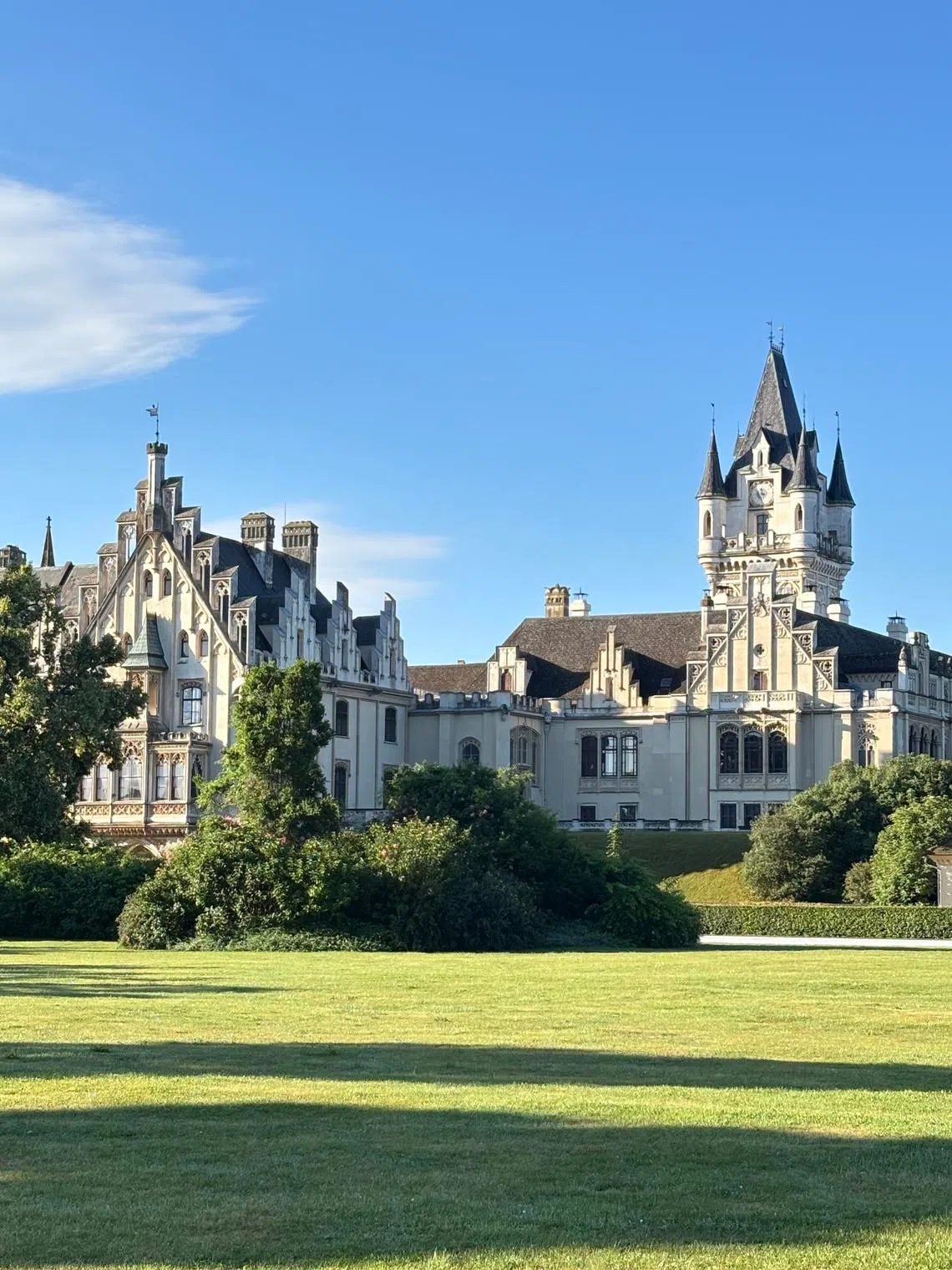
Also worth a stop is Grafenegg in Lower Austria, less than two hours’ drive from Burgenland. Its eponymous, beautifully preserved castle has a Hogwarts quality about it, and its vast gardens will host the Grafenegg Festival from Aug 14 to Sep 6.
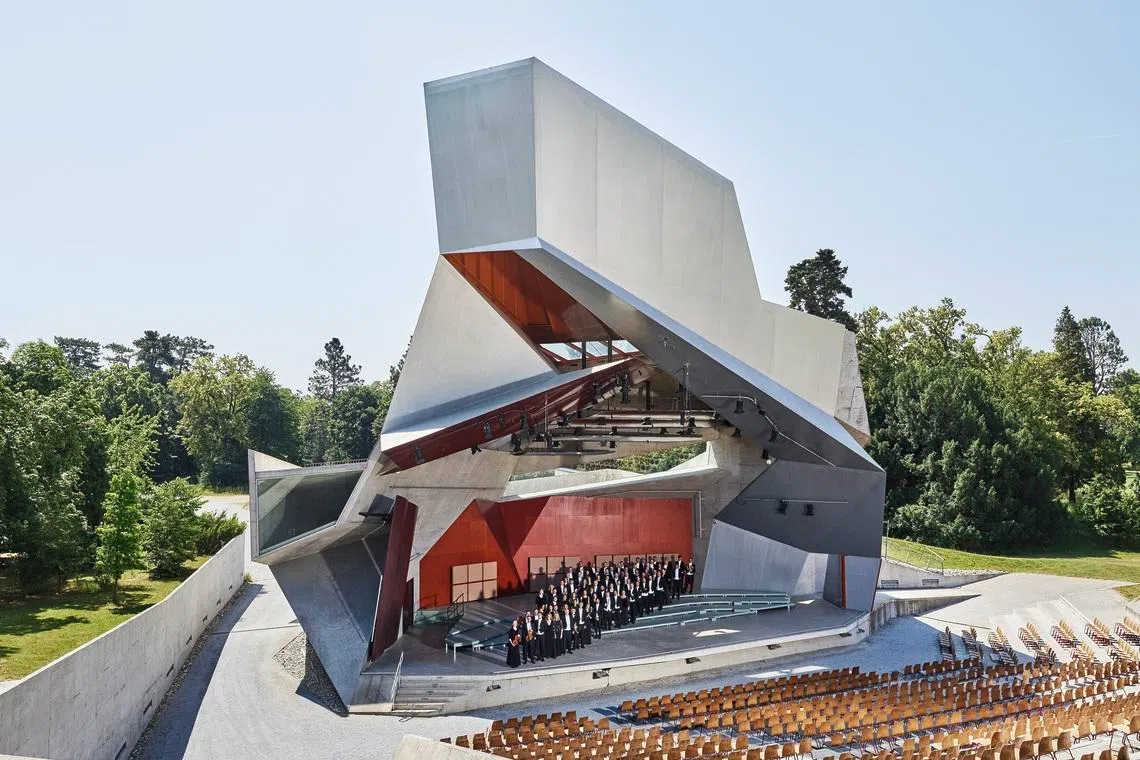
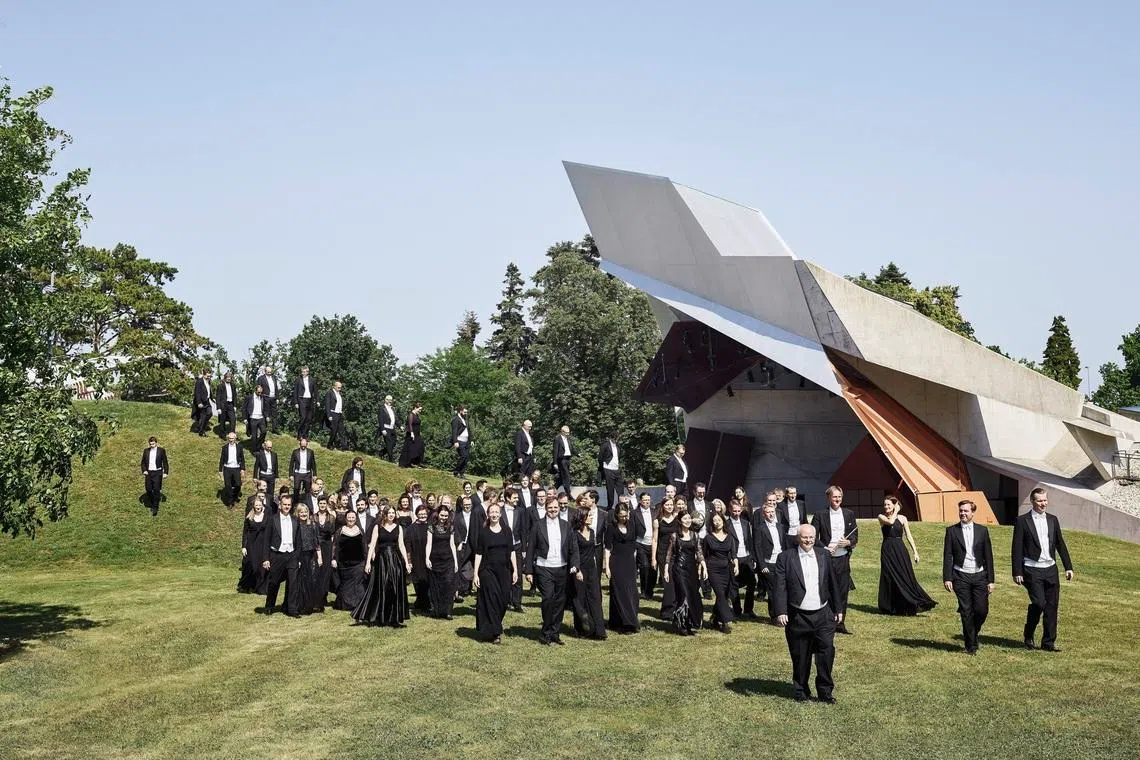
The programme brings world-class orchestras to the estate, including London’s Philharmonia. Performances typically take place at the modern Wolkenturm open-air stage or the state-of-the-art concert hall.
Together, the concerts, small towns and natural landscapes give Burgenland a cultural density that belies its quiet demeanour. It offers room to move slowly, hear familiar music in unexpected surroundings and see another side of Austria – sunnier, flatter and far less crowded.
Decoding Asia newsletter: your guide to navigating Asia in a new global order. Sign up here to get Decoding Asia newsletter. Delivered to your inbox. Free.
Share with us your feedback on BT's products and services
TRENDING NOW

Once staunchly pro-China, Malaysian Chinese businesses are now distancing themselves from Beijing

Looking beyond looming CEO succession, should UOB potentially pursue a transformative merger?

Could stablecoins be the future of money?

Grab CEO’s wife Chloe Tong on life with Anthony Tan and finding her purpose

