Passion for design
It's the little details that matter for resort and home designer Christopher Chua.

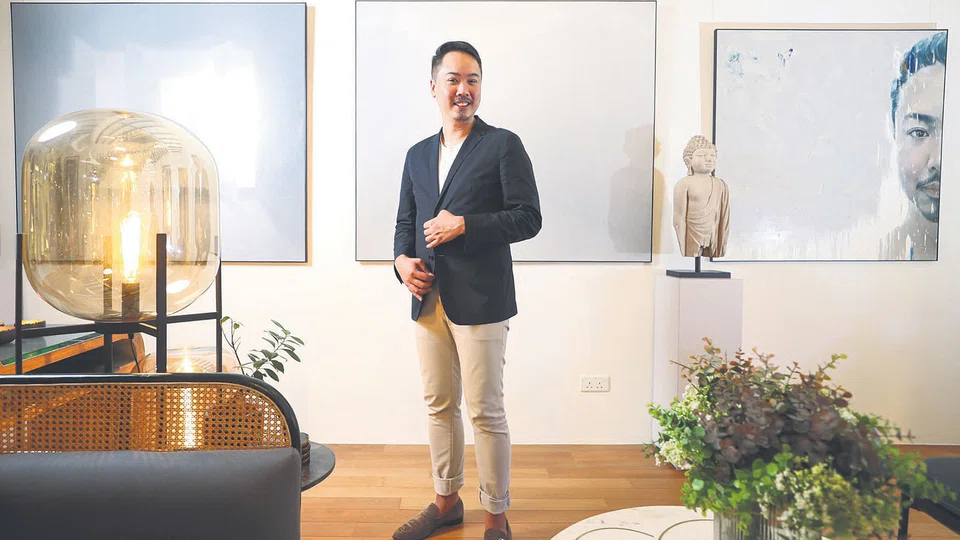
EVER SINCE HE WAS A CHILD, Christopher Chua knew that he would grow up to be an interior designer. ''I've always wanted to design interiors and homes, and I knew that if I didn't make that my career, I would be sad,'' says Chua, who studied architecture at National University of Singapore and graduated with honors and a masters degree.
Chua has close to 2 decades of experience. He previously spearheaded Blink Design Group as its managing director and is now the co-founder and creative director of KulörGroup. The firm provides full-service hospitality management, design, and technical knowledge.
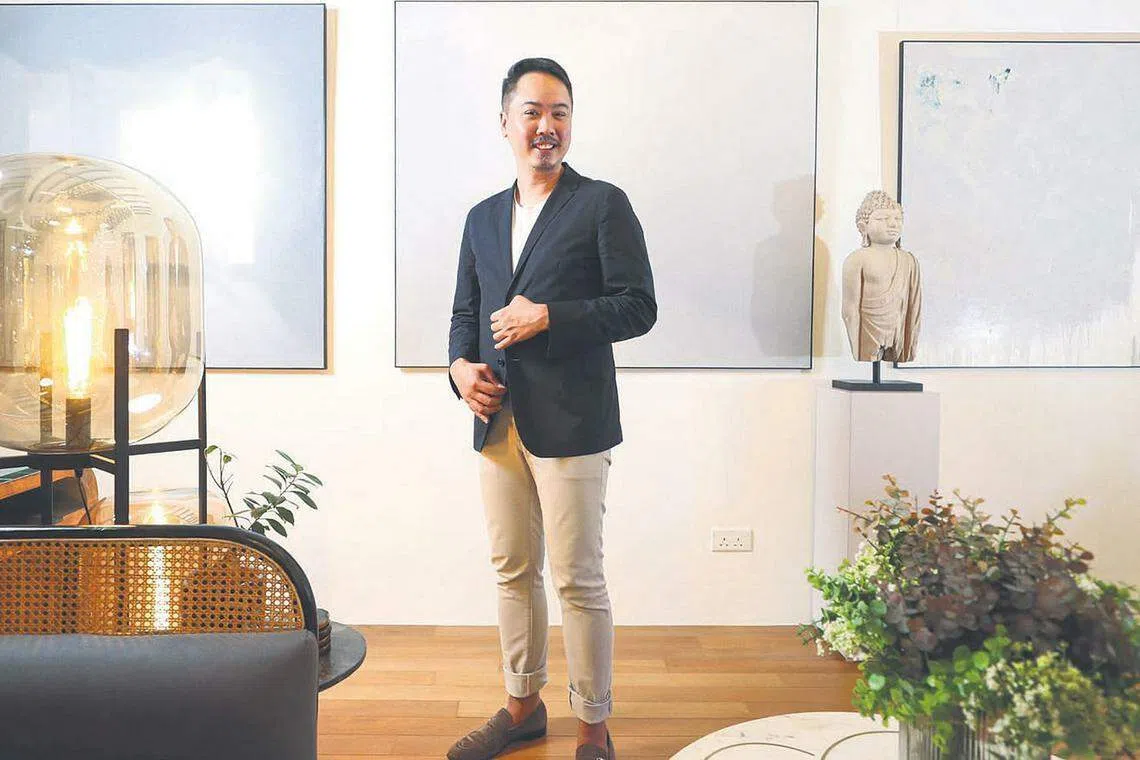
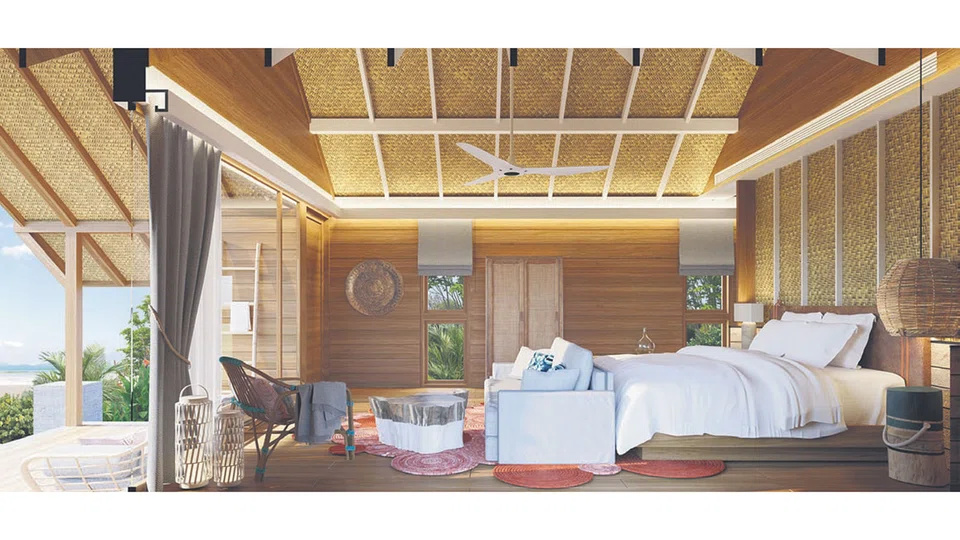
The 41-year-old specialises in hospitality design, and has put his touch on luxury resorts such as Finolhu Baa Atoll Maldives, MGallery Resort Indonesia, Lux* North Male Atoll, Socio by Lux* Mauritius, and SALT by Lux* Wolong.
His passion for designing resorts began during his internship days, when he was working on a project in the Maldives. ''I love the idea of creating a destination, where you have to consider what everyone will like,'' he says.
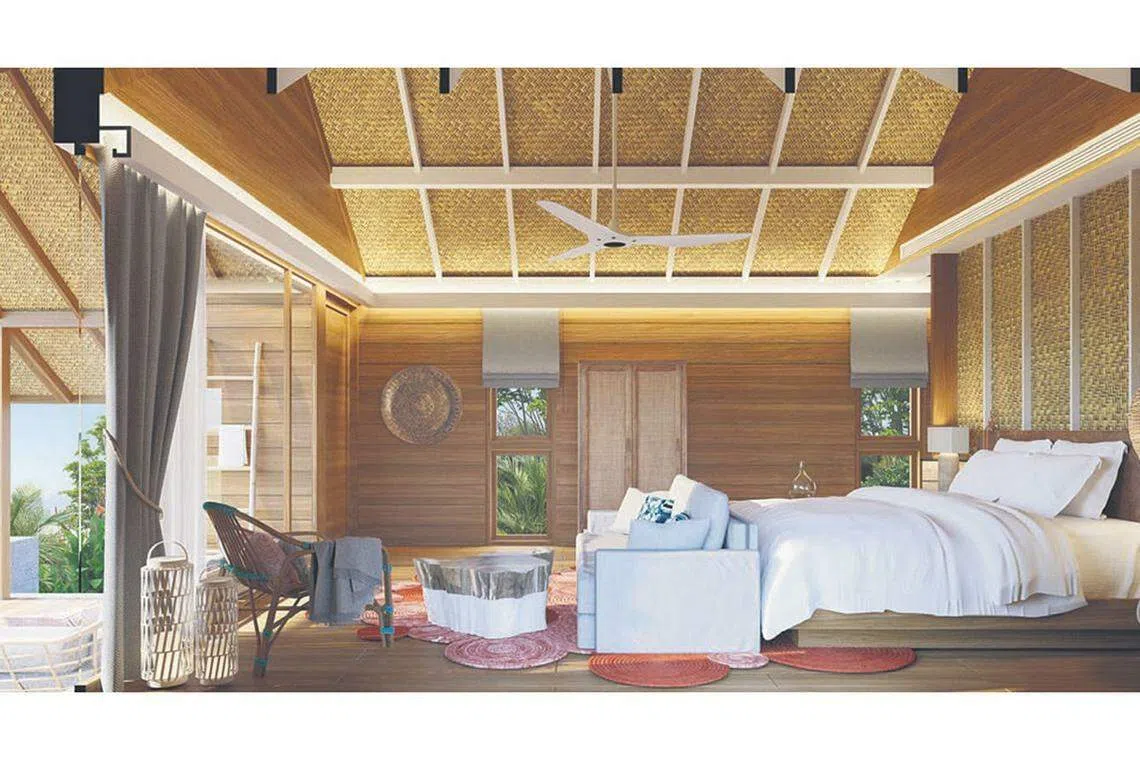
His role isn't just designing beautiful spaces that guests would like, but also involves space planning for the back of house. ''That matters because it allows guests to have the best experience,'' he says. ''I like the holistic view that is needed in hospitality design.''
With each project, he considers its site and location. ''I put myself in the guests' shoes, and ask why would I spend time and money staying in this resort,'' he says.
Rather than create a certain signature style, ''I like the properties to say something about the location and culture. When guests return to their rooms at the end of the day, they feel like they are part of the place.''
For him, that means building the resorts with locally sourced materials where possible, working with local craftsmen and local elements into the design. While designing LUX* Phu Quoc in Vietnam, he recalls how observing how the locals lived gave him ideas and inspiration.
For example, he would watch fishermen making fishing nets and got the idea to incorporate the nets into the bedheads and also wrap some of the resort's pillars with them.
While he has a knack for designing branded hotels and resorts, Chua's preferred choice of accommodation for his own travels is a boutique hotel or even a bed and breakfast.
''Staying in them provides me with a good learning design experience,'' he says. ''These places usually have a tight budget and small manpower team. I get to grasp how they run the place in a smart and efficient way.''
Maybe it is an occupational hazard, or as Chua says: ''I'm very passionate about what I do''- he has his list of pet peeves when staying in other hotels and resorts. ''Functionality and aesthetics must go hand in hand. I don't like it when they don't merge, it gives me a migraine,'' he breaks into a chuckle. ''I don't like it when something is designed for the sake of design.''
By that he means that, sometimes the bar stools are too low for the table even though they may look good, or that a coffee table is too high such that it blocks the view of the user.
It is this attention to details that clients come to him for, and also he professes to not have a design ego. ''I have this intrinsic need in me to create something different but yet it is still what the brand calls for,'' he says.
He is particular about who he works with, not because he is being fussy, but ''hotels and resorts take three to four years to build and if the client and I don't have the same ethos, it is difficult.''
But when you have him on board, Chua is fully hands-on with the curation, down to the little details, such as the layout of the bed and the choice of fabric for the cushions. ''Even the bottles in the bathroom, whether or not they should be green or white are decided by me.''
His hands-on approach means that designing a resort during a pandemic has proven to be a challenge, but he makes do with video calls. ''It is not the same,'' he sighs. ''At the end of the day, I still like to be on location to touch and feel things.''
Like everyone else, Chua has been made to stay home for the past 20 months. Home is a three-storey shophouse in Spottiswoode Park where he and his partner, a couture designer, live.
Chua says that he's always had a soft spot for shophouses, having stayed in 2 previously. ''I like their heritage element,'' he says.
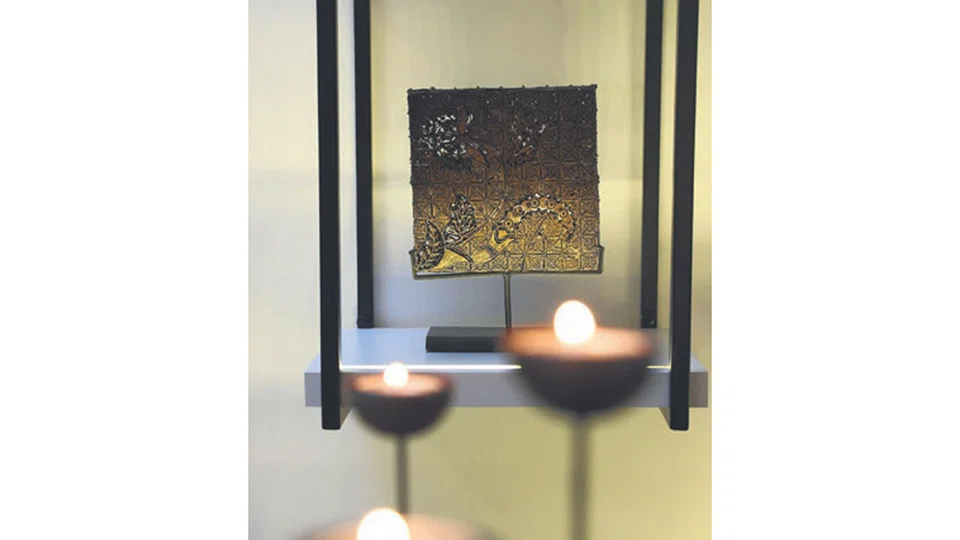
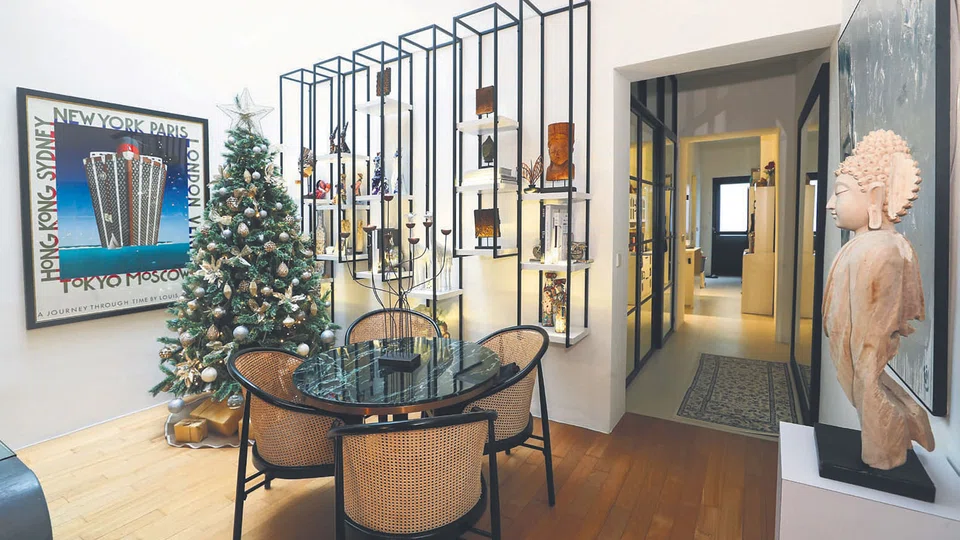
This shophouse has certain elements of a hotel but yet is still homely, thanks to the display of personal photographs and art, the latter an eclectic mix of vintage posters, Buddha figurines carved from reclaimed wood, porcelain statues and a specially commissioned artwork of the couple.
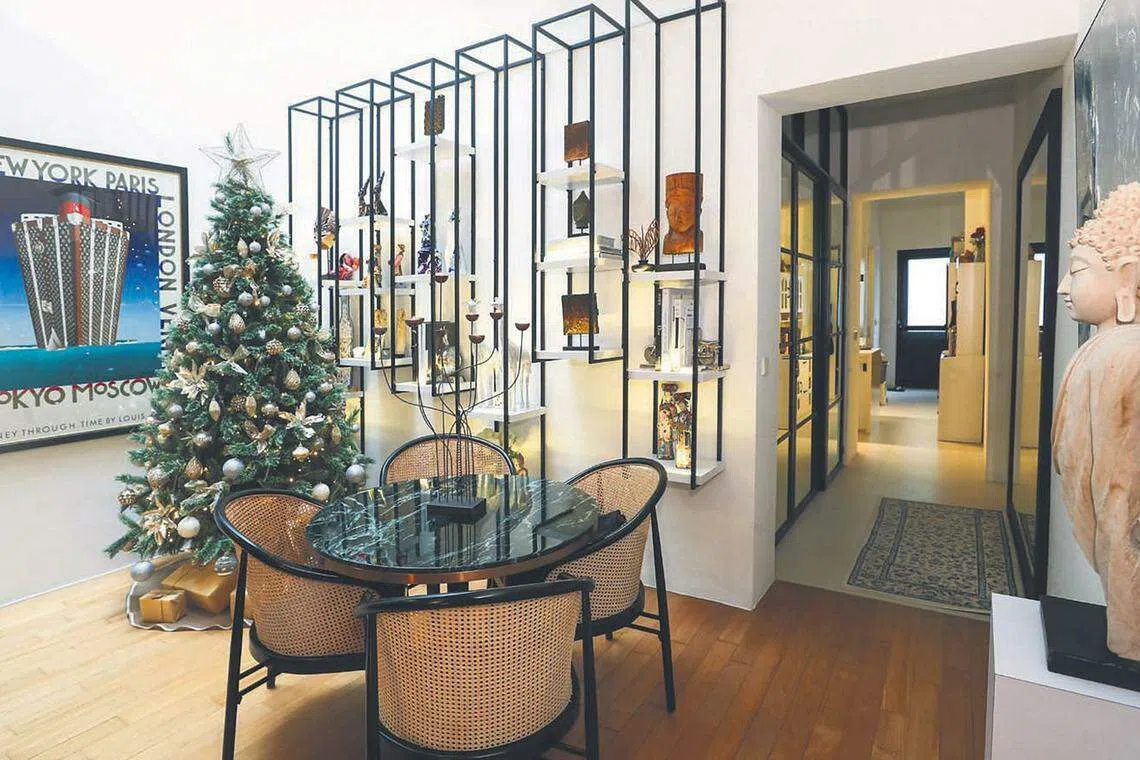
''Don't rush into decorating your home. Understand what you need, how big an artwork should be, and buy only when it feels right,'' Chua advises.
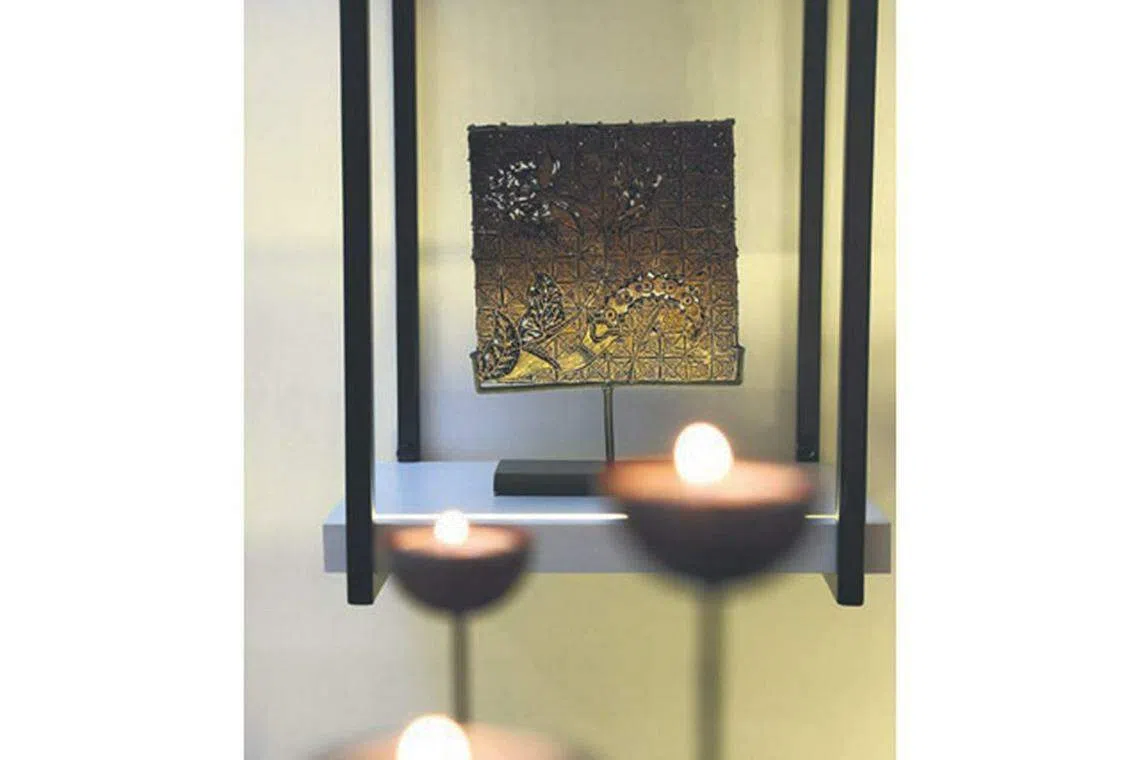
The couple enjoy entertaining and sometimes have clients over, and the house is designed for this purpose.
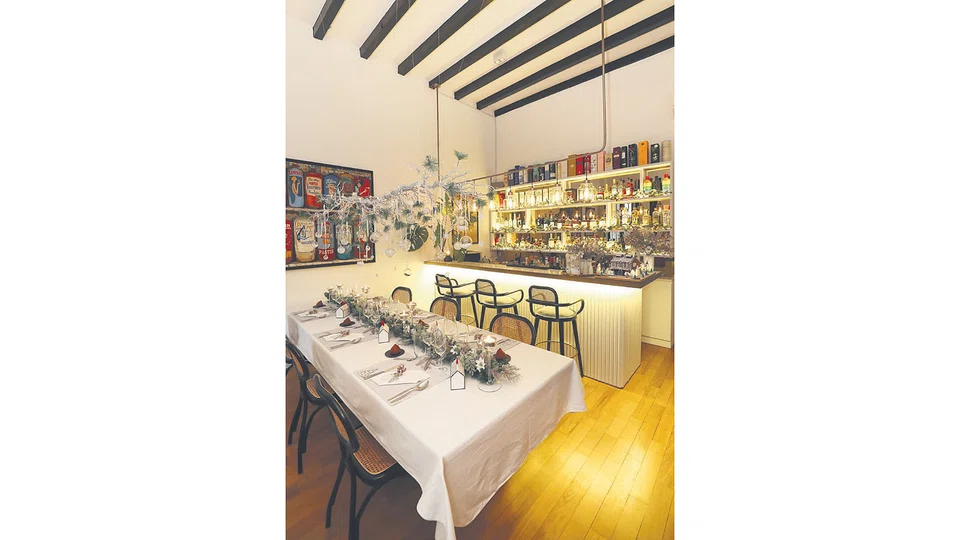
Stepping into the home, visitors are greeted by a six-seater dining table and bar, before they head further into the home where the lounge is and then the kitchen.
''I wanted the livelier space upfront,'' says Chua of the choice to have the dining room first. Sometimes the windows are thrown open, and passersby are known to peep in out of curiosity.
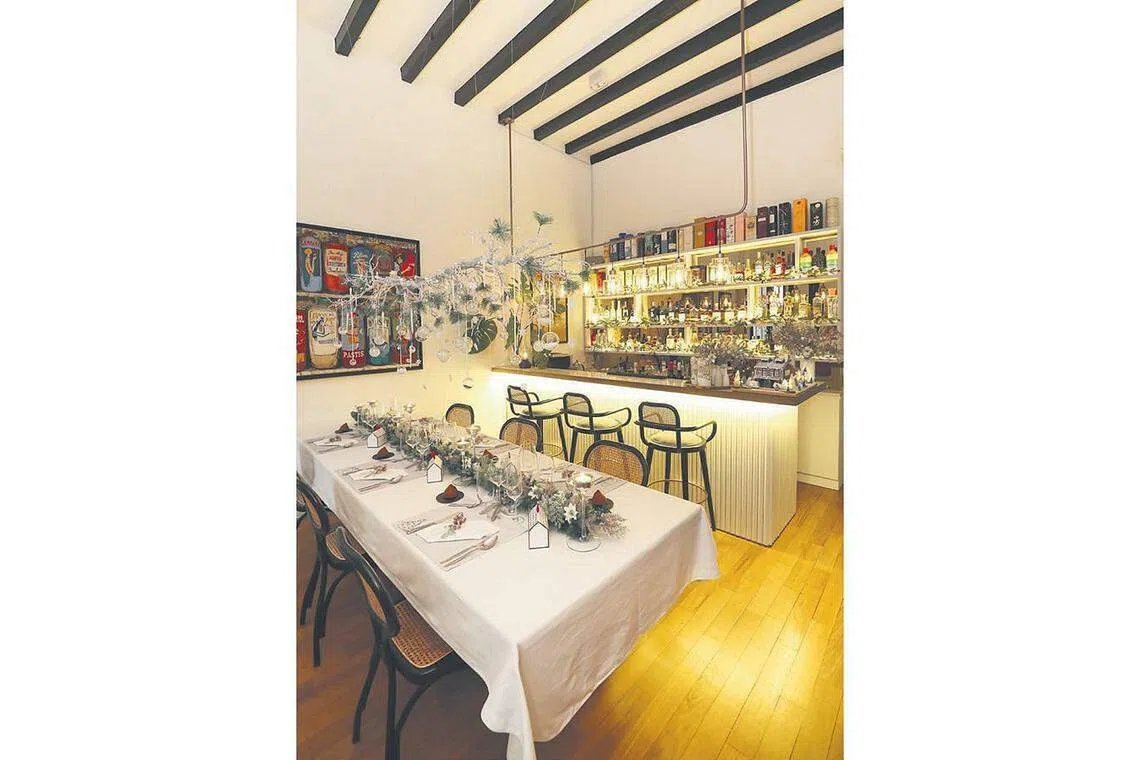
The lounge area is a quieter space, filled with vintage furniture and other decorative accessories. Another reason for this layout is that when they have a chef over for parties, ''there is constant movement throughout the house, and no dead space,'' Chua says.
There is a guest bedroom on the second floor, along with another room which serves as an atelier.
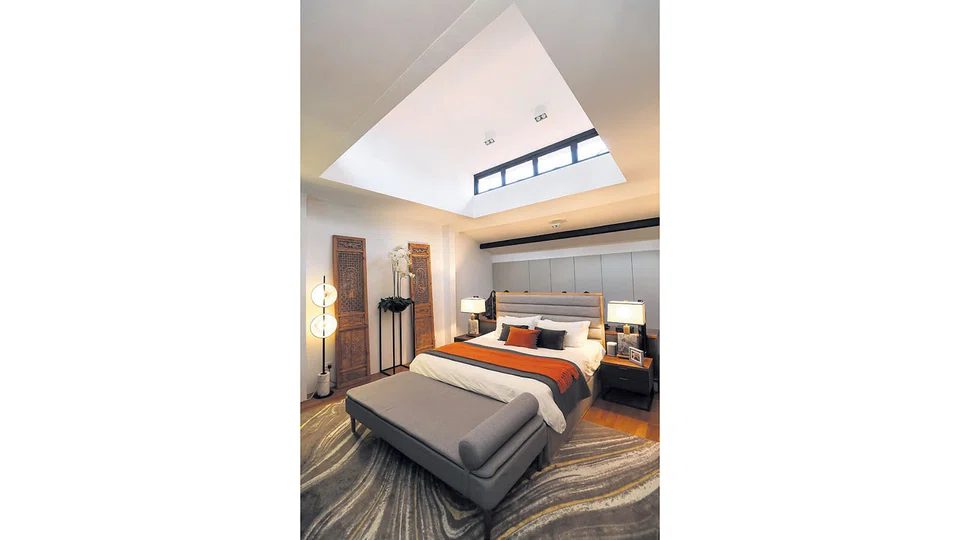
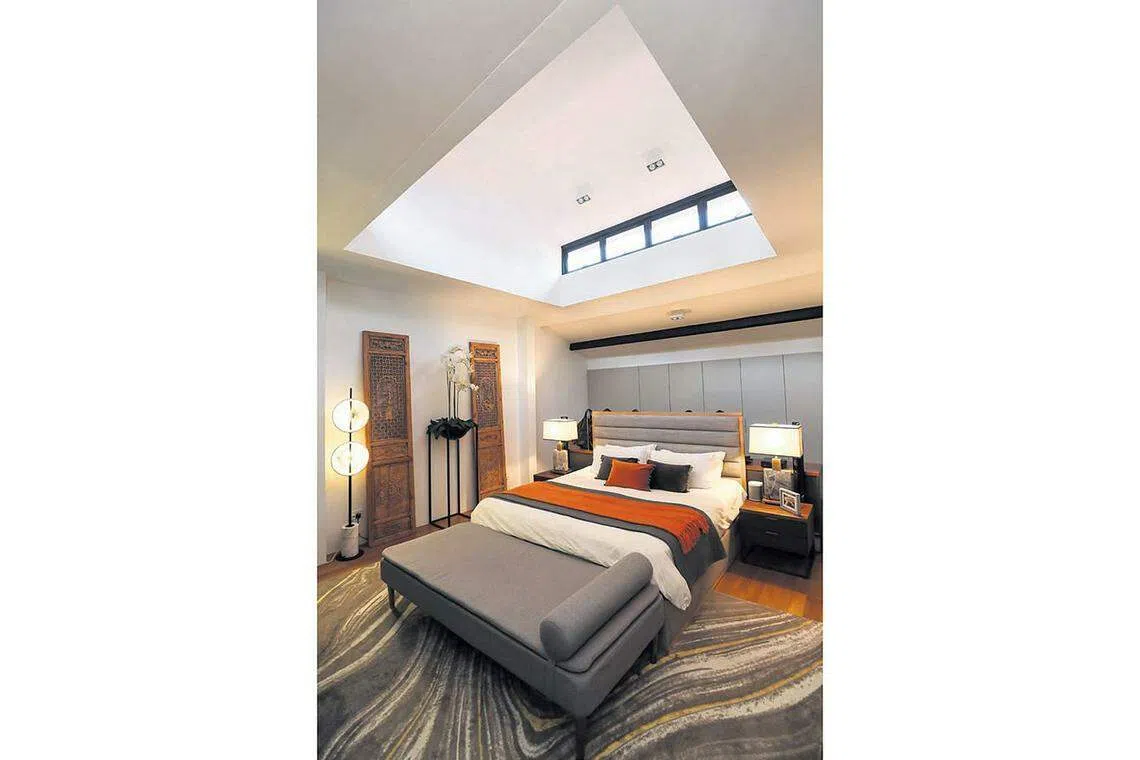
The third floor is the bedroom, which is designed like a hotel room. ''As I travel so much, the bedroom had to be a calming space. And I love hotels so much that I want to have one in my own home,'' says Chua.
A bed takes centrestage, leaving enough room behind it for Chua's collection of bags. The black out curtains, sockets by the bed, white sheets, cushions and throws on the bed are like what you would expect in a hotel room. ''If I don't have these elements, I get irritated,'' Chua laughs.
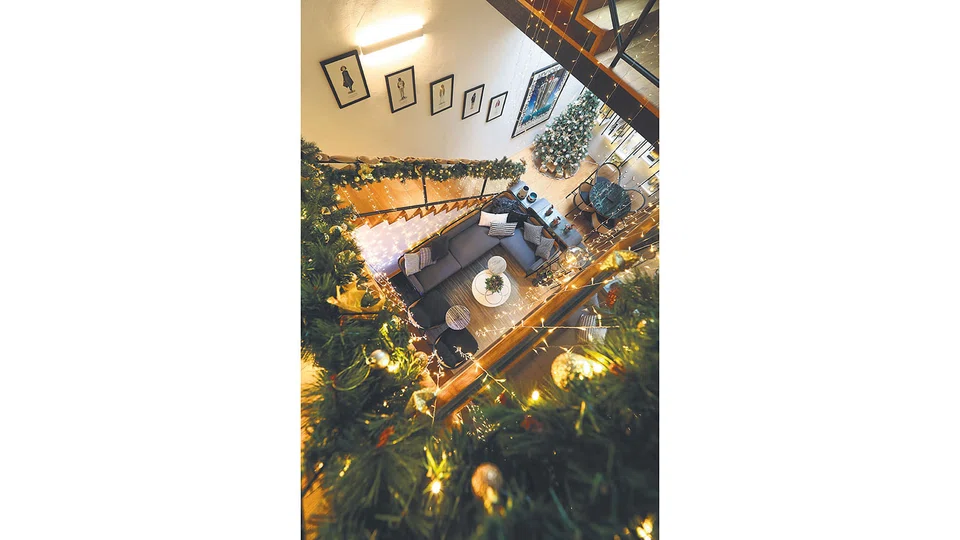
The staircase is one of his favourite features of the shophouse as ''with some decorations, I can create that hotel lobby feel,'' he says. For Christmas, he has strung up fairy lights along the staircase, and for Chinese New Year, lanterns will be hung up.
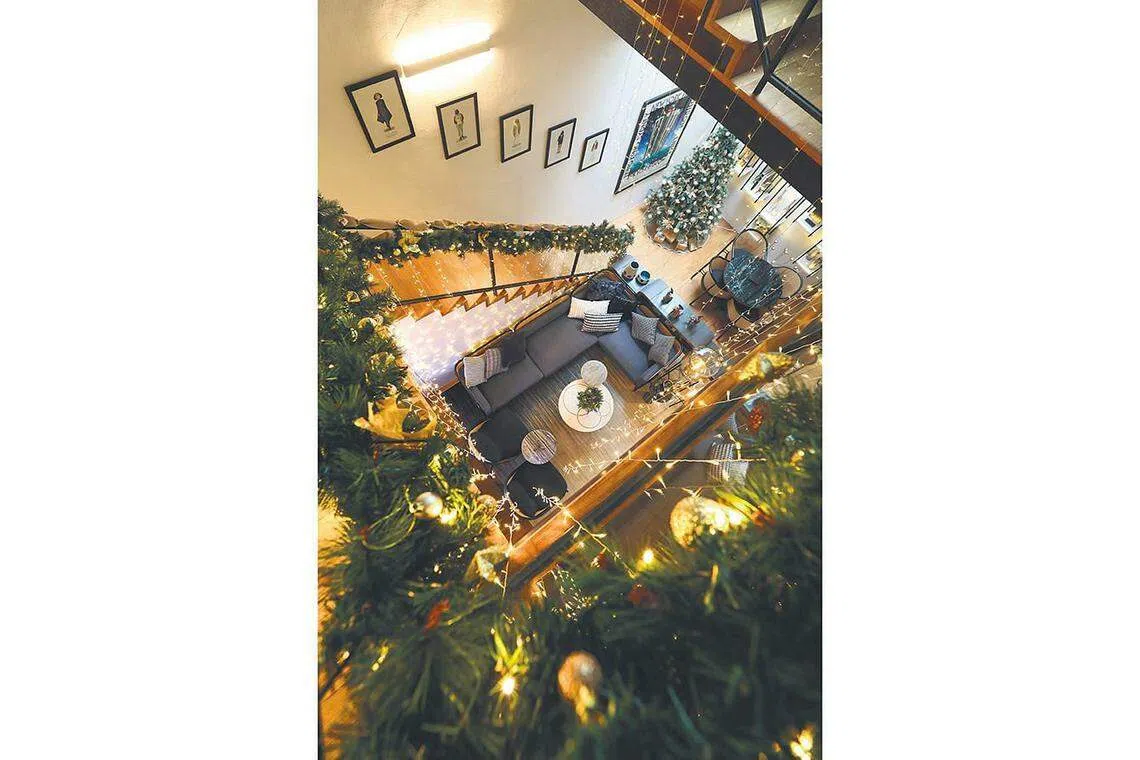
''The staircase will be grand, but there are other spots in the house that will be done up but in a quieter way,'' says Chua. ''There is a layering of design, where there are big and small moments.''
The home is usually the gathering spot for friends and family during the festive season, and the couple spare no expense in decking out the space. At the foot of the staircase stands a Christmas tree adorned with silver and white trimmings.
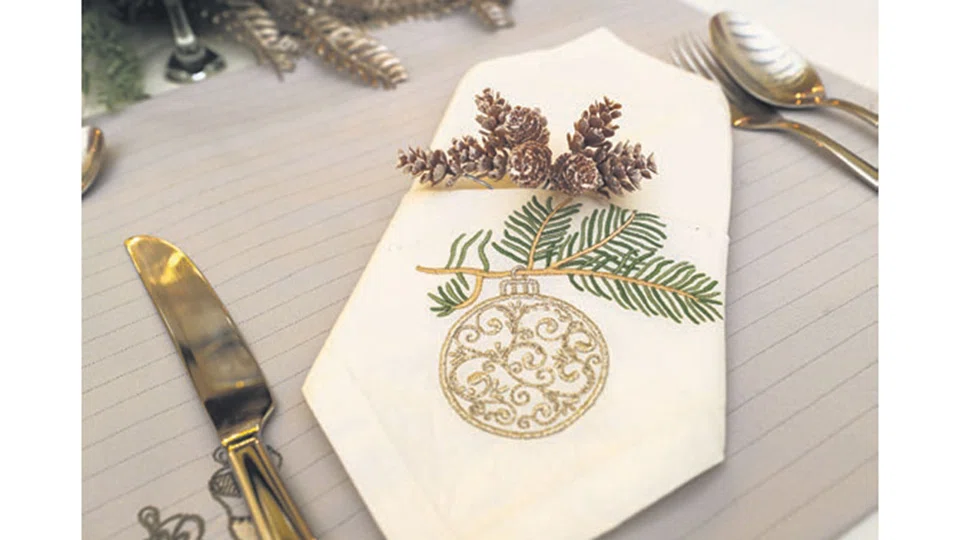
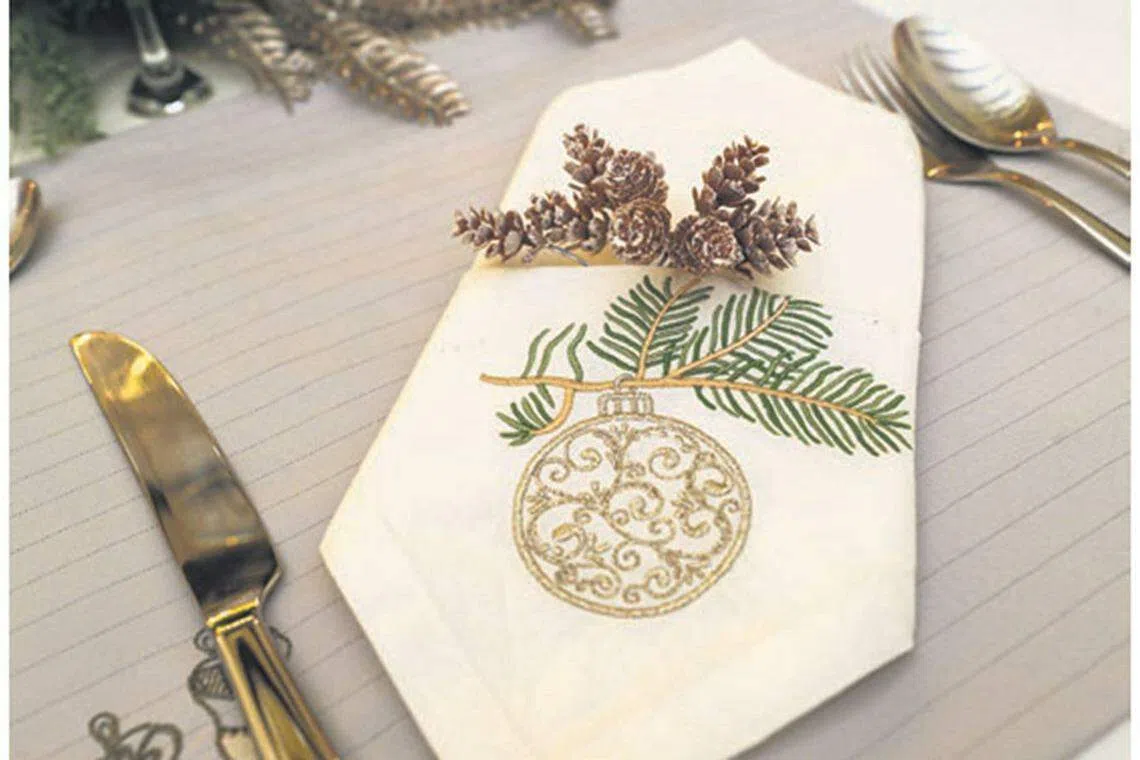
Branches which have been spray painted white, together with fairy lights, icicles and baubles that have been individually filled with tinsel and snowflakes hang above the dining table. Paper napkins would not do, so instead, there are cotton napkins that the couple have hand embroidered baubles on.
The final touch is a gingerbread house made from scratch and shaped like this shophouse and the neighbouring one which Chua designed.
''Hopefully, we will be able to have a party by then,'' says Chua.
Decoding Asia newsletter: your guide to navigating Asia in a new global order. Sign up here to get Decoding Asia newsletter. Delivered to your inbox. Free.
Copyright SPH Media. All rights reserved.