

Snow crabs and wagyu – the ultimate feast in Tottori
Dining in possibly Japan’s most expensive crab restaurant and exploring local beef make repeat visits to this prefecture worthwhile
“IT’S NOT JUST ABOUT THE crab,” says Tatsuya Yamada, as he carefully squeezes a drop of soy sauce from a pipette onto the pristine, jewelled raw flesh of a single crab leg – presented on a stone plate like still life art.
“Anybody can get good crab. What matters is the skill.” Yamada doesn’t speak English, but he punctuates his assistant’s halting translation with a flex of his bicep.
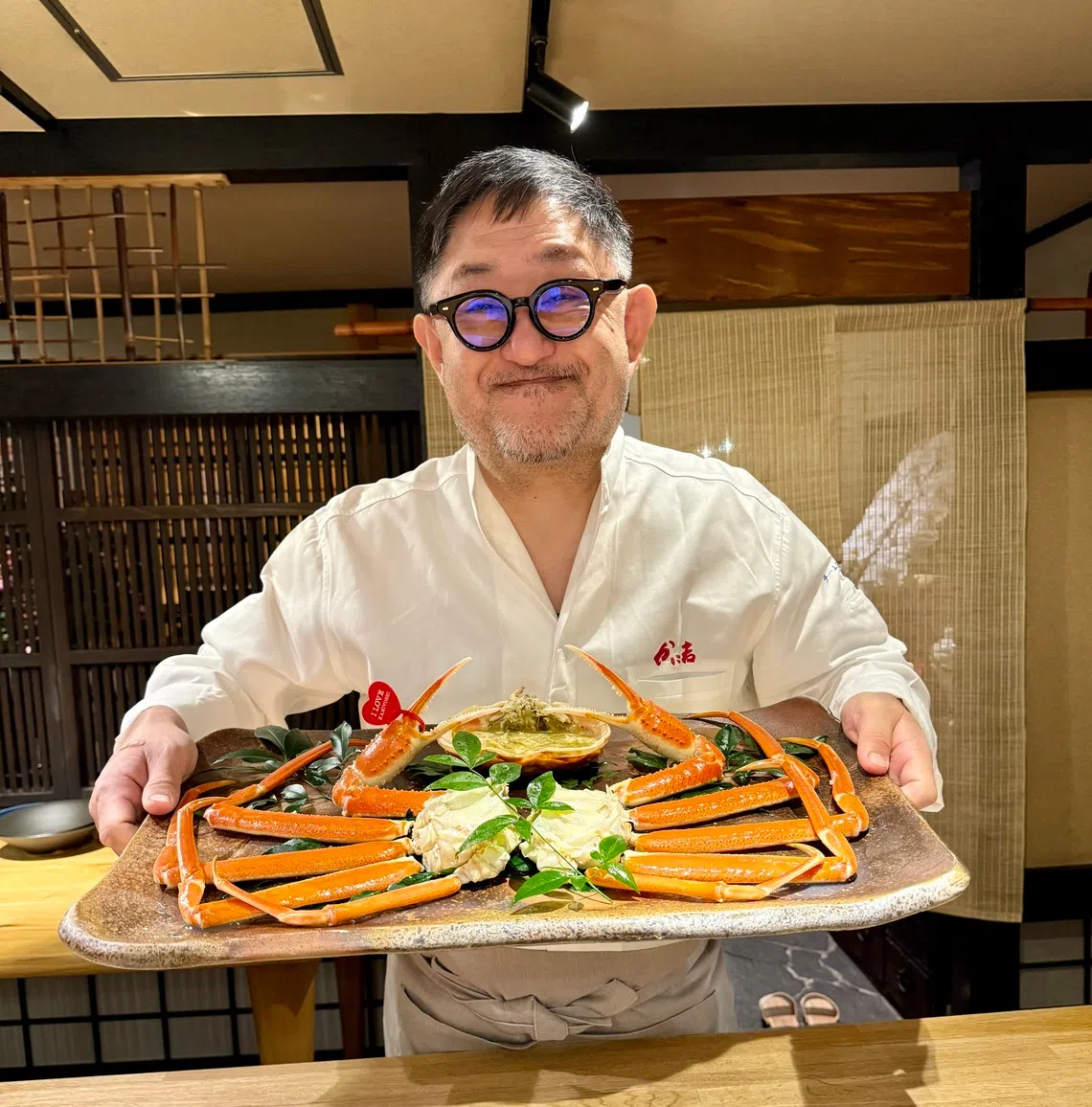
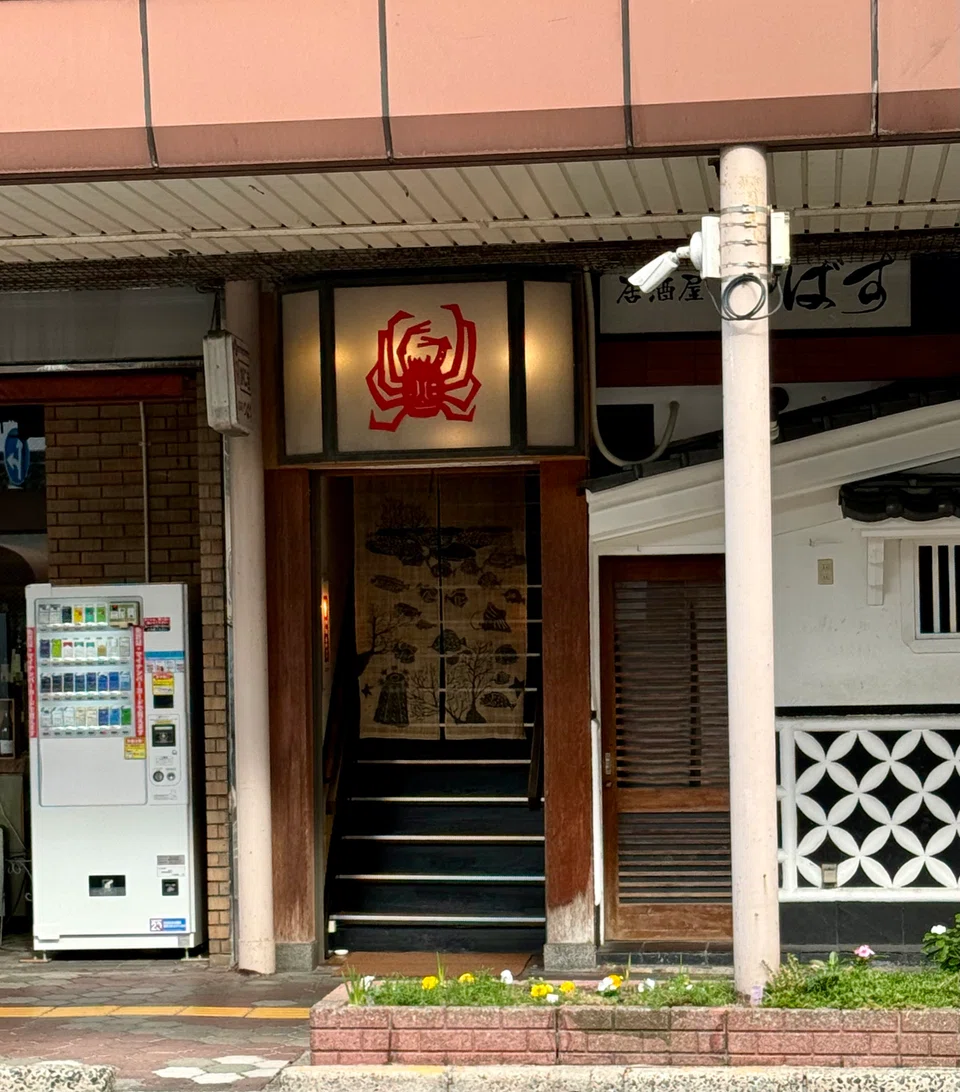
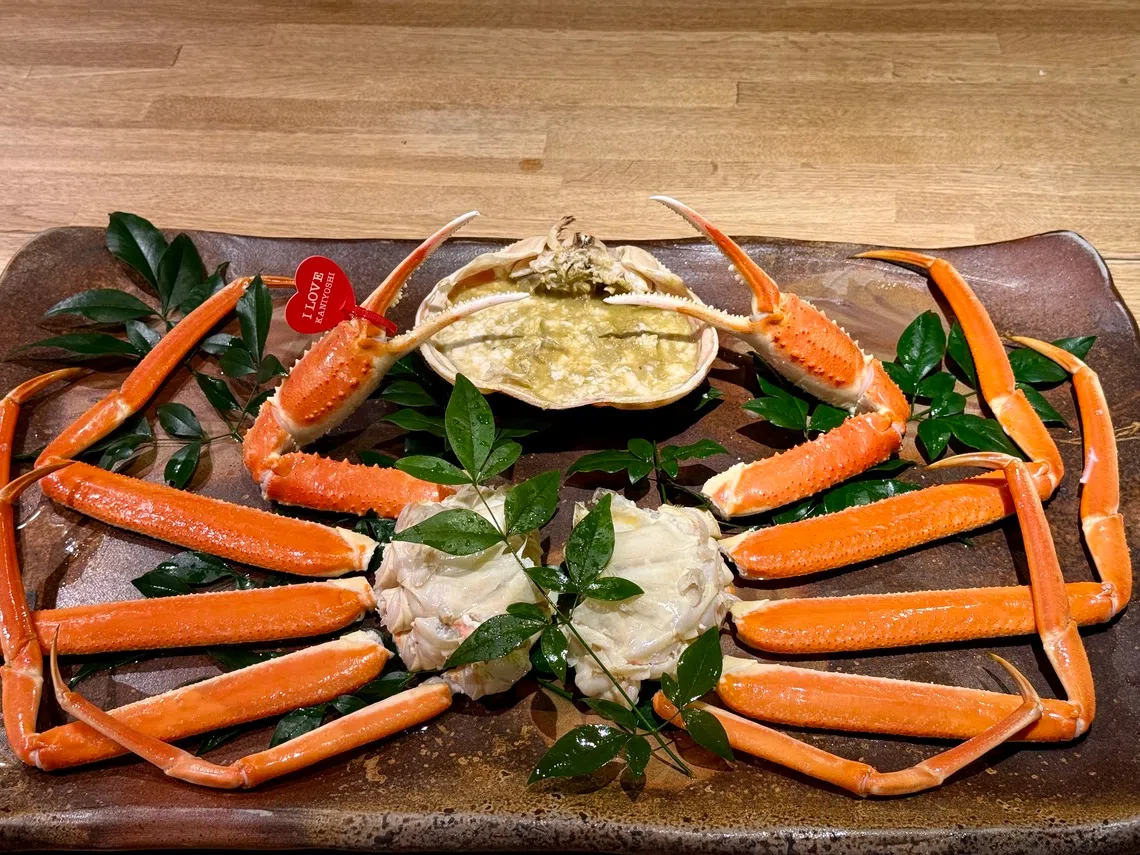
Yamada is something of an institution in the world of Japanese snow crabs. His two-Michelin-starred restaurant Kaniyoshi in Tottori is considered the holy grail for snow crab lovers, with a meal there – if you can get a reservation – costing upwards of 200,000 yen (S$1,672) a person.
Perhaps in Singapore it might be par for the course to pay that price for a crab that flies in on business class, but even by Tokyo standards, this is exorbitant.
Considering that the next highest-end crab restaurants in Tottori charge an average of 50,000 to 60,000 yen – already too steep for the locals – Kaniyoshi’s pricing isn’t without controversy. Yet, going by local lore that regulars are known to fly in by private jet, there seems to be no lack of demand.
Besides, dining at the source is always the ultimate indulgence – and Tottori prefecture in Japan’s Chugoku region is famous for its abundance of matsubagani – the Rolls-Royce of crabs. November is the best time to visit as it coincides with the start of the crab season, which ends around February or March.
Performance art
Incidentally, it should be noted that matsuba crabs are also known by other names such as Echizen and Taiza – that comes down to the branding and region they’re caught in. Species-wise, they are all the same.
Quality dictates price, but even that is debatable. Yamada is said to bid very high auction prices at Hamasaka port in Hyogo prefecture, where he is from. But you can’t tell exactly what he paid for, because he serves crab without the identification tag that indicates where it’s from and who caught it. Instead, Yamada serves the anonymous specimen with his own tag – an almost audacious, heart-shaped plastic label saying “I love Kaniyoshi”.
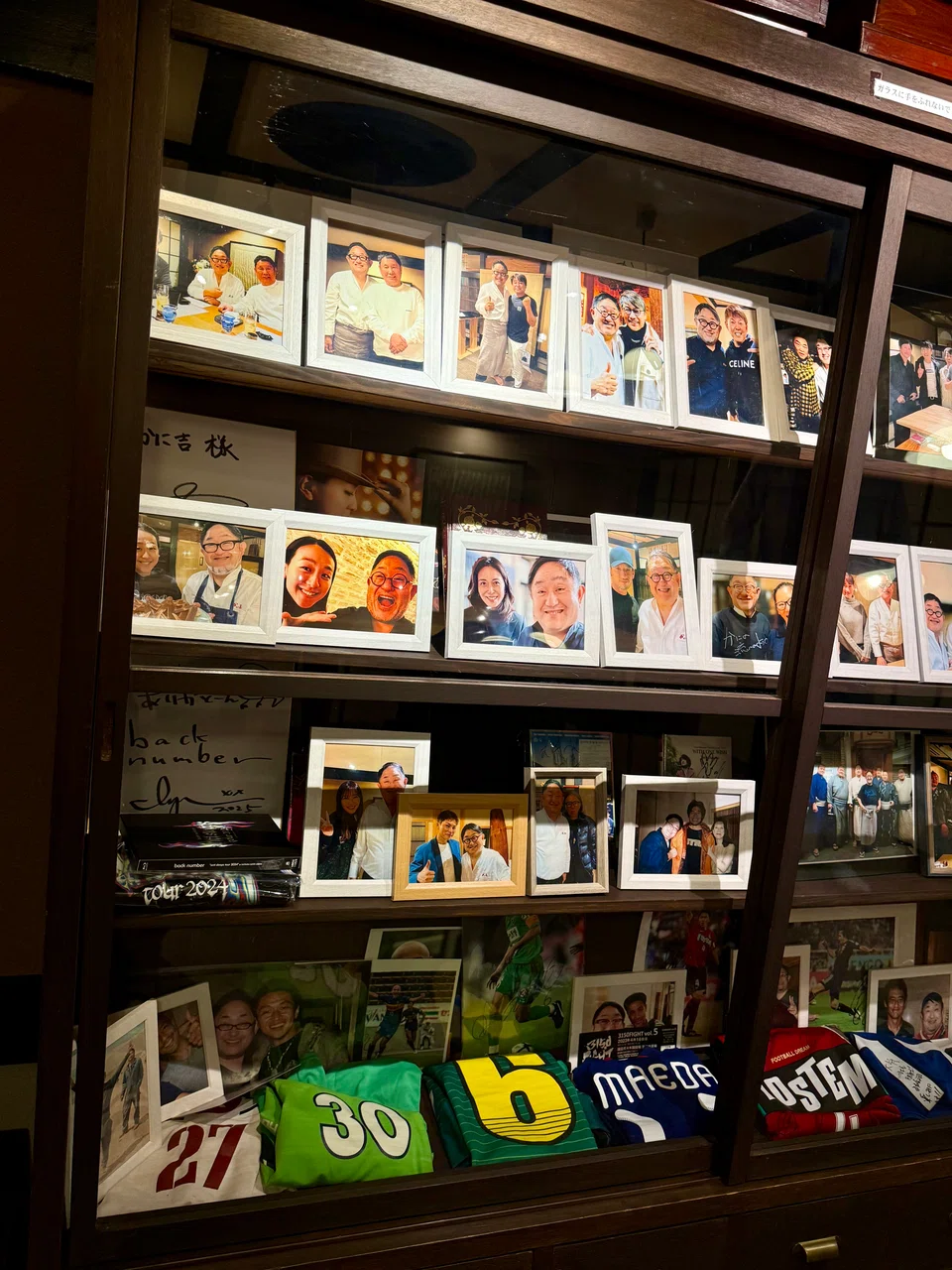
But there’s no denying that Yamada offers something special. He cooks personally for only one group at a time – up to six people – in a living room space presided by a large dining table, where he and two assistants present precious morsels prepared every which way. The former wrestler also shows off a display cabinet filled with photos of him and Japanese celebrities, so you know the circle he runs in.


The meal is almost like performance art, with a menu that only hints at the preparation: fresh, grilled, buttered, fried, boiled and so on. Each is presented with a flourish and specific instructions on how to eat.
It starts with a bowl of creamy kani miso – an earthy, briny cream of crab liver that’s intense and powerful in umami. Then the aforementioned leg, which we’re told to take a bite of without any seasoning before he adds drops of soy sauce to show the difference. Wasabi adds a different depth.
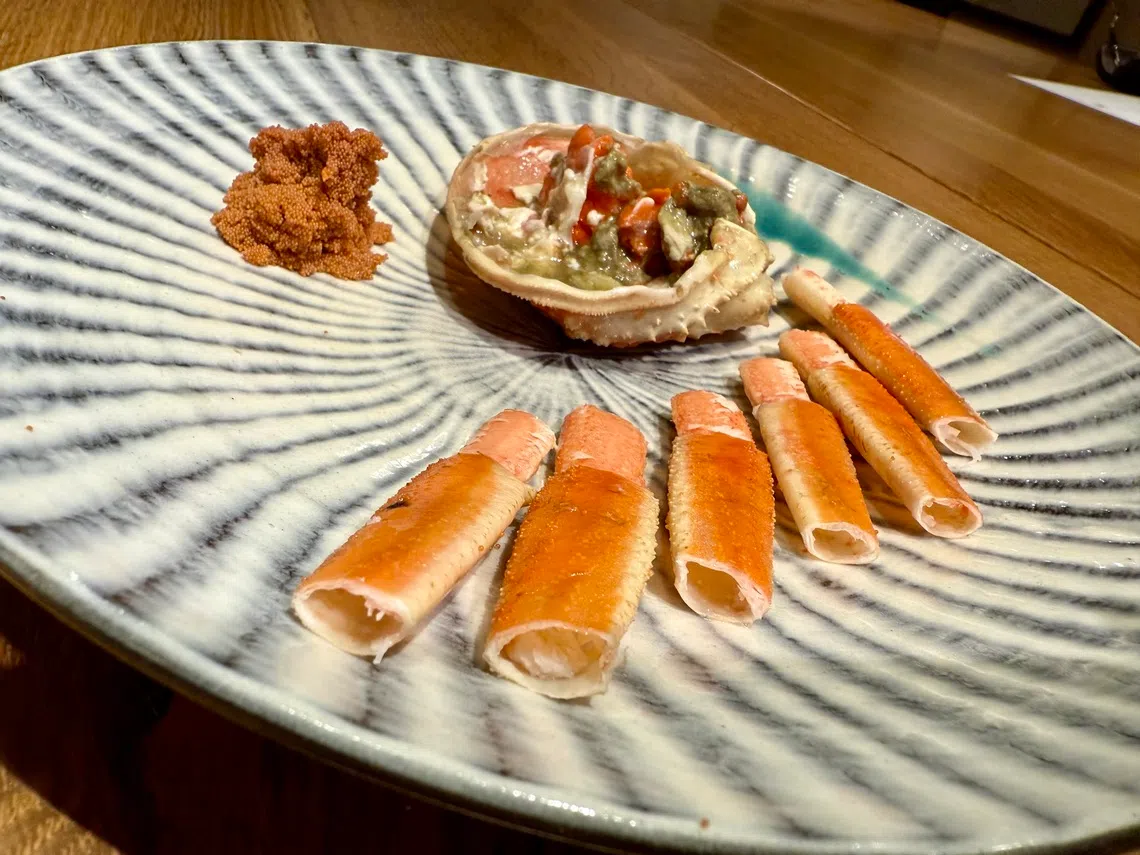
It’s the texture of the raw crab that stands out – not for the taste, which is very mild, but the delicate, almost fluffy mouth-feel. It’s less obvious once it’s boiled, but when Yamada slits the legs and scoops out the flesh before commanding you to slurp it right off the shell, the sweetness comes through.
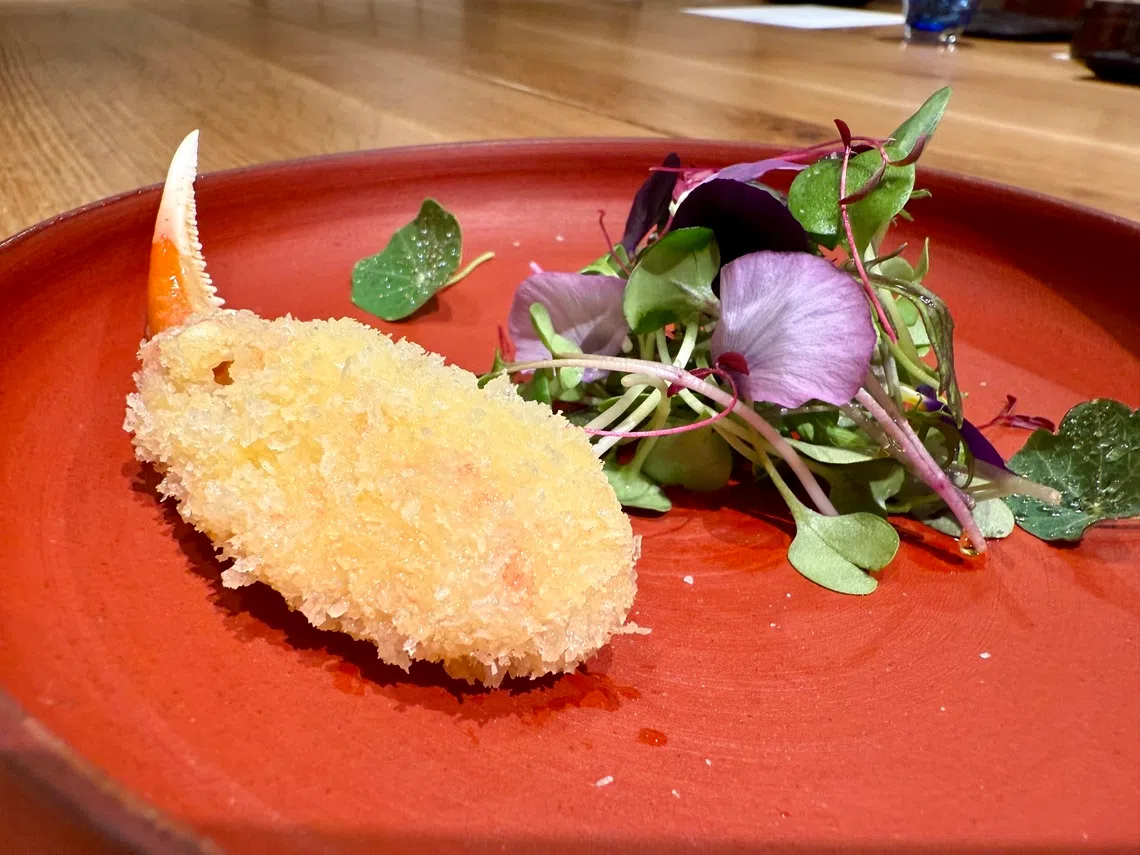
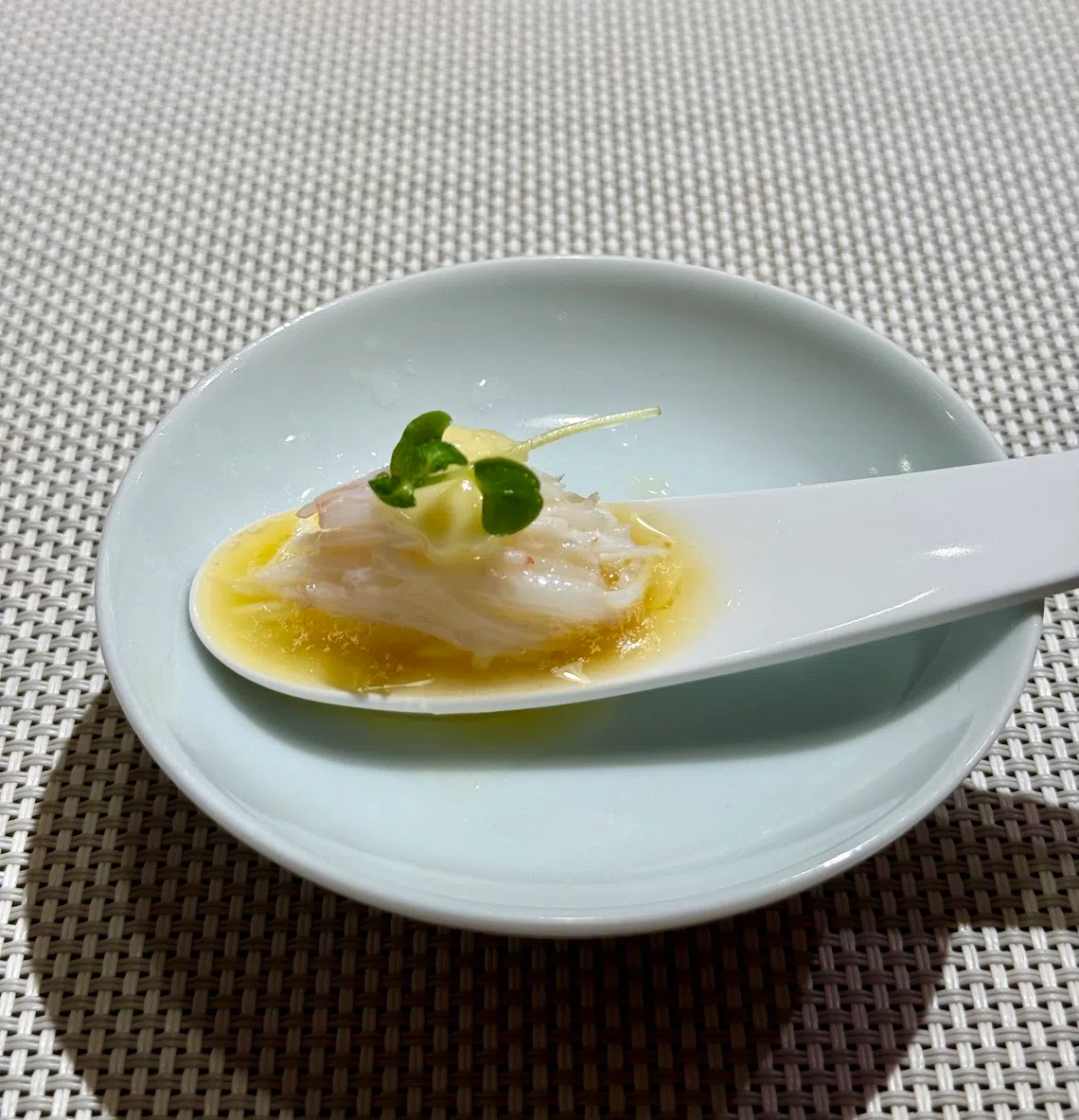
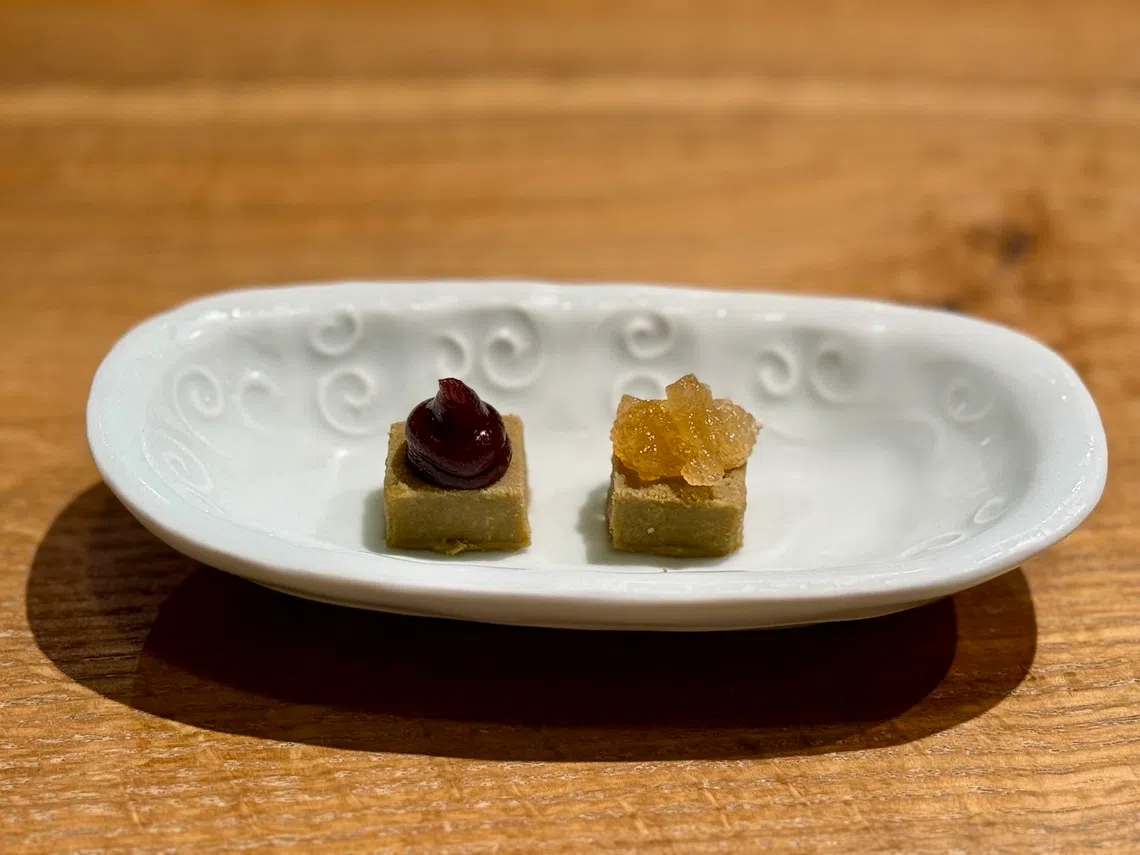
And so it follows in this fashion. A whole female snow crab (the much smaller oyagani), meticulously dissected such that the flesh slides out with zero effort. A perfectly fried claw tempura. A spoonful of crab meat gently poached in butter. And the eye-openers: two tiny cubes of frozen kani miso sherbet resembling foie gras, topped with red bean paste and marmalade. We can get crab anywhere, but this sherbet is in a class of its own.
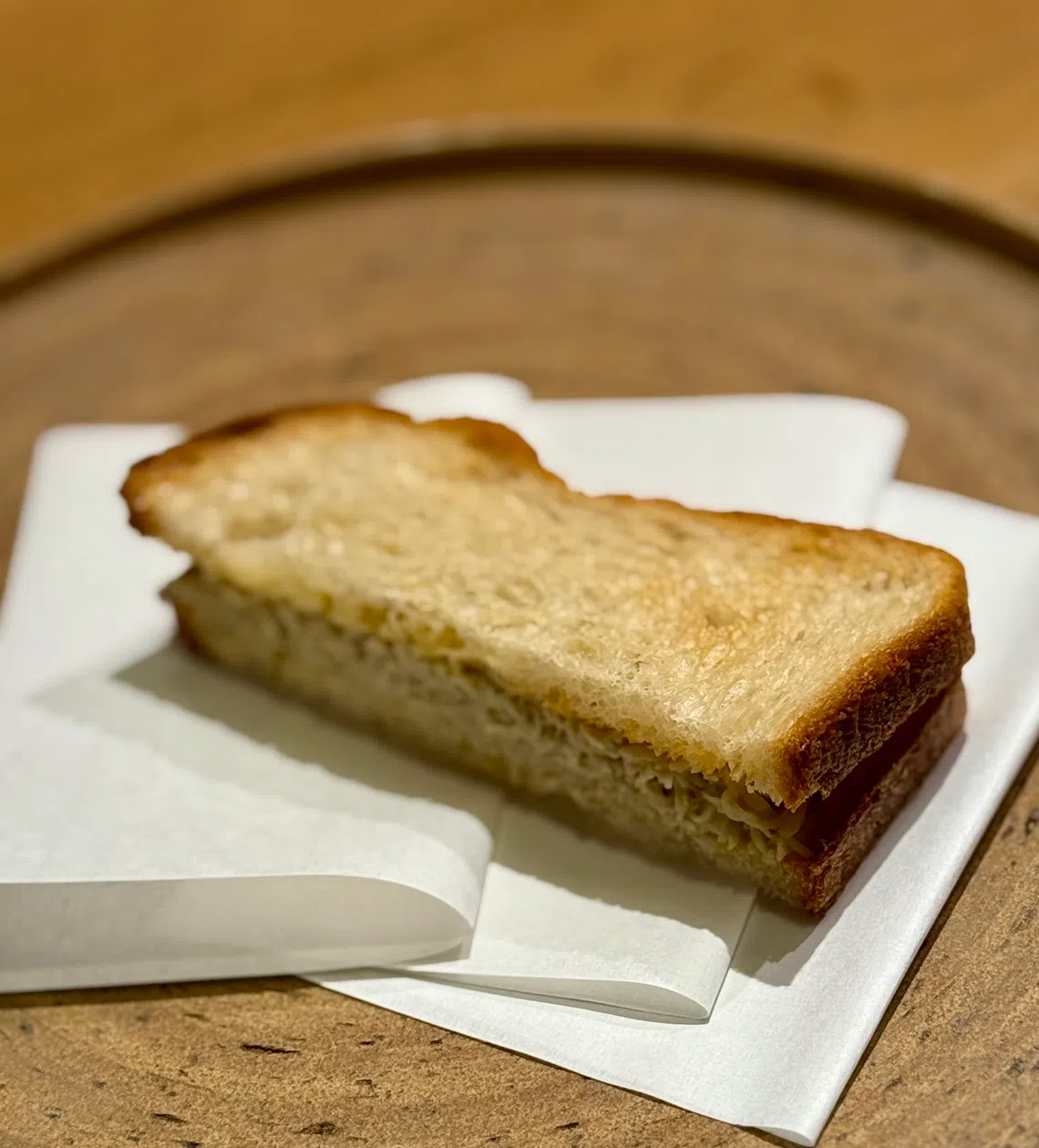
Same with the kani sando – the ultimate sandwich of crab meat and kani miso spread between thin slices of light and super-crisp toast sourced from a special bakery in Osaka.
As a chef of a three-Michelin-starred Tokyo restaurant who has dined at Kaniyoshi tells us: “The difference in quality between a No 1 crab and a No 2 crab is very small, and the premium isn’t necessarily commensurate.” Incidentally, a top-quality crab course in the most expensive Tokyo restaurants is unlikely to exceed 100,000 yen a head.
So, price-wise, for the amount of crab you get at Kaniyoshi – imagine one matsubagani, two inexpensive oyagani and little bits and bobs coming up to 400,000 yen for two – it’s not possible to justify the expense. But for the experience, Yamada’s showmanship and hospitality – maybe the jury is still out.
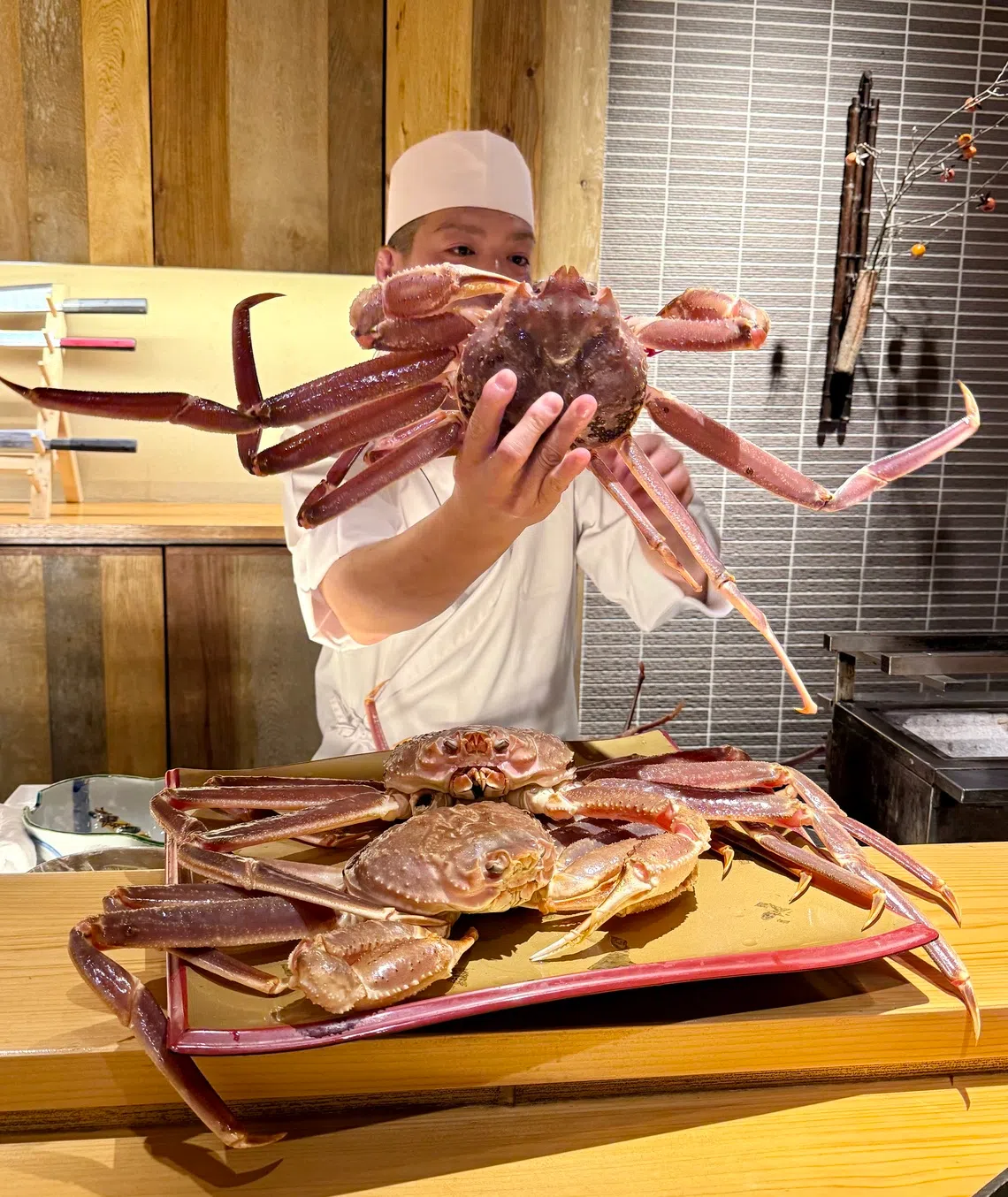
Crab feasts
When you can’t get into Kaniyoshi – or refuse to – there are other options that won’t make you feel like you’re losing out. Mitsuki, which we’ve been to before, also has two Michelin stars and is a very reliable – if conventional – restaurant that serves top-quality crabs from Hamasaka as well, but at 50,000 yen a head on average.
But this time around, we discover Kisara in Yonaga – about an hour’s train ride from Tottori – and you’re assured of a rousing good time in the enthusiastic hands of its bubbly chef Takahiro Takebe.
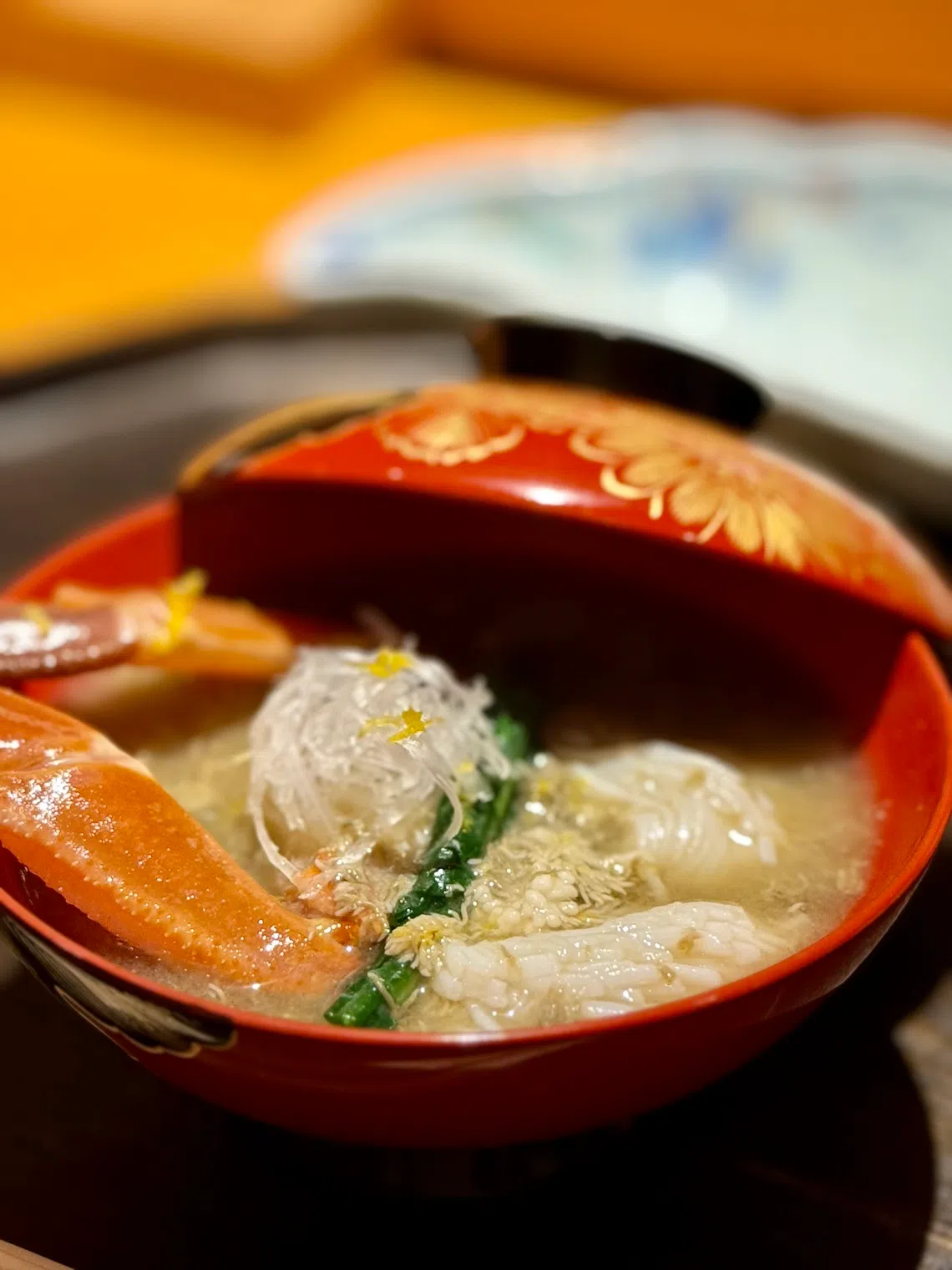
Just the sight of him slapping matsuba crab after crab on the counter of his cosy kappo eatery – one for every customer who orders his 50,000 yen course – is enough to get one excited. Watch him and his team rip, slash and cook in quick precision, while Takebe entertains with his showmanship and warm hospitality.
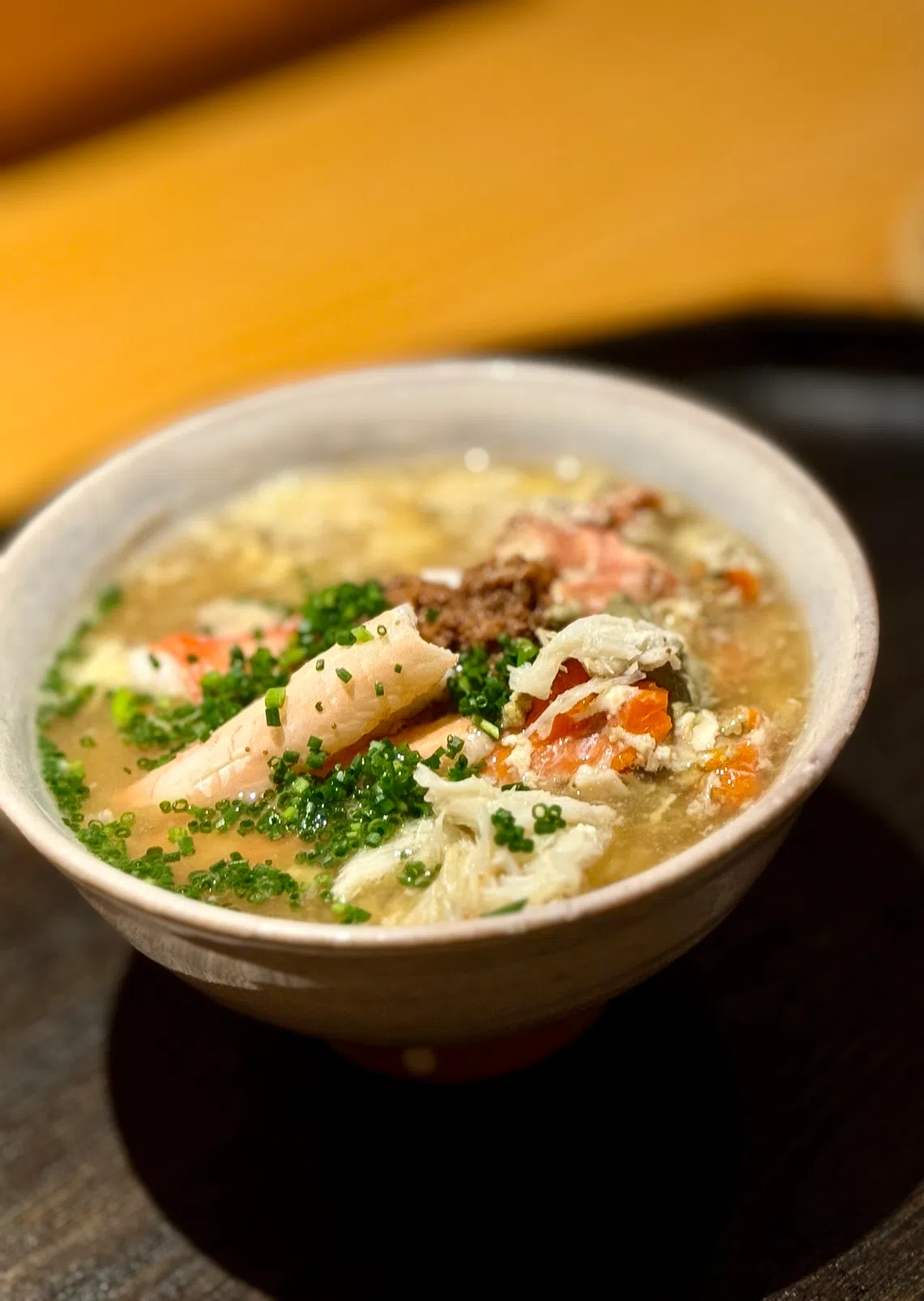
The crab quality is very good – you get an onslaught of it in various permutations. Comforting, hearty broths; ice water-dunked sashimi; lightly torched legs; deep-fried tempura served with savoury crab foam; a giant pile of charbroiled legs and claws; and a heartwarming porridge to end with.
You don’t have to think about whether it’s worth a second visit. You’ll be booking it before you take that train back to Tottori, and back home – where you’ll have enough time to recover from your matsuba overdose before the next season comes around.
Tottori wagyu
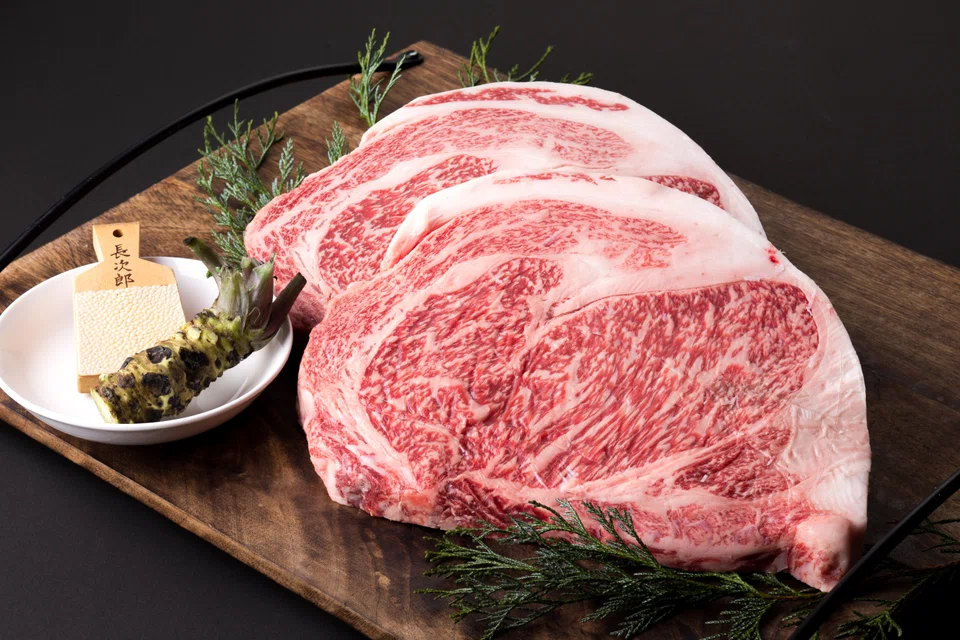
While snow crab tends to grab all the attention in Tottori, there’s a year-round speciality that probably doesn’t get the credit it deserves – local wagyu.
It’s something Kengo Torikai would like to change. The former news anchor – who now drives business development at his family’s eponymous cattle farm – has been on a charm offensive to promote the virtues of his home-grown beef.
Tottori wagyu has long been in the shadow of its more “pedigreed” cousins in the more storied cattle-producing regions – namely Kobe and Matsusaka. They all come from the acclaimed Tajima bloodline – highly prized and even more highly priced the purer the cattle are.
Tottori cattle, on the other hand, are totally different from Tajima – the indigenous Kedaka, which is larger and traditionally farmed for volume rather than quality. But all that has changed thanks to farms like Torikai, which have since shifted to boosting the flavour and profile of their beef.
They are well-placed to do so thanks to changing customer preferences, as they prioritise health over indulgence, says Kengo, whose late father entered cattle farming some 50 years ago. His brother Yutaro now runs operations on the farm in Kurayoshi, Tottori, with their mother – a respected cattle insemination specialist.
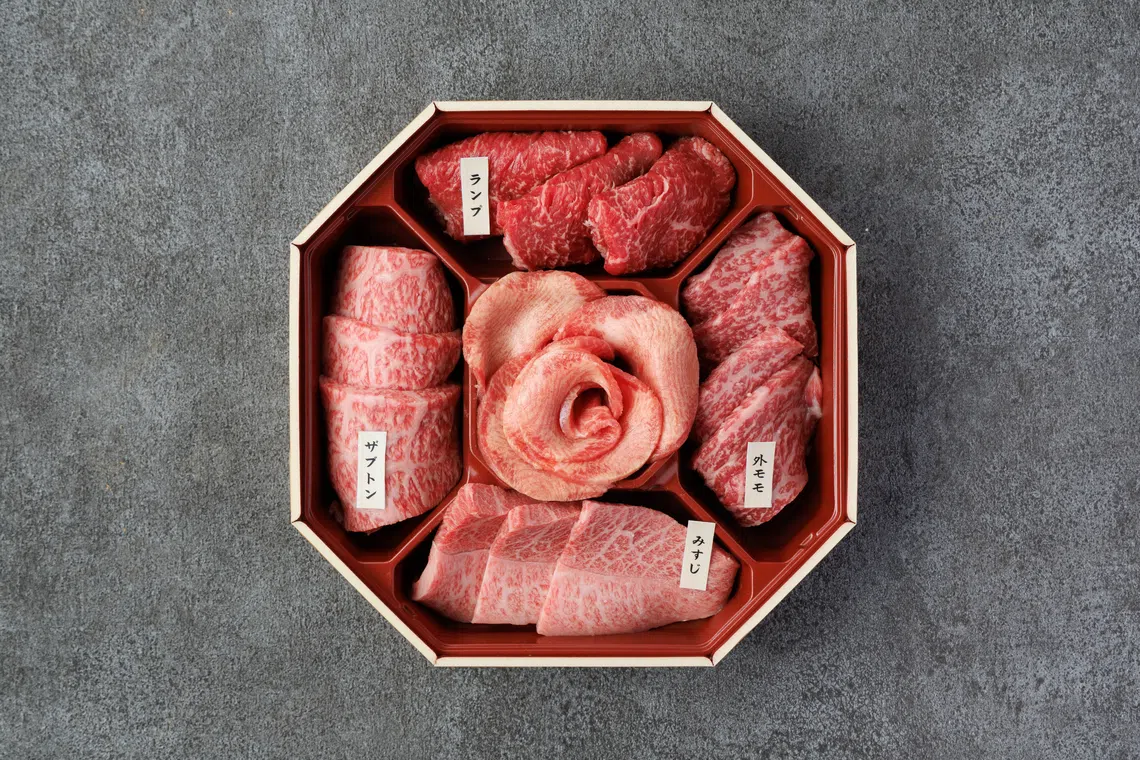
The gold standard for prime Tajima beef is its marbling or shimofuri, which also means a high level of fat in the meat – something farms like Torikai try to avoid, says Kengo. “Marbling is one of the most valued traits, but we emphasise flavour over looks.”
Torikai’s cows are bred to maximise glycogen and oleic acid levels instead, he adds. Glycogen amplifies the meat’s umami, while oleic acid is a healthy fat that’s synonymous with olive oil.
Torikai also carefully controls the feeding and living arrangements of its animals, ensuring that cows and their calves are kept close together. “We don’t separate the calves from their mothers because we feel that it reduces stress levels and increases the level of bonding – just like with parents and children,” explains Kengo.
It’s not a standard farm practice, but it is at Torikai, which also ensures the quality of their bloodline through selective breeding (insemination).
Even the feed is carefully calibrated. “We use unprocessed cereals in their feed like barley to lighten the meat flavour,” says Kengo. “We used to use corn, but that made the taste of the fat too heavy so we changed that.”
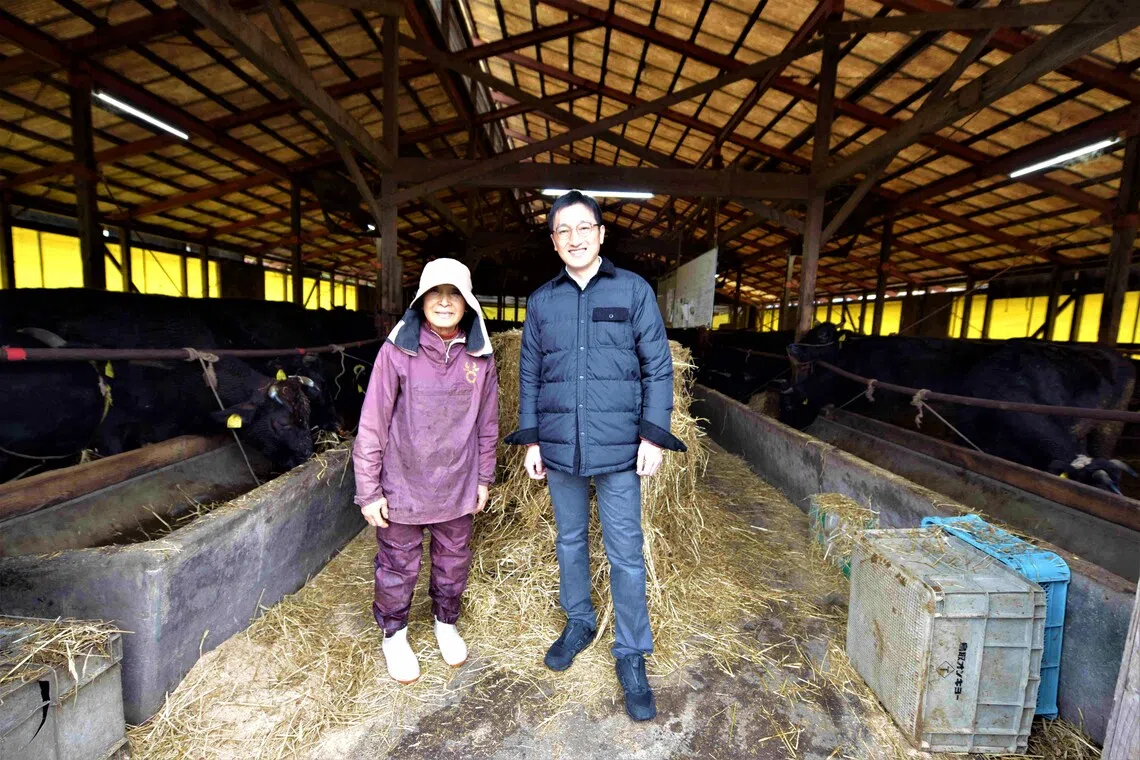
The result is meat that is easy to eat without making one feel overwhelmed after a few bites. Torikai beef isn’t sold commercially in supermarkets in Japan, but through its online store and at Yama no Okageya – Kengo’s retail shop and restaurant in Kurayoshi.
On the day we visit, it’s overrun by rowdy, Cantonese-shouting customers from Hong Kong – a clear sign of its growing popularity outside of Japan. In Singapore, the only place to get a taste of Tottori wagyu is at Ki-sho – whose head chef Taro Takayama is its brand ambassador of sorts.
Otherwise, there are yakiniku shops in Tottori – including a chain called Gyuoh – which specialises in premium Manyo beef from the Inaba region, also in Tottori. It’s not from a specific farm, but a group of farms whose meat passes certain quality criteria to qualify for the label.
The Manyo beef is supplied by Hanafusa – the largest meat distributor in Tottori – which developed the branding and works with the five farms that make the grade.
A spokesman for Hanafusa says the interest in premium-grade Tottori wagyu is growing in tandem with a more health-conscious consumer market.
“Tajima beef is very high-quality but also limited in quantity, while following very strict criteria to ensure uniformity,” he says. “Tottori wagyu, on the other hand, is farm-centric, so flavour differs according to the individual producer.”
Which, of course, adds more diversity and storytelling – especially for the likes of Kengo Torikai, who wants to amplify the goodness of his home-grown wagyu not just at home, but across the world.
Decoding Asia newsletter: your guide to navigating Asia in a new global order. Sign up here to get Decoding Asia newsletter. Delivered to your inbox. Free.
Copyright SPH Media. All rights reserved.
TRENDING NOW

Once staunchly pro-China, Malaysian Chinese businesses are now distancing themselves from Beijing
The middle power moment arrives in South-east Asia – but not for Asean

DBS, OCBC, UOB face rate hike reality check

Vietnam’s northern provinces, not Hanoi or Ho Chi Minh City, are powering near 10% GDP growth

