

Building the no-brand brand
Muji, which is synonymous with functional, pared-down design, is ramping up its repertoire with plans for its own hotel and even a Muji car.

Tay Suan Chiang
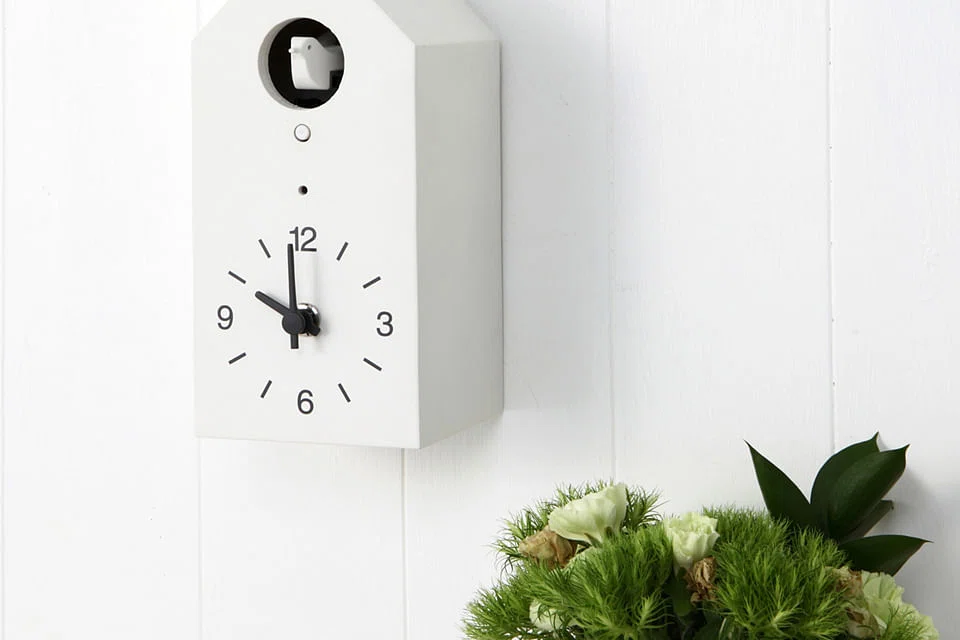
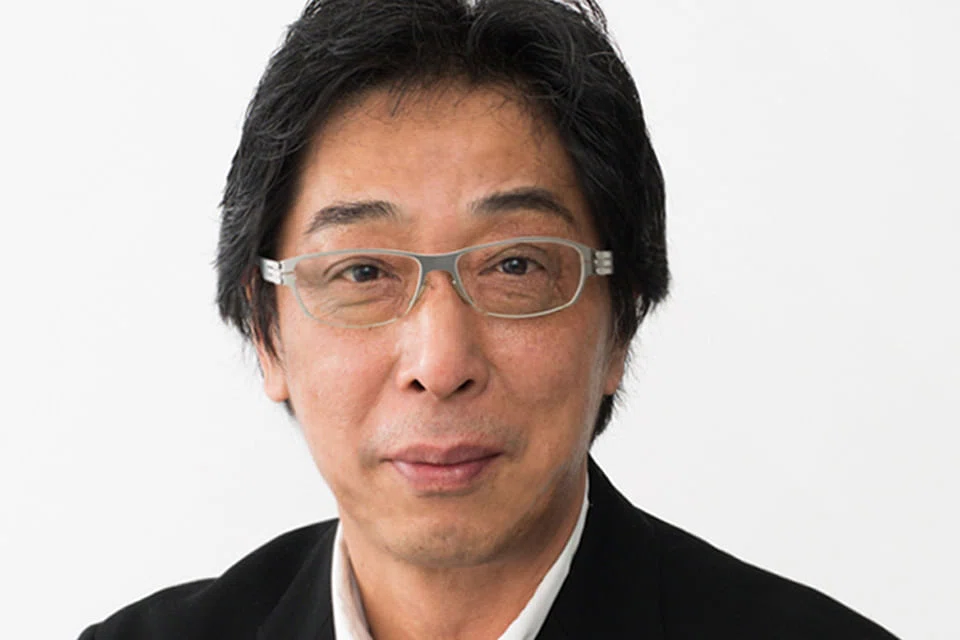
IF all goes to plan, fans of Muji could be staying in a Muji hotel or even be driving a Muji car. Masaaki Kanai, chairman and representative director of Ryohin Keikaku, the parent company of Muji, says that these ideas could be a reality. When he travels, Mr Kanai says that he does not really enjoy staying in luxurious hotels, because "they feel somewhat pretentious". But staying at cheap hotels could also mean a compromise on cleanliness, and also safety issues.
"When we feel that a part of our daily lives is not comfortable, we come up with our own Muji concept," he says. Muji Home, for example, is a set-up done within the stores, to showcase how an entire apartment can be filled with Muji products, and there are also interior consultants on hand who can dole out advice.
For the Muji hotel, Mr Kanai envisions it to be functional, simple and clean. "Instead of Bentley cars parked outside, we will have Muji bicycles so that guests can hop on them and cycle around," he says. The company is planning for such a hotel, but there's no indication of when it will happen. As for a Muji car, Mr Kanai says that is still in conceptual stage. But if it becomes a reality, "it will be an electric vehicle that runs automatically. Farmers would find it useful. They can just call the car to drive them to the rice fields, or to the onsens," quips Mr Kanai.
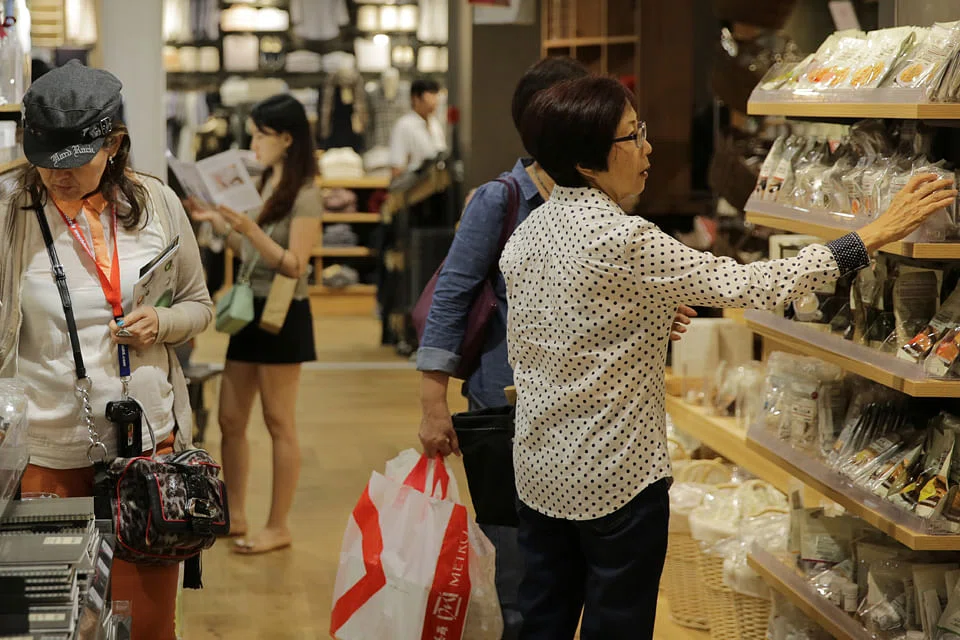
While those plans are still up in the air, Mr Kanai has more definite plans for Muji in Singapore, including a new 3,300 square-foot store. What makes it different is that, "we will have an 'Open Muji' concept, where community creators can interact with people and work together with design centres to come up with ideas".
This comes after Muji revamped its flagship store at Paragon last year, which also has a cafe on the premises.
Despite the economic slowdown, Muji will continue its expansion plans. Mr Kanai says that by 2017, the number of overseas stores will exceed that in Japan. "China is leading the growth due to its big population, while we had a good start in the US where we are seeing 300 billion yen (S$3.7 billion) in annual turnover."
He is confident that people will still spend. "The new generation of shoppers, those born after the 1980s, are quite well off, and very aware of environmental problems. This generation is keen on improving their lifestyle, which is in line with Muji's philosophy," says Mr Kanai, who joined Ryohin Keikaku in 1993.
Rather than randomly create for the sake of increasing their product line, he says that the team comes together to "look at what's necessary, what to create and what to correct".
He adds that there are observation teams that go into people's homes to study what needs to be created.
For some projects, he approaches international designers such as Jasper Morrison and Konstantin Grcic to brainstorm ideas. But despite each designer's different cultural backgrounds, the products all have that same winning Muji look - a chic, "no-brand" brand for the design-conscious crowd who want their products designed with an aesthetic that is uncluttered and clean.
He adds: "The concept of Muji was born from a Japanese context. It is a distinctively Japanese cultural trait to remove excess and achieve simplicity, so we really get to the core of true value."
Despite the rapid worldwide expansion, Mr Kanai emphasises that the Japanese retailer does not intend to "grow too big" and prefers to stay as a "small and medium-sized enterprise (SME)" so as to stay true to its design philosophy.
"When a company grows too big, it is not a good thing because the management will tend to emphasise more on ensuring a profit. That's not our objective," says Mr Kanai. "Our objective is still to offer something useful to our consumers."
Copyright SPH Media. All rights reserved.
TRENDING NOW

Once staunchly pro-China, Malaysian Chinese businesses are now distancing themselves from Beijing

Stocks to watch: HPL, Aims Apac Reit, Zico, Advanced Systems Automation, ComfortDelGro
‘How many will survive?’: Bubble fears arise as China’s humanoid robotics face reality check

Smaller board lots can’t fix a market run by three banks

