

Buyer beware: Avoiding pitfalls when buying fine art
 Add BT as a preferred source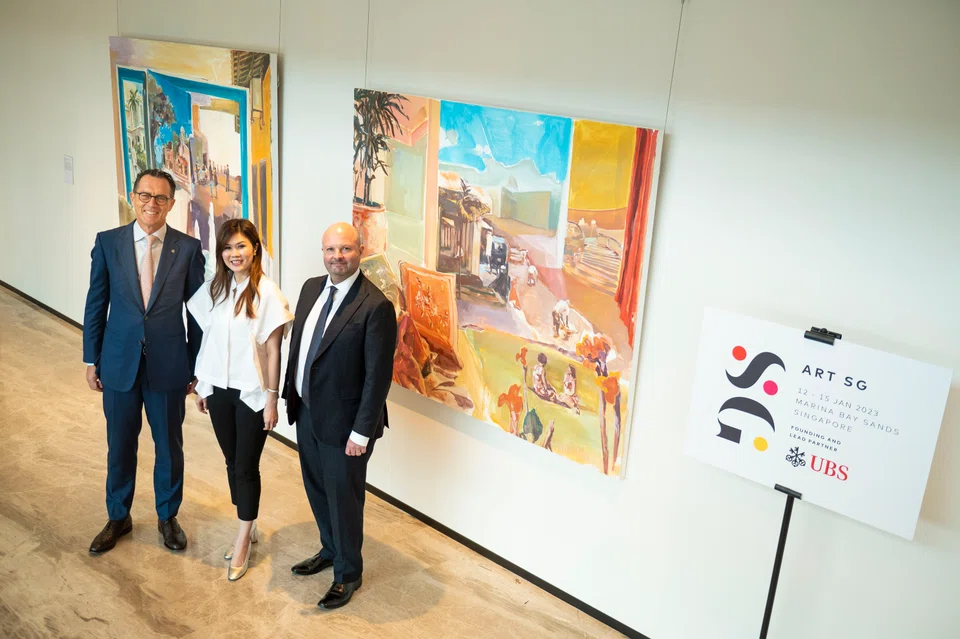
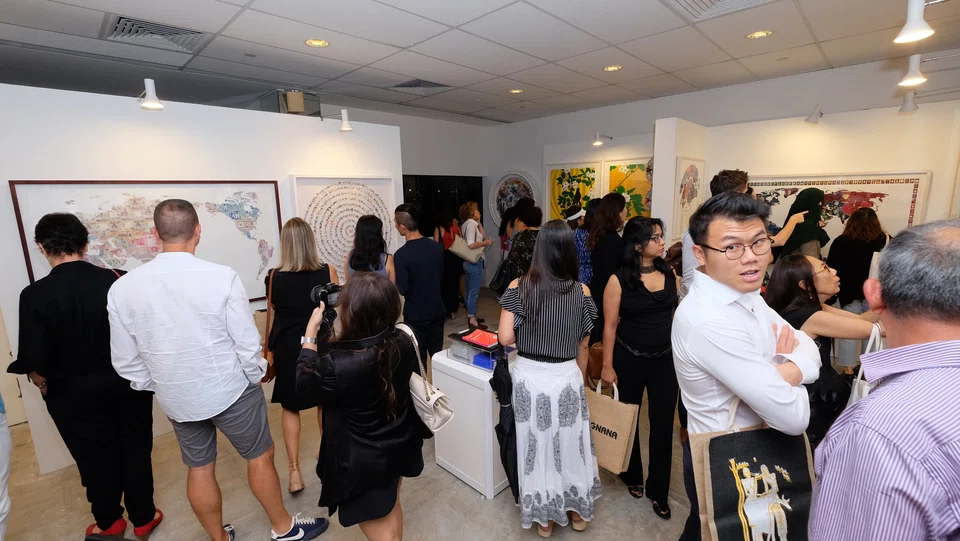
AS THE art world returns to a new norm, so too does the art scene in Singapore with the return to our shores in November of the first international art fair, the Affordable Art Fair. Following that is the highly anticipated debut of South-east Asia’s largest ever art fair, Art SG, in January next year. All this comes after a break of almost three years, brought about by the coronavirus pandemic that paralysed art markets the world over.
Buying art comes with an element of risk. Whether you are a first-time art buyer or a seasoned art collector, it is always prudent to exercise vigilance when it comes to buying art, particularly when you are planning to buy an expensive art piece. The key to protecting yourself from the pitfalls associated with buying art is to carefully conduct due diligence. This involves asking the right questions, obtaining and verifying information about the art and the seller, and applying common sense.
Provenance
As a starting point, buyers should do their due diligence by carefully tracing the provenance of the artwork which they seek to acquire. Provenance is derived from the French word provenir, which means “to come from”. In the vernacular of the art world, provenance refers to the history of ownership of a specific piece of artwork. Any research on provenance should ideally determine prior owners’ names, ownership dates, ownership transfers (such as through inheritance or auction sale), and locations where the artwork was kept. Information about the ownership history of artworks can come from a range of sources, including from sale invoices, auction sale catalogues and inventory numbers on the artworks themselves. As far as possible, provenance information should be supported by documentary evidence.
Decoding Asia newsletter: your guide to navigating Asia in a new global order. Sign up here to get Decoding Asia newsletter. Delivered to your inbox. Free.
Share with us your feedback on BT's products and services
TRENDING NOW

CSE Global independent director quits after clashes with chairman Eugene Lai over board refresh
What’s wrong with Orchard Road? Experts weigh in on the street’s cachet and its future
‘I felt like dying’: Thai Singha beer scion speaks up after disclosure of alleged sexual abuse

Rare brutalist Singapore house opens to the public before changing hands

