

Can there be too many cafes in Paris?
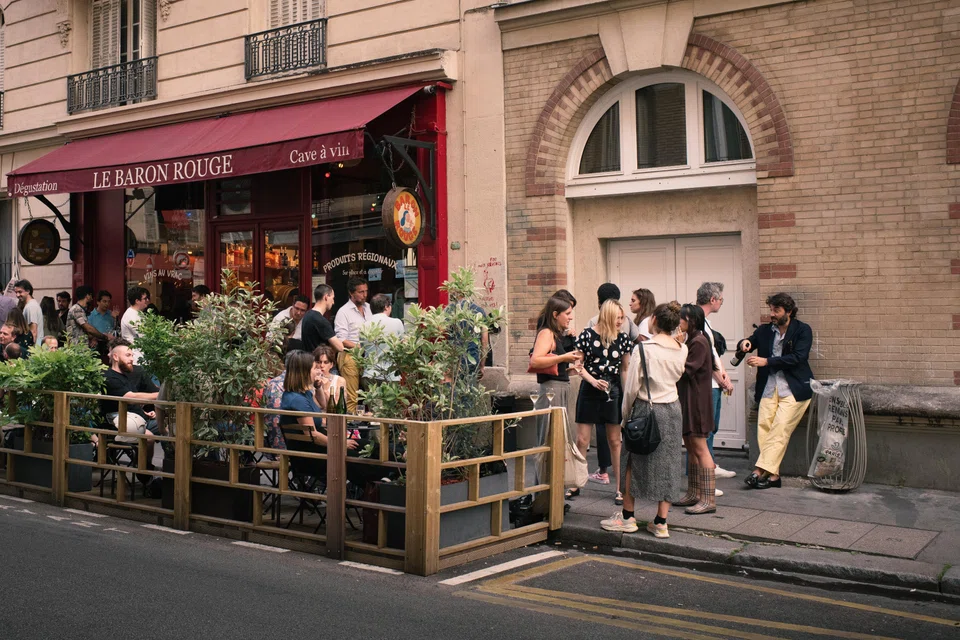
THE sound of clinking wine glasses floated through the evening air recently as throngs of patrons sipped chilled rosé and nibbled on cheese plates in front of the cafes, restaurants and épiceries bordering Place d’Aligre in the Bastille district of Paris.
Servers threaded through the crowd, their trays loaded with Aperol spritzes and oysters, as more people hurried in to meet friends. Children played tag and scampered to their parents to grab an occasional french fry. Tourists ordered drinks and posed for Instagram photos sure to inspire envy back home.
The diners were squeezed into hundreds of chairs that had been put out earlier in the afternoon. But time was precious; the entire inviting setup would have to be dismantled by 10 pm under strict post-pandemic rules to balance the interests of those enjoying the scene – and those finding it a nuisance.
Paris has long been renowned for its bustling café culture, with 13,000 open-air terraces occupying sidewalks and squares in the years before the pandemic. But thousands of additional outdoor spaces bloomed under an emergency programme set up to relieve businesses during Covid lockdowns. They are now permanent, after a 2021 decree by Mayor Anne Hidalgo that allows them to return every year from April through November.
As a result, parts of Paris that used to be vacant or even sketchy have morphed into animated destinations, complete with a mini-economic boom.
The Place d’Aligre is one of them. Mostly empty at night before 2020, a vibrant transformation has unfolded here.
“The scene has changed completely,” said Laurent Zennadi, a manager at Chez Camille, a family-run cafe that used to cater mostly to a morning and lunchtime crowd from the nearby Marche d’Aligre, a food market founded in 1779. “Nobody used to come here in the evening. Now they are coming from all over Paris.”
At Salvo Olio e Vino en Vrac, an Italian deli sought out for its truffled hams and wines dispensed from barrels, Salvatore Cantarella, the owner, welcomed a wave of new clients to the Place d’Aligre after receiving a licence to open a “terrace estivale” or summer terrace. The extra business kept him from going under. “I’m so grateful there’s a positive outcome,” he said.
Most of Paris’ new summer terraces occupy parking spots, nearly 4,000 of which have been covered in temporary wooden decks. The Seine’s banks are also blanketed with pop-up tables, as are rooftops with panoramic views.
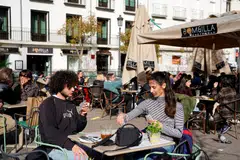
With less room for cars now – and after Covid-era cycling lanes were made permanent – thousands of people are pedalling to the city’s hottest spots.
“It’s so lovely here,” said Claire-Anne Haines, an event organiser who was hemmed behind a tiny table with her friends at a bistro’s parking-space terrace on the Rue Condorcet in Montmartre. “The terrace looked nice while I was biking past, so I told my friends to come,” she said.
It all plays into a bigger blueprint laid out by Hidalgo to make Paris a more environmentally friendly metropolis by liberating public space from cars and repurposing it for pedestrians and communal activity.
Not everyone welcomes the changes.
Resident associations have clashed with the city over the noise that the terraces bring and have continued to press authorities over who should control streets and sidewalks.
Critics accuse Hidalgo of allowing businesses to privatise the public domain. Drivers rail about lost parking. And a hashtag, #saccageparis – or “pillage Paris” – has become an outlet for outraged people to post photos of ramshackle terraces that they say are a blot on the beauty of the city.
“The situation is infernal,” said Eric Durand, a spokesperson for Droit au Sommeil, or Right to Sleep, a citizens group with representatives in every section of Paris.
The cacophony has grown exponentially where he lives, near the Rue des Abbesses in Montmartre, he said. Some neighbours have moved away. Those who can’t afford to are forced to keep their windows closed or – a horror to Parisians – buy air-conditioning units to keep cool on summer nights when the terraces are going full blast.
“We want this invasion of public space to stop,” Durand said.
But at City Hall, officials say the summer terraces are here to stay.
“Paris is the city of cafes; they are part of the French art de vivre,” said Olivia Polski, the deputy mayor of Paris responsible for trade, using a French phrase meaning “the art of living”.
Today, 4,000 summer terraces are authorised through a paid licence, compared with 14,000 that were free to open under emergency Covid policies. The terraces must meet new guidelines for aesthetics and noise, and must shut by 10 pm. Loud music is forbidden, and owners face “an arsenal of sanctions and new legislation for infractions”, Polski said, including steep fines or the loss of their operating licence.
At Chez Camille, Zennadi and his family installed new outdoor seating for about 100 people, on top of 400 seats added by other cafés to the square. Last year, the family invested US$16,500 for the terrace licence and to upgrade the outdoor furniture, among other improvements.
Recently, the cafe even started its own microbrewery, Zennadi noted proudly.
“Nobody wanted Covid to happen,” Zennadi said as a coterie of friends gathered on the sun-dappled terrace for an apéritif. “But we can be thankful for the good things that have come out of it.”
Decoding Asia newsletter: your guide to navigating Asia in a new global order. Sign up here to get Decoding Asia newsletter. Delivered to your inbox. Free.
Share with us your feedback on BT's products and services
TRENDING NOW
Prima to move out of historic Keppel Road flour mill building in 2028

Temasek-related Azalea, SeaTown, Seviora Capital to merge in 2027
Family offices see more tailored products, leverage ‘collective firepower’ for direct deal access

Singapore room rates soar, but hotels seeing mixed demand from F1 race and events

