

Casinos look to sports, spas and street food to attract Gen Zs
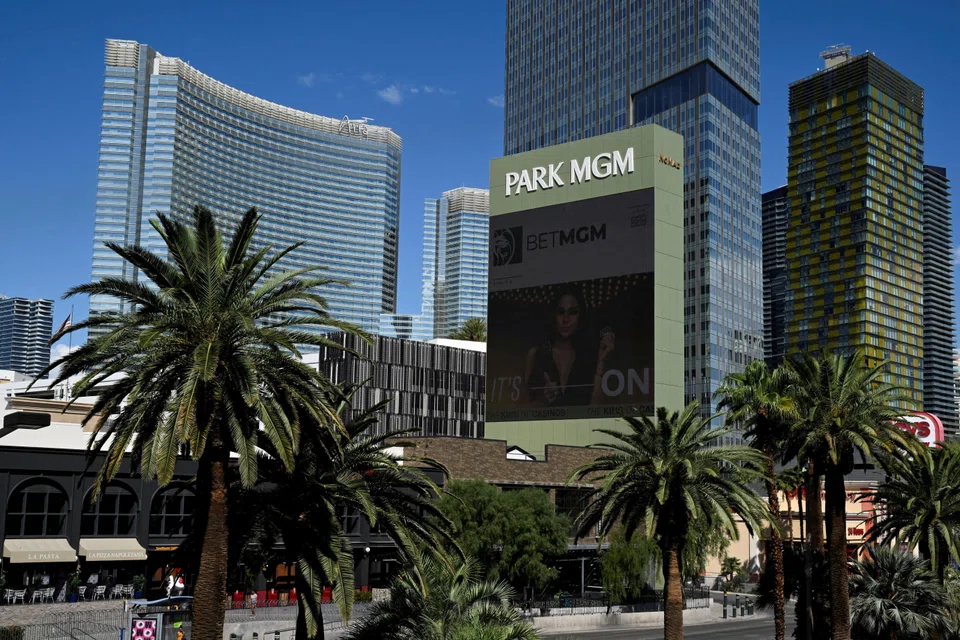
THE new mission for casino operators: Look less like casinos.
New developments, including one planned by New York Mets owner Steve Cohen, tout their outdoor spaces and amenities. Older gaming halls are remodeling to add natural light, upscale restaurants and gathering places like bowling alleys.
The new options are designed to shed local casinos’ traditional, dark-and-smoky reputations. In particular, they’re targeting a generation of newly legal gamblers who have gotten used to doing everything, including betting, with clicks and swipes from the convenience of their living rooms.
Even though Gen Zs are more likely to gamble than their Gen X parents and baby boomer grandparents, they’re less likely to do so at physical casinos and sportsbooks, according to a 2025 survey by the credit reporting agency TransUnion. Instead, they’re placing their bets digitally.
Online sportsbooks have become especially ubiquitous. Half of men ages 18 to 49 in the US have accounts with a service like DraftKings or FanDuel, according to a Siena Research Institute survey, to say nothing of those who are placing sports bets via prediction markets like Kalshi or Polymarket.
That’s led casinos, particularly those in smaller and middle markets, to jump on the “experience” bandwagon. It “has to be beyond just what you can get on your device”, said Jennifer Weissman, chief marketing officer at Penn Entertainment, which operates casinos across the US. “Younger audiences are looking for something much more social and community-oriented when they leave their house.”
The company spent US$360 million to give an old riverboat new life as the Hollywood Casino and Hotel Aurora, about 55 km west of Chicago. The sportsbook is fashioned as a “local watering hole”. If the venue’s new celebrity chef Giada De Laurentiis is too mom-coded, there’s also a food hall with street-style tacos and spicy chicken sandwiches. The murals on the walls are painted by local artists; the first comedian on the fall schedule is occasional Fox News guest Ben Bankas.
Other operators are deserting the “gross and smoky” vibe in favour of a sleeker look complemented by amenities off the casino floor, said Jordan Bender, a gaming equities research analyst at Citizens. The entertainment and other enticements are like “mouse traps”, he said – ways to get customers to spend more, whether they’re betting or not.
In essence, it’s a classic strategy. For years, casinos have leveraged building design to encourage spending, whether by eliminating clocks and windows so gamblers lose track of time, or allowing smoking to keep players from stepping outside for breaks. And headline entertainment has paid off for casinos since Elvis set up at the International in 1969.
Dopamine hit
What’s new now is the consumer. When Gen Zs go to Vegas, for example, they’re less prone to gamble and more likely to attend shows than older folks, according to a 2025 report commissioned by the city’s convention and visitors authority.
“It’s not like, ‘Let’s go gambling’,” said Nathan Peak, president of HBG Design, a firm that has worked on at least 15 major casino renovations in the US since 2020. “It’s about, ‘What can we do tonight to have a good time?’”
Lakin McLaughlin, 28, said she goes to the Hard Rock casino in Bristol, Virginia, about once a year, when she visits her best friend, because it’s “one of the only things to do” in the small town.
They’ll hang out, drink cocktails and, as the night passes, McLaughlin may find herself feeding a couple of US$20 bills into a slot machine – but that’s it. While older customers sit “zoned out” in front of the machines for hours, she said, people her age aren’t really compelled to gamble.
“We have so many other things that provide that dopamine hit in our generation, that I don’t know if chasing that particular high is that interesting,” she said.
More concerts, less smoking
In decades past, the gaming floor may have represented about 60 per cent of a regional casino property, according to HBG. Now it might be just 40 per cent – or even smaller.
At Metropolitan Park, Cohen’s planned Hard Rock casino and entertainment complex next to Citi Field in Queens, the gaming floor will take up just 10 per cent of the property. Design materials posted on the project’s website highlight 10 hectares of public park space and athletic fields, sleek buildings with floor-to-ceiling windows, a live music venue and a food hall with local vendors.
Gregg Pasquarelli, who helped lead the project’s design team at SHoP Architects, said the goal was “an authentic sports and entertainment district, rather than a casino object in the middle of a parking lot”. Guests, he said, might come for a concert or dinner, then wind up at the roulette table afterwards.
No smoking
Some properties are moving towards Vegas-style resort makeovers, with luxury wellness offerings. Last year, the Gun Lake Casino Resort in western Michigan added a spa, pools, a swim-up bar and a 16-storey hotel. A new atrium lets natural light flood the lobby.
Gamblers can breathe easier, too: Many casinos have banned indoor smoking, or significantly shrunk their smoking areas, in recent years. In some cases, the change was spurred by state law. In others, pandemic-era mask policies ushered in a general expectation of smoke-free indoor environments.
For Penn, food, hotel rooms and other non-gaming amenities have accounted for an increasing share of the company’s revenue over the past several years, regulatory filings show.
This week, the company announced plans to relocate its New Orleans riverboat casino to a landside property, a US$195 million development that will incorporate an existing hotel while adding a sportsbook and multiple dining options.
Thanks to online platforms, people are getting interested in gambling at a younger age, Weissman said. That means the company has to reconsider who its core customers are, she said, and who they’ll be in the future. BLOOMBERG
Decoding Asia newsletter: your guide to navigating Asia in a new global order. Sign up here to get Decoding Asia newsletter. Delivered to your inbox. Free.
Share with us your feedback on BT's products and services
TRENDING NOW

LTA proposes combining car COE categories, adding rebate-surcharge system
StarHub to acquire MyRepublic’s mobile business amid ongoing telco consolidation

DBS, OCBC, UOB rout lops billions off STI as inflation, rate concerns spook investors

Grab CEO’s wife Chloe Tong on life with Anthony Tan and finding her purpose

