

Chinese ceramics across 5,000 years
New exhibition showcases over 150 ceramic wares from China, beginning with the Neolithic period

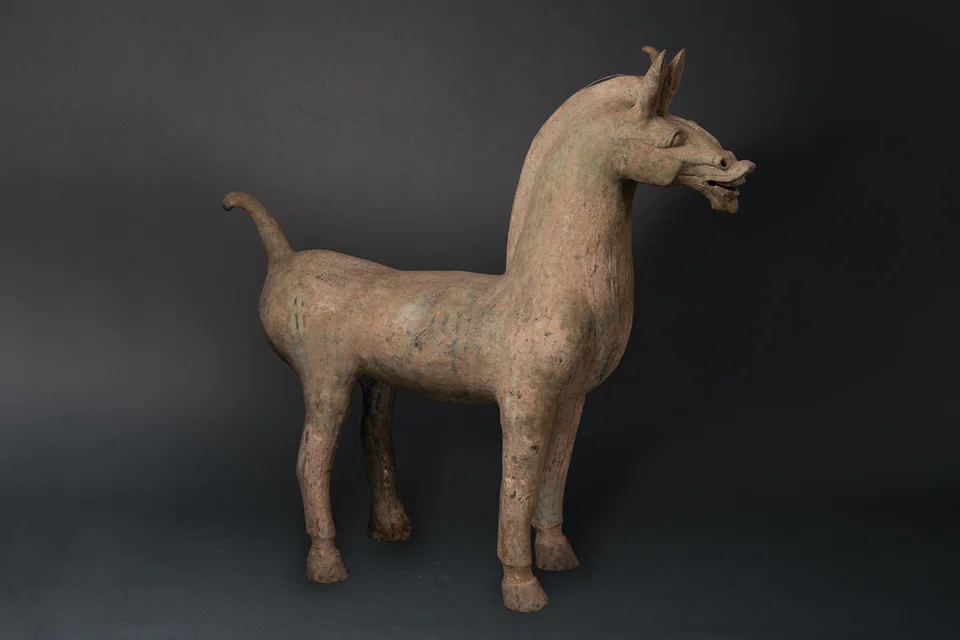
IT IS astonishing what pure passion can do: A group of 17 collectors of rare Chinese ceramics has come together to mount a notable public exhibition of over 150 pieces dating back to as early as the Neolithic period. The pieces take the viewer on a journey across thousands of years, including the Han, Tang and Yuan Dynasty eras, when the medium underwent significant changes and developments.
All 17 collectors are members of the Society For Chinese Ceramics Studies (SCCS), and though the society was formed in 2004, it has never mounted an exhibition of this scale before. Many of these pieces have never been displayed in public because the collectors prefer to maintain a low profile. But a growing sense that the public needs to be better educated on Chinese traditions has prompted them to put aside their reservations.
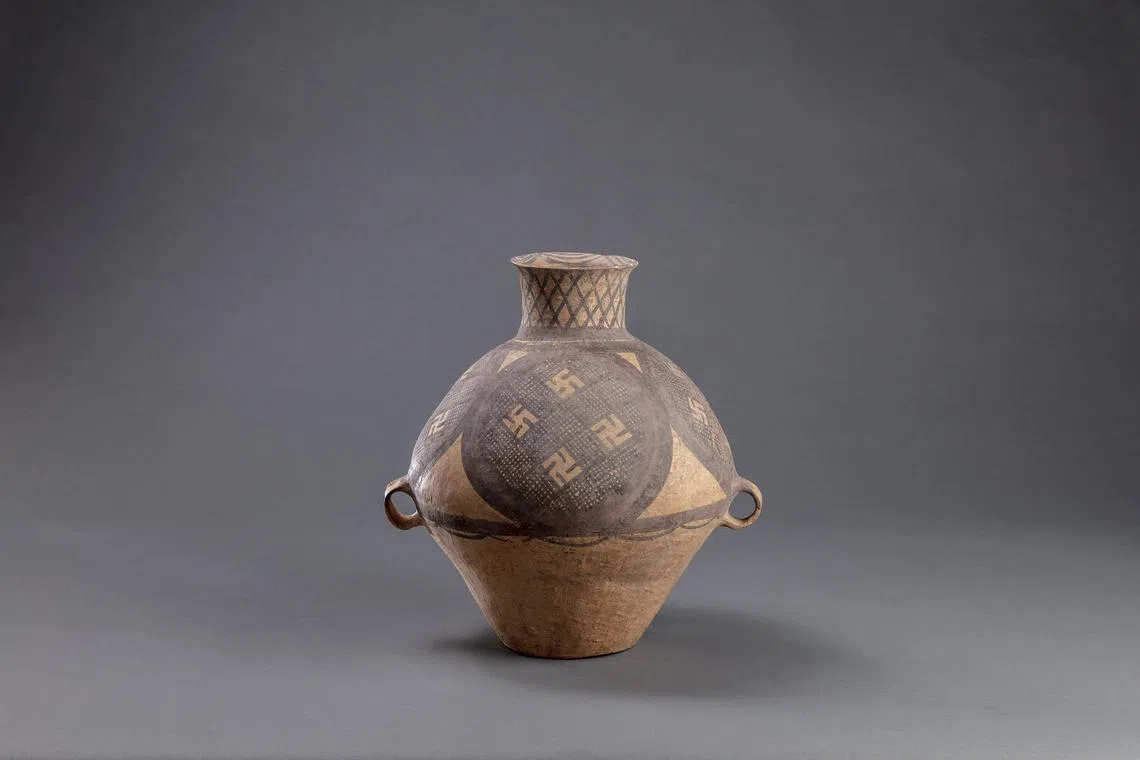
There are many gems here. Starting with the Neolithic period, the show has two medium-sized vessels from the Majiayao (3300-2000BC) and Longshan (3000-1900BC) cultures, each boasting distinct patterns such as net, wicker or swastika. There is also a large amphora with a saddle-shaped mouth from the Siwa (1100-900BC) culture, one of the largest of its kind ever found.
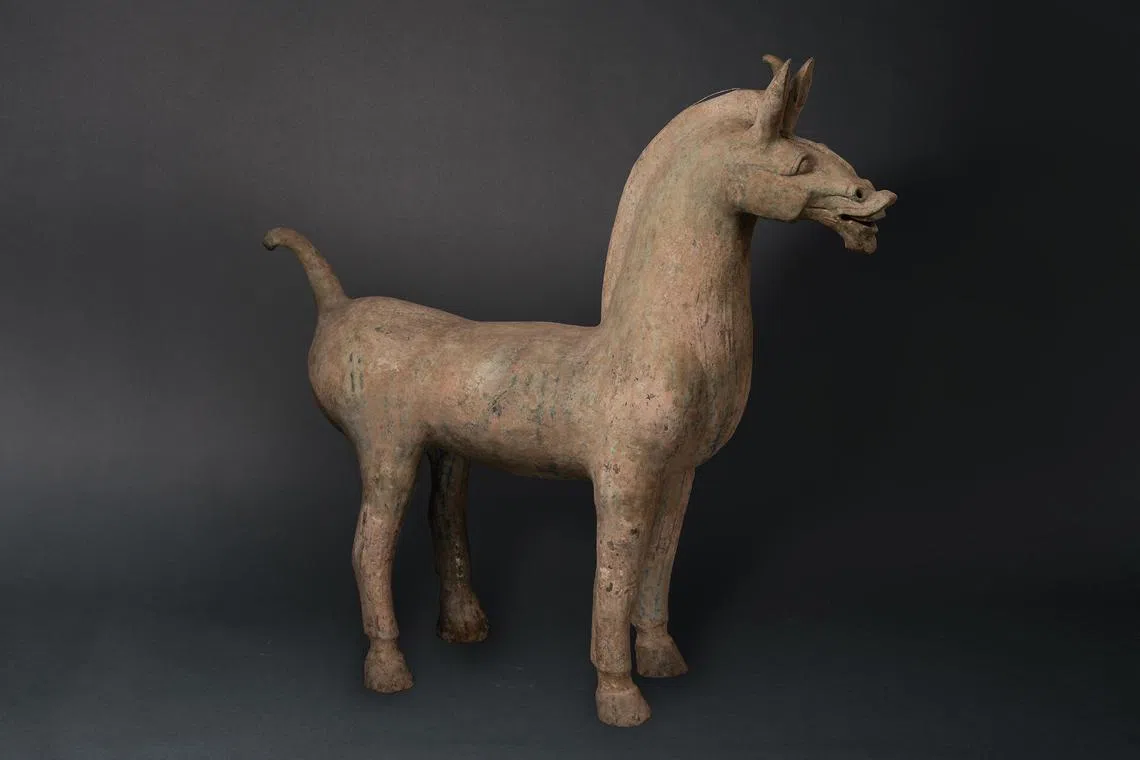
An even more significant piece is the large green-glazed horse measuring 130 cm in width – remarkably well-preserved despite being made out of clay around 2,000 years ago during the Han dynasty (206BC-220CE). Horses such as these are typically found in burial tombs and are meant to be ridden upon in the afterlife. The horse is seen as a symbol of strength and nobility, and a pottery horse this large indicated the high status of its dead owner.
Jumping forward to the Tang Dynasty (618-907), there are fine examples here of monochromatic and tri-coloured ceramics that were popular among the Chinese then. The tri-coloured (also known as sancai) ceramics featured green, amber (or brown) and off-white patterns, and were mostly used for funerary purposes. The exhibition here features horse, camel and warrior sancai sculptures, as well as a sancai jar augmented with blue glazes.
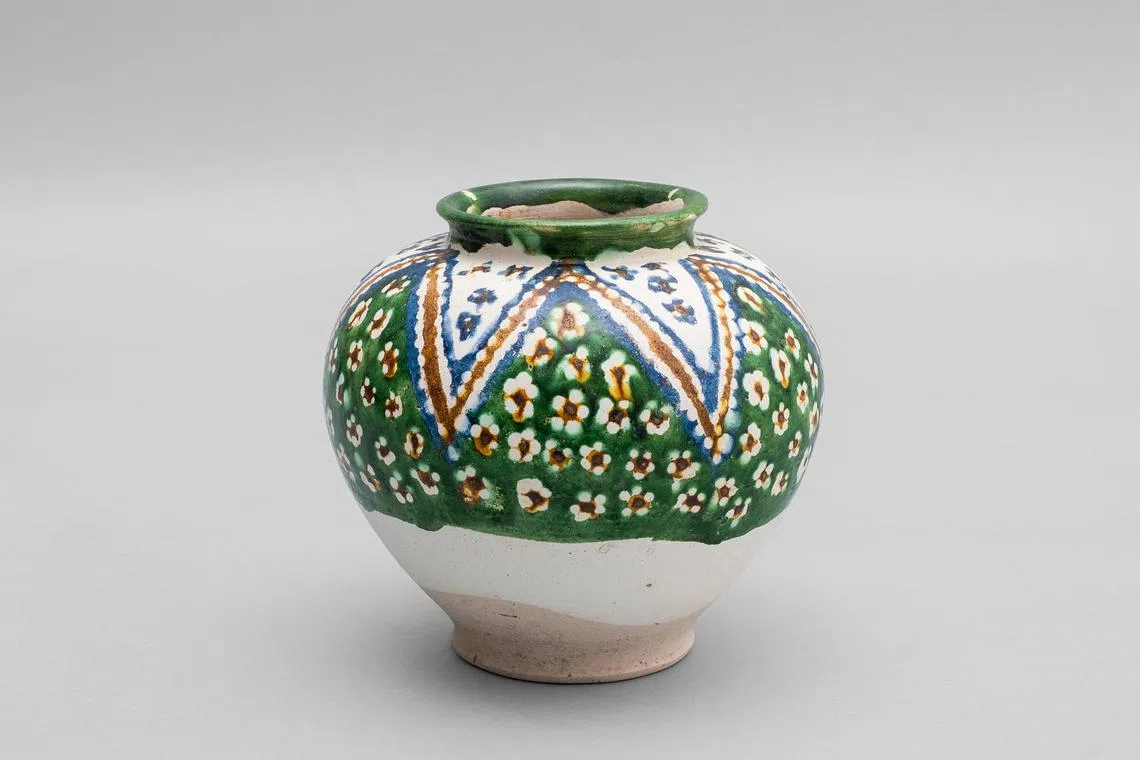
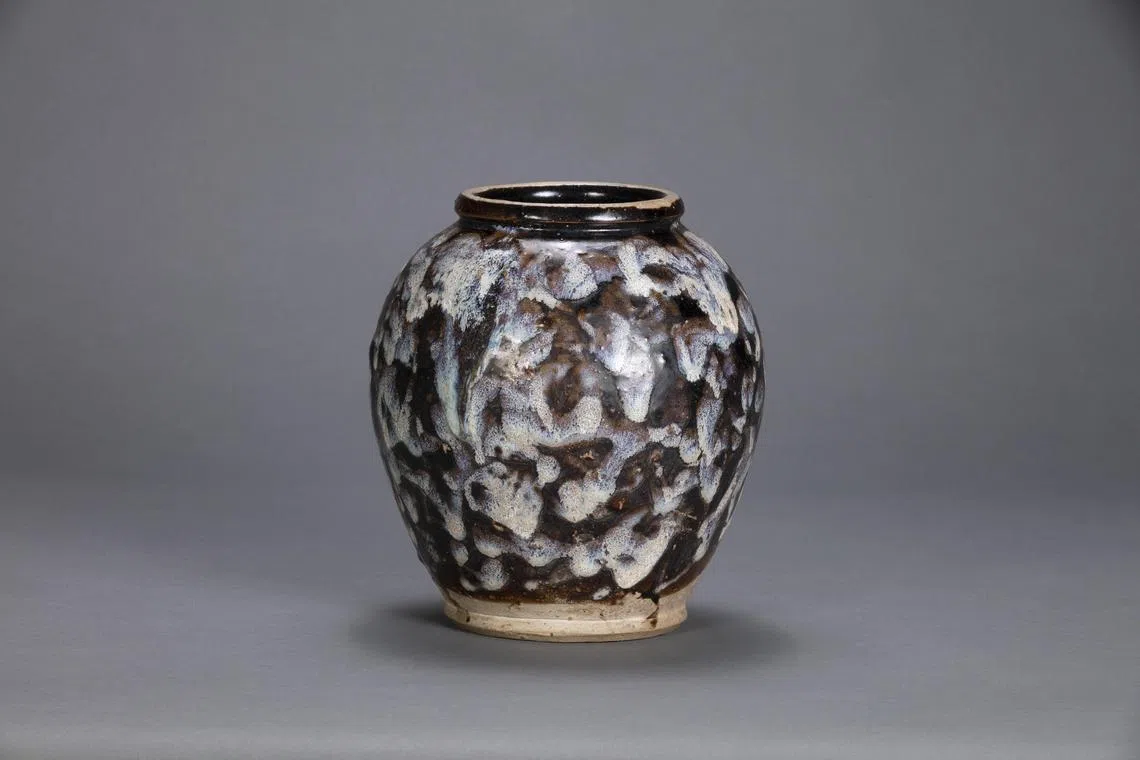
There is even a phospathic-splashed black-glazed stoneware jar whose contemporary abstract-looking aesthetics best reflect the cosmopolitan characteristic of the Tang era, during which ceramics were widely produced for the local and export market.

Major developments in ceramics during the Yuan Dynasty (1271-1368) saw the rise of the blue-and-white colour combination, an aesthetic that has endured throughout the centuries, as seen in various pieces on display here. The subsequent Ming (1368-1644) and Qing (1644-1911) eras saw ceramics flourishing as greater imperial patronage emboldened artisans to experiment and innovate. There were many new forms, shapes and glazing techniques being invented and introduced as the market for ceramics continued to expand beyond China.
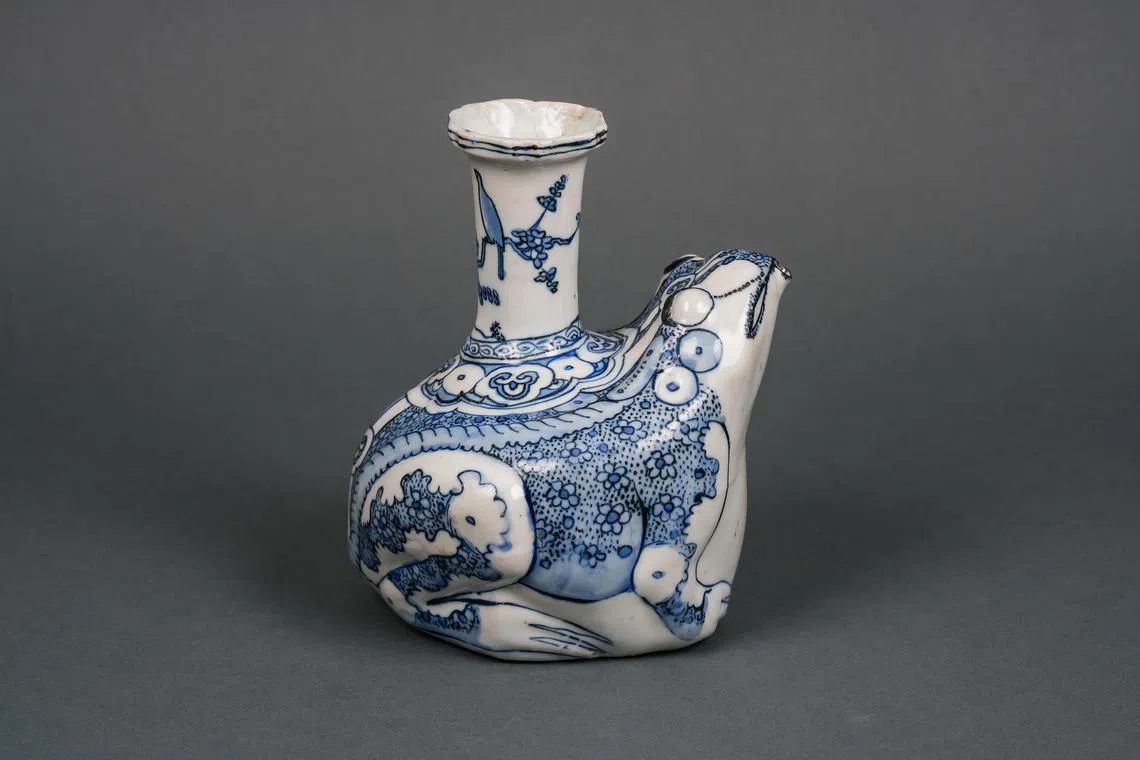
One particularly eye-catching example is a blue-and-white porcelain frog-shaped kendi (a water drinking vessel held by the neck when it is filled or poured) adorned with floral motifs. The frog kendi is a good example of the kind of ceramics that sold well in Europe, the Middle East and the larger Asian continent.
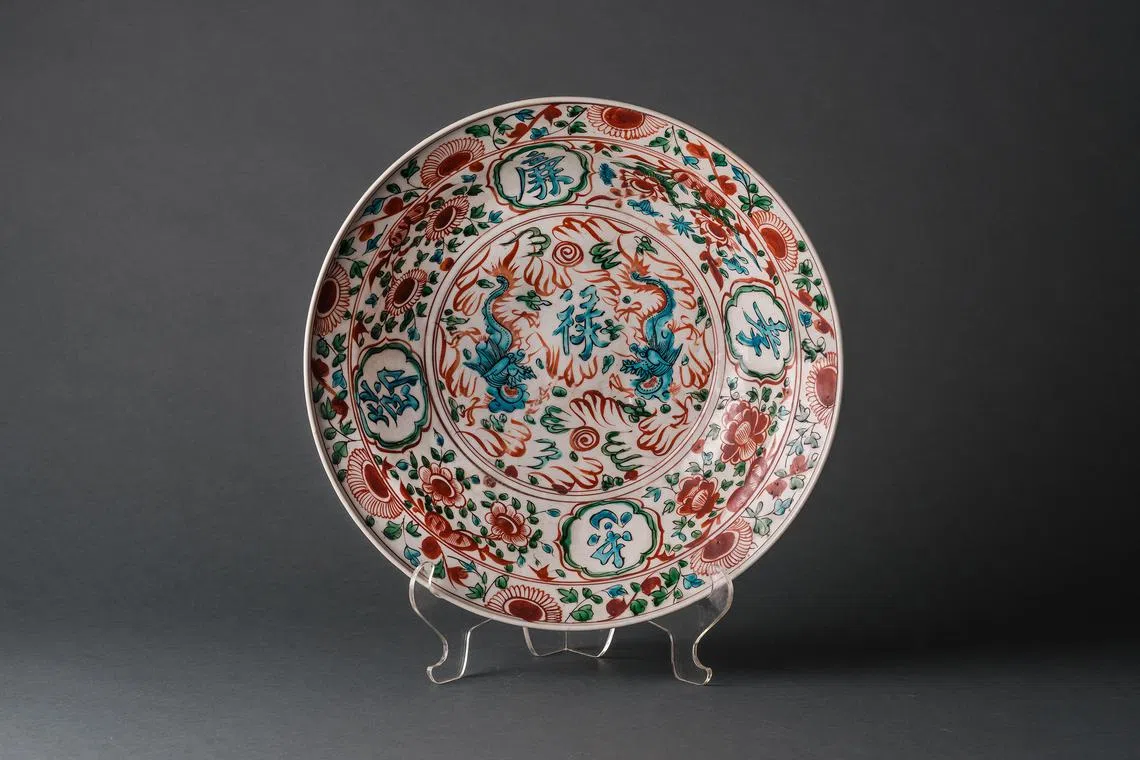
Other wares that catered to the specific tastes of external markets include a wucai (five-coloured) porcelain dish from the late Ming dynastic era that was especially popular in Sumatra and Java for use in celebrations and festivities.
Viewers with more delicate tastes, however, may prefer the exquisite blanc de chine porcelain pieces made from the Dehua county (Fujian province) beginning in the 16th century. These meticulously sculpted pieces boasted a smooth and creamy glaze that made them look pure and sacred.
The blanc de chine (meaning “white, from China” in French) pieces displayed here include a serene-looking figure of the goddess Guanyin produced in the 17th century. In 2021, the kilns of Dehua were placed on the Unesco World Heritage List for their contributions to world culture.
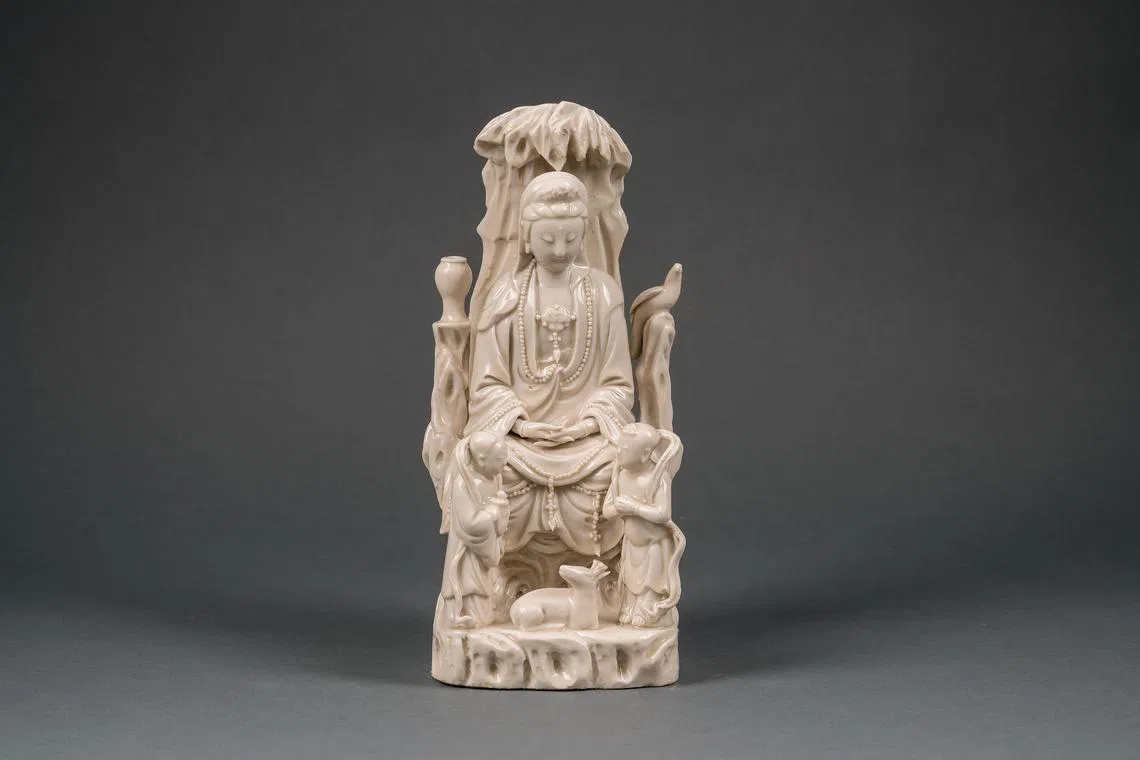
The exhibition titled Kaleidoscope In Clay offers but a glimpse of the long and storied history of Chinese ceramics. As primers and introductions go, this is as good a place to start as any.
Kaleidoscope In Clay: Glazes And Forms Through 5,000 Years Of Chinese Ceramics is on at The Gallery@L3 Fort Canning Centre, 5 Cox Terrace, from now to Feb 10. Admission is free.
Decoding Asia newsletter: your guide to navigating Asia in a new global order. Sign up here to get Decoding Asia newsletter. Delivered to your inbox. Free.
Copyright SPH Media. All rights reserved.
TRENDING NOW

JPMorgan, BlackRock among those making bid to manage CPF savings

GIC in talks to lease bulk of 88,000 sq ft CapitaSky space to be vacated by Allianz

BN-PN’s Melaka election landslide puts spotlight on jobs, investments and political divides
Why Singapore, Johor and Riau Islands should build a cross-border ecosystem for AI

