Chinese travellers swop luxury for short Asian trips this summer
Seoul takes the top spot for mainland visitors and is set to log a 14% surge to 2.2 million arrivals from June to August
[HONG KONG] Fewer mainland Chinese holidaymakers are packing their bags this summer – and those who do are favouring short-haul destinations in Asia, driven by flight disruptions, geopolitical tensions and a new pragmatic approach to travel spending.
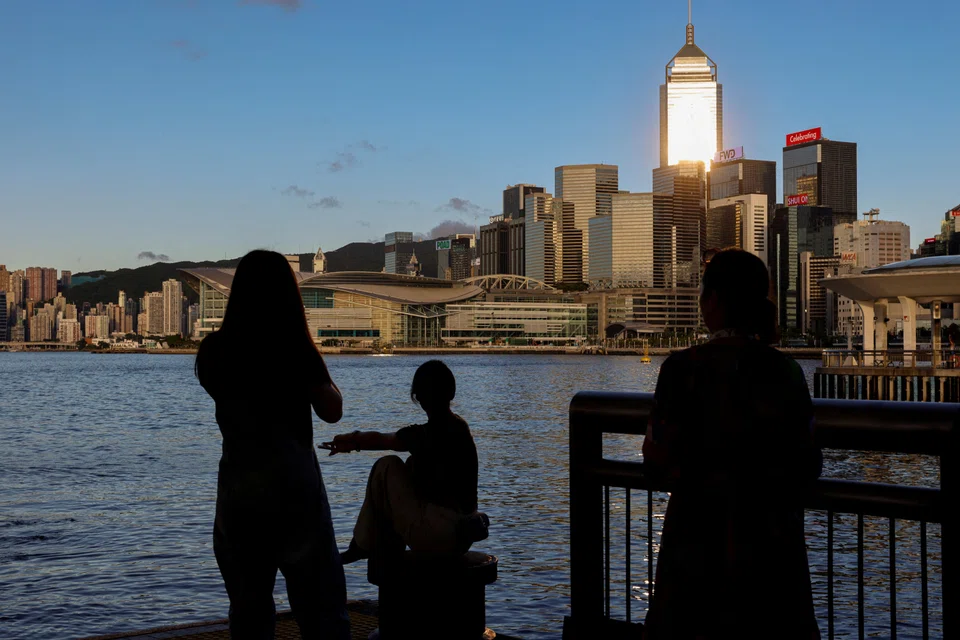
Seoul has taken the top spot for mainland visitors this summer, and is set to log a 14 per cent year-on-year surge to 2.2 million arrivals from June to August, based on booking data compiled by travel analytics firm China Trading Desk. Hong Kong is a close second, with around 1.9 million arrivals expected.
An analysis of booking data for summer reveals a concentration of travel within the region, with South-east Asian hubs seeing big gains. Kuala Lumpur has soared 16 per cent year on year, while Vietnam is also popular, with Ho Chi Minh City and Hanoi both in the top 10.
Meantime, London has fallen behind Osaka and Jeju as a favoured destination.
Chinese tourists, just from their sheer numbers and spending power, can make or break a destination. Historically, travellers from the mainland splashed more cash on their holidays than tourists from any other country.
This year, mainland Chinese will take more than 184 million outbound trips and spend US$265 billion, according to the World Travel and Tourism Council.
“Chinese travellers are still moving, but the destinations winning this summer are the ones that feel closer, safer, offer better value and are easier to reach,” said Subramania Bhatt, head of China Trading Desk.
The Middle East conflict has temporarily dented outbound travel. Total passenger flow from China looked to be on the upswing this year until the war in Iran disrupted flights and travel.
June is expected to see about 4.9 million outbound travellers through this week, down from 5.3 million last year, according to data compiled by the company.


Regional geopolitical tensions have also left a mark. The data shows a striking retreat by Chinese visitors from Japan, which had been a perennial favourite. Visitors to Tokyo nosedived 26 per cent this summer, while Osaka, another once-favoured destination, failed to even make the top 10.
Tensions were stoked by Japanese Prime Minister Sanae Takaichi’s comments last year that a Chinese attack on Taiwan could see Japan potentially taking military action. That prompted Beijing to urge its citizens not to travel to the country.
Recent data from the Japan National Tourism Organization underscores the cooling, with a 60 per cent year-on-year drop in mainland Chinese visitors in May alone.
For now, the pivot in destinations is also mirrored by a shift in spending, as Chinese travellers chase value for money as the economy slows and a property implosion continues to take its toll on confidence. While spending per outbound trip continues to rise, hitting a two-year high of US$4,085 in March, the pace of growth has moderated since then.
“Everyone wants to maximise travel experience happiness with limited budgets,” said Li Hanming, an independent travel analyst. “The competition on destination is fiercer than ever.”
While many Chinese tourists are still shopping, they are now more likely to compare prices and seek deals. That has spurred average duty-free spending by mainland travellers to drop this year compared to a year ago, according to China Trading Desk data compiled from credit card companies.
And what they are buying is more practical. Fashion and beauty purchases remain resilient, making up about 76 per cent of all spending so far this month, compared to 71 per cent in June 2025.
Meanwhile, the share of spending on big-ticket items such as jewellery and watches has declined to 23 per cent from 28 per cent.
The tentative peace deal between the US and Iran should boost travel confidence, said China Trading Desk’s Bhatt.
Still, the recovery of Gulf transit routes will likely take time, and short-haul travel to Asia will remain strong heading into autumn, he said.
“Fares and capacity may not normalise immediately because airlines are still managing fuel, insurance, aircraft utilisation and schedule recovery,” said Bhatt. “Airlines can restore capacity faster than travellers restore confidence.” BLOOMBERG
Decoding Asia newsletter: your guide to navigating Asia in a new global order. Sign up here to get Decoding Asia newsletter. Delivered to your inbox. Free.
Share with us your feedback on BT's products and services