A cinema paradise in Queens faces an uncertain future
The Arverne Cinema, in the Rockaways, has offered viewers a drive-in feel where the city meets the sea. It wasn’t meant to last
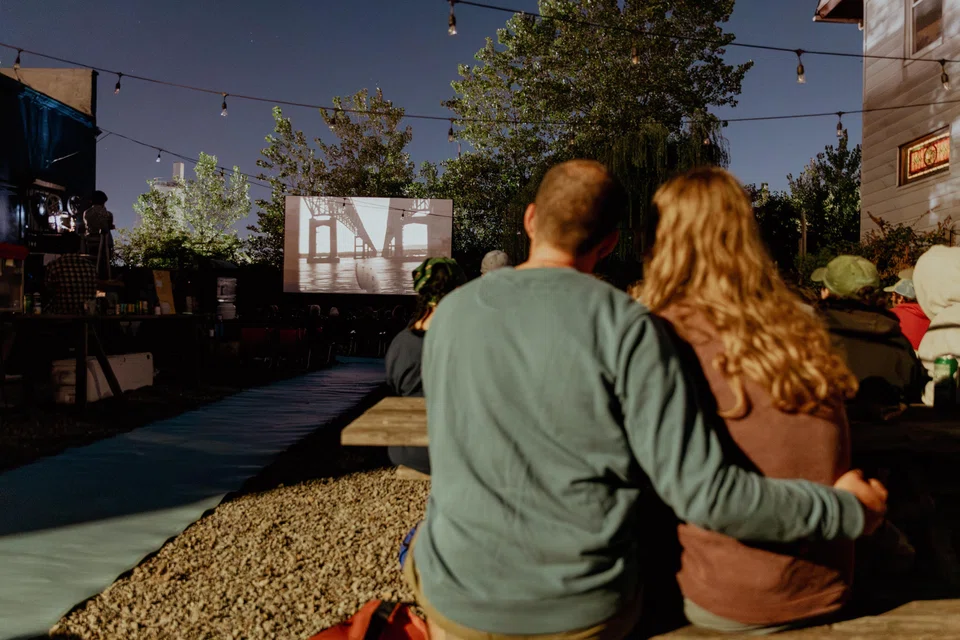
[NEW YORK] The whooshing of airplanes landing at Kennedy Airport. The thumping beat of a nearby house party. The rhythmic squawking of sea gulls. It may sound like an experimental John Cage composition, but this strange urban symphony is just the built-in soundtrack at the Arverne Cinema’s outdoor theatre in The Rockaways, a peninsula at the southern edge of the New York City borough of Queens on Long Island, New York.
Since its founding in 2021, the cinema has evoked the fuzzy nostalgia of a drive-in theatre, a rare kind of space in contemporary New York. While many go to the movies to escape, the Arverne is where one goes to enter the realm of a film without losing connection with the world outside.
Just beyond the edges of the screen, one can see machinery from a concrete plant. Moviegoers can taste the sea-salted air. The ground beneath their chairs is gritty with sand. Bugs crawl across the screen – accidental extras adding tiny subplots to the film’s narrative.
“There have been raccoons,” said Leah Giblin, one of the theatre’s regulars. She loves how “the natural and industrial environment” interplays with whatever is screening, she said, and is especially enamoured with the leafy tree that stands conspicuously to the right of the screen. “Having the willow tree just breathe into the whole night – I never get tired of it,” she added.
Crystal Moselle, an independent film director who has frequented the cinema, expressed a similar sentiment. “There’s something about being in the heat, in the outdoors, with people,” she said. “It’s sad to think of that part being taken away.”
It’s true: The sand-swept cinema paradiso at the edge of New York is facing a hazy future.
Its landlord, John Quadrozzi Jr, a third-generation Rockaway-ite who also owns the property that the concrete plant sits on, has let the cinema’s operators use its current lot for half a decade.
Sam Fleischner, who founded the Arverne Cinema, said: “We basically pay the property taxes and the water bills.”
But Quadrozzi now says that he is “looking to maybe do something else” with the outdoor space, adding that he’s open to possibly offering the theatre a nearby temporary site. The Arverne also has an indoor cinema, which will remain operational for now. But Fleischner has decided that he will seek a new, more permanent home for the theatre altogether.

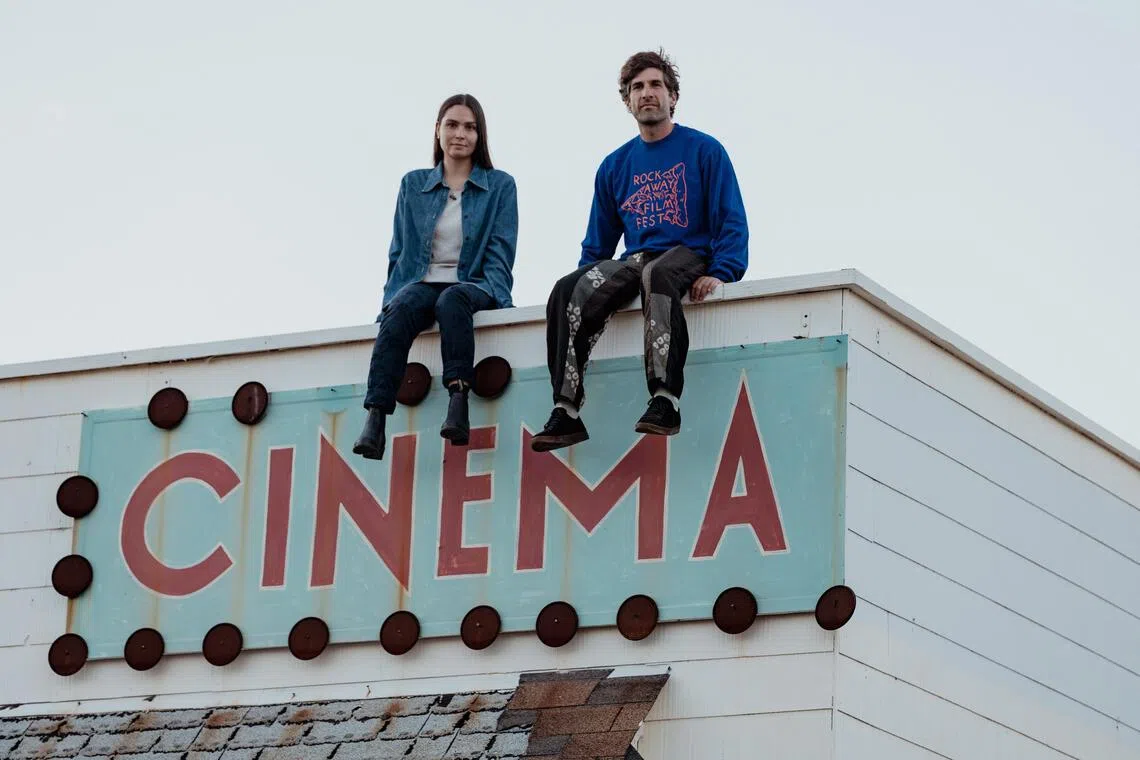
From the start, the beachy cinema was imbued with a DIY spirit, and a sense of ephemerality.
“We didn’t imagine that it would last this long,” said Courtney Muller, a co-founder, with Fleischner, of the annual Rockaway Film Festival.
Fleischner built the Arverne’s outdoor theatre with the help of Rockaway residents, constructing a fence with boardwalk planks salvaged from Hurricane Sandy and covering much of the lot with sand from Breezy Point on the peninsula’s western edge.
“It became a local team effort on Rockaway,” Fleischner noted. “Local electricians, plumbers, builders – they all came out to help us.”
Approaching the outdoor theatre, the first thing one sees is a shabby, small white building with two teal signs – one reads “Arverne” and the other, “Cinema”. The structure is a former funeral home, which Fleischner turned into a projection room.
In the late 2010s, New York cinephiles weathered the losses of institutional art-house and independent cinemas such as the Sunshine Cinema, Lincoln Plaza Cinemas and the Beekman Theater.
But as a vanguard of young indie cinemas like Metrograph and the Roxy began to lead a renaissance in downtown Manhattan, the rise of the Arverne Cinema gave the Rockaway Peninsula its own taste of art house.
The outdoor theatre fits around 300 people, with tickets going for US$10 each. The cinema’s biggest annual event has been the Rockaway Film Festival, but it has also hosted other screenings, such as a selection of films for Earth Day and a local filmmaker series.
Part of the mission has been to introduce people to new or experimental cinema while also luring them in with recognisable names, Muller said. In 2023, the theatre paired Disney’s Fantasia with shorts by abstract animator Oskar Fischinger.
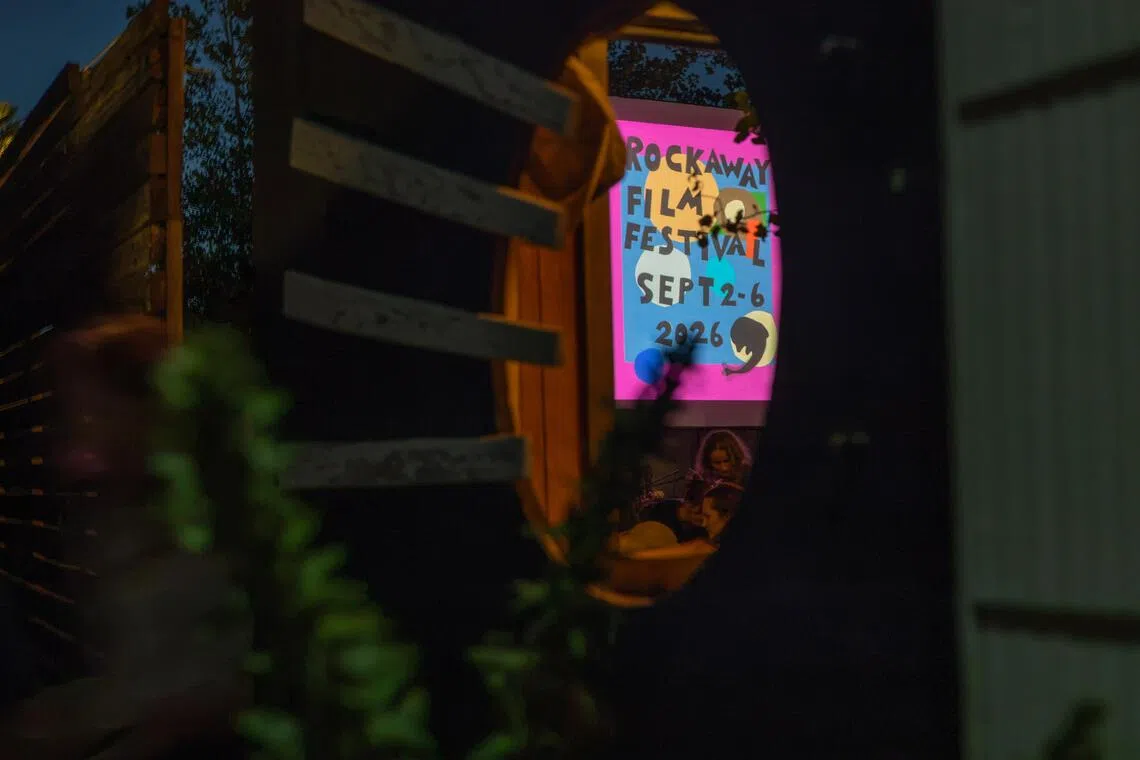
The theatre grew in 2024, when Fleischner took over the former taproom of a brewery just one lot over to build the indoor theatre that will remain in use for a while longer, even as he plans to move out of the outdoor space in October.
Earlier this month, the festival returned with showings of Marnie Ellen Hertzler’s Eternity One and John Wilson’s The History of Concrete.
Wilson said that the venue’s location, in the “ominous” shadows of a concrete plant, made it the ideal setting to show his film.
Moselle, who fondly recalled heading to a beach rave after one of her first cinema visits, mourned that the outdoor theatre is about to fade to black.
“Right now in New York, there’s cinemas closing left and right, and Rockaway still has one of the few true open-air cinema spaces left, where it becomes a special moment every summer to go out there and watch movies outdoors with people,” she added. “There’s something that feels different about being under the stars instead of being confined in freezing air-conditioning.” NYTIMES
Decoding Asia newsletter: your guide to navigating Asia in a new global order. Sign up here to get Decoding Asia newsletter. Delivered to your inbox. Free.
Share with us your feedback on BT's products and services