

Classic furniture, experimental works and art-meets-design rule at Milan Design Week
Notable names in Singapore’s creative industry give their take on the world’s most important design event
IN 1961, the Milan Furniture Fair (or Salone del Mobile) was launched with the aim of promoting the Italian furniture industry. Over the years, it grew to become the world’s most important design event held at the Fiera Milano convention grounds at Rho, where new designs are unveiled, and buyers, distributors, architects and designers gather for trade and conversation.
This year’s event that ran from Apr 16 to 21 had a record audience, with foreign attendees numbering 370,824 for a growth of 20.2 per cent from 2023 – an encouraging boost from a few years ago, when the festival skipped the 2020 edition due to the Covid-19 pandemic. While the Salone is still the anchor showcase of what is now a citywide celebration of design called Milan Design Week, it is outside the fairgrounds (or Fuorisalone) where more exciting happenings have headed.
“These destination venues provide exhibitions an opportunity to be personalised to the context and therefore are more immersive, compared to temporary (booths at Rho),” says Robert Cheng, founder of Brewin Design Office, whose works include the Museum Library at the National Gallery of Singapore and the upcoming Capella Kyoto.
“While this might have been already the norm in previous years, it has become more prevalent this year. It’s not just the smaller independents; mid-sized brands such as Collection Particuliere, and giants like Cassina and B&B Italia, have also opted to show outside of the (crowded) fairground.”
Side shows as main shows
One of these venues that Cheng visited was progressive concept store 10 Corso Como – a hybrid art gallery, music, cuisine, design and fashion destination in a former Coca-Cola warehouse that was opened in 1990 by fashion editor and publisher Carla Sozzani.
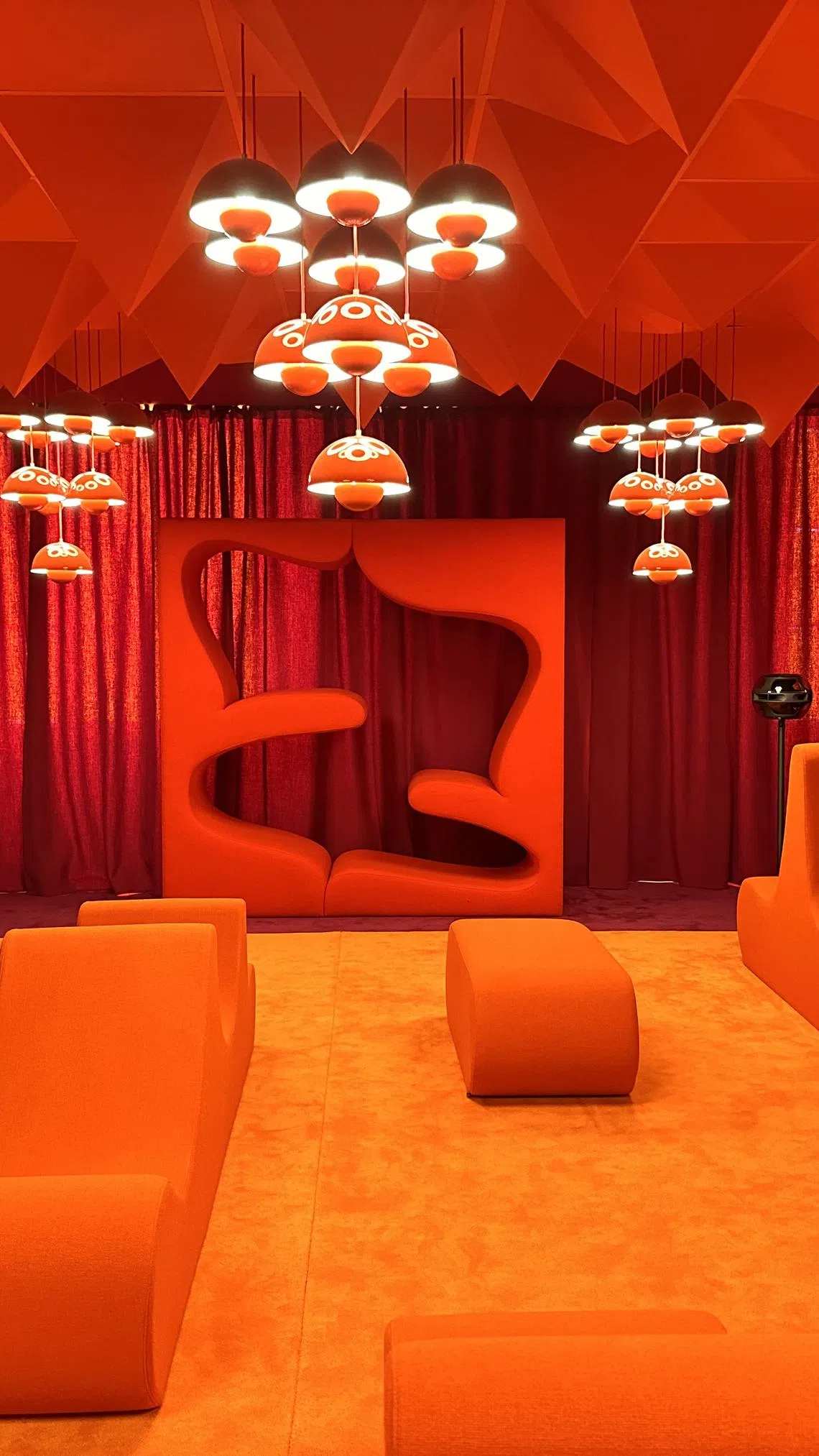
A psychedelic installation titled The Alchemical Plane saw the venue’s Capsule Plaza converted into the Panton Lounge and corridors covered in tangerine-coloured film. Presented by the estate of Verner Panton and brands producing the late Danish architect and designer’s products, the event also premiered the re-issues of his Domino and Romantica rugs by Armini, and the Spiegel acoustic panel by Offecct.
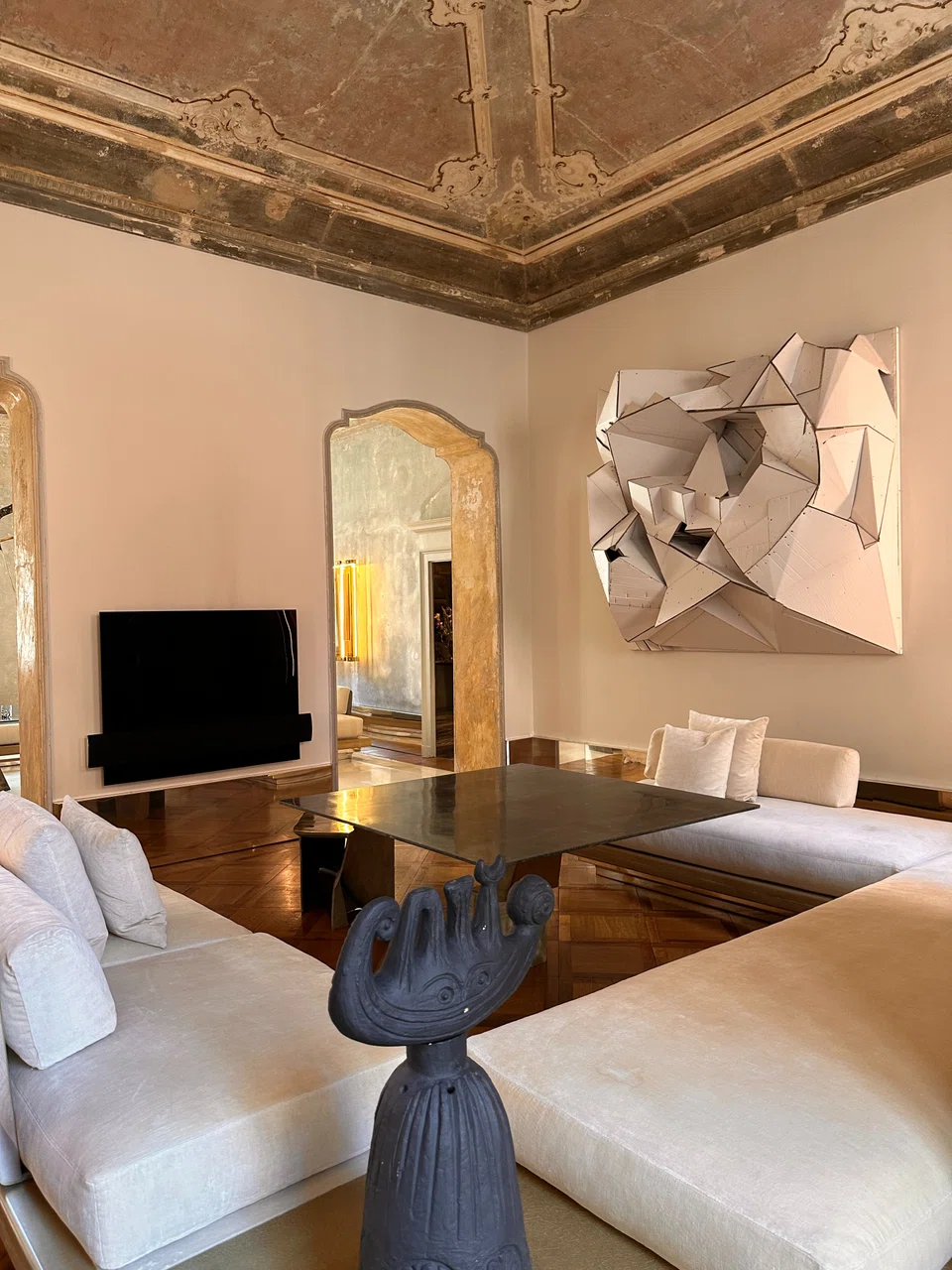
Cheng also noted many exhibits held in historic palazzos, which offer a wonderful encounter with the city’s architecture and “in themselves become viewing points”. For example, Alcova Milano distributed works by experimental creatives such as Japanese architect Junya Ishigami and destroyers/builders design studio between two grand homes – the 19th-century Villa Bagatti Valsecchi and Villa Borsani, a modernist, mid-20th-century mansion designed by Italian architect Osvaldo Borsani.
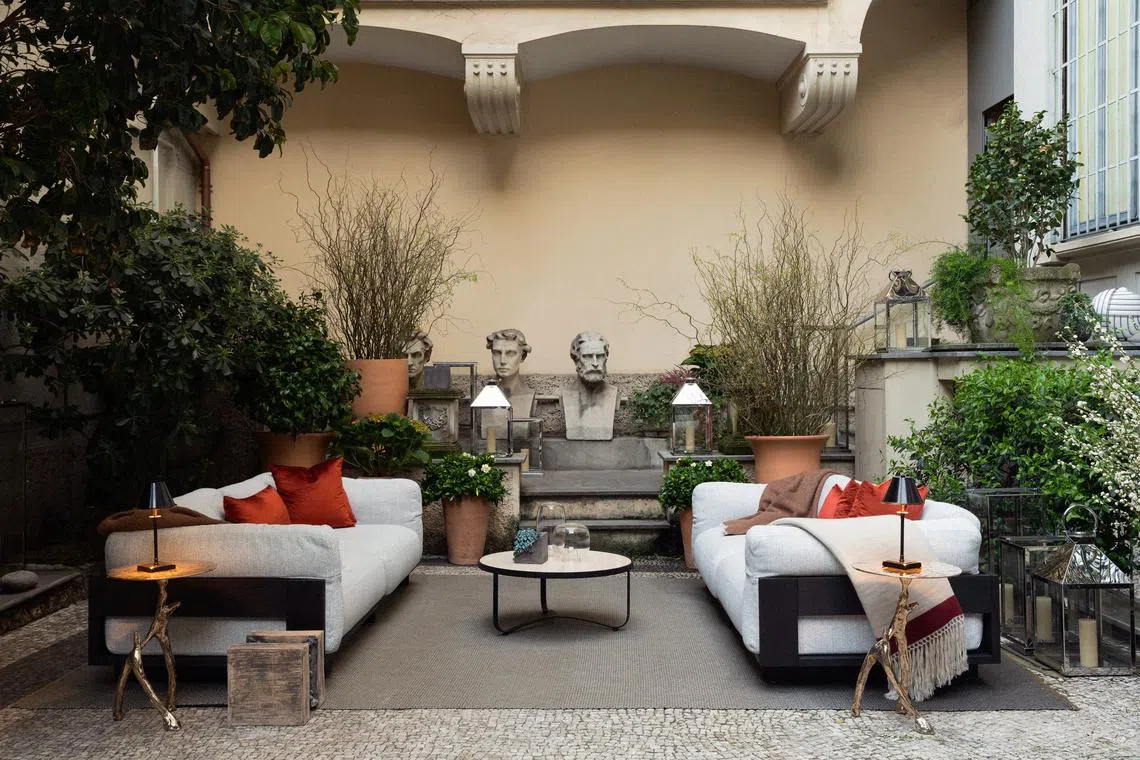
Sunny Han, creative director of premium co-working provider The Work Project and food stylist (@sunnyskitchen), was equally drawn to these spaces of patina, having enjoyed the L’appartamento exhibit by artisanal furniture platform Artemest in Residenza Vignale, an early 1900s mansion of an Austrian prince who moved to the city for a Milanese girl. “The contrast of the contemporary aesthetic of artisanal crafts displayed in the classical Milanese villa was truly exceptional,” she comments.
Past, present, future
Aside from venues, history also provided a great source of inspiration for the product curation of many brands. Daniel Magg, W Atelier’s general manager, says: “Italian design maverick Gaetano Pesce’s recent passing on Apr 3 this year shook the furniture industry. To pay homage to his great work, Cassina reissued the Notturno a New York (The New York Skyline) from the 1980s. The sofa is made from recycled (polyethylene terephthalate) fibre and only 50 pieces will be made.”

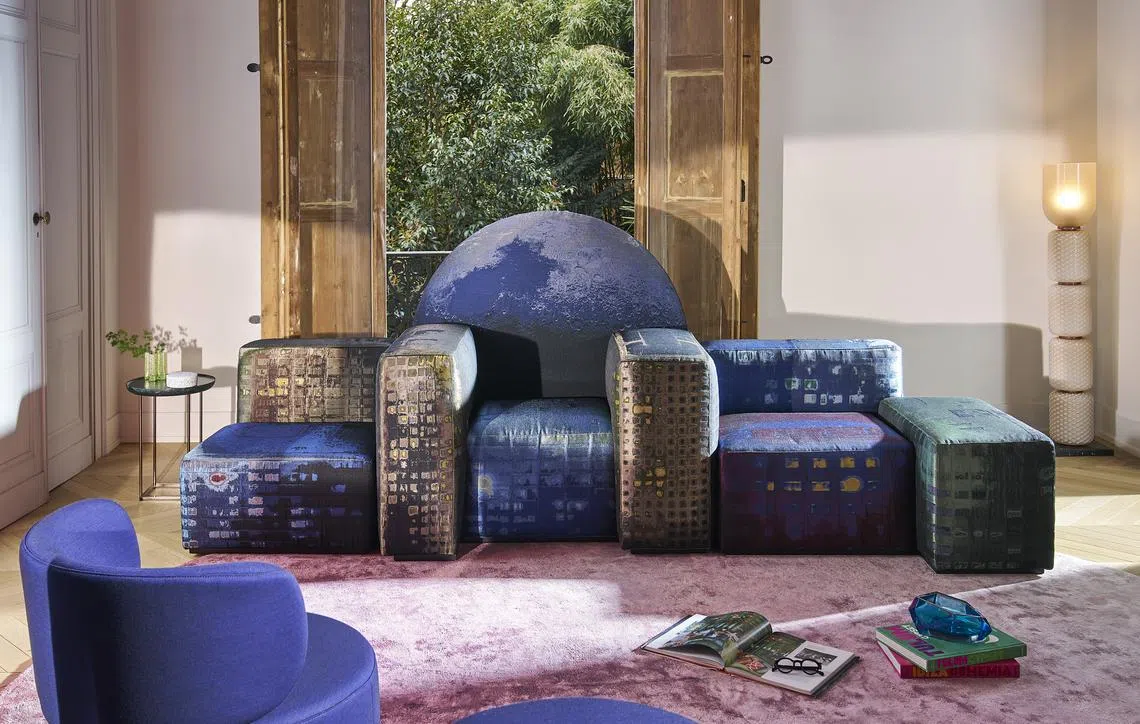
The Italian furniture brand also showcased Charles and Ray Eames’ Galaxy chandelier. Notably, it is the first time the lamp has been made. Magg explains: “Cassina’s research and innovation have put this masterpiece into production because the couple faced technological limitations in the industry during the post-war era.” Joe Colombo’s Pocket chair, designed in 1971, was also finally realised by Karakter, a Danish brand retailing at W Atelier.
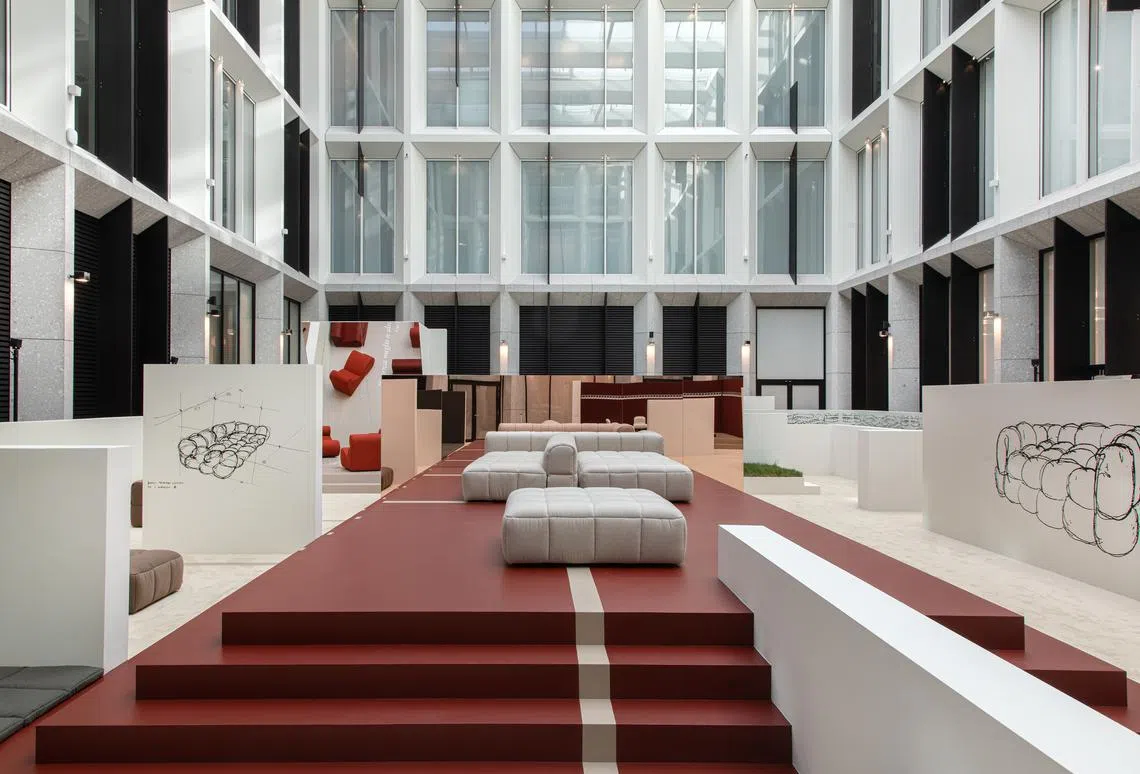
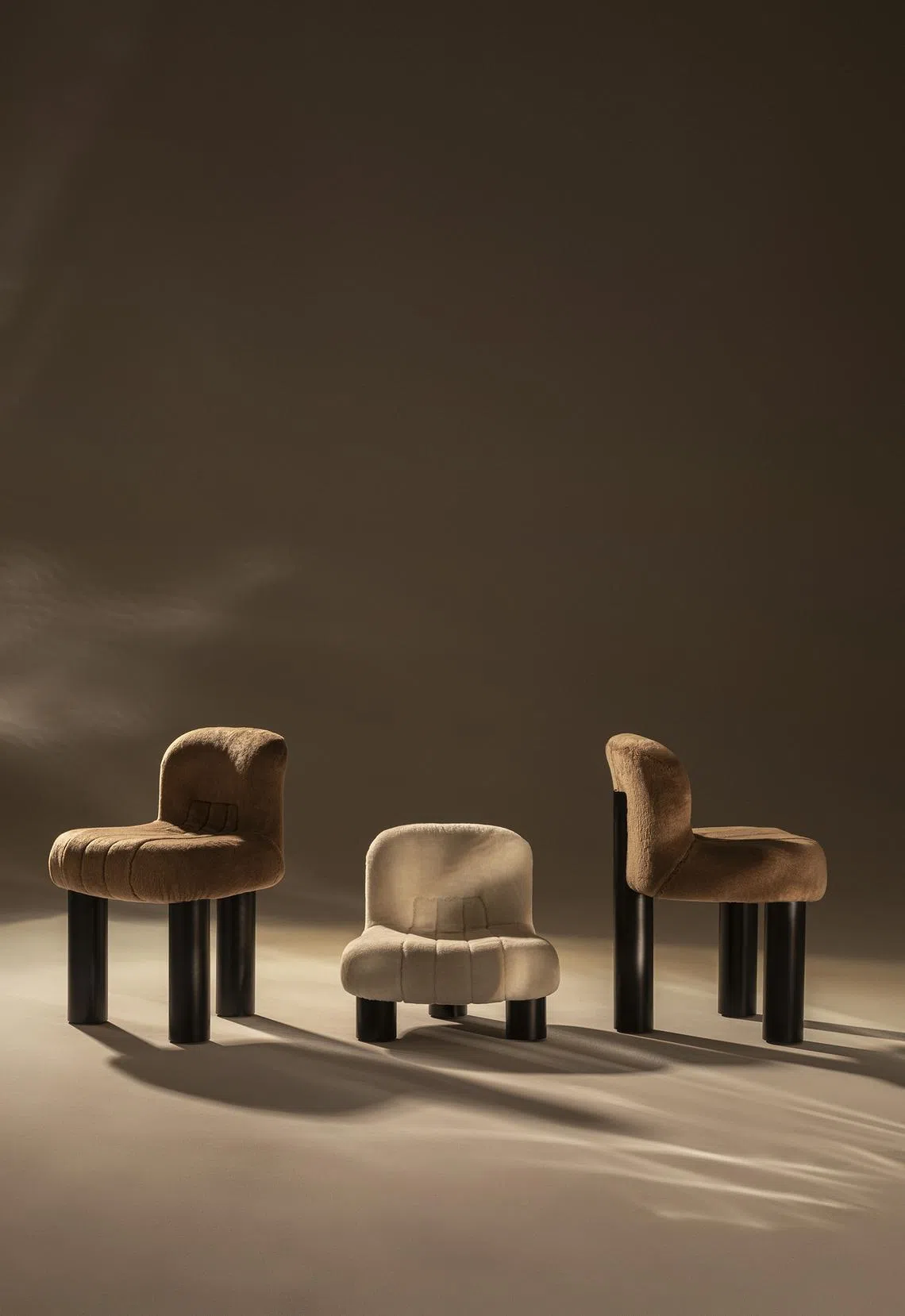
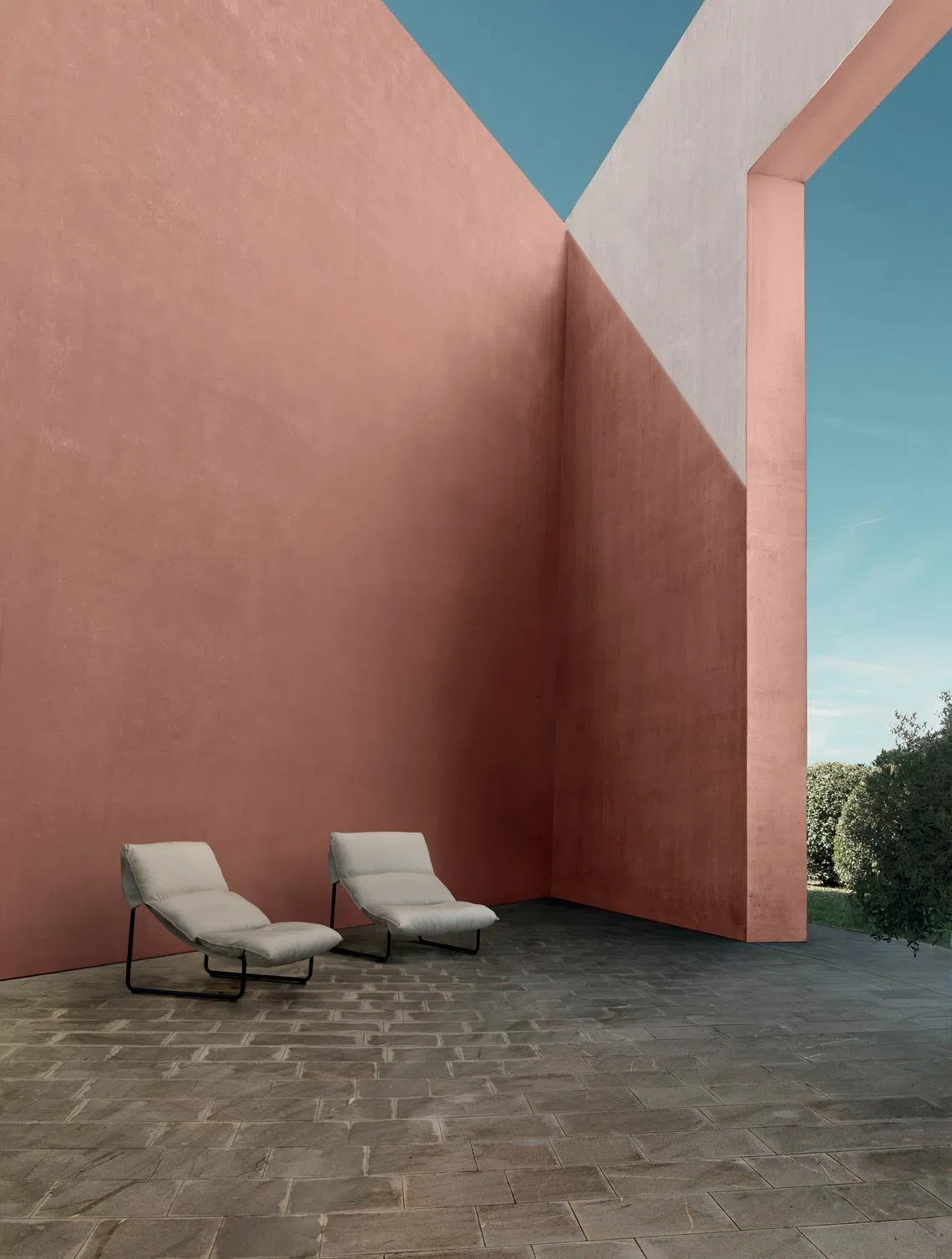
Another icon from the past was the late Cini Boeri. Arflex, which is retailed at Space Furniture in Singapore, reissued the illustrious Italian architect and designer’s 1976-designed Taboga seat. Boeri’s genius was writ large at the light-filled atrium of Loro Piana’s Milan office, where a collaboration among arflex, Archivio Cini Boeri and Loro Piana Interiors featured timeless seats including the Stripes sofa and Botolo chair dressed in exclusive Loro Piana fabrics such as Cashfur – a blend of cashmere and silk that is especially soft.
Touch and technology
In the midst of progressive technologies such as 3D printing, tactility is still a focus. “The technological aspect of manufacturing seemed to focus on how materials can be brought together and married into a singular object,” notes Terrence Quah, co-founder of Architology Interiors. He highlights Belgian brand Evolution21’s Luna dining table that has interlocking blocks of marble and timber supports.
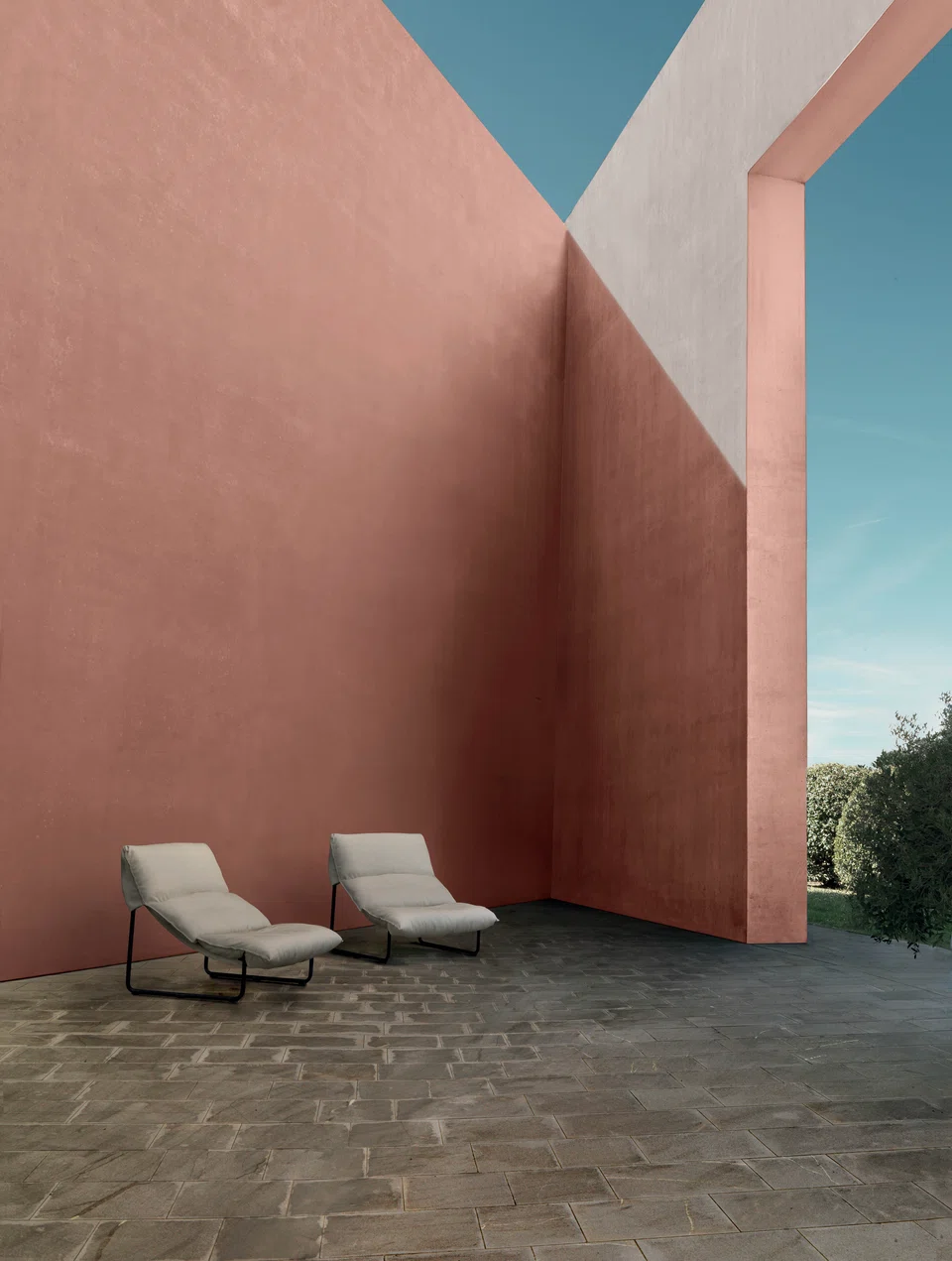
In the same vein, Baxter’s Lana table, made with exotic marbles, displayed impeccable craftsmanship. The brand, retailed at Space Furniture, offered many understated tones of chartreuse, plum and terracotta that complemented the materials used, says Space Furniture’s general manager Derek Lim.

Sabine Marcelis’ Lokum series for Acerbis was a collection that stood out for him. “The Dutch designer and artist is renowned for her artistic use of reflective surfaces and subtle colour variations,” adds Lim of one of the most sought-after creatives today, who has created products for brands such as Celine, La Prairie and various art galleries – even staging an exhibition at the famous Mies van der Rohe pavilion in Barcelona.
Art and design
Artists such as Marcelis who have one foot each in the fields of art and design are increasingly sought after as they bring both conceptual and technical rigour to methods and materials.
Cheng observes: “Throughout the event, the unmistakable evolution of design and manufacturing techniques, synonymous with Italian precision and finesse, was apparent across all brands. However, the artisans and brands that create tailor-made and custom items clearly stood out against the machine-made products. It was refreshing to see even some of the larger brands showcase a bit of this tactile handmade craft.”
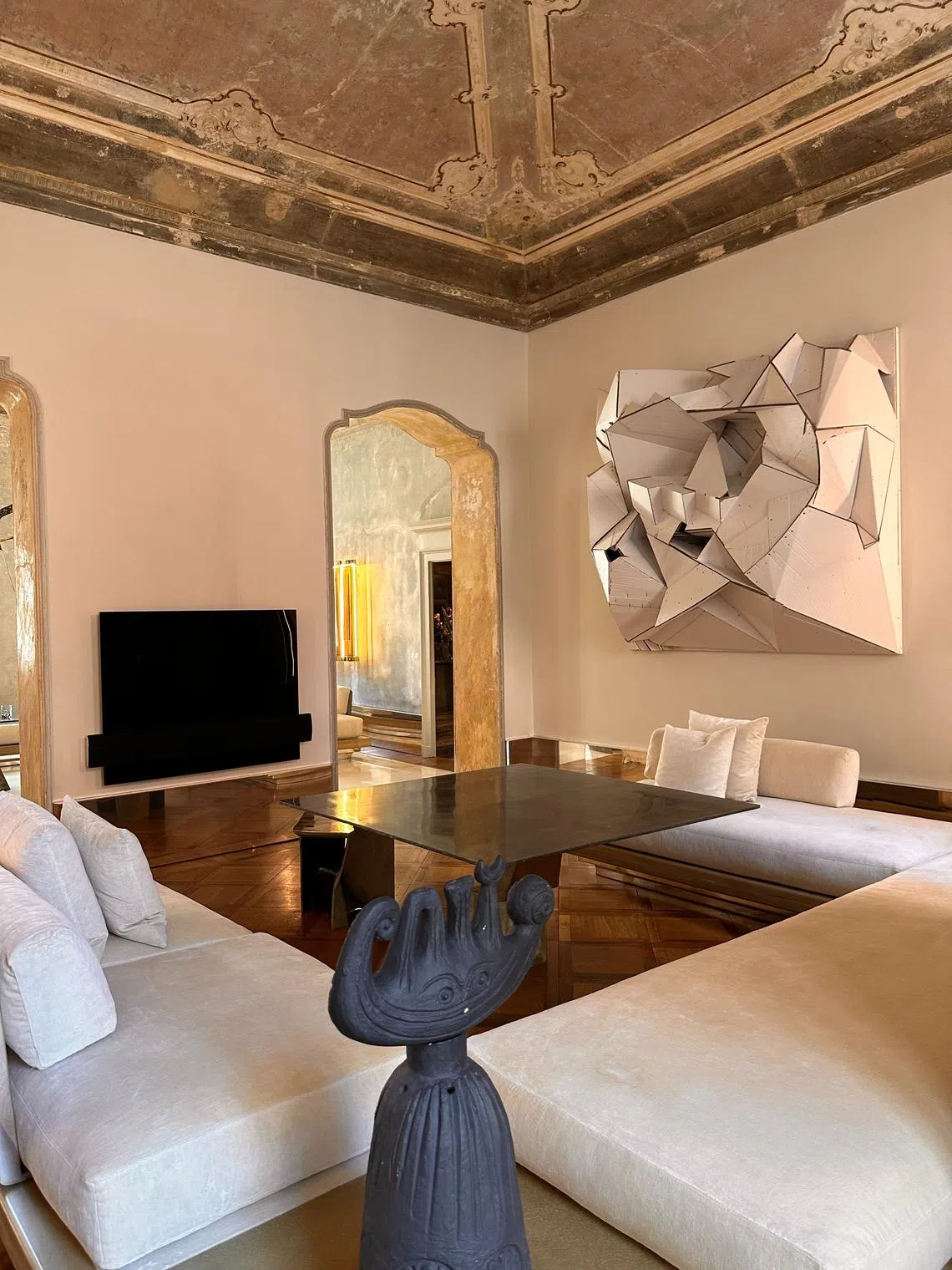
Vincenzo de Cotiis is another such figure, celebrated in the burgeoning category of collectible design. Cheng cites the Italian architect’s Archaeology of Consciousness exhibit as a favourite. “The pieces on display were truly sublime, seamlessly blending resin, silver bronze and cast glass with other found materials to create sculptural art forms that are optionally furniture,” he enthuses, finding the same artistic flair in the de Cotiis home that he had the chance to visit.
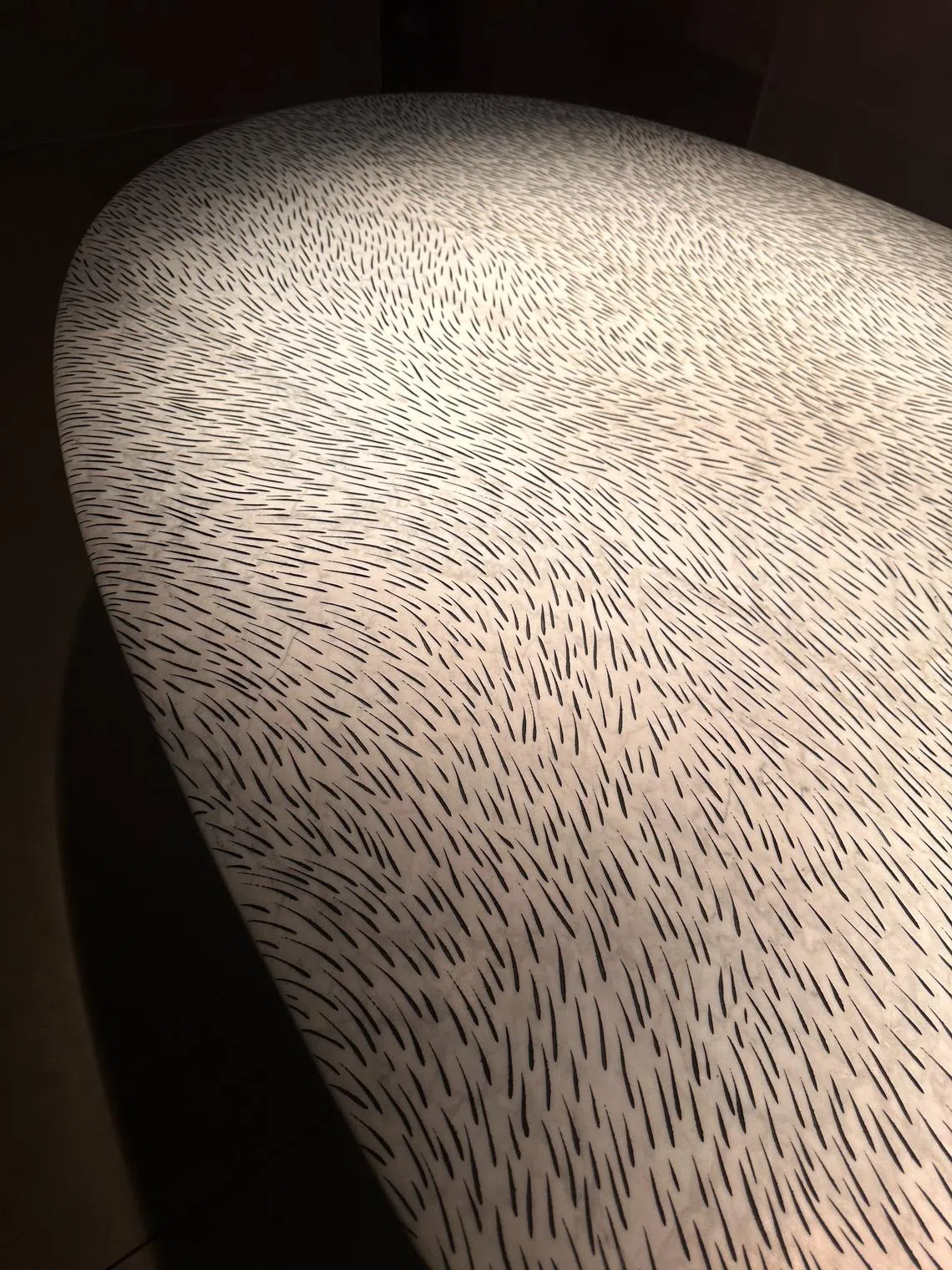
Similarly, Italian designer Andrea Mancuso’s Sgraffito dining table at Nilafur Depot appealed to him. Marrying technique and art, it featured wavy patterns abstracting nature on the surface made with a marble-grinding machine, after which black pigment was applied and then sanded, revealing the patterns.
These encounters are invaluable to his work as an architect, interior designer and product designer. “In just three days of 15-hour walks each day, I have encountered hundreds of distinctive pieces of furniture, and dozens of artists and sculptors. I have decided to push the idea of collaboration in my work, to ensure that we not only showcase furniture artisans and their works, but also to collaborate with them on unique pieces for the homes (I design),” says Cheng.
Quah affirms the importance of Milan Design Week: “The breadth of original design represented at the Salone is something that has no comparison to other design fairs. Not every company can produce that many new and original pieces, but every year, new designers enter the scene and the Salone is a good venue for them to be introduced to the ethos of the industry. For those who are well-versed with the larger players in the furniture industry, it is also a good time to discover the niche products that may challenge prevailing design norms.”
Decoding Asia newsletter: your guide to navigating Asia in a new global order. Sign up here to get Decoding Asia newsletter. Delivered to your inbox. Free.
Share with us your feedback on BT's products and services
TRENDING NOW

Once staunchly pro-China, Malaysian Chinese businesses are now distancing themselves from Beijing

Looking beyond looming CEO succession, should UOB potentially pursue a transformative merger?

Could stablecoins be the future of money?
Grab CEO’s wife Chloe Tong on life with Anthony Tan and finding her purpose

