

Connecting Art & Architecture
National Gallery Singapore's new exhibition delves into the intersection of art and architecture from 1969 to 1989
 Add BT as a preferred source
Helmi Yusof
DeeperDive is a beta AI feature. Refer to full articles for the facts.
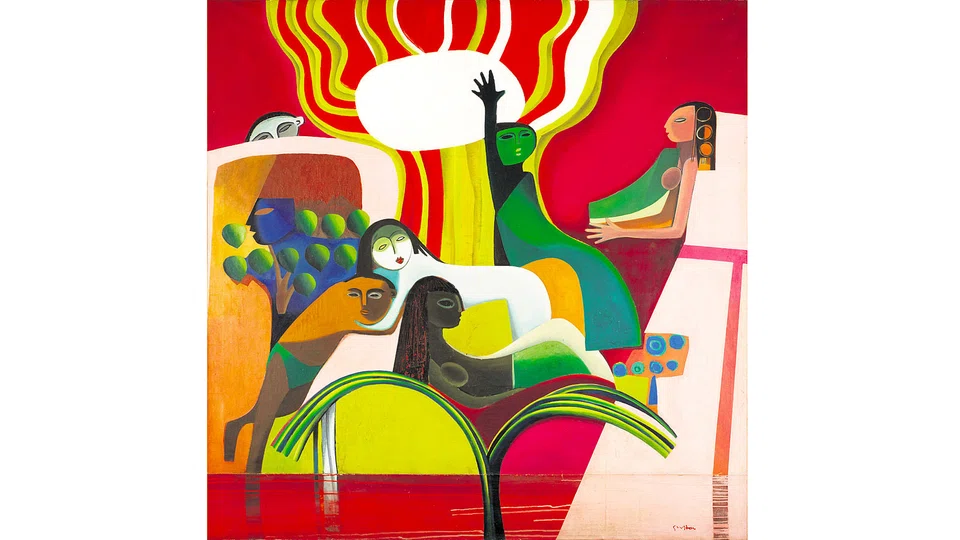
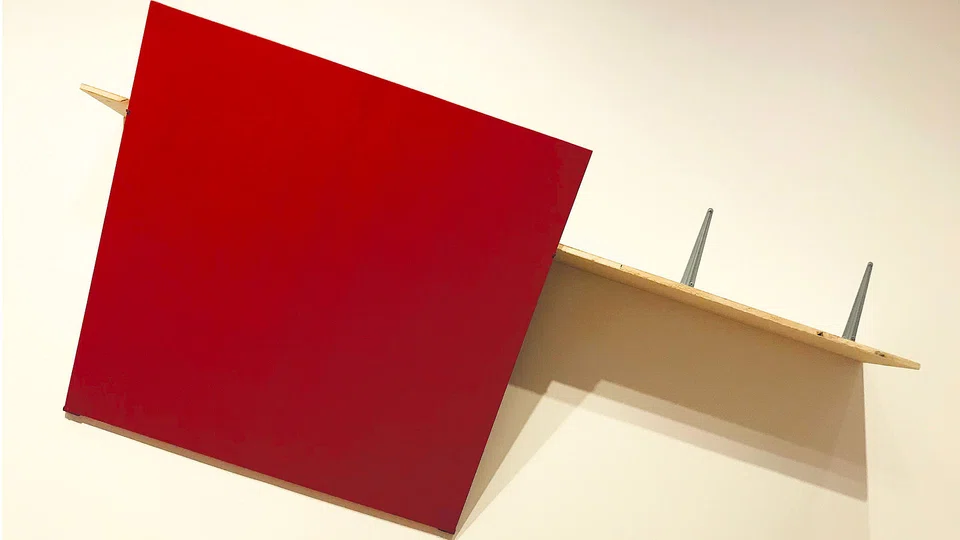
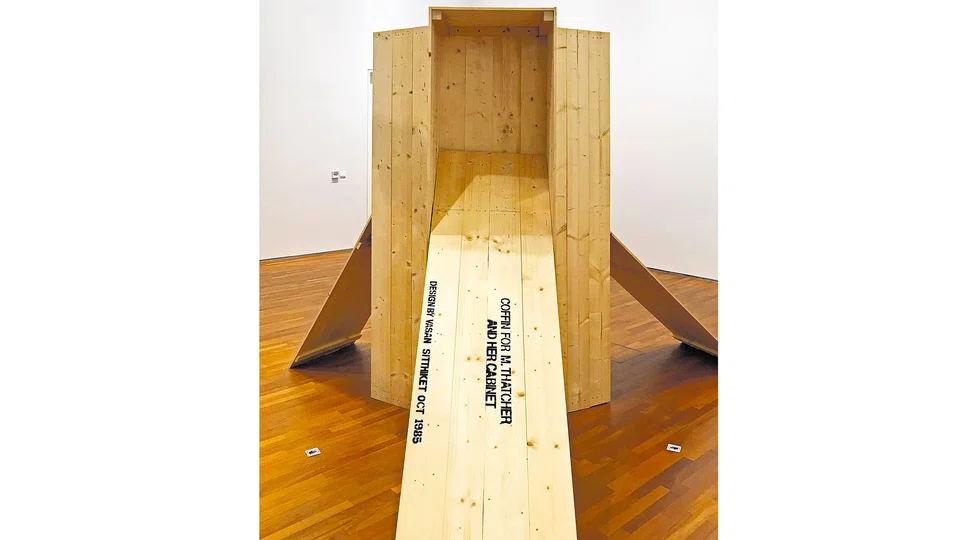
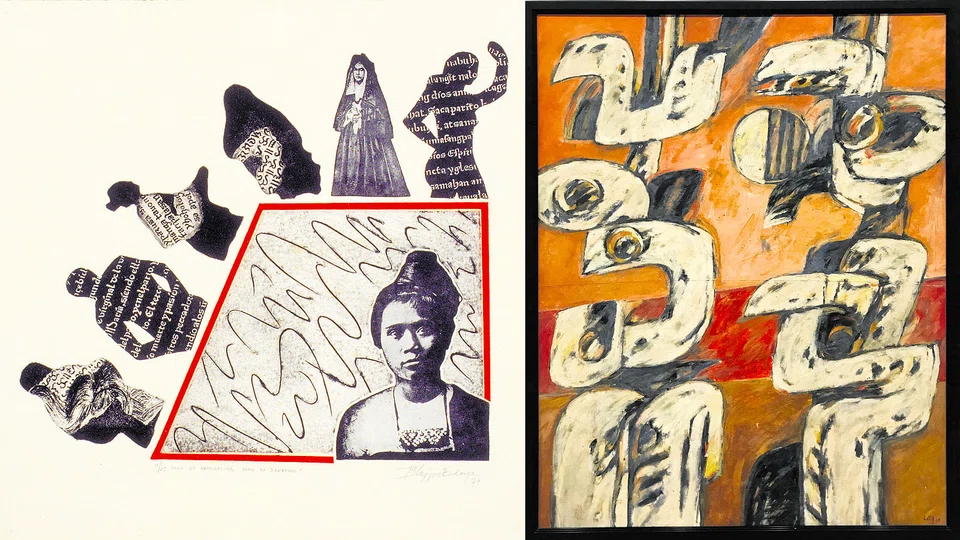
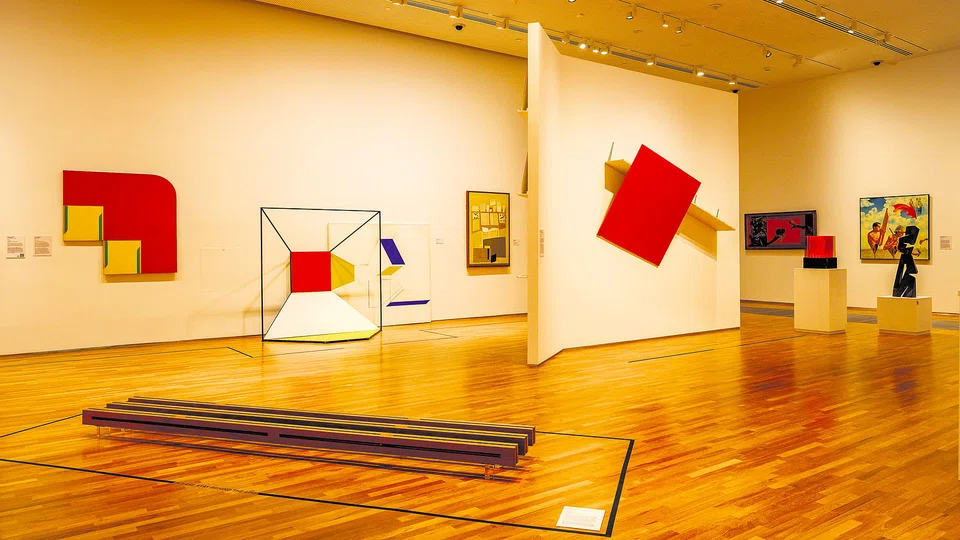
ALWAYS SO ELOQUENT, senior curator Shabbir Hussain Mustafa describes the period as ''a time when the search for origins ended... and the assertion of agency began''. The period in question is 1969 to 1989 when Southeast Asian artists - emerging from decades of colonial rule and empowered by the rapid transformation of their cities - were attempting to picture a future for themselves unlike anything that had come before. Their unbridled imaginations found expression in their artworks, which in turn inspired art lovers and other viewers to also envisage their lives differently.
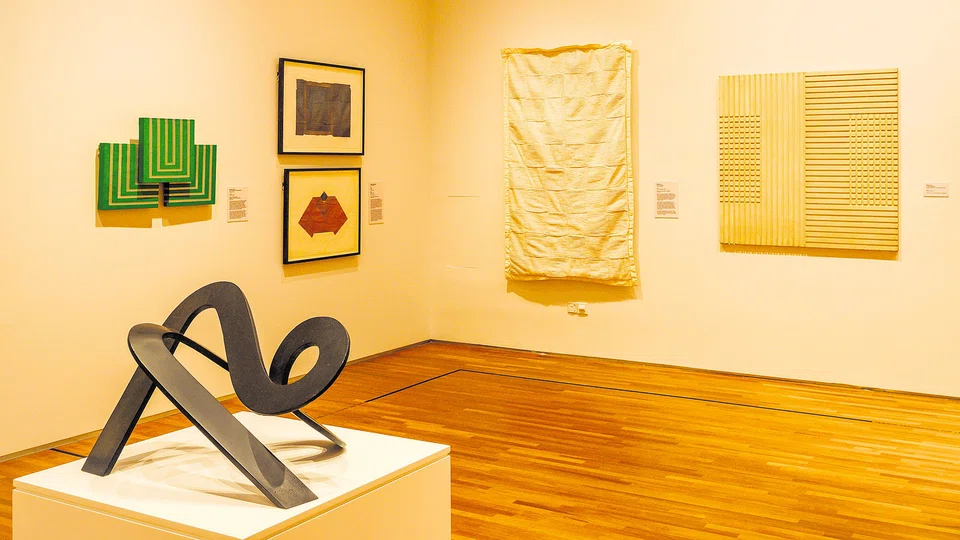
Some of their canvases, sculptures, writings and installations can now be seen in National Gallery Singapore's newest exhibition Suddenly Turning Visible: Art And Architecture In Southeast Asia (1969 - 1989). It is curated by Mr Mustafa, Seng Yu Jin, Joleen Loh and Cheng Jia Yun, with the title Suddenly Turning Visible extracted from a 1981 essay by Filipino curator and artist Raymundo R Albano who was expressing surprise at the speedy transformation of Manila.
Suddenly Turning Visible looks at art's development in only three Southeast Asian cities - Manila, Singapore and Bangkok - and not the entire region. It does this by exploring how the three cities' scenes grew with the influence of three important art institutions: Singapore's Alpha Gallery, Manila's Cultural Center of The Philippines and Bangkok's Bhirasri Institute of Modern Art. The three institutions were respectively envisioned by architects Lim Chong Keat, Leandro V Locsin and Mom Luang Tridhosyuth Devakul, who loved their countries' artists and were passionate advocates for their works.
Copyright SPH Media. All rights reserved.
TRENDING NOW

Air India asks Tata, Singapore Airlines for funds after US$2.4 billion loss

Beijing’s calculated silence on the Iran war

China pips the US if Asean is forced to choose, but analysts warn against reading it like a sports result

Richard Eu on how core values, customers keep Singapore’s TCM chain Eu Yan Sang relevant

