Crafting in human experiential terms
Famous international designer Thomas Heatherwick, who has designed awe-inspiring buildings, is not saddled with the baggage of Modernist architectural dogma.
 Add BT as a preferred source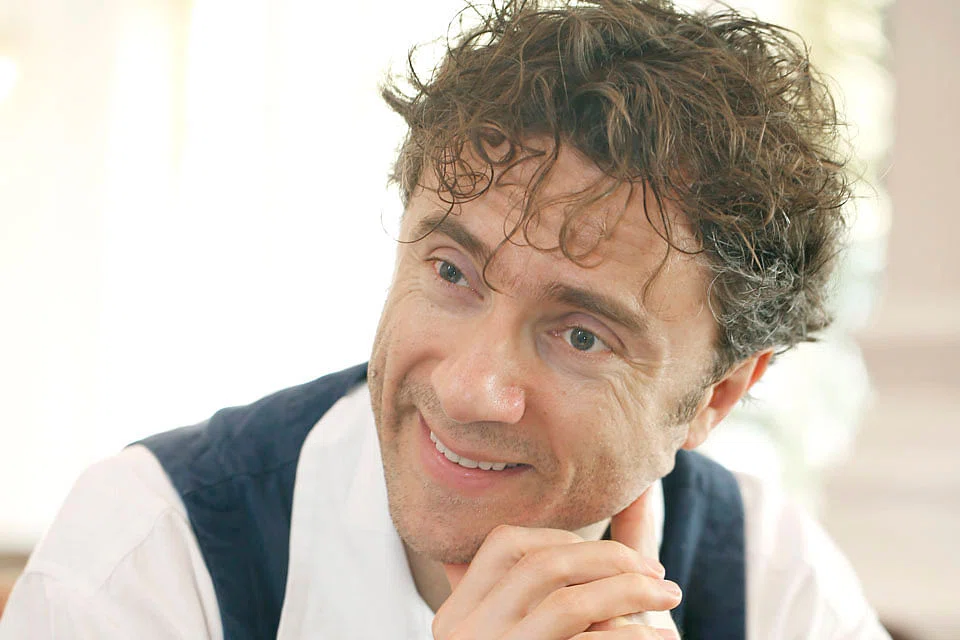
DeeperDive is a beta AI feature. Refer to full articles for the facts.
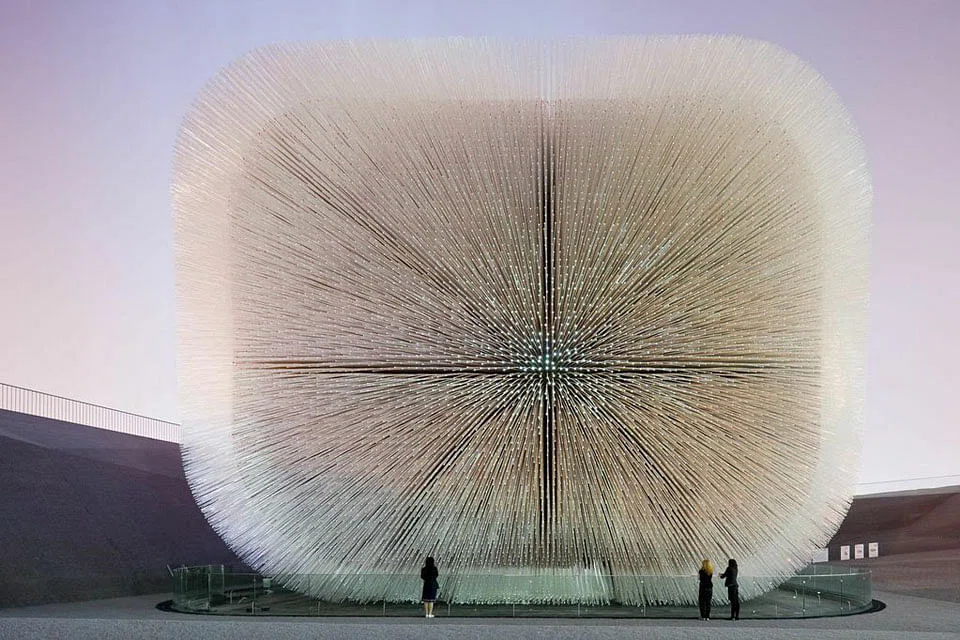
THOMAS Heatherwick became famous almost overnight with his design for the UK Pavilion at the Shanghai World Expo 2010. The awe-inspiring design beat close to 200 other national pavilions to clinch the "Best In Expo" prize, including one by Pritzker Prize winning architect Norman Foster whose firm Foster + Partners designed the UAE Pavilion.
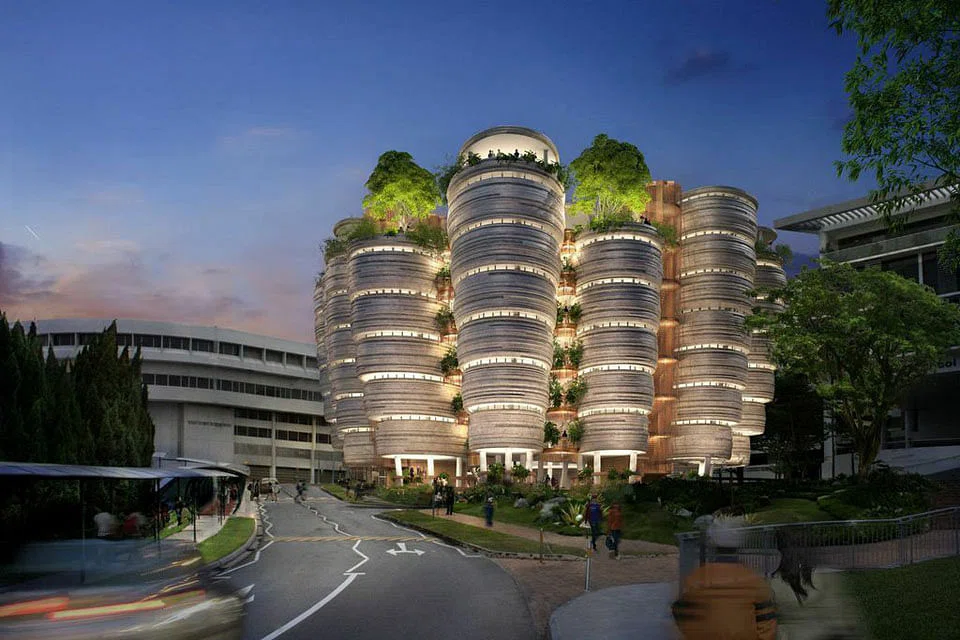
Today, having completed his first major piece of architecture with the Learning Hub at the Nanyang Technological University (NTU), and in the midst of designing the master plan for Google's new headquarters (with Bjarke Ingels Group) on a vast 300,000 square metre site in Mountain View, California, the title of "starchitect" seems imminent. But the title is rejected before it is even invested. "I almost think it's a taunt," he says. And in truth, Mr Heatherwick is not really eligible. "Hopefully I am protected because I was never an architect to start off with. You'd have to invent a new name," he says, chuffed.
The revelation that Mr Heatherwick is not an architect explains a lot actually, including his meteoric rise to fame. Unlike many architects practising today, he is not saddled with the baggage of Modernist architectural dogma that "form must follow function" or that "less is necessarily more". Anyone lucky enough to have visited the UK Pavilion will understand that for Mr Heatherwick, it is the experiential quality of the space that matters.
Copyright SPH Media. All rights reserved.