Crypto crash aside, NFTs are here to stay
But the days of speculative investing may be over, says art economist Magnus Resch
 Add BT as a preferred source
Helmi Yusof

DeeperDive is a beta AI feature. Refer to full articles for the facts.
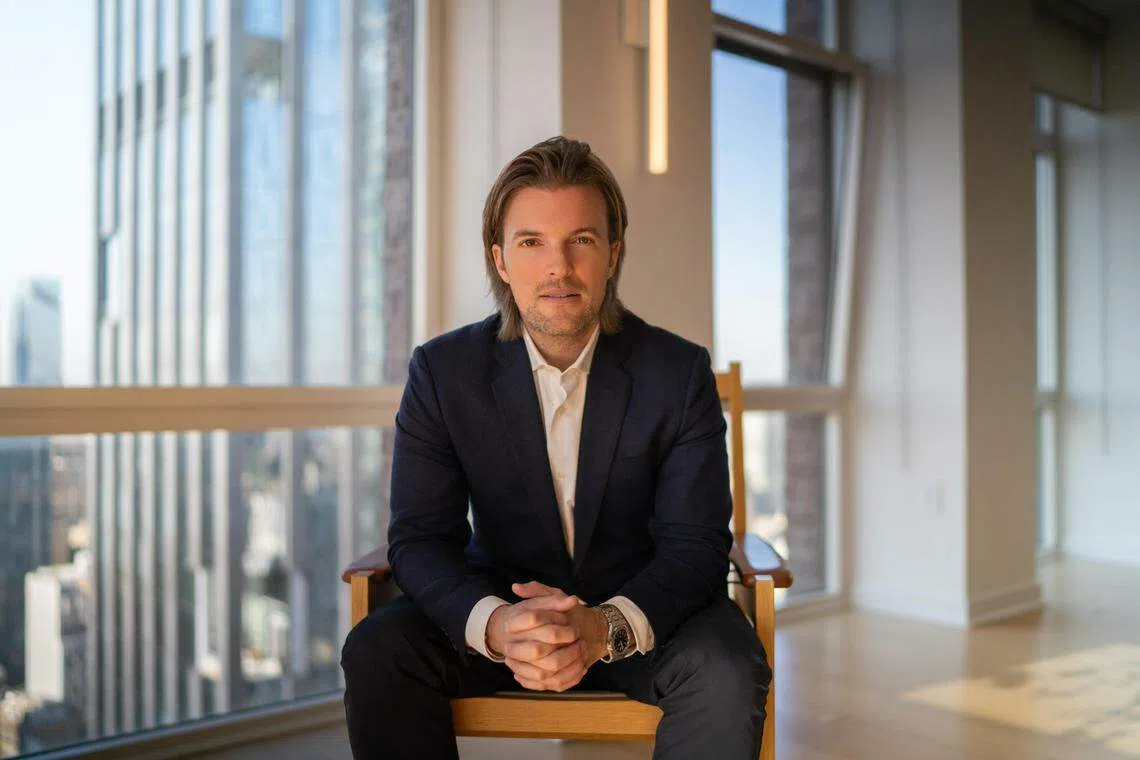
NON-FUNGIBLE tokens (NFTs) are not going away, says economics professor Magnus Resch, who lectures at Yale University and has written books about the art market. NFTs will stabilise in the coming years and become a part of our cultural landscape, changing the way the art market operates. NFTs are far more than just “overpriced and hyped up JPEGs”, he says, amid the crypto crash spreading across the market.
“NFTs solve the biggest problems in the art world: transparency, authenticity, money. In the future every work that leaves an artist’s studio will have an NFT attached to it. Whenever the work is traded, this change of ownership plus the transaction price is registered on the blockchain, transparent and accessible for everyone. This establishes provenance as only the holder of the NFT is the true owner of the real work.“
However, the days of excessive speculation and eye-watering speculation may be over: “We saw an excessive amount of crypto money poured into the NFT space. Several projects had unbelievable price increases, artists who were unknown to a larger audience 2 years ago became millionaires.
“While this is good for artists, those days are gone. Only projects with a community built around the core values of the artists will prevail and not those who focused solely on speculative investing.”
Before the market collapse of NFTs recently, Resch had already posed questions about NFTs’ inordinate price ranges: “The value of many projects is in no relation to market value that the art world has established for decades. Take the example of Damien Hirst’s Currency Project: Physical artworks of Damien Hirst in an edition size of 10,000 sell for roughly US$2,000. That’s based on 20 years of sales history. It’s fair to argue that US$2,000 is the right market price. And that was also the price you had to pay when you bought the physical works in July 2021.
“But the current floor price for his NFTs, as of June 2022, is US$8,500, more than 4 times the price that it was initially offered for. While I understand that there is a premium because of the uniqueness of the idea, I don’t see anything that justifies a 4 times multiple. Will this price remain at this level in 5 years? I doubt it.”
Navigate Asia in
a new global order
Get the insights delivered to your inbox.
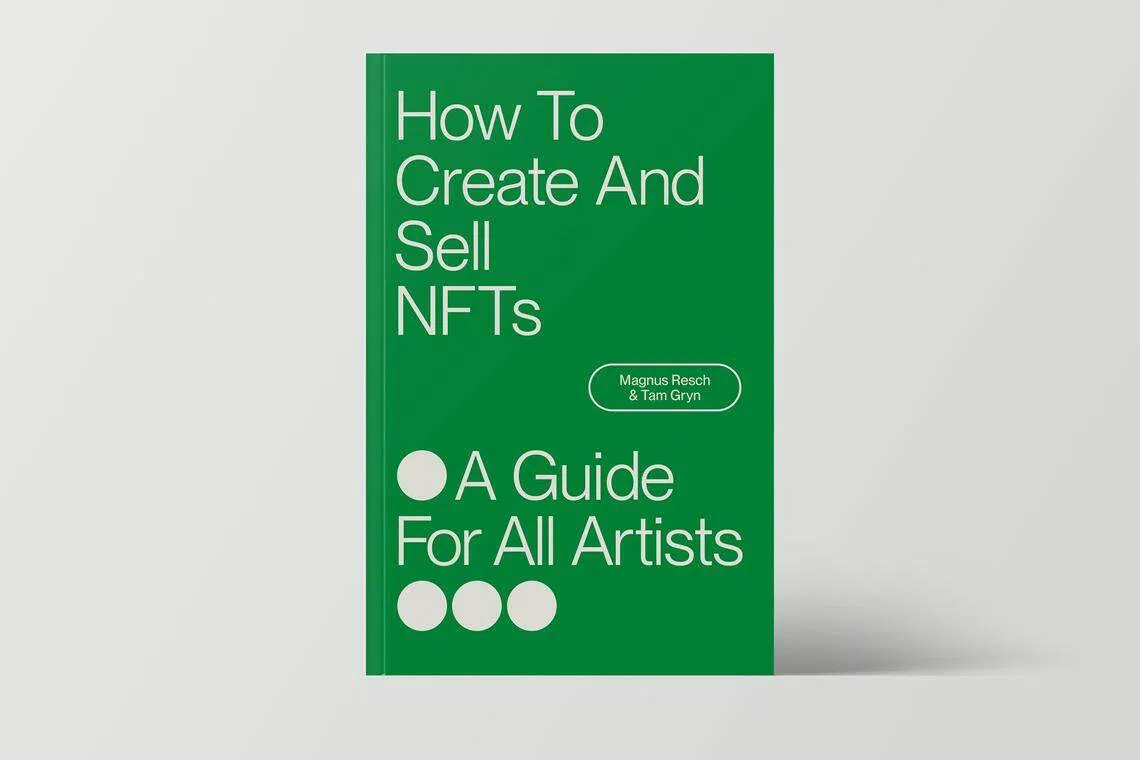
Resch recently co-authored a book titled How To Create And Sell NFTs - A Guide For All Artists with curator Tam Gryn. Prior to this, he has also written popular books such as Management Of Art Galleries and How To Become A Successful Artist. All were published by Phaidon.
He think its critical for artists to learn about NFTs because of its usefulness in establishing transparency and proof of authenticity: “On top of that, artists will benefit because with every transaction they will earn royalties.”
He also believes that it’s only a matter of time before galleries and museums will have to jump into the NFT space: “Galleries will remain important to serve as curators of taste… but the traditional 50:50 split will not continue. (Typically when an artwork is sold, the artist and the gallery split the money equally.) I foresee a more favourable split for artists (70:30) and also a system that will allow galleries to participate in secondary market royalties.



“Museums will be able to form more lasting relationships with their visitors by engaging with and rewarding them. As a starting point, museum membership programmes will be sold as NFTs, thus converting them into smarter versions of loyalty programmes that can also be traded on a liquid marketplace. Engagement and participation will allow museums to retain their members.”
At the moment, however, the art market largely remains sceptical over NFTs, with the ongoing crypto crash simply confirming their suspicions: “Most gallerists and artists think it will go away. And when it comes to overpriced JPEGs, they are right. But NFTs will change the art market forever – even if this transition will take some time as the art world has historically been slow to adapt to new technologies.
“We won’t see museums flooded with digital artworks. Paintings, sculptures and installations will still be the dominant art forms displayed in art museums. Only a few projects out of the current NFT hype are likely to make it into the top museums. And only in 5-10 years will we see artists registering their works on the blockchain.
“But we will get there.”
Magnus Resch’s book “How To Create And Sell NFTs - A Guide For All Artists”, co-written with Tam Gryn, is available on Amazon.
Decoding Asia newsletter: your guide to navigating Asia in a new global order. Sign up here to get Decoding Asia newsletter. Delivered to your inbox. Free.
Copyright SPH Media. All rights reserved.