Deciphering common symptoms
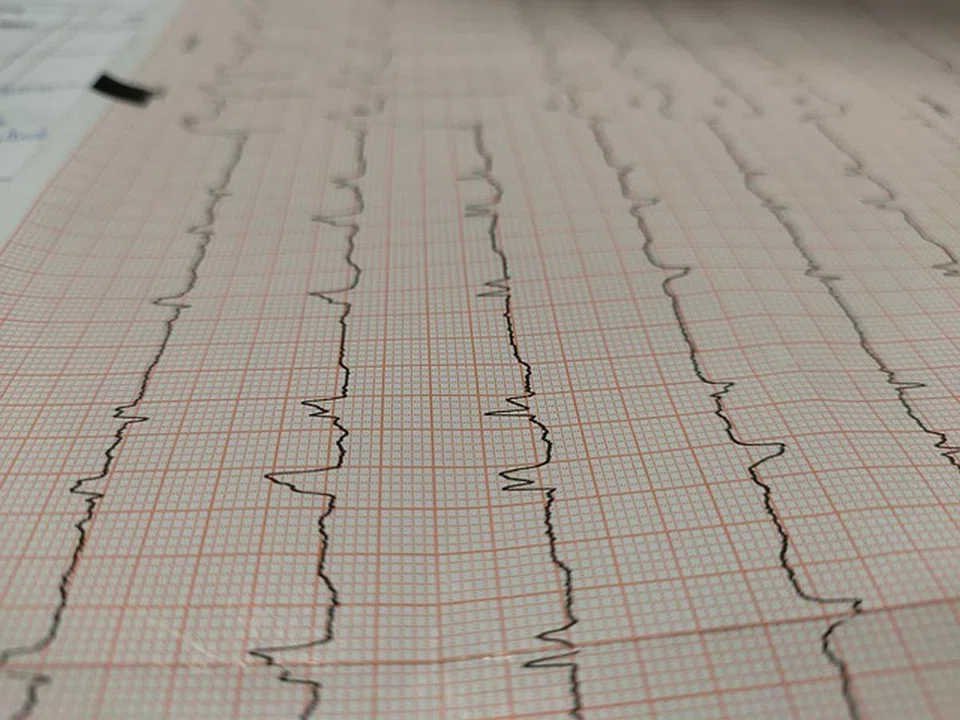
As we get older, we may be plagued by symptoms such as decrease in memory, headaches, palpitations, chest pain and shortness of breath in exertion. Understanding potential common causes of these symptoms will help us make the right decisions towards keeping healthy.
Frequent morning headaches
While many people may have headaches occasionally or close to the period of their menstrual cycles, some have frequent headaches that are worse in the mornings. A common cause is the lack of oxygen during sleep secondary to the obstruction of the upper airway during sleep. This may be accompanied by other symptoms such as snoring, breathing through the mouth during sleep, dry throat, excessive daytime fatigue and gradual progressive impairment in memory. This condition is termed obstructive sleep apnoea or OSA, and is prevalent in obese individuals and older people who sleep on their backs in a supine posture. Reducing weight, sleeping on the side, treating any nasal allergies or obstruction are measures that can alleviate this condition. For those who continue to have persistent symptoms despite these measures, a sleep test is often done and the patient may be put on a Continuous Positive Airway Pressure machine at night or have to undergo surgical treatment.
Memory impairment
While head trauma and stroke are important causes of memory impairment, many people who develop early memory impairment may be relatively healthy and young. Common causes of memory impairment in this cohort include the lack of oxygen during sleep as a result of OSA, having undergone general anaesthesia (GA) and those who have heavy alcohol consumption. Hence, it is not uncommon to hear patients commenting that their memory has deteriorated after undergoing GA. The post-GA memory impairment is gaining attention in many Western countries as it is a recognised side effect of GA. What is important in all these three common causes of memory impairment is that they are all preventable. You can reduce your risk of memory impairment : 1) Ensure you have no airway obstruction such as snoring or breathing through the mouth; should you have these symptoms, treatment is advised; 2) Prior to undergoing major surgery requiring prolonged GA, a discussion with your surgeon and anaesthetist as to how best to reduce the risk of GA-related memory impairment; 3) Reduction or cessation of alcohol intake may be helpful in those with memory impairment.
Chest pain and shortness of breath on exertion
While men with blockage of heart arteries usually experience chest pain or shortness of breath on physical exertion, women may have symptoms that are precipitated by mental or emotional stress rather than physical exertion. In addition to chest pain, women may suffer from upper abdominal discomfort, pain radiating to the neck or arm, tiredness or shortness of breath. The use of questionnaire-based risk scoring systems, also termed global risk assessment, attempts to determine the likelihood of heart artery disease. Much of the data used was old and hence less applicable to current situations. The Framingham risk score, which was the most commonly used, has been replaced by a newer risk scoring system proposed by the American Heart Association. The new system is designed for use in specific population groups in the US and is not meant to be applied to Asian populations. Furthermore, risk assessment scoring systems are meant for asymptomatic populations and are not to be used for those with symptoms.
According to the American College of Cardiology and American Heart Association Guideline on Assessment of Cardiovascular Risk, when you are told that based on your risk profile, your 10-year risk score is 10 or 20 per cent, it does not mean that you have a 10 or 20 per cent risk of a heart attack during a 10-year period. What a 20 per cent risk within a 10-year period means is that within a group of individuals with the same risk profile, for every 100 individuals, there will be 20 who will develop a heart attack within the 10-year period. Those who are predestined to have a heart attack will be able to take steps to prevent the heart attack. There is no evidence to support the use of risk calculators for guiding drug treatment. The current American Heart Association guideline clearly states that risk calculation should be more appropriately used to motivate therapeutic lifestyle change in younger individuals.
What diagnostic modalities do the current guidelines recommend for those with chest pain and/or shortness of breath on exertion? Increasingly, guidelines recommend the use of Computed Tomography Coronary Angiogram (CTCA) for those with suspected heart disease presenting with chest pain. One of the strengths of CTCA is the extremely high accuracy of a negative test. In the 2009 Rule Out Myocardial Infarction/Ischemia Using Computer Assisted Tomography (ROMICAT-I) study and other studies, CTCA was found to be extremely useful in the assessment of patients who were taken to the emergency department with chest pain. These studies revealed that if the CTCA showed normal heart arteries, you can virtually rule out the possibility of any heart attack occurring in the next two years. No other non-invasive test is able to have such strong predictability. In the ROMICAT II trial published in the Journal of the American Heart Association in 2016, the use of CTCA for the assessment of chest pain in the emergency department for diabetic patients showed that 66 per cent of the diabetic patients had normal or mild heart artery disease (<50 per cent narrowing) and could be discharged from the emergency department. CTCA did not miss detecting any diabetic patient with a heart attack. These large studies on the use of CTCA in chest pain situations establish the fact that CCTA can reduce the duration of stay-in emergency departments, avoid unnecessary hospitalisation and is extremely accurate in ruling out any heart disease. Currently, the hospitals of the UK's National Health System use CTCA as the first choice investigation for chest pain patients suspected to have underlying heart disease. The current European Society of Cardiology guidelines also recommend the use of CTCA as a first-line investigation for these patients. When discussing with your doctor about the CTCA , it will be wise to choose a centre that has the newest generation high-end scanners that can produce very high resolution images of the heart arteries as lower-end scanners tend to be affected by artifacts, have lower resolution, and can produce lower quality heart images.
Palpitations
With an aging population and increasing lifespans, more and more patients are developing an abnormal heart rhythm termed atrial fibrillation (AF) and this presents as palpitations. Common heart conditions that can increase the risk of developing AF include high blood pressure, blockage of heart arteries, heart valve disease and excessive thyroid hormones. Control of these conditions can reduce the risk. One important lifestyle choice that increases the AF risk is excessive alcohol intake. AF is associated with an increased risk of stroke and hence prevention is better than cure. If you have palpitations, your doctor may put you on a monitor to detect the AF and thereafter advise you on the management.
Understanding and deciphering the implications of these common symptoms can result in early detection and prevention of adverse health outcomes. Hence, understanding your body is key to good health.
Dr Michael Lim
Senior Consultant Cardiologist
Royal Healthcare Heart, Stroke & Cancer Centre
MB BCh BAO BA (Dublin), MSc DIC (London), DLO (England), MRCS (Edin), FRCS (ORL-HNS)(Edin), FICS
This article is produced in collaboration with Royal Healthcare Heart, Stroke & Cancer Centre
Decoding Asia newsletter: your guide to navigating Asia in a new global order. Sign up here to get Decoding Asia newsletter. Delivered to your inbox. Free.
Share with us your feedback on BT's products and services