

Design trends for 2023
From homes to offices and architecture, industry veterans predict how we will live and work

Tay Suan Chiang
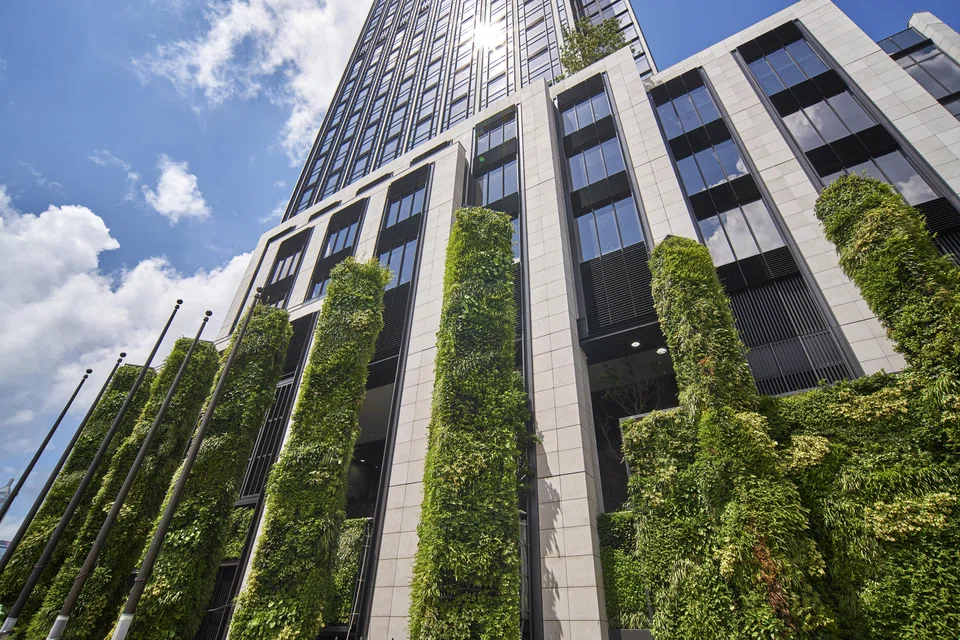
THREE years since the pandemic started, it looks like the design world has understood what people want, and is delivering it - think sustainable and biophilic design, and designing spaces that make for memorable moments.
Designers reckon that these trends will continue in the new year, but with subtle changes.
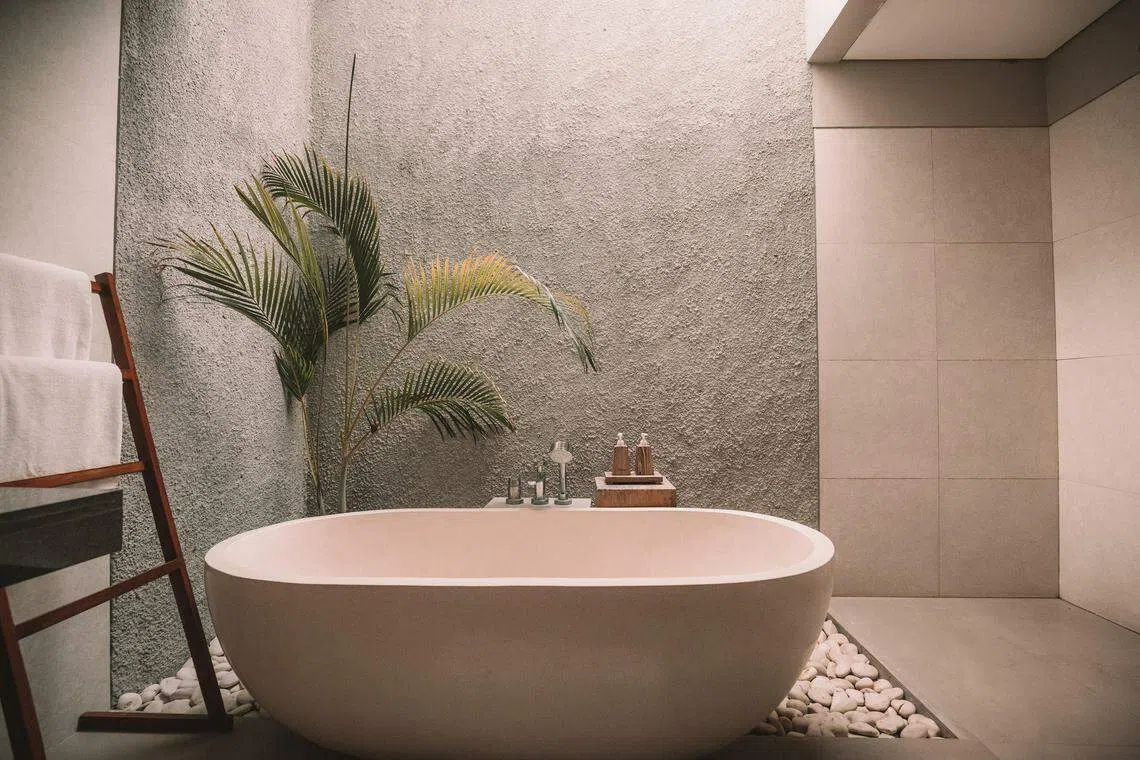
Terence Neo, CEO and co-founder of EightyTwo, a boutique interior design firm, says that common themes in the homes he designed in 2022 include using sustainable materials such as wood and stone, and incorporating lots of greenery where possible.
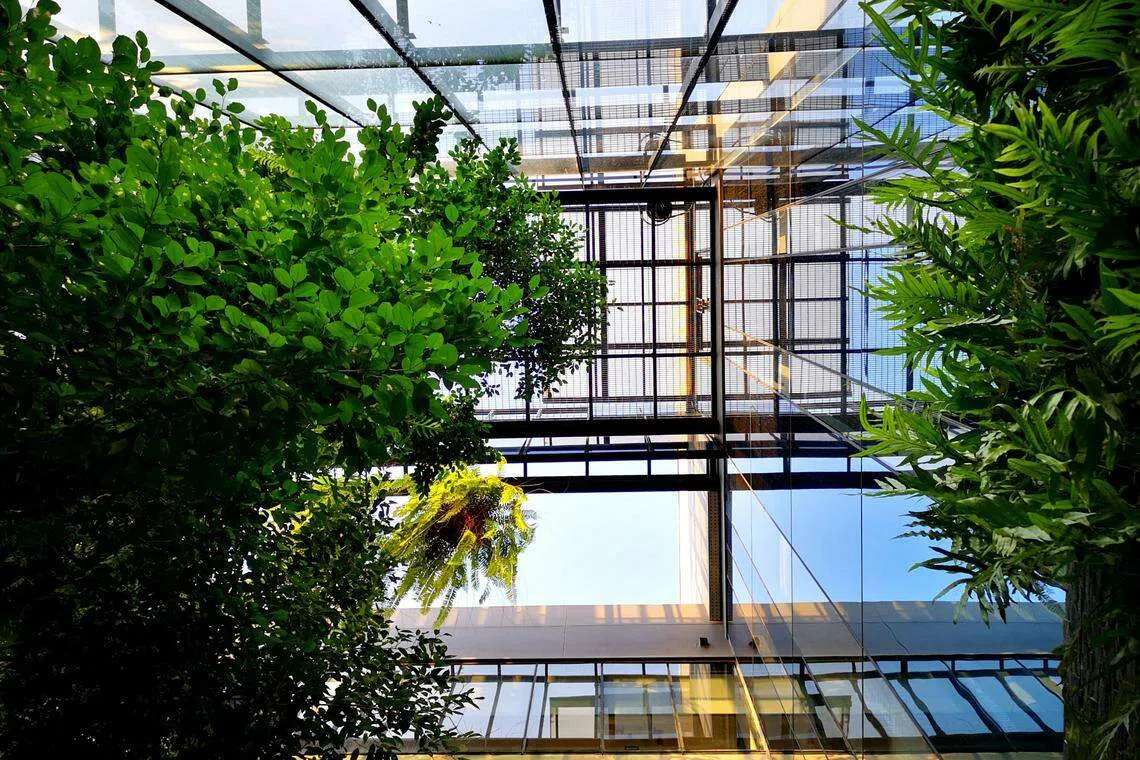
As more people see the benefits of having more greenery around them, Neo is expecting a higher number of homeowners to request for “pockets around the home that will allow them to connect with nature”.
He adds: “What is also likely to be popular are furniture and lighting fixtures that have organic and sculptural forms that are inspired by natural silhouettes.”
Cherin Tan, founder of interior design firm Laank, believes that the era of bling is over. “I’m seeing luxury being showcased in more subtle and natural ways. The industry and consumers now have a more trained eye, and along with a general yearning for more sustainable options, this might lead consumers away from mass-produced products and materials.”
She also expects a move away from cookie-cutter designs and towards personalisation and self-expression. An example of this would be homeowners wanting a variety of colours and finishes for their home.
“A popular trend in 2022 was a blend of minimalism, mid-century-modern decor,” says Tan. “I think this will likely start to decline in 2023 as homeowners and brand owners move away from this neutral colour palette of beige to avoid interiors that look too similar to others.”
She adds: “Bold, unexpected colours and a mix of metallic and metals might make a comeback.”
Make the office great again
Brendan Khor, managing director of Conexus Studio which specialises in designing offices, says that 2022 was the year of the hybrid office, where fixed workstations and barren pantries made way for spaces that catered to both those back in the office and those working remotely.
“The return to the workplace coupled with the rise of remote working meant that more offices were redesigning their spaces to include amenities suitable for both in-person and remote employees, ranging from virtual collaboration setups to dual-use spaces,” says Khor.
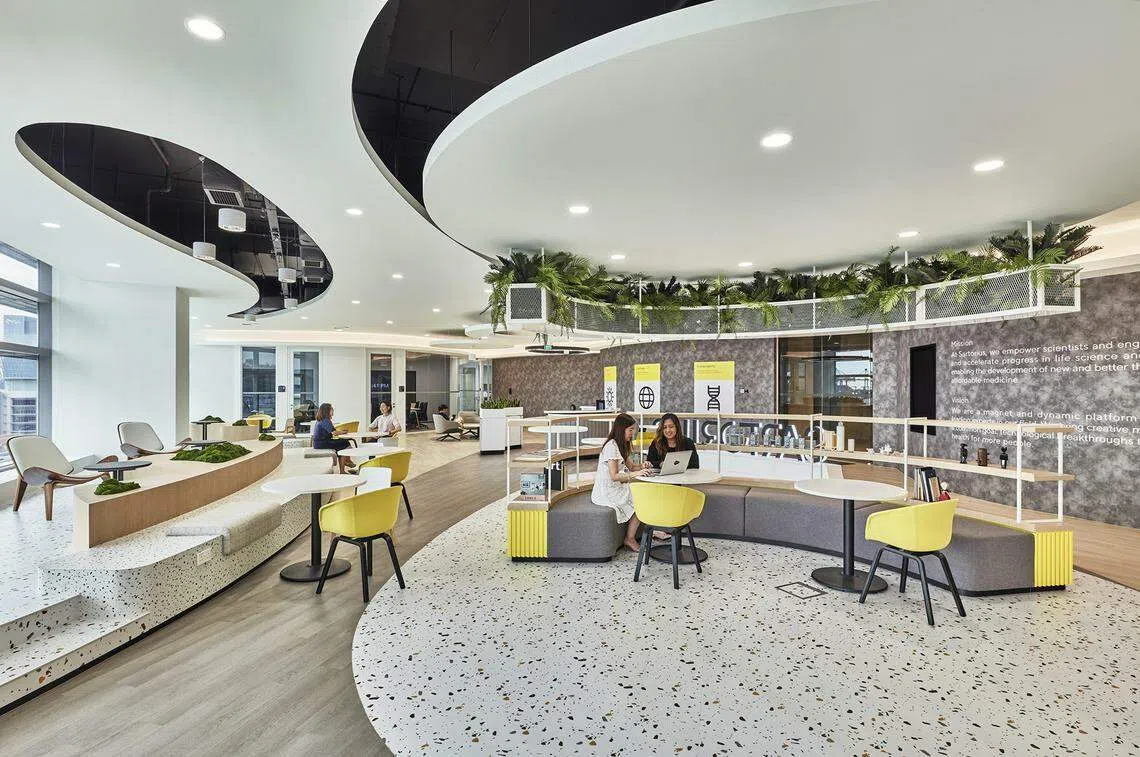
This year, he’s also seen companies reducing their office footprint by as much as 50 per cent to save costs, but without sacrificing amenities for their staff. He also has clients who provided standing desks and quiet spaces that incorporate elements of biophilic design to create workspaces that prioritise employees’ well-being.
Sustainability was also another big trend, with companies investing in energy-efficient systems to reduce their carbon footprint. Technology was another important theme in office design in 2022, with the introduction of automation and artificial intelligence to help streamline operations.
“In 2023, I expect to see an acceleration of these trends, with an increasing focus on corporate culture as companies recognise that it’s not just about giving employees a place to work — it’s about providing them with a visionary environment that empowers employees, encourages innovation and connection, and drives business goals,” says Khor.
He also expects more offices in 2023 to be designed around communities, enabling greater collaboration and connection among employees, and with greater emphasis on flexibility and tailoring the workspace to employees’ individual needs. “As more businesses commit to remote work, we will also see offices become more fluid with newfound areas for collaboration, learning and activities that promote engagement as well as productivity,” he adds.
Resorts that speak of place and a redesign for the bleisure crowd
Vacationers came out in droves as the world reopened, and now instead of merely picking the resorts or hotels with the cheapest rates, travellers picked those with designs that truly showcased the destination.
Clint Nagata, founder and creative partner of Blink Design Group, says: “In 2022, we saw the continued importance of creating places designed around stories that are intrinsic to a specific location.”
The firm designed the W Dubai - Mina Seyahi. A feature in the guestrooms that is reflective of the local heritage is the headboard, which was inspired by the white sails of the Dhow, the traditional boat of the emirates.
“As we embark on 2023, our search for designs and experiences will continue to be driven by a bespoke storyline that helps to define a place and bring out the history and culture in a meaningful way for both our clients and their hotel guests,” says Nagata.
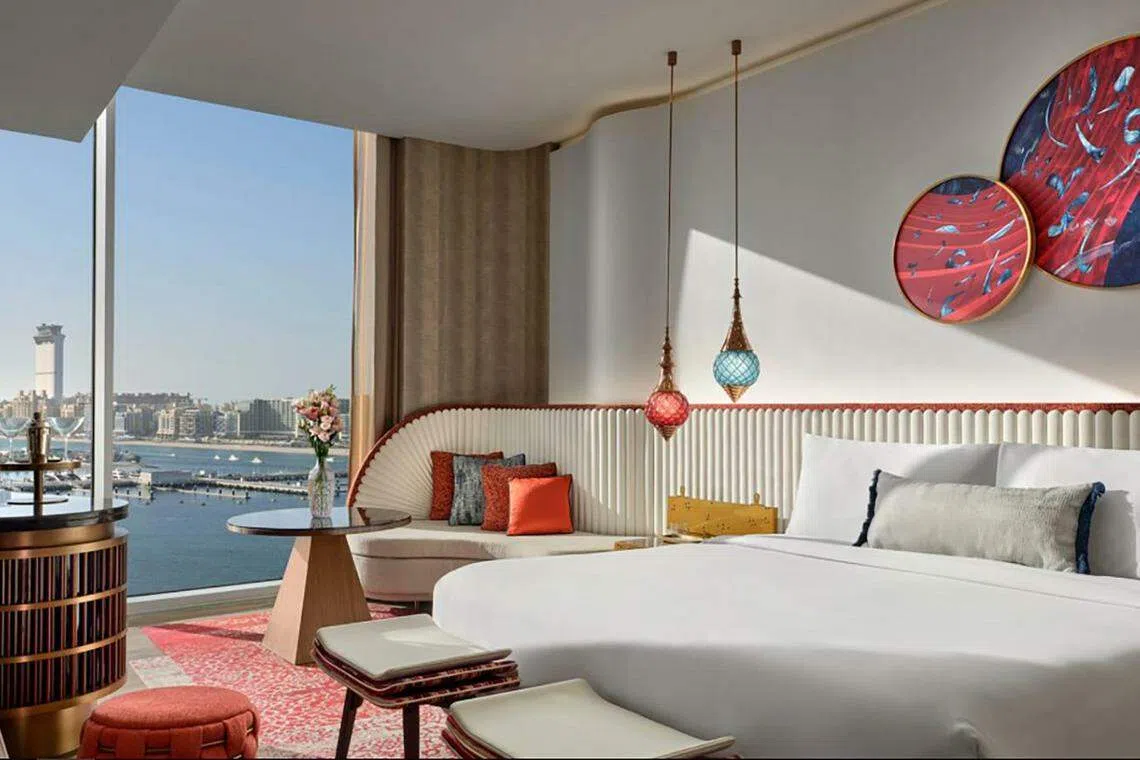
Bleisure used to mean travelling for work and tagging on a few days of holiday, but no longer. Increasingly, the term now means travelling for leisure and working anywhere. Guy Cooke, senior associate and director of strategy at WATG, a multidisciplinary firm specialising in designing hospitality projects, expects hotels and resorts to cater to this new need.
“In 2023 and beyond, we expect to see this manifesting in simple but effective upgrades such as more wardrobe space, desks placed out of view of the bed, greenscreen-appropriate wall coverings, and an increase in suites and adjoining rooms that can be adapted to suit the specific needs of the traveller: gym, second bedroom/child’s room, private office, lounge, and so forth.”
Sustainable architecture
Looking at ways to build cities sustainably continues to be of importance next year.
One way that cities can reduce carbon emissions and conserve energy is to repurpose existing architecture, says a spokesman from Ronald Lu & Partners, the award-winning architecture practice known for its human-centric approach and future-ready designs.
“Investment in buildings that allow for repurpose allow for greater conservation of land and therefore prevents the expansion of unsustainable urban sprawl,” says the spokesman.
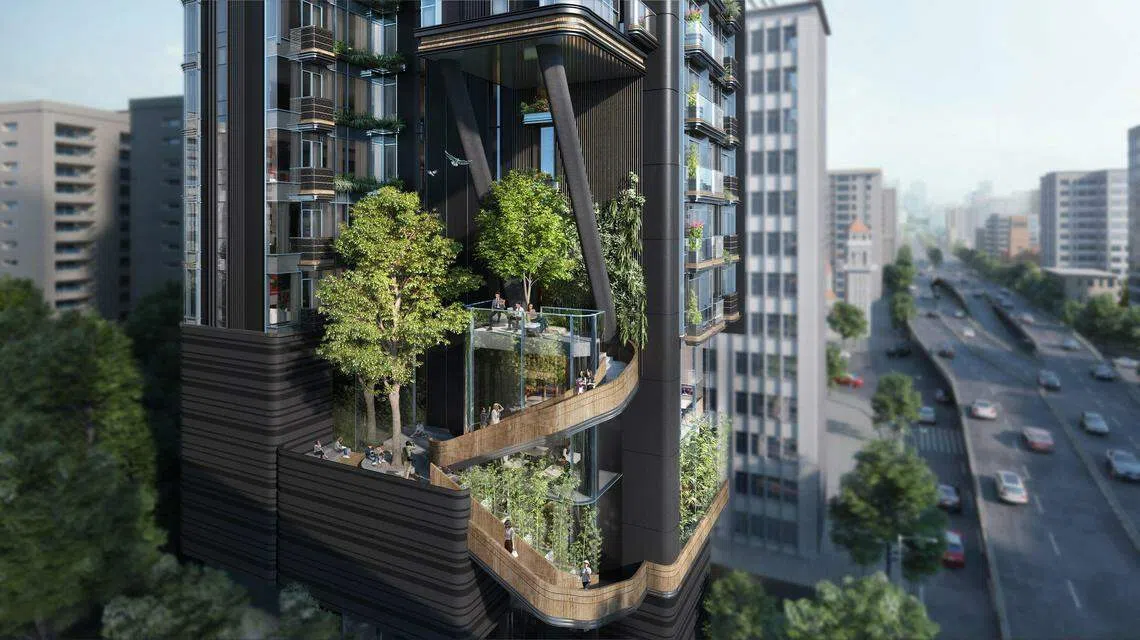
Another continuing trend is biophilic design. Studies have shown that contact with nature enhances human well-being, while promoting biodiversity in urban areas can have far-reaching effects from improving air quality, protecting natural ecosystems, and stabilising temperatures.
One of the firm’s projects, Courtyard Residence, is designed to connect every resident with nature by “greening every view, every level, and every doorstep”. With 51 per cent green coverage, the development boasts private green balconies, green terraces, courtyards, and a sky garden stocked with different indigenous plant species.
Decoding Asia newsletter: your guide to navigating Asia in a new global order. Sign up here to get Decoding Asia newsletter. Delivered to your inbox. Free.
Copyright SPH Media. All rights reserved.






