

Life in iconic apartments
An upcoming book chronicles the history of well-known buildings through the stories of people who live there

Tay Suan Chiang
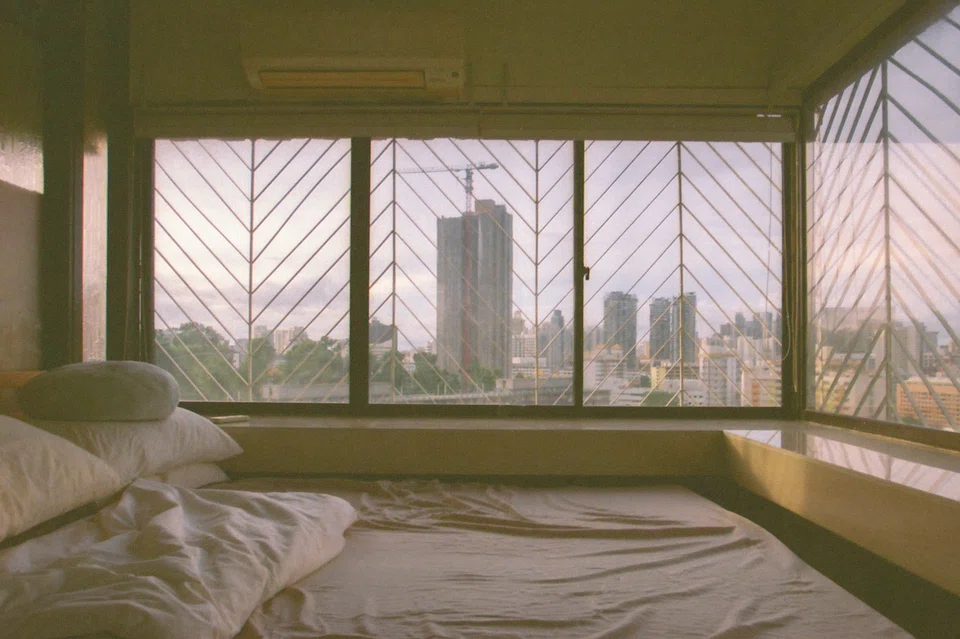
AT the height of the pandemic in 2020, most people stuck at home picked up new hobbies like baking and cooking, or started paying attention to their health with new fitness routines.
For urban planner Samantha Chia and architectural photographer and artist Finbarr Fallon, the days of being confined to their apartments led to conversations about what makes a home and what it means to be at home.
From these conversations came the idea of putting together a book, featuring homes in 10 iconic private residences in Singapore. UNIT. a glimpse into Singapore’s 1970s - ‘80s private apartments will be available at the end of July.
The pair, who have a background in architecture and are interested in documenting Singapore’s built environment, chose to focus on apartments built in the 70s and 80s.
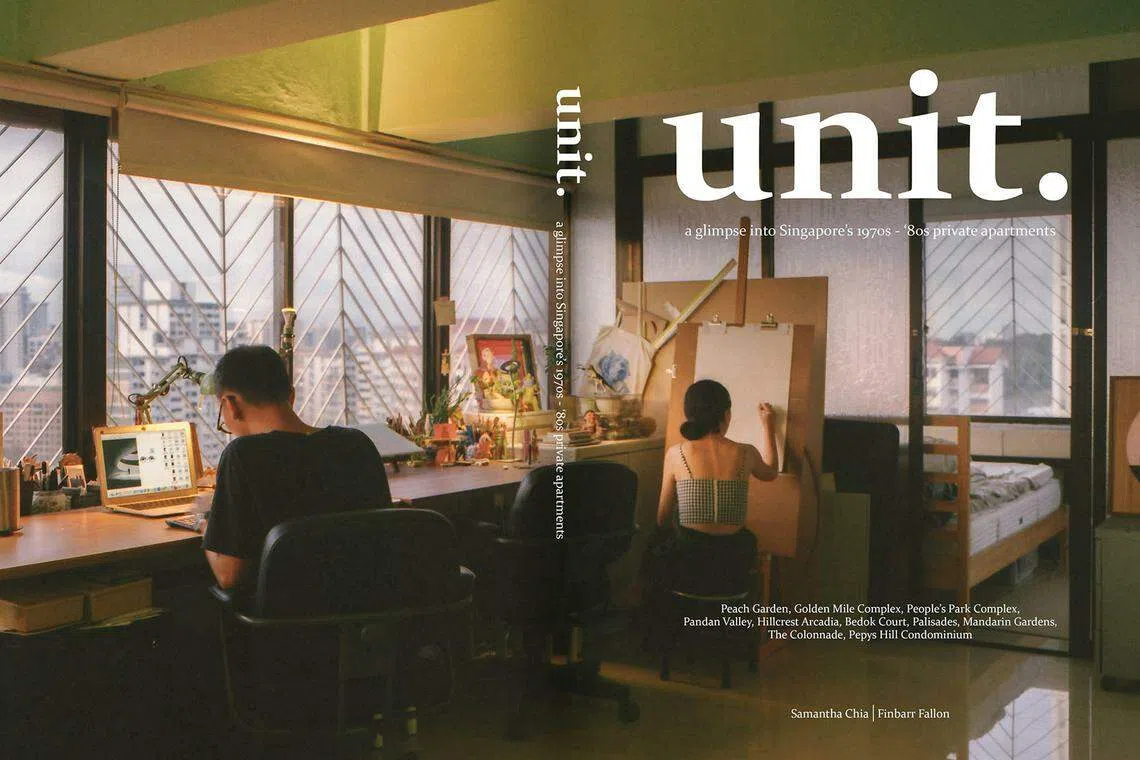
They picked well-known buildings, such as Golden Mile Complex, Pandan Valley, Hillcrest Arcadia and Mandarin Gardens.
“Living in a high-rise (home) was not such a common experience as it is today. Architects back then were trying to define what attractive high-rise living should look like, and to some extent, how they would represent Singapore’s ambitions to be a modern nation,” says Chia.
Many of these buildings have been photographed from the outside, but seldom is there an opportunity to see their interiors.
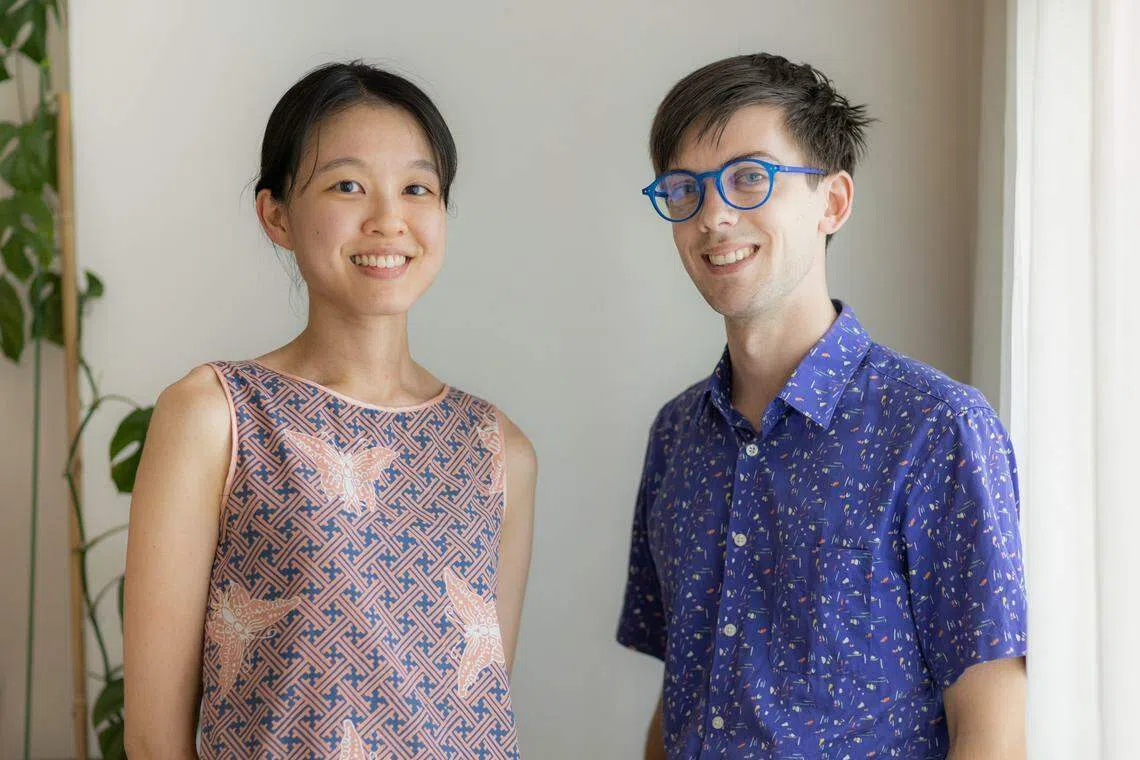
“We thought that understanding these buildings — considered innovative at the time — from the perspective of their residents would give us insight into how they translate to the experience of the home and whether the ideas the architects had in the past still resonate today,” says Fallon.
Finding the residents was a challenge for the pair, who didn’t know anyone living in any of these buildings. Through cold-calling and asking friends for help, they eventually found 10 families who shared their stories.
SEE ALSO
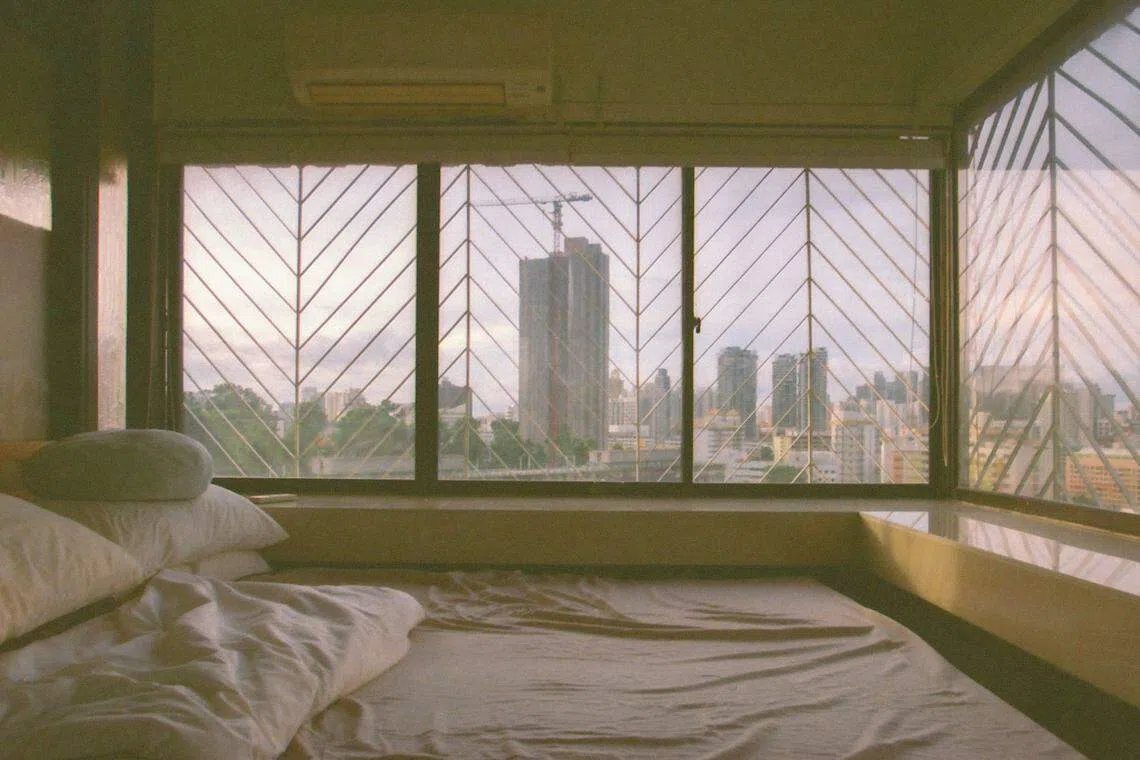
Some residents have been living in their apartments for decades, others moved in recently. “Each of the homes is a personal means of expression, and they give us a perspective on what the home means to them and how they have adapted their respective apartments to suit their lifestyles,” says Chia.
One resident had been living in his apartment for over 40 years, with some furniture dating back to his childhood. While the apartment has largely stayed the same, the view has changed dramatically.
“The resident described his experience living in the apartment as being able to bear witness to Singapore’s development from a familiar viewpoint. To us, that’s a fascinating perspective and a very Singaporean experience,” says Fallon.
Of the 10 buildings, he found The Colonnade in Grange Road most fascinating for its “architecturally interesting form”. “The geometry looks complex, but it’s actually the same ‘module’ repeated and alternated across the floors.”
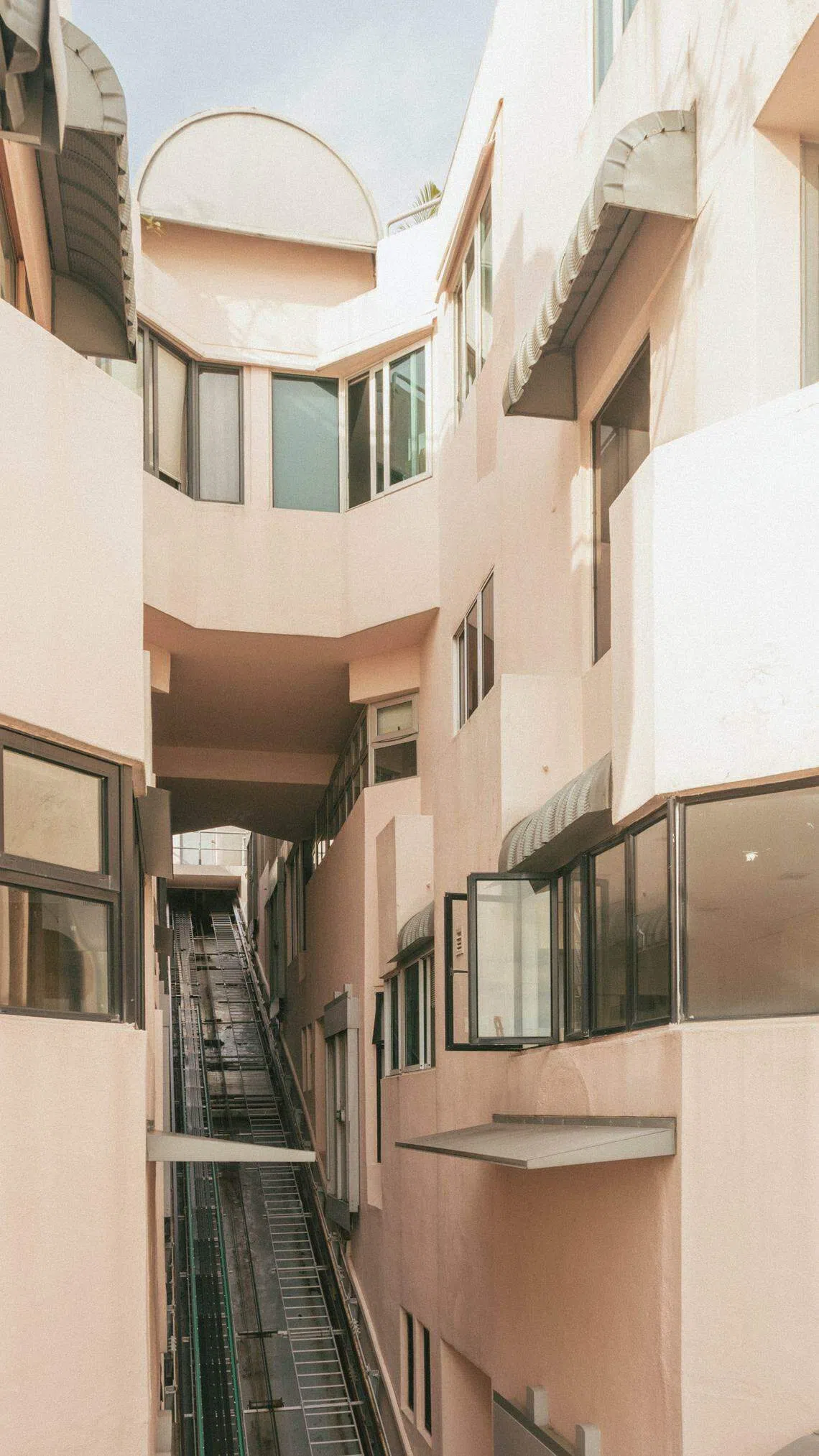
For Chia, it was Palisades condominium at Pasir Panjang that caught her attention. The apartments were designed to terrace down the slope of the hill, so they are not visible from the road.
“It made the experience of visiting the apartment and taking the funicular lift more intriguing. We always do a bit of research beforehand, but sometimes it’s difficult to imagine what experiencing the building and the apartment is like until we actually get there,” she says.
Besides photos of the facade and the insides of the apartments and their interviews with the residents, the book also carries short write-ups about the building design and the urban planning considerations of the architects.
The duo also included the floor plan for each apartment. They say the drawings are important for the reader to understand how the spaces are laid out and to be able to match them with the photographs and the resident’s stories.
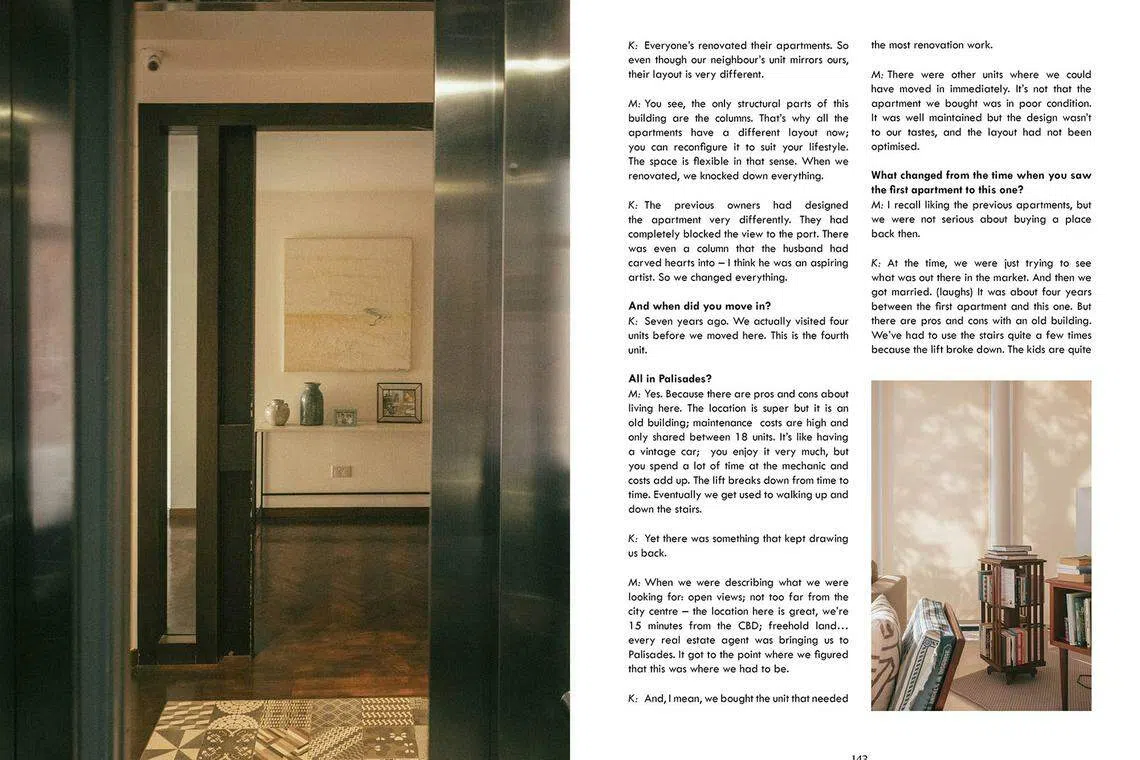
They are confident that architects will appreciate the book, given that they often do not get to see how people use the space once the building is completed. “We want the book to be a point of reflection, to ask whether the spaces in the apartment are being used as they were designed to be, how this may have changed over time, and whether the ideas of high-rise living at the time still hold true today,” says Fallon.
The public would find the book interesting as well. “There’s a part of it that is about raising awareness on the significance of Singapore’s post-independence buildings. A greater part of it is about wanting to give people a sense of how design translates into and shapes their everyday experience,” says Chia.
UNIT. a glimpse into Singapore’s 1970s - ‘80s private apartments, S$40, is available for pre-order at finbarrfallon.com/unit.
Decoding Asia newsletter: your guide to navigating Asia in a new global order. Sign up here to get Decoding Asia newsletter. Delivered to your inbox. Free.
Copyright SPH Media. All rights reserved.
TRENDING NOW

Once staunchly pro-China, Malaysian Chinese businesses are now distancing themselves from Beijing
Stocks to watch: HPL, Aims Apac Reit, Zico, Advanced Systems Automation, ComfortDelGro
‘How many will survive?’: Bubble fears arise as China’s humanoid robotics face reality check
Smaller board lots can’t fix a market run by three banks

