Do Android users dream of Pixelised sheep?
Flash your Google Pixel and join the nerdy cool bunch whose main squeeze is Google Assistant
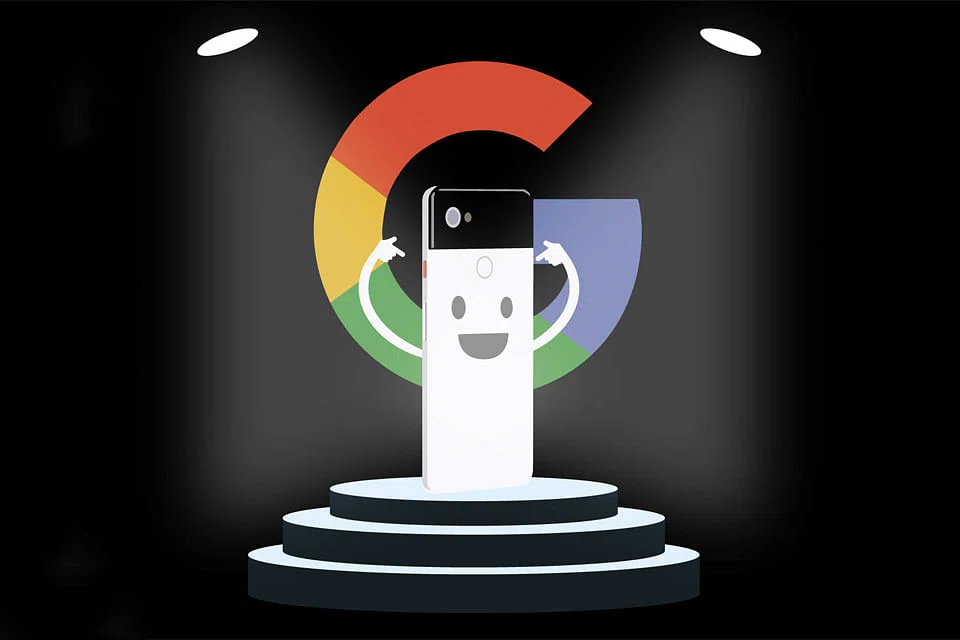
WHAT is a smartphone to you? Ask anyone you know this question, and the array of answers you receive will be more bewildering than the incessant interrogation your relatives make you undergo during Chinese New Year.
Phones have been an extension of one's self as far back as we can remember (or at least 1983, when the Motorola dai gor dais ruled dinner tables with their plastic hulks). Hardware and design have evolved over time, but how we perceive someone through the phone they use has remained relatively constant. In a consumerist society, any object you own is a reflection of status.
Got a Samsung phone? This person must be on the bleeding edge in tech. They don't mind the godawful, oversaturated colours on the screen, perhaps some usability issues with its overwrought software, and have bought one on seeing their friends snapping a galaxy of photos on their S8 or Note 8.
Plonk an iPhone on the dining table, and we are in haute couture territory. Fans of the fruit company like the phone's "it just works" ethos, the simplicity of iOS, its brilliant cameras, or don't actually know phones that well anyway.
Google & Co
And then there's the strange bunch who hold out for Google phones.
Yes, that search giant whose name you blurt to your friend when they don't know how tall the Merlion is - also makes smartphones. This ragtag group basks in the knowledge that despite Google's attractive handsets, they are the frontiersmen and women of the mobile world. They love to tinker with their devices and get all nerdy when you ask them about their phones. But like the first Martian colonists, if they encounter problems with their spacecraft (or handset, in this case) in the barren world of customer service, well, good luck buddy.
To the untrained eye, Google's offerings seem very competitive on paper. The latest internals, great build quality, water resistance rating all look to deliver a rocketing shot across the iPhone X's bow. But the people who buy these handsets know the real secret.
You see, Google's offerings nearly always come with caveats. The first Nexus phones by Google were cheap and had buttery smooth software, but suffered from a myriad problems ranging from terrible cameras to anaemic battery life.
But Google phone owners are a faithful bunch. Which is why I found myself, after a brief fling with a large Korean conglomerate, choosing to rejoin the Mountain View faithful, and using Google's Pixel 2 XL for the past few months reminded me why I came back into the fold despite its having a fault which belies its price tag of S$1,200 off-contract. You'd think that with a price tag this high and competition this intense, Google would at least have gotten the one biggest thing on the phone right. You wait long long.
The screen, arguably the most important part of a phone, is the Pixel 2 XL's most glaring problem. Tilt it slightly off-axis, and it tints an annoying light shade of blue, as if it had its own Instagram filter. It makes for strange colour shifts while watching videos.
Together with other Pixel owners, we are one picky bunch. We find flaws everywhere in the phone not out of spite, but for a (somewhat irrational) love of Google's hardware, perhaps. But for all the nitpickiness with other pieces of tech I've owned, I discovered the flaws above have yet to bother me, and I don't think they ever will: because this is probably the best phone I have ever owned.
The other phones I've used, they make you work for them. You had to learn their foibles, quirks, eccentricities, and incorporate them into your day-to-day use.
But with not much effort, the Pixel 2 XL has managed to stealthily weave itself into the fabric of my daily routine, a hallmark of superior technology. It doesn't follow Samsung's bombardment of everything-and-the-kitchen-sink approach, but is instead thoughtfully designed and is quietly helpful. A quick squeeze of the phone's sides activates Google Assistant. Far from being a gimmick, it's totally changed the way I interact with the device, and with Google Assistant being the smartest and most tightly integrated of the current crop of smart helpers, it has effortlessly helped me programme things into my calendar, or send WhatsApp messages - all with just my voice.
Put the phone anywhere - even in your pocket, and it listens for music playing around you and displays the song title and artist discreetly on the screen, which you can double tap with your finger to wake. It rarely misses a beat even in a loud environment, and it has put my Spotify subscription to full use. Speaking of music, the phone's pair of front-firing speakers make watching YouTube a joy. They can go pretty loud, if a tad tinny, but they deliver the goods.
Vah-vah-vroom
And that camera. Where do I even begin? Shooting outdoors with this camera on automatic mode almost makes me feel guilty for every other phone user. Quickly double press the power button to launch the camera, and photos taken in bright lighting are well lit, with good contrast and absolutely jam-packed full of detail. Low light is where the camera really shines, with its optically stabilised lens minimising shake and maximising exposure, leading to some incredibly brightly lit but still well-balanced photos.
The photos the phone churns out are probably the best reason to buy this phone. The Pixel 2 XL has the uncanny ability to take great shots in any condition, bright or dark. I have yet to see another handset - even Apple's iPhone X - do the same, but please do write to me if you have alternative views. Part of the reason for this photographic wizardry is Google's infusion of some of its artificial intelligence (AI) smarts into the camera software, which helps to do in a single lens setup what most phones nowadays do with two. It's no exaggeration that for daily use, at least, it's conquered my dedicated compact camera.
An age-old question rears its head: in an era of smartphones packing more power than some computers just five years ago, what is considered "best"? Manufacturing advancements and relentless development in mobile chipsets have levelled the playing field in terms of raw performance, so it's really what effortlessly becomes an extension of you that you will find most useful. Technology should not be superfluous, but super helpful. The answer to the question at the beginning, as you might have guessed, isn't a simple one. But with that said, I'll take this diamond in the rough any day.
Share with us your feedback on BT's products and services