

Doctor In The House
In Netflix's hit medical show Diagnosis, the real Dr House investigates mysterious illnesses with the help of Internet crowdsourcing.

Helmi Yusof
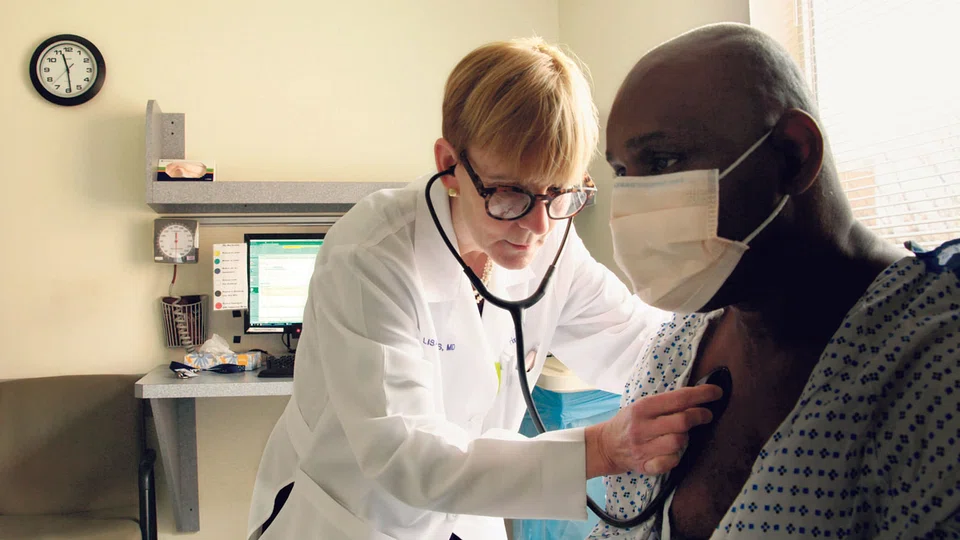
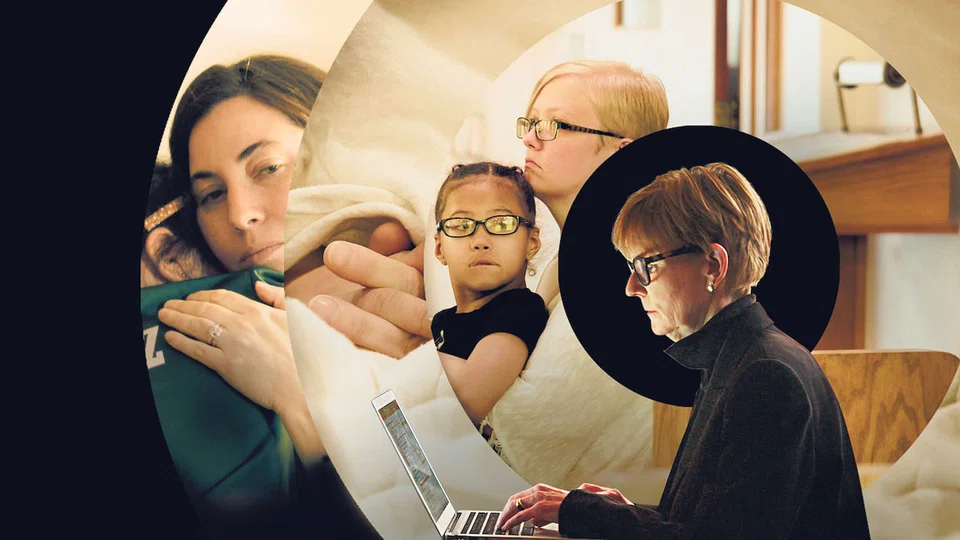
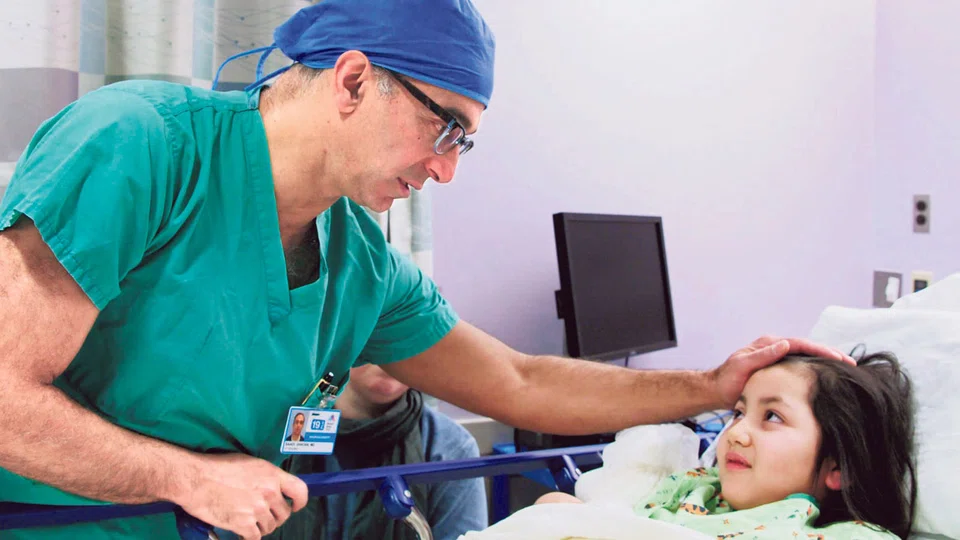
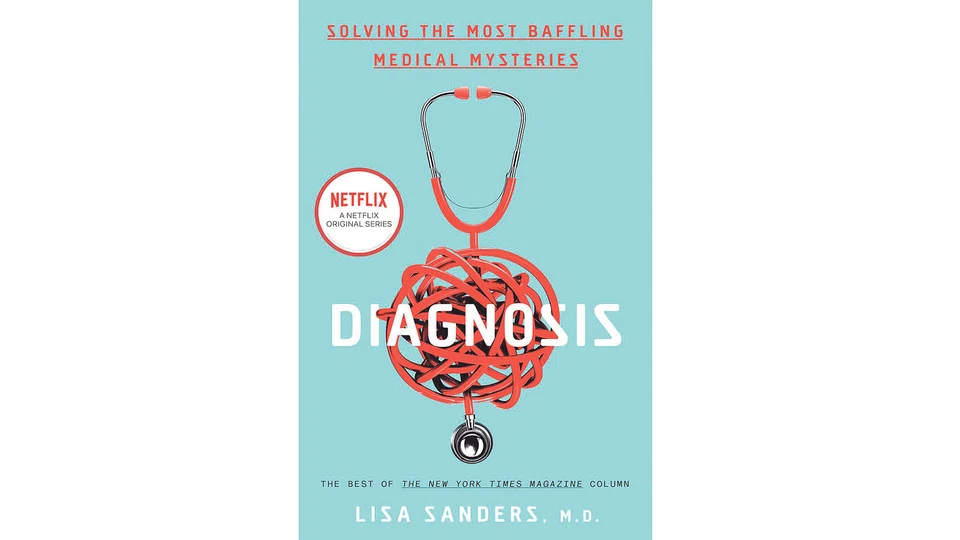
FOR THE MILLIONS of viewers who miss the caustic wit and quirky charms of Dr House (played by Hugh Laurie) in the long-running drama House, here's the next best thing - a new medical documentary series starring the real-life doctor who inspired Laurie's character.
Her name is Lisa Sanders, a 63-year-old American doctor who's written the column Diagnosis for The New York Times Magazine since 2002. Like Dr House, Dr Sanders is interested in getting to the bottom of medical enigmas, the strange recurring afflictions that don't fit the diagnosis of ordinary diseases. But unlike Dr House, Dr Sanders is much more gentle, affirming and sympathetic towards her patients.
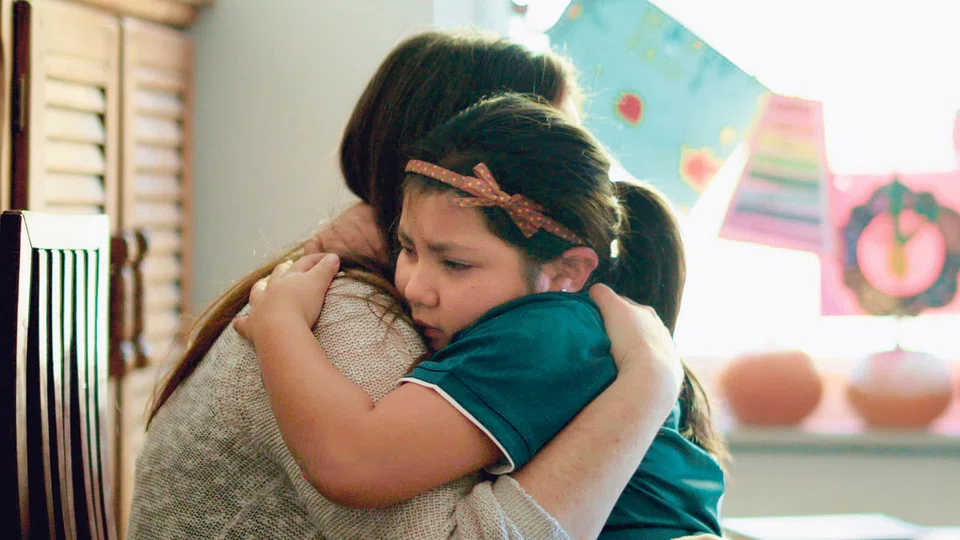
In most cases, the latter have exhausted all the resources within their reach, from family doctors to local university hospitals. Many have intense pain that makes them weep like little children, as well as temporary paralysis, seizures and fainting spells that make ordinary activities like cooking and driving dangerous.
Dr Sanders takes these cases and writes about them in the magazine, calling out to any medical practitioner, patient or pundit who may be familiar with these symptoms and have a name for it. Typically, her stories elicit hundreds of online responses from people who know people with these symptoms or have these symptoms themselves. And what follows afterwards is a promise of a solution, giving the patient new hope where there wasn't any before.
For anyone who's cynical about the Internet because of the vitriol and disinformation that often get spread, Diagnosis is the show to watch to restore your faith in the wisdom and kindness of the digital world.
WHERE IT HURTS

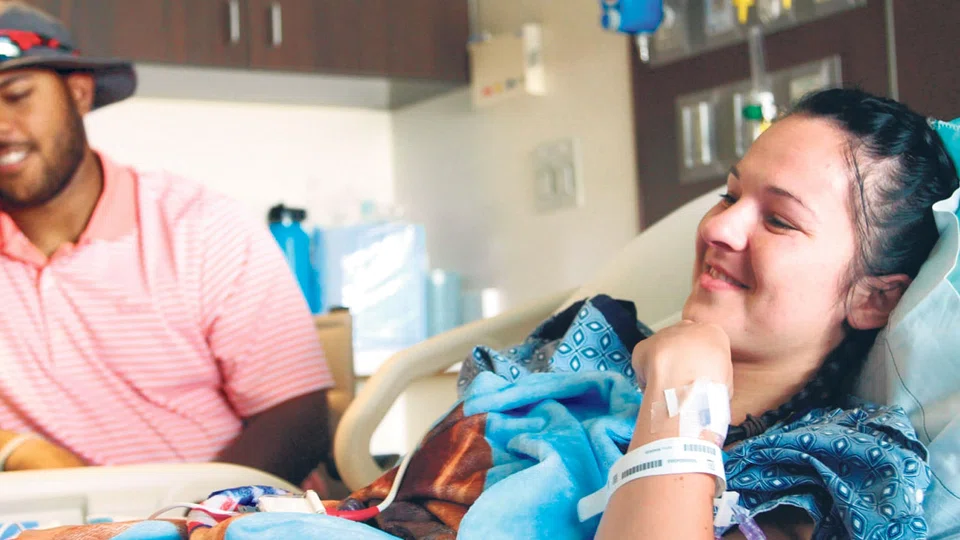
In the first episode, a young woman by the name of Angel living in Las Vegas suffers from strange bouts of muscle pain and paralysis. Once a teenage athlete, she had to stop all sporting activities at 14 when she began to experience excruciating aches.
For nine years, not a single doctor was able to diagnose the problem. Tests for rheumatoid arthritis, lupus, multiple sclerosis and autoimmune diseases all turned out negative, prompting specialists to throw up their hands and say: ''We don't know.'' At the time of filming, Angel already owed several doctors and hospitals thousands of dollars.
Dr Sanders read Angel's gofundme.com page seeking financial help from strangers, and decided to ''put her story to the crowd and see what they come up with''. After the story was published, they received over 1,600 responses from people around the world, with suggested diagnoses such McArdle's, Lyme and Pompe disease. Dr Sanders helped Angel eliminate the less likely ones and focus on the possibility of metabolic myopathies, ailments that stop food from being metabolised sufficiently for the muscles.
Two weeks later, a representative from a medical institution in Turin, Italy, reached out to say that she had seen a young woman with similar symptoms. She invited Angel to go to Italy to have her blood tested for pathologies at no cost to her. After ruling out 100 possible diseases, the specialists found she tested positive for Carnitine Palmitoyltransferase 2 disease - a rare disorder which can be managed through a diet high in sugar and low in fatty acids. The miraculous diagnosis meant that Angel can now live a normal life and pursue her ambition of becoming a nurse and a mother.
If the first episode sounded a little pat, well, it is. But subsequent episodes ratchet up the unease and tension in unexpected ways.
NO EASY SOLUTION
In one episode, a 7-year-old girl barely escapes a devastating hemispherectomy for her frequent seizures. In another, a teenage girl is unable to hold down anything she eats or drinks after she is bitten by a raccoon in a forest. In yet another, a 46-year-old man experiences memory loss and mood swings, but can't get a diagnosis for Alzheimer's or dementia so he can be treated.
None of these patients try to ''put on a show'' for the viewing audience. Often in the telling of their struggles, their tears naturally fall - and you'd be a hard-hearted person if yours didn't fall too. Thankfully, Dr Sanders is a natural people person, and humble to boot. She recognises the limitations of her own (albeit vast) medical knowledge, and thinks that the best way to redress her ignorance is by turning every medical mystery into a minor cause celebre that attracts over 1,000 opinions. She herself goes through each and every one of them to find a common pattern among the more educated guesses to help her make better deductions.
As a doctor, she is also more savvy at navigating the medical red tape than these patients. For instance, in Episode 4, a young girl named Kamiyah who frequently goes limp for no reason is selected for tests by the National Institute of Health (NIH), the US government's research body for rare diseases. But her family heard nothing from the NIH for two years - until Dr Sanders made the formal request for the NIH records.
There is so much to learn about the frailty of the human body on Diagnosis. And unlike House, which generally ends with a neat conclusion, not every episode of Diagnosis has a happy ending. In some cases, even the medical wisdom of crowds fails to offer definite answers, and the patient continues in a state of limbo.
As Kamiyah's mother says through a stream of tears, that when it comes to physical affliction, ''being that rare patient is not what you want to be... because who's going to care about the one person (who has ailments no one else has)?'' Fortunately for us all, there are people like Dr Sanders who do.
Diagnosis is streaming on Netflix.
Copyright SPH Media. All rights reserved.






