

Documenting the year 2020
Museums in US are working overtime to collect artifacts and ephemera from the pandemic and the racial justice movement
 Add BT as a preferred source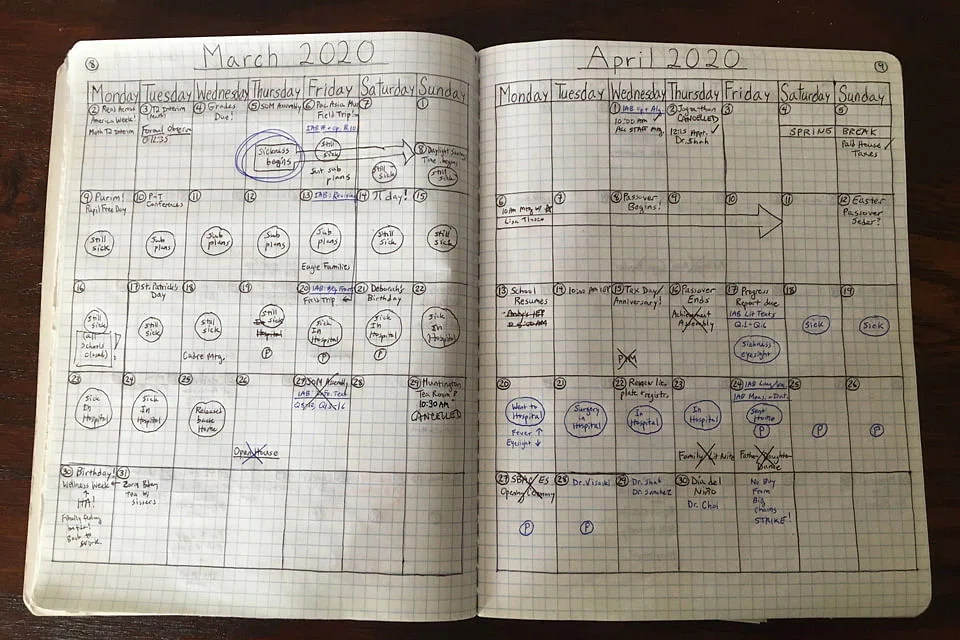
New York
A few weeks ago, a nerdy joke went viral on Twitter: Future historians will be asked which quarter of 2020 they specialise in.
As museum curators and archivists stare down one of the most daunting challenges of their careers - telling the story of the pandemic, followed by severe economic collapse and a nationwide social justice movement - they are imploring people to preserve personal materials for posterity and for possible inclusion in museum archives. It's an all-hands-on-deck effort, they say.
"Our cultural seismology is being revealed", said Anthea Hartig, director of the Smithsonian's National Museum of American History of the events. Of these three earthshaking events, she said, "the confluence is unlike most anything we've seen". Museums, she said, are grappling "with the need to comprehend multiple pandemics at once".
Last August, Erik Blutinger joined the staff of Mount Sinai Queens as an emergency medicine physician. He knew that his first year after residency would be intense, but nothing could have prepared him for the trial by fire that was Covid-19.
Aware that he was at the epicentre not only of a global pandemic, but of history, Dr Blutinger, 34, began to take iPhone videos of the scenes in his hospital, which was one of New York City's hardest hit during the early days of the crisis.
"Everyone is Covid-positive in these hallways," he told the camera in one April 9 recording that has since been posted on the Mount Sinai YouTube channel, showing the emergency room hallways filled with hissing oxygen tanks and the surge tents set up outside the building. "All you hear is oxygen. I'm seeing young patients, old patients, people of all age ranges, who are just incredibly sick", he said, estimating that he has recorded over 50 video diaries in total.
In Louisville, Kentucky, during the protests and unrest that followed the killings of George Floyd and Breonna Taylor, a Louisville resident, filmmaker Milas Norris rushed to the streets to shoot footage using a Sony camera and a drone.
"It was pretty chaotic", said Mr Norris, 24, describing police in riot gear, explosions, and gas and pepper bullets. He said that at first he didn't know what he would do with the footage; he has since edited and posted some of it on his Instagram and Facebook accounts. "I just knew that I had to document and see what exactly was happening on the front lines".
Spirit of preservation to collect the moment
Museums have indicated that these kinds of private recordings have critical value as public historical materials. All of us, curators say, are field collectors now. In the spirit of preservation, Ms Hartig from the National Museum of American History - along with museum collectors across the country - have begun avid campaigns to "collect the moment".
"I do think it's a national reckoning project", she said. "There are a multitude of ways in which we need to document and understand - and make history a service. This is one of our highest callings".
Some museums have assembled rapid response field collecting teams to identify and secure storytelling objects and materials.
Perhaps the most widely publicised task force, assembled by three Smithsonian museums working in a coalition, dispatched curators to Lafayette Square in Washington to identify protest signs for eventual possible collection. The collecting task force went into action after June 1, when US President Donald Trump ordered Lafayette Square cleared of protesters so he could pose for photos in front of St John's Episcopal Church, clutching a Bible. Shield-bearing officers and mounted police assailed peaceful protesters there with smoke canisters, pepper bullets, flash grenades and chemical spray.
The White House subsequently ordered the construction of an 2.5-metre high chain link fence around the perimeter which protesters covered in art and artifacts.
Taking immediate moves to preserve these materials - much of which was made of paper and was vulnerable to the elements - amounted to a curatorial emergency for the Smithsonian's archivists.
Yet with many museums still closed or in the earliest stages of reopening, curatorial teams largely cannot yet bring most objects into their facilities. It is falling to individuals to become their own interim museums and archives.
While some curators are loath to suggest a laundry list of items that we should be saving - they say that they do not want to manipulate the documentation of history but take their cues from the communities they document - many are imploring us to see historical value in the everyday objects of right now.
"Whatever we are taking to be ordinary within this abnormal moment can, in fact, serve as an extraordinary artifact to our children's children", said Tyree Boyd-Pates, an associate curator at the Autry Museum of the American West, which is asking the public to consider submitting materials such as journal entries, selfies and even sign-of-the times social media posts (say, a tweet about someone's quest for toilet paper - screengrab those, he said.) To this end, curators said, don't be so quick to edit and delete your cellphone photos right now.
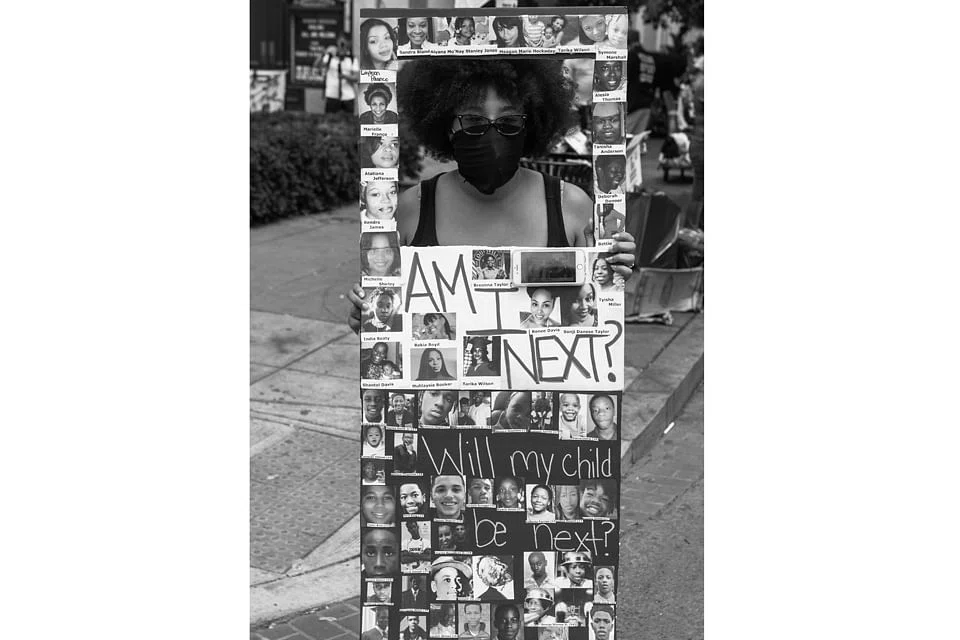
At the National Civil Rights Museum in Memphis, Tennessee, the curatorial team will be evaluating and collecting protest materials such as placards, photos, videos and personalised masks - and the personal stories behind them. Noelle Trent, a director at the museum, said: "We are going to have to figure out how to collect items from the opposing side: We have to have the racist posters, the 'Make America Great' stuff. The danger is that if we don't have somebody preserving it, they will say this situation was not as bad".
The mask - a very powerful visual symbol
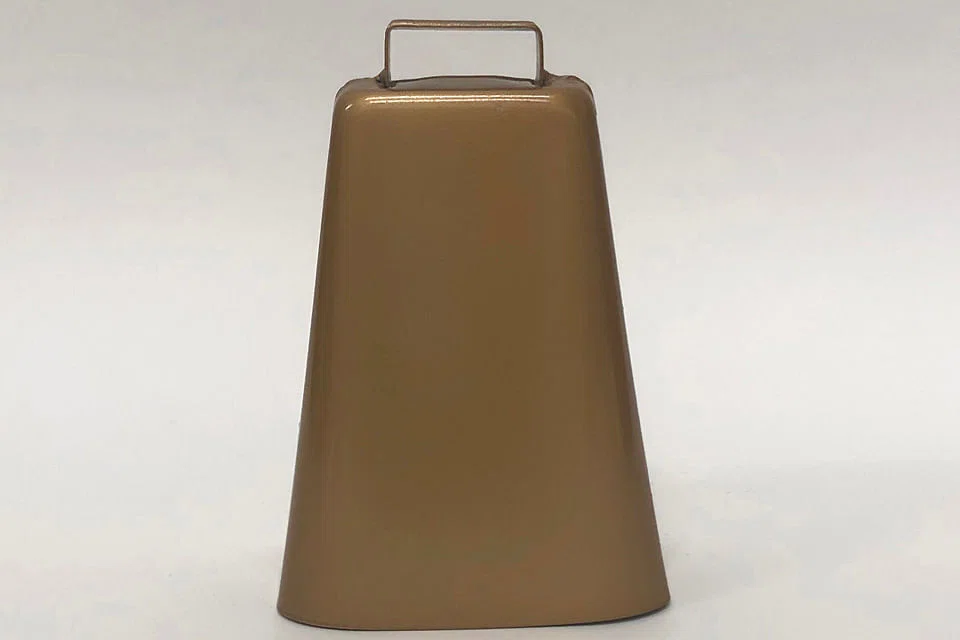
There is perhaps no article more representative of this year than the mask, which has "become a really powerful visual symbol", said Margaret Hofer, vice-president and museum director of the New-York Historical Society, which has identified around 25 masks that the museum will collect, including an N95 mask worn by a nurse in the Samaritan's Purse emergency field hospital set up in New York's Central Park in the spring. The museum also collected a set of field hospital scrubs, and a cowbell that the medical team rang whenever they discharged a patient.
"The meaning of masks has shifted over the course of these past several months," Ms Hofer said. "Early on, the ones we were collecting were being sewn by people who were trying to aid medical workers, when there were all those fears about shortage of PPE - last resort masks. They have more recently become a political statement."
Many museums have put out calls for submissions on social media and are directing would-be donors to submission forms to their websites.
The National Museum of African American History and Culture site has a thorough form that covers items' significance, dimensions, condition and materials. The Civil Rights Museum is looking for archival materials, books, photographs, clothing/textiles, audio visual materials, fine art and historic objects" that share civil rights history. The New-York Historical Society is seeking Black Lives Matter protest materials.
"We review material, we talk about it, and we respond to everyone," said William Pretzer, a senior curator of history at the National Museum of African American History and Culture. "We cannot collect everything, but we're not limiting ourselves to anything."
Curators recognise that their story-of-2020 collecting will continue for years; we are in the midst of ongoing events. They are asking us to continue to document the subsequent chapters - and to be as posterity-minded as one can be when it comes to ephemera. "We don't know what the puzzle looks like yet," said Ms Hartig of the National Museum of American History. "Yet we know that each of these pieces might be an important one." NYTIMES
Decoding Asia newsletter: your guide to navigating Asia in a new global order. Sign up here to get Decoding Asia newsletter. Delivered to your inbox. Free.
Share with us your feedback on BT's products and services
TRENDING NOW

ComfortDelGro’s Zig to buy S$10 million worth of BYD cars for private-hire fleet
Singapore telco price war squeezes earnings, strengthens case for StarHub-M1 deal, say analysts
Sats slides 13.6% as investors dump shares on profit-margin squeeze
When every phone becomes a satellite phone, what happens to Asia’s telcos?

