‘Don’t lose sight of the Singaporean way, stay open-minded’, say SMEs that have ventured abroad
Business owners share how they bring a uniquely Singaporean touch to international markets

IT’S National Day, the day we celebrate all things good about our “Little Red Dot”, and pat ourselves on the back for how far we’ve come.
Among other things, it sure is nice to know the Singapore passport is the most powerful in the world, and that many local brands are flying our flag high overseas.
But apart from household names we’re familiar with, many smaller businesses which have taken wing abroad have been quietly making their mark.
For these local companies, overseas expansion has meant taking on Goliaths in the business – and also exuding a measure of confidence in what they can bring to markets outside our safe and predictable borders.
The leaders of three such Singapore companies who took their businesses – in cancer testing, property development and fashion – abroad, tell us what they faced, the difference they brought with them and how they see Singapore’s place in the international arena.
Tan Min-Han, founder and chief executive officer, Lucence
Breaking into the US healthcare market is a big deal, and Lucence has done just that. Last year, the startup became the first Asian-headquartered company to have its cancer test approved by Medicare, the US government-funded healthcare insurance programme. Dr Tan said: “Singapore has invested over S$20 billion to grow its biomedical sector, and I’m glad we’re the first local company to reach the key milestone of being recognised by US Medicare.”
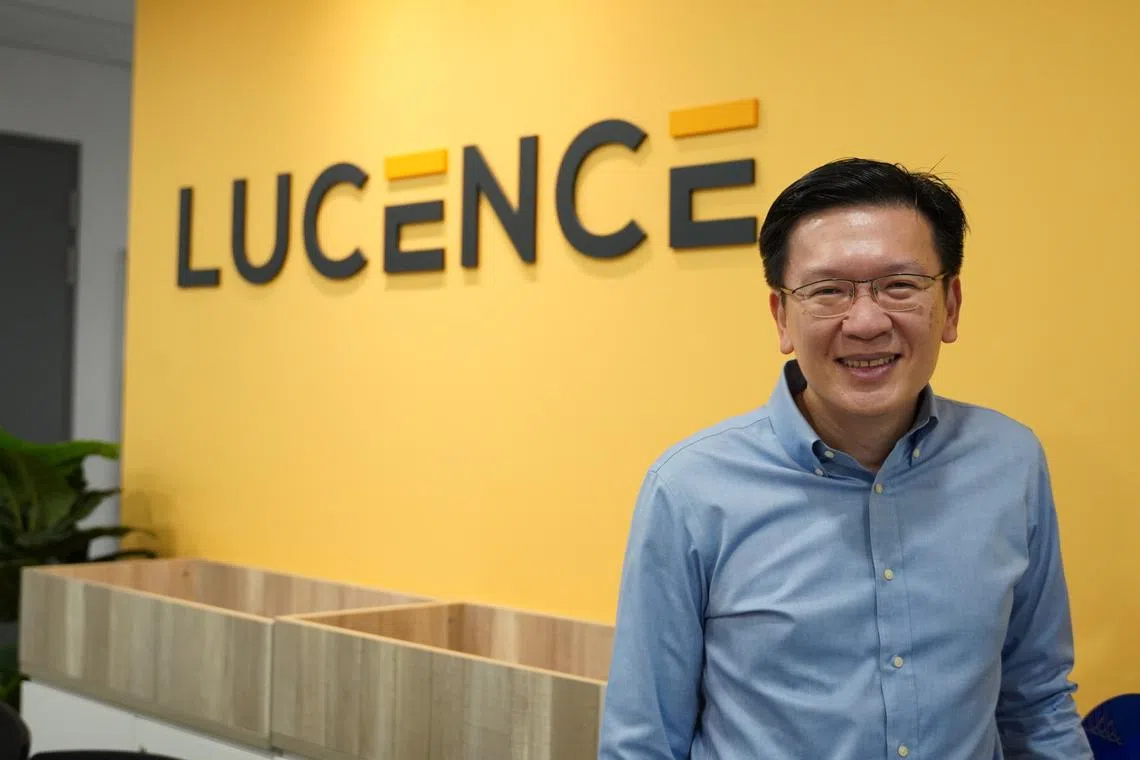
The oncologist founded the biotech company in 2016. It is a spinoff from the Agency for Science, Technology and Research (A*Star), where he had led a research team since 2011.
Lucence’s LiquidHallmark profiles 80 genes and 15 types of cancers through a blood test, making it a faster and less-costly option to quickly match late-stage cancer patients with appropriate drugs. Where taking a tissue sample is more invasive and would set patients back by over S$10,000 and take around four to five weeks to get the result, LiquidHallmark tests cost between S$2,000 and over S$5,000 and take just a week or two.
Lucence’s success was built on the experience it gained from deploying its technology in Singapore and Hong Kong. The tests are also available in Taiwan and Canada, with the company’s Singapore lab processing the blood samples. The company opened a second lab in Palo Alto, California, in 2020.

Lucence now has 73 staff, up from just five in 2017. Last year, it doubled its year-on-year revenue to over US$6 million. It has also introduced its second flagship product, an early-detection test called LucenceInsight, which can screen for 50 types of cancers with a single blood test.
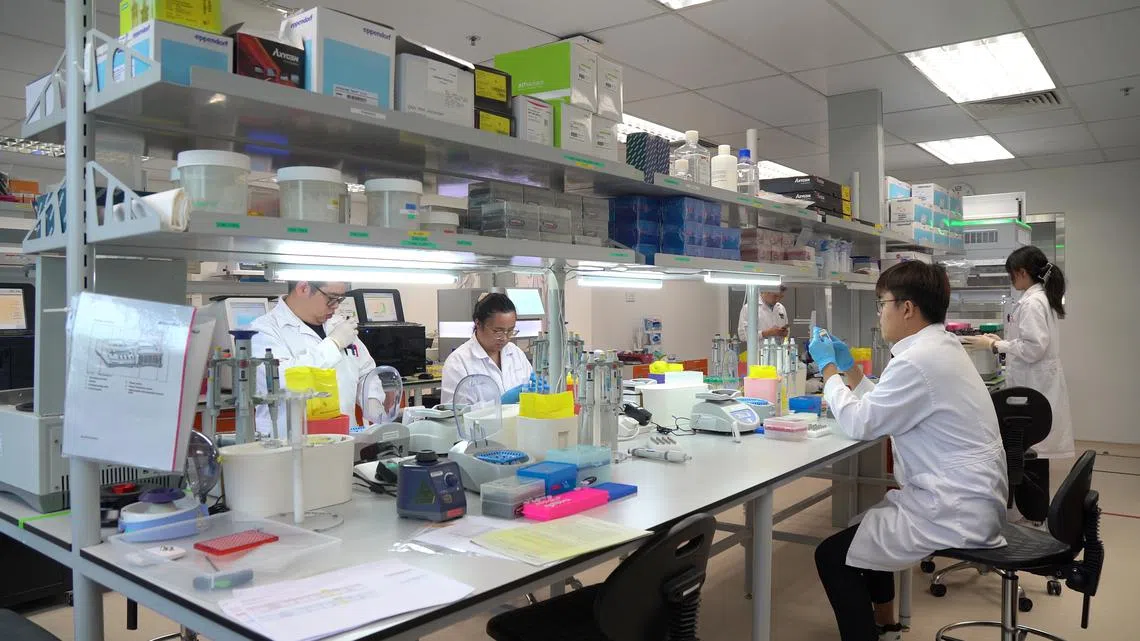
With the US being a leading player in the US$75 billion global precision-medicine market, Dr Tan has set his sights on building partnerships in order to expand commercially in the vast country.
The ability to invent and deliver world-class cancer-detection blood tests already presents a challenge. Even with a product in hand, companies face fierce competition in the market for liquid-biopsy products: More than 200 companies are in the space.
Dr Tan said: “Singapore’s famed efficiency certainly needs to be adapted to diverse regulatory systems. For example, deliberate, patient engagement with evidence is needed with public and private healthcare payors such as US insurance networks, which are often more regionally focused, to achieve greater access for cancer patients.”
He notes that the Singaporean DNA of efficiency and meticulousness is “remarkably well-suited” to developing products in medical technology, where high standards are required.
“Singapore now needs to build its own successful companies to deliver great healthcare to Singapore and the world. This means more high-quality job opportunities and growth here.”
For home-grown healthcare companies to succeed, a network of supportive physicians across the public and private sectors, as well as investors, is critical. Dr Tan’s younger brother, Min-Liang, who is co-founder and chief executive of gaming-lifestyle company Razer, is a key investor in Lucence.
“These should be coupled with a relentless product focus on safety, performance and evidence,” Dr Tan added.

With precision medicine identified as one of two key growth areas for Singapore, he said the country should be pioneering and sharing its healthcare knowledge and capabilities internationally, as a leading technology and healthcare hub. This would mean close collaboration among Enterprise Singapore, A*Star, the Ministry of Health and the industry.
The nation must also have the courage to believe in and work towards offering the best healthcare in the world, empowered by technology “first invented and adopted right here”.
On taking leadership overseas, Dr Tan is inspired by the Japanese principle of shu-ha-ri, which describes stages of mastery.
“In the first stage, ‘shu’ refers to the discipline of keeping to rules, or best practices, which Singapore has certainly mastered,” he said. “But we will need to have courage for the next stages, which are ‘ha’, breaking the rules, and ‘ri’, transcending the rules.”
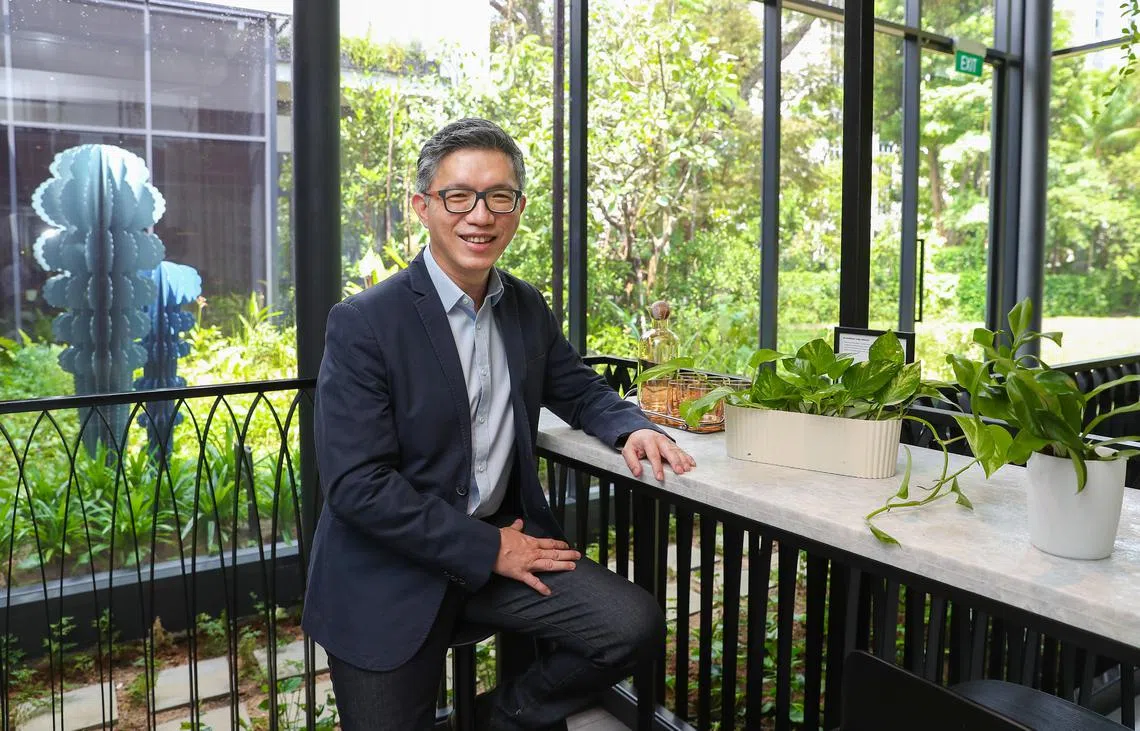
Arthur Aw, executive director, Kimen Group
Many Singaporean real estate companies have gone and developed properties in London, but Kimen Group may well be the only small player to have its hands in every stage of a project.
This is significant because unlike in Singapore, the United Kingdom does not have a centralised development planning process and a clear set of quantitative parameters. Instead, the requirements are more qualitative, with conditions that are harder to pin down, such as that which requires developers of a proposed project to develop it in keeping with its surroundings.
Aw said: “London is made up of 32 boroughs – each with its own local plans, visions for urban living, culture and relatively diverse typologies. It’s not uncommon to find multi-million pound properties and more affordable housing within the same neighbourhood or street.”
Besides it being a challenge for Singaporean developers to understand the market’s intricacies, it is also difficult for them to quantify the investment needed and the returns they can expect.
Adding to the market complexity is planning risk.
This ranges from bat-migration surveys and considering boxes for the movement of insects and animals, to noise and traffic analyses, extensive work to minimise carbon footprints and inconvenience to neighbours, as well as sustainable drainage, privacy and overlooking assessments.
“Land cost in London is lower, but professional fees and construction costs are higher than in Singapore,” noted Aw.
This is why foreign developers there typically prefer to buy over land with planning already approved.
Yet, Aw decided to go the whole hog, from sourcing for the site and assuming planning risk through to project design, construction and completion, in order to retain full creative control.
“Driving the design and planning process ourselves enables us to incorporate Singapore’s unique approach, such as living with nature, and translating it into a new luxury-living concept,” he said.
After speaking to many local stakeholders and walking 300 km of London’s streets to “get a good feel for key neighbourhoods”, he chose a freehold 10,000-square-foot site in the Woodberry Down neighbourhood in the borough of Hackney.
It helped that Aw was familiar with London. It was where he completed his PhD in architecture and urbanism at the renowned Architectural Association School of Architecture.
Partnering him on the project is Malaysia-born British architect Chris Lee of London’s award-winning Serie Architects. The pair first collaborated on Kimen’s Jervois Mansion here in Singapore.
The five-storey Cedaroe Mansion in London will have just nine apartments. They come with creative layouts such as a “plus” space, which can be used as a home office, nursery, bar or gym. The units are also designed to let in light and offer generous views amid a garden-living concept – a nod to Singapore’s “City in Nature” concept.


Aw said: “The Singapore brand already carries with it a certain reputation – one of quality, efficiency, transparency and business value. In the case of urban development, you can see this reflected in how strongly we incorporate greenery in our lifestyle and buildings.”
And it is this Singapore brand that he hopes to promote and integrate with London’s local culture and taste preferences to create unique homes.
While Kimen is just starting to build its reputation as a boutique brand in London, it has already received glowing feedback for its maiden project. A local council officer said that Cedaroe Mansion so strongly embodies Singapore’s renowned “Garden City” concept that he urged Aw to submit it for the borough’s design award.
Aw was also heartened by a potential buyer in London – Paris-born, of Chinese heritage – who was excited by the Singaporean touch in the project for the way it reminded him of the Garden City he loved when he used to work in the Republic.

Even as Aw flies Singapore’s flag in London, his hope is that Singapore businesses – including its vibrant SMEs – will flourish and grow sustainably all over the world.
He said: “Never lose sight of the Singaporean way of doing things – hard work, professionalism, efficiency, core business integrity and quality – but also stay open-minded when working with fellow companies in a new, more-complex and highly dynamic foreign market.
“We have brought a Singaporean work culture when collaborating with our expanding network in London, and that, in itself, has been a key differentiator for us.”
Vivian Low, co-founder and human resources and operations director, The Editor’s Market
Since home-grown women’s apparel brand The Editor’s Market opened its first store in Cineleisure in May 2010, it has expanded to three locations in Singapore; these include an 8,000-square-foot space in Takashimaya Shopping Centre that features homeware and a cafe.
The Editor’s Market also has 14 stores overseas – across Bangkok, Dubai, Abu Dhabi, Jeddah and Manila.
Low said the brand stands out for approaching fashion as a stylistic expression that is trans-boundary – by its application of a “less-is-more” strategy to its product lines and store designs.
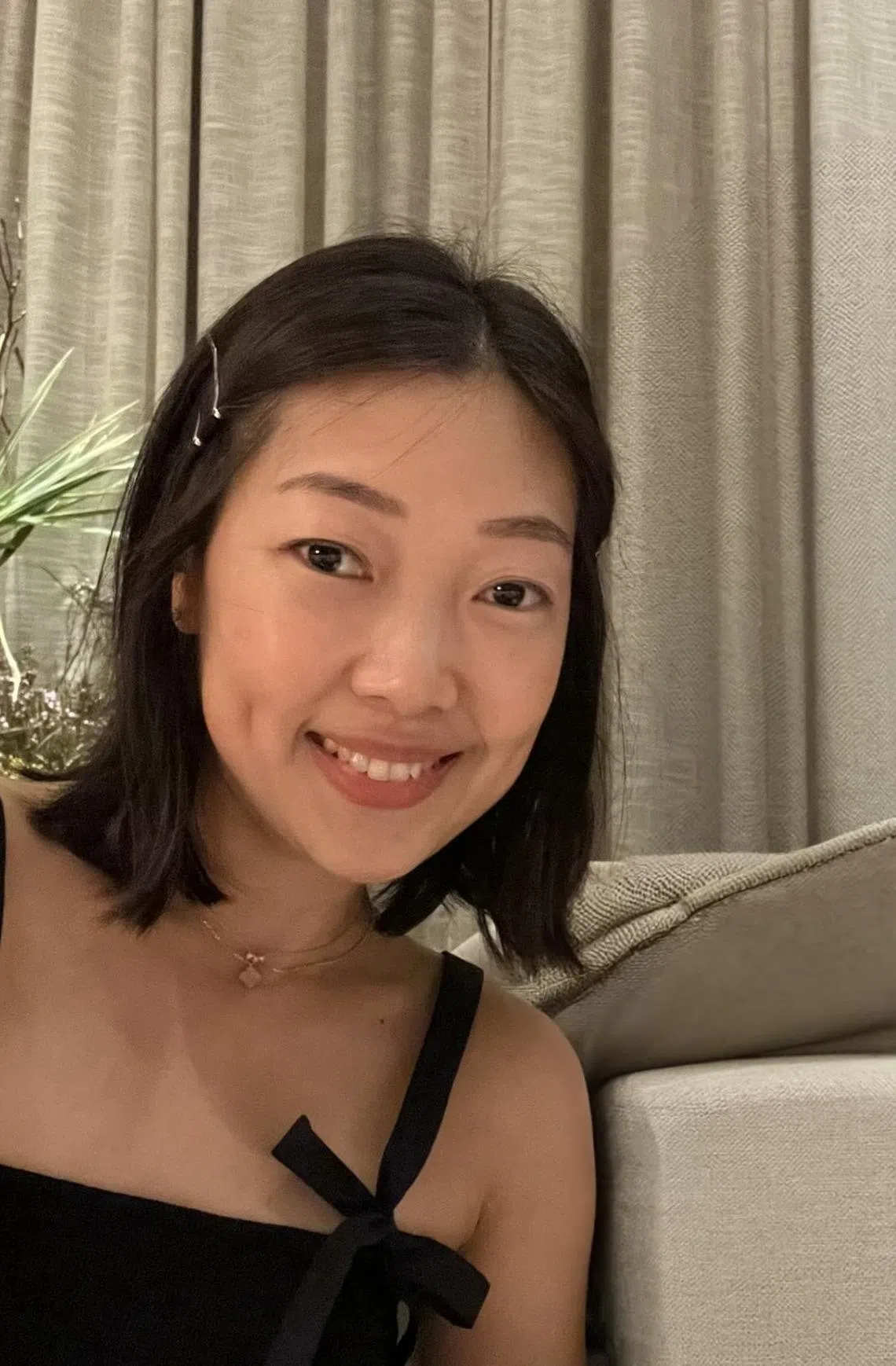
She and her three co-founders – chief executive officer Nigel Kiong, fashion director Pirat Kongkapirat and business development director Spencer Wong – have had to navigate the complexities of doing business in foreign lands.
Low said: “Every market has its unique micro-environment and corresponding issues. Though it’s inherently complex, we tend to apply our local framework as a foundation first, before working through with our local partners on how to customise the retail experience in their markets.”

The co-founders quickly learned that the teething stage is “always challenging” and that they needed to embrace it. She said: “Communications along the lines of culture, language and style are the biggest hurdles, and we’re still learning to optimise our approach.
“Each region has a new lesson for us to learn. So we’re always learning!”
What The Editor’s Market has done, however, is fill the gap for Asian-size fashion in the Philippines and Middle Eastern markets. “Not only do we cater to the Asian frame and sizing, we’re also willing to customise our product mix to meet the needs of each region.” For instance, the brand sells trousers in both regular and longer lengths in Dubai, where women are taller.
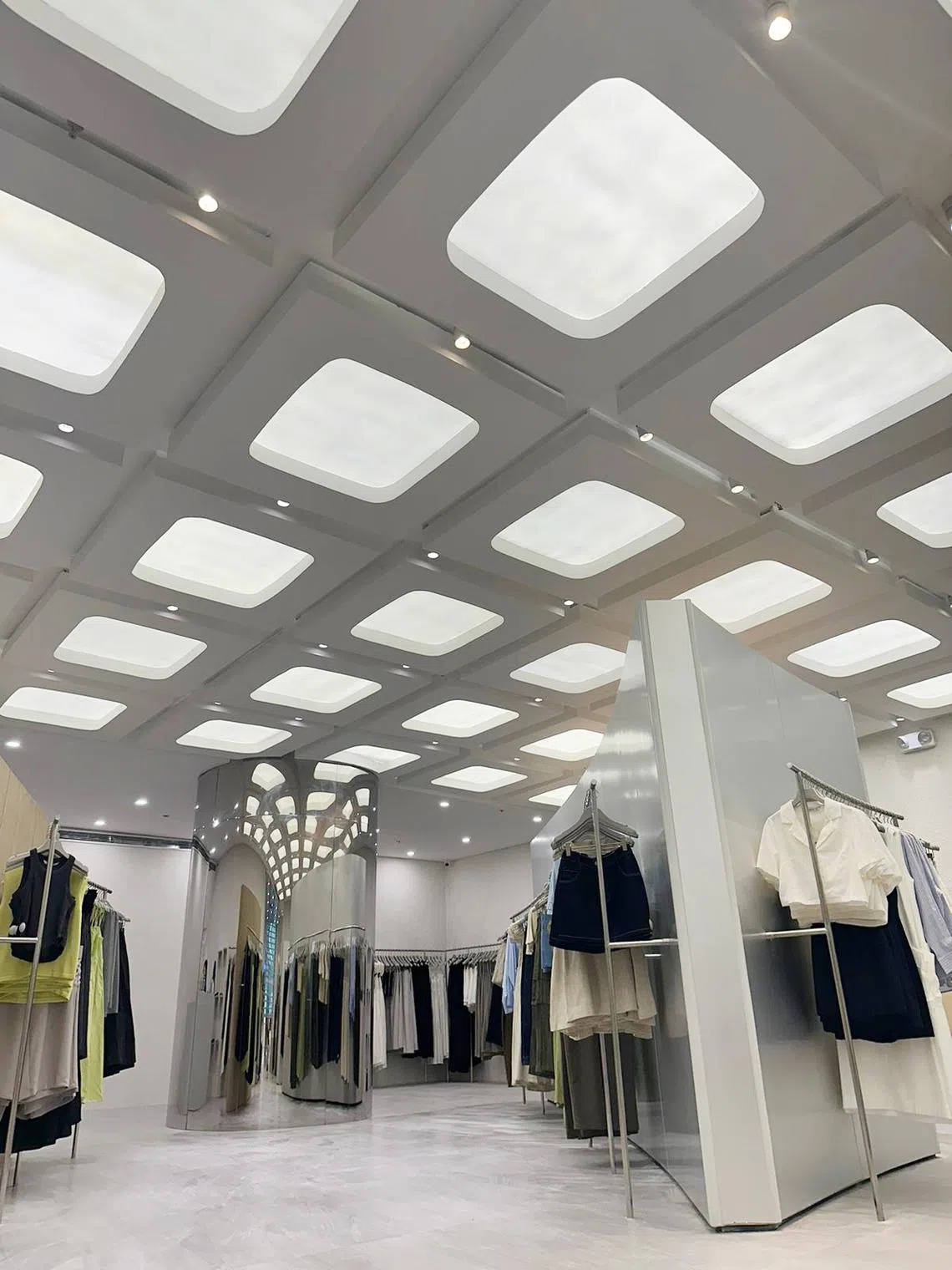
In addition, the company has brought its highly organised business structure – complete with operating manuals and training guides – to these destinations, working hand-in-hand with its local partners.
It helps that there is a premium attached to Singapore brands, noted Low.
“In markets where we operate, Singapore’s ascendancy as a city state is always marvelled at. They see us as a very developed country that’s very well put-together, with products that are well-made.”
Ultimately, what works for The Editor’s Market is the willingness to build relationships with its partners. “That’s the advantage of being small; we are close to and on the ground, with founders meeting founders,” she said.
“I feel happiest when we are able to work through difficult times with our partners, and communication is definitely key.”
Decoding Asia newsletter: your guide to navigating Asia in a new global order. Sign up here to get Decoding Asia newsletter. Delivered to your inbox. Free.
Copyright SPH Media. All rights reserved.