Dr Seuss books are pulled, and a 'cancel culture' controversy erupts
Decision of beloved author's estate raises questions about what should be preserved as part of cultural record.
 Add BT as a preferred source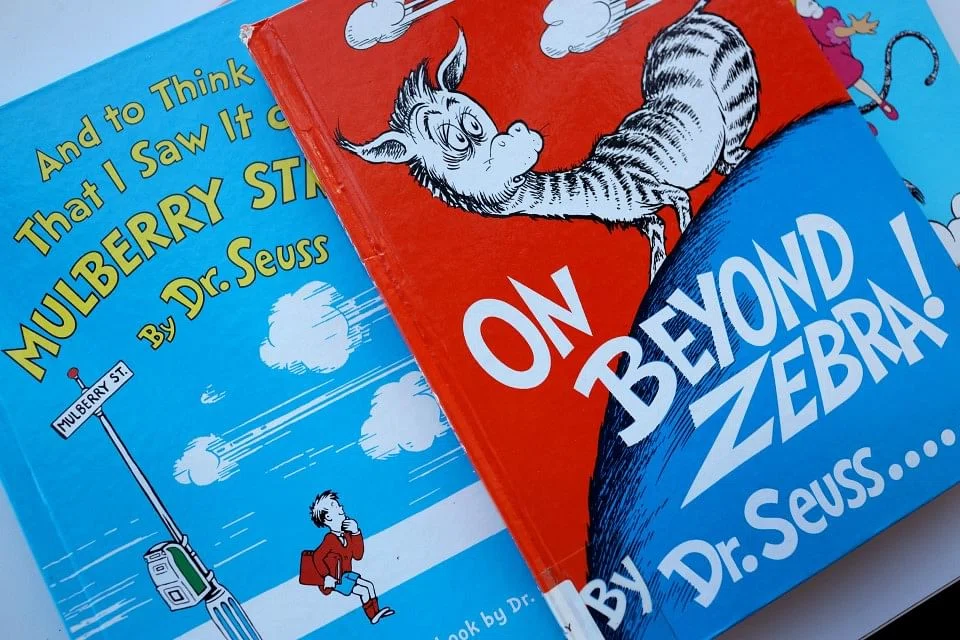
DeeperDive is a beta AI feature. Refer to full articles for the facts.
IN the summer of 1936, Theodor Geisel was on a ship from Europe to New York when he started scribbling silly rhymes on the ship's stationery to entertain himself during a storm: "And this is a story that no one can beat / I saw it all happen on Mulberry Street."
The rhymes morphed into his first children's book, And to Think That I Saw It on Mulberry Street, about a boy who witnesses increasingly outlandish things. First published in 1937, the book started Geisel's career as Dr Seuss. He went on to publish more than 60 books that have sold some 700 million copies globally, making him one of the world's most enduringly popular children's book authors.
But some aspects of Seuss's work have not aged well, including his debut, which features a crude racial stereotype of an Asian man with slanted lines for eyes. Mulberry Street was one of his books that the Seuss estate said it would stop selling this week, after concluding that the egregious racial and ethnic stereotypes in the works "are hurtful and wrong".
Decoding Asia newsletter: your guide to navigating Asia in a new global order. Sign up here to get Decoding Asia newsletter. Delivered to your inbox. Free.
Copyright SPH Media. All rights reserved.