

Dynamic AI pricing could mean fewer cheap airline seats for travellers, analysts say
The technology lets carriers change seat prices more quickly by weighing dozens of variables in real time

[HONG KONG] Globetrotters hunting for airfare bargains are in for a rude awakening: the days of stumbling across a cheap seat on a popular flight could soon disappear.
Airlines have long relied on analysts to devise pricing rules – such as increasing fares by 20 per cent once a flight is a quarter full.
Now, artificial intelligence is enabling carriers to change seat prices more quickly by weighing dozens of variables in real time, helping capture more revenue while shrinking the pricing gaps that once allowed travellers to find bargain fares.
Driven by soaring costs, carriers from Delta Air Lines to Virgin Atlantic are increasingly adopting the technology to squeeze more revenue from every flight.
For travellers, that will likely mean higher fares on busy routes as fewer seats are sold below what airlines believe customers are willing to pay and flights are packed closer to capacity.
The shift marks a new era in airline pricing, replacing rules and spreadsheets with predictive models that continuously adjust fares to demand.
“Consumers should expect that airlines will be smarter about their pricing and will exploit that capability to raise fares where possible and cut prices where they have room to stimulate demand,” said Bryan Terry, an analyst at New York-based Alton Aviation Consultancy.
“Airlines will see those conditions clearer, more in advance, and with more certitude, allowing them to adjust pricing – both upwards and downwards – more dynamically.”
The technology could also work in travellers’ favour on quieter flights.
SEE ALSO
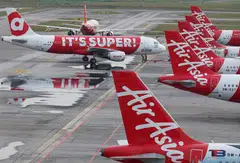


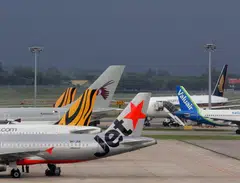

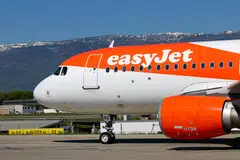
Passengers should expect to pay less on off-peak and lower-demand routes as airlines use AI to stimulate bookings and fill empty seats, Terry said.
The push comes as airlines grapple with rising labour, maintenance and fuel costs, increasing pressure to extract more revenue from every flight.
Established airline software providers including Amadeus and Pros now offer AI-powered pricing tools as airlines modernise their revenue management systems.
While airlines have typically turned to dynamic pricing to adjust fares based on demand, advances in AI are making those systems faster and more sophisticated, according to aviation analyst Guy Leitch.
Machine learning models can more accurately forecast demand by analysing historical booking patterns, seat inventory and seasonal trends, while also continuously tracking competitors’ fares and capacity changes to update prices in near-real time.
Whether that ultimately benefits travellers remains contested.
“Efficient markets are passenger-friendly in that by booking smart or early, passengers can get below-average fares,” Leitch said.
Critics, however, argue airlines operate on thin margins and will use increasingly powerful pricing tools to maximise average fares, aircraft occupancy and overall yields.
Big squeeze
Israeli startup Fetcherr is among the companies helping drive the shift.
Used by nearly a dozen global carriers including Canada’s WestJet and Brazil’s Azul Airlines, its AI platform enables continuously updated fares as market conditions change.
During disruptions triggered by the Middle East conflict, Fetcherr’s software immediately incorporated factors including oil price swings, competitors exiting markets, flight cancellations and changing route demand to reprice flights around the world.
On average, its AI-driven technology raises revenue by filling more seats on a particular flight – rather than by raising ticket prices – the firm said.
“Our models analyse dozens if not hundreds of classes of variables to come up with fares. You can only now do that because of AI,” said Uri Yerushalmi, the company’s co-founder and chief AI officer.
“The platform knows to adjust offerings immediately every time something changes in the market.”
AI is also helping airlines generate more revenue even after tickets are sold. Say a passenger books a popular flight months in advance at a lower fare. Then a week before departure, demand surges.
Atlanta-based operational intelligence company Volantio’s AI platform – which has access to an airline’s bookings – identifies people who may be willing to switch to a less crowded flight in exchange for a voucher.
The vacated seat can then be resold to a last minute business traveller for US$1,000, extracting more revenue.
“The airline gets more money for the seat and the passenger is rewarded for their flexibility,” said Azim Barodawala, co-founder and chief executive officer of Volantio, which counts Japan Airlines among its customers.
Still, the growing use of AI in airline pricing is also fuelling concerns over how the technology could evolve.
Consumer advocates and US lawmakers last year warned airlines could eventually use generative AI for “surveillance pricing” by charging different customers different fares for the same seat based on personal data such as browsing history or income.
Delta declined to comment this week. The airline has said it is not using – and does not plan to use – AI to set fares based on customers’ personal information.
Yerushalmi said Fetcherr’s models rely on aggregated market data rather than individual passenger information. Volantio also said its offers for seat reallocation are not personalised.
For carriers, the appeal is straightforward.
“It’s the ultimate secret sauce from an airline perspective,” said Alton Aviation’s Terry.
“It’s easier to lift revenue in today’s environment than it is to cut costs. And to do that, airlines continue to push the boundaries on where to generate new revenue.” BLOOMBERG
Decoding Asia newsletter: your guide to navigating Asia in a new global order. Sign up here to get Decoding Asia newsletter. Delivered to your inbox. Free.
Share with us your feedback on BT's products and services






