

On the Eastern Steppe
MONGOLIA is a land of extremes – entirely landlocked and with a population smaller than Singapore spread over the 17th-largest land area of any state, it has the lowest population density in the world.
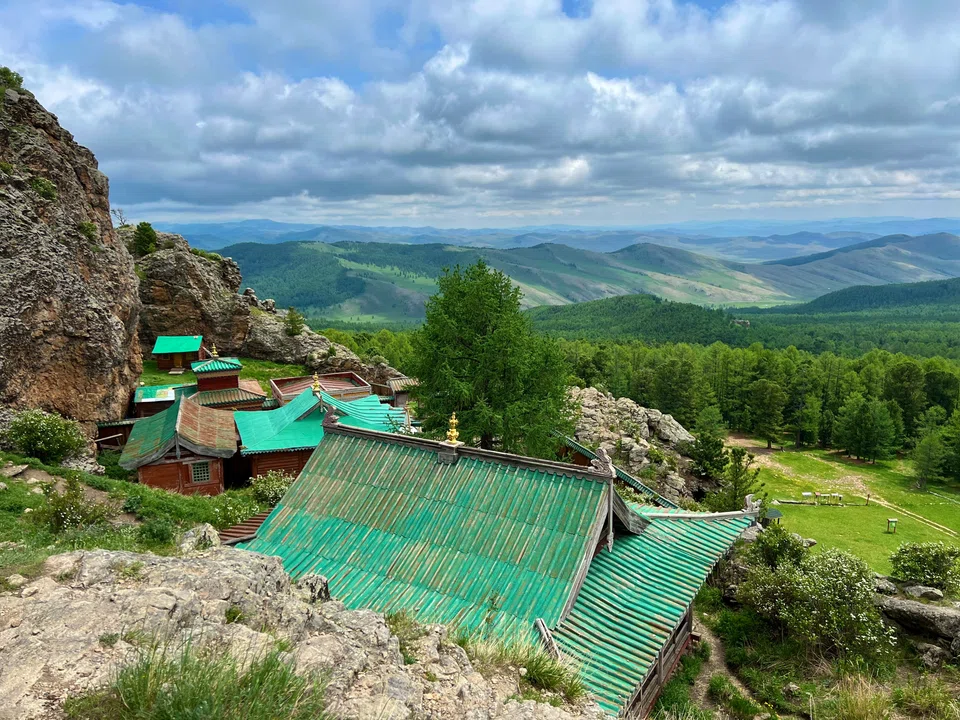
Heavy summer rains and a washed out road greeted us on our first night in Mongolia, as we drove over six hours to the Orkhon Valley. Designated a Unesco World Heritage Site, it marks one of the key historic centres of political power and cultural significance – a spiritual axis mundi – on the Mongolian steppe.
Fed by the Orkhon River and marking the easternmost point of the Khangai mountains, this region was a natural focal point for successive pastoral nomadic empires. From being the centre of Gokturk and Uyghur Khaganate authority in the sixth to ninth centuries, to the site of the historical capital of the Mongol Empire – Karakorum (present-day Kharkhorin) – in the 13th century, the Orkhon Valley’s rolling landscape belies millenia of cultural heritage.
Mongolia’s history – just like the Orkhon Valley – has been shaped by its geography. A plateau landscape and continental climate characterised by harsh winters and a short growing season traditionally precluded the growth of settled agrarian and urbanised societies in favour of a more migratory, nomadic lifestyle.
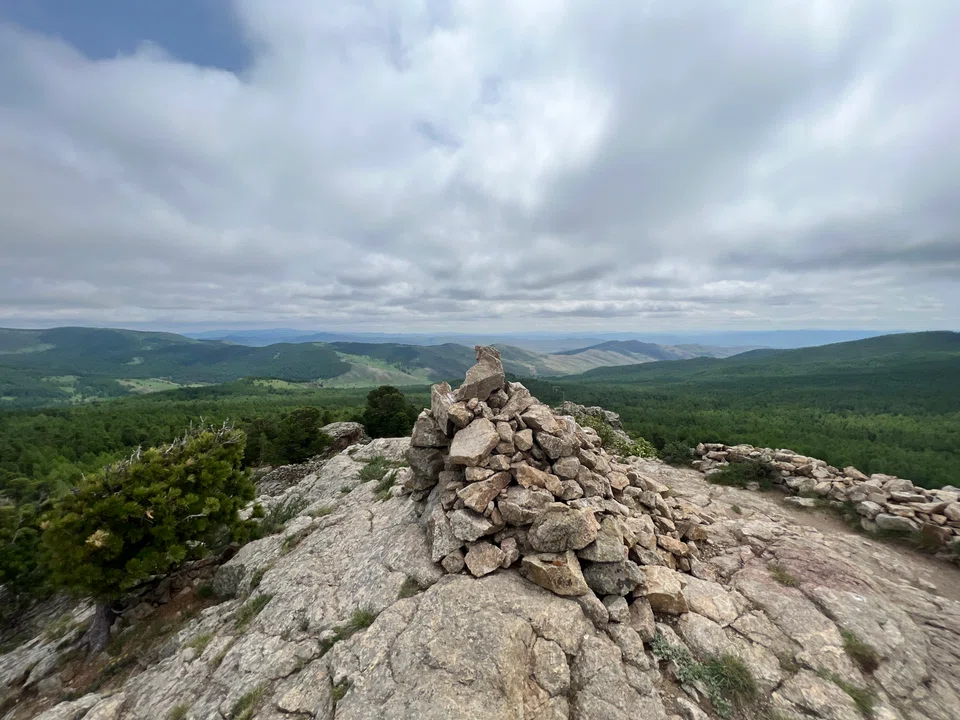
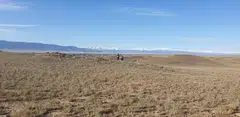
Layers of history have accreted despite the lack of extensive built heritage across its windswept landscape – which can often be deceptively inconspicuous to travellers. Rather than a desolate expanse, glimpses of successive nomadic empires lay awaiting the sharp-eyed traveller as you drive – or perhaps, ride – through the grasslands. For example, the eroded rammed earth walls of the Ordu-Baliq citadel dominates the surrounding landscape in Arkhangai aimag (a provincial administrative unit in Mongolia). Once the sprawling capital of the Uyghur Khaganate, and a precursor to the Pax Mongolica four centuries later, its desolate remnants are now also known as Khar Bhalgas or black ruins, in Mongolian.
The limitations and influences of geography on its long history aside, a trip to Mongolia is as much about understanding its present-day inhabitants as it is about taking in its spectacular panoramas and rich history.
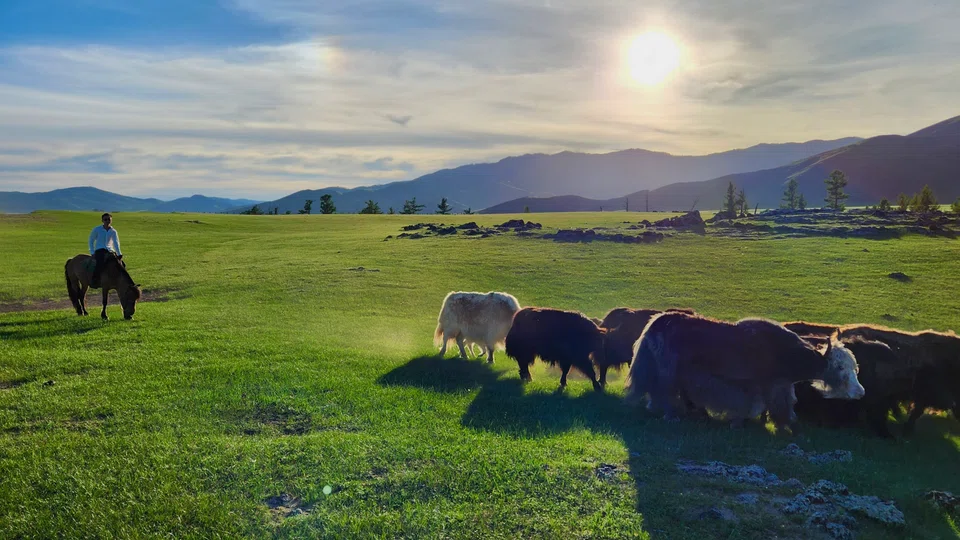
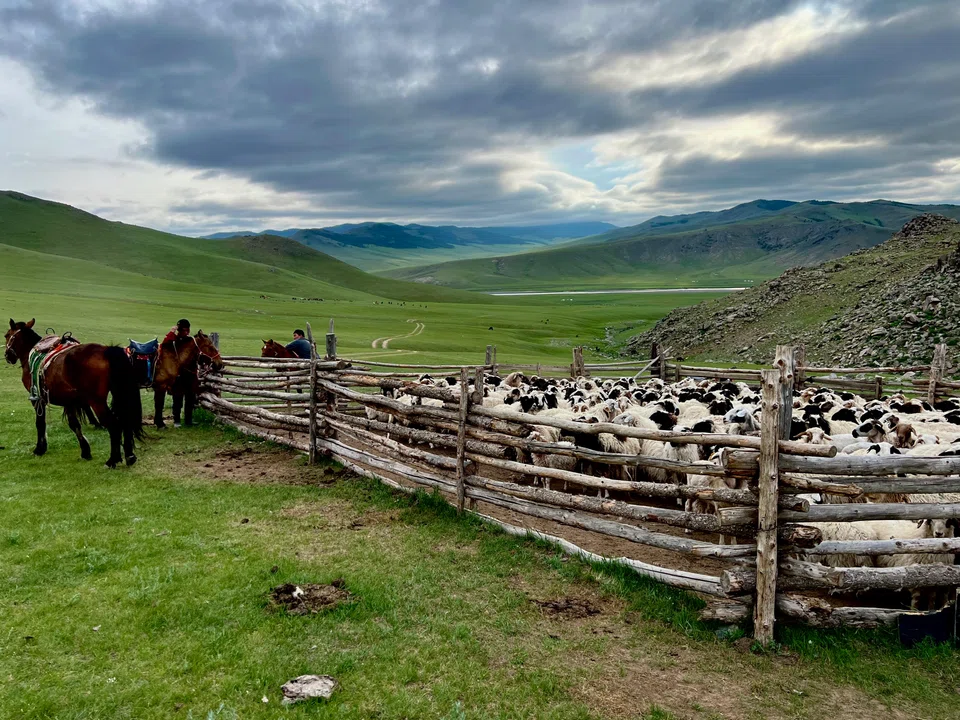
Aside from the various endangered species – such as the wild Bactrian camel – that you may chance upon in the country, the steppe is also home to the ubiquitous, stocky Mongolian horse. With a population size matching that of Mongolia’s human inhabitants, this resilient and wide-ranging species formed the backbone of medieval Turko-Mongol pan-Eurasian conquests, and still largely resides in a semi-feral state across Mongolia’s hills and plains. In the present day, horses continue to serve as a crucial means of transport and sustenance.
The inseparable nature of horses to Mongolia’s cultural identity is exemplified in the national (alcoholic) beverage, Airag, which is made from fermented mare’s milk. Indeed, while travellers to Mongolia today may see more cowherds riding on off-road motorcycles as compared to those on horseback, the experience of riding a horse over the sweeping grasslands remains a deeply evocative, soul-stirring activity.
Travellers to Mongolia may spend the night at one of its many local guesthouses and gers (the ubiquitous felt-lined dwelling of nomadic communities in Central Asia). Beside your affable hosts, visiting in the summer months will mean meeting various Mongolian families who come to spend their holidays with their relatives and friends in the countryside. Through various interactions, you may get a feeling of the Mongolian national character – marked by an openness, laid-back humour yet resilient self-reliance.
For example, while travelling through this sparsely populated country, it is easy for lone travellers to hitch a ride on the way to your destination – a reflection of Mongolian kindness as much as it a recognition of the country’s limited transportation means. Spending the night in the traditional gers also exemplifies the strong spirit of self-reliance on the steppe. With the idea that nothing goes to waste, dried manure is collected and burned in the ger’s central stove, imparting a unique warmth and homeliness to weary travellers during the nighttime chill (even during summer).
When visiting Mongolia, most travellers arrive in July or August, in time for the traditional Naadam festivities. However, June is a nice time to visit as well, with travellers avoiding the large crowds during the peak summer tourist season, while still enjoying long daytime hours of the summer solstice.
With vestiges of its legacy at the crossroads of history, Mongolia is ultimately not so much a destination to visit, as much as it is a rich culture – best experienced and appreciated, up close and in person.
The writer is a Singaporean with a penchant for heading off the beaten track
Decoding Asia newsletter: your guide to navigating Asia in a new global order. Sign up here to get Decoding Asia newsletter. Delivered to your inbox. Free.
Share with us your feedback on BT's products and services
TRENDING NOW

Malaysian king buys stake in Singapore-listed mining firm expanding into rare earths

Family offices ‘kept captive’ by relationship managers turn to independent advisers, direct deals

Once staunchly pro-China, Malaysian Chinese businesses are now distancing themselves from Beijing

Could stablecoins be the future of money?

