

English whisky gets a boost from the UK, and Scots are not amused
A lesser standard could drag down Scotch’s prestige
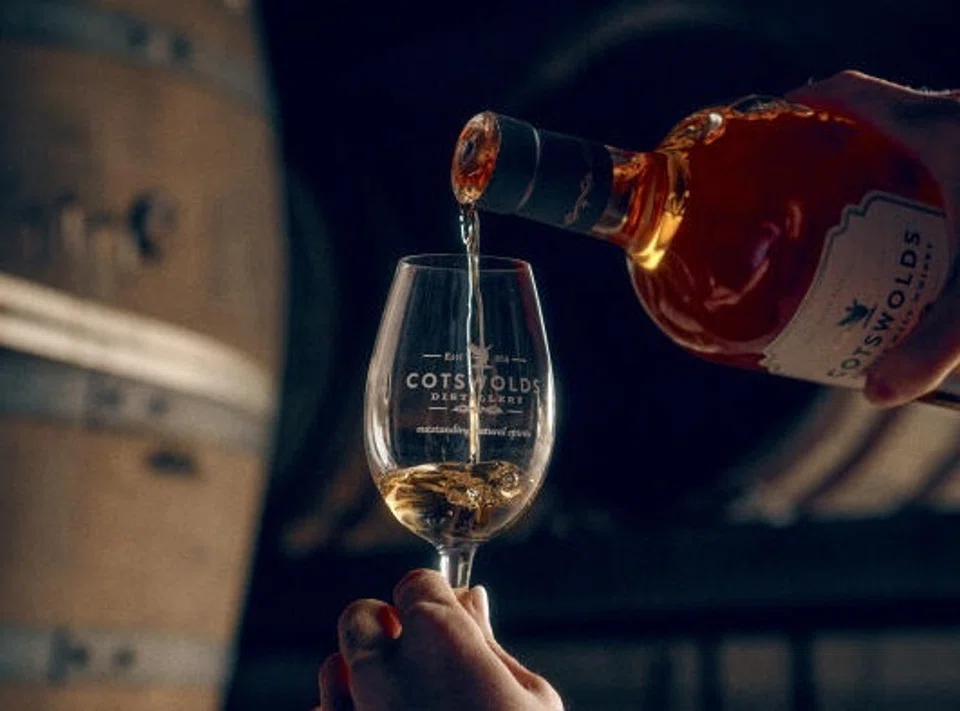
EACH of the United Kingdom’s four nations has its own capital and its own flag. And as of last week, each has its own official whisky.
Whisky has long been the UK’s top food and drink export, raking in £5.5 billion (about US$7.26 billion) in 2025, with the overwhelming majority of it made in Scotland. But over the past 20 years, dozens of distilleries to the south – that is, England – have opened, creating what they say is a new style of whiskey worthy of the same protections conferred on Scotch and its Irish and Welsh cousins.
On Thursday, that new status went into effect: a designation, known as a “protected geographical indication”, by the kingdom’s Department for Environment, Food and Rural Affairs, setting out specifications for how English single malt and grain whisky can be produced. (They spell it “whisky,” as Scotch and Welsh producers do.)
Supporters say the recognition is long overdue for a spirit that has not been well known or defined.
“If Scotch, Welsh and Irish have set out their standards, then that logical step is for the newly categorised English whisky – we’re 20 years into our making – also gets a geographical indication standard and can sit alongside the other three,” said Morag Garden, CEO of the English Whisky Guild, which led the effort to formalise the rules.
Wales received a geographical indication for its whisky in 2023, while Scotland and Ireland, including Northern Ireland, had their existing European Union protections recognised by the UK after Brexit in 2020.
But the new recognition for English whisky has drawn the ire of the Scotch Whisky Association, a trade group whose members produce 97 per cent of all Scotch. The group warns that it sets a lesser standard that could drag down Scotch’s prestige.
“The text as approved undermines the established definition of ‘single malt,’ creates confusion for consumers and jeopardises the category which the Scotch whisky industry established and built the reputation of around the world,” the association said in a statement.
Although England was home to several whisky distilleries in the 1800s, when tax reforms prompted a boom in distilling across the UK, all had closed by the turn of the 20th century.


The nation’s modern whisky movement began in 2003 with Hicks & Healey distillery in Cornwall, which bills itself somewhat cheekily as “England’s Oldest Whiskey Distillery – 22 Years in the Making, Centuries in the Spirit.”
Since then, more than 70 more have cropped up, most of them making whiskey from malted barley and some using other grains, such as rye, wheat and oats.
The new designation outlines how such ingredients may be processed into whiskey. It also imposes a few other rules, including using only grain grown in the UK, and allowing maturation in casks made of non-oak woods, something that is also allowed in Irish whiskey but not Scotch.
Other guidelines more closely follow those in place for Scotch, such as mandating the use of pot stills and requiring at least two distillations for single malt.
But it’s what the rules don’t say that has drawn objections from the Scotch Whisky Association, as well as Scottish members of Parliament.
While single malt Scotch’s predistillation steps of grain cooking and fermentation – essentially, brewing – must take place inside the distillery, the new regulations allow those processes to occur off-site for single malt English whisky.
That difference was a concession to distilleries that work with local brewers, as Hicks & Healey does, or that operate both a brewery and a separate still house, as Spirit of Yorkshire Distillery does.
During a session of the UK Parliament last month, that provision came under fire from Wendy Chamberlain, the member for the North East Fife district in Scotland and leader of a parliamentary coalition that promotes the interests of the Scotch whisky industry.
“The term ‘single malt whisky’ carries a long-established reputation and meaning for consumers,” she said. The new designation for English whisky, she added, “risks disadvantaging Scotch producers, who have invested heavily to comply with the traditional single-site production model”.
The decision, she said, “creates an uneven playing field across the UK.”
English distillers aren’t buying the claim that their whiskies threaten Scotch. “I don’t think it’s relevant,” said David Thompson, co-founder of Spirit of Yorkshire, noting that the assumption that most consumers know the definition of single malt whisky is flawed. “There’s a lot of misunderstanding on that terminology.”
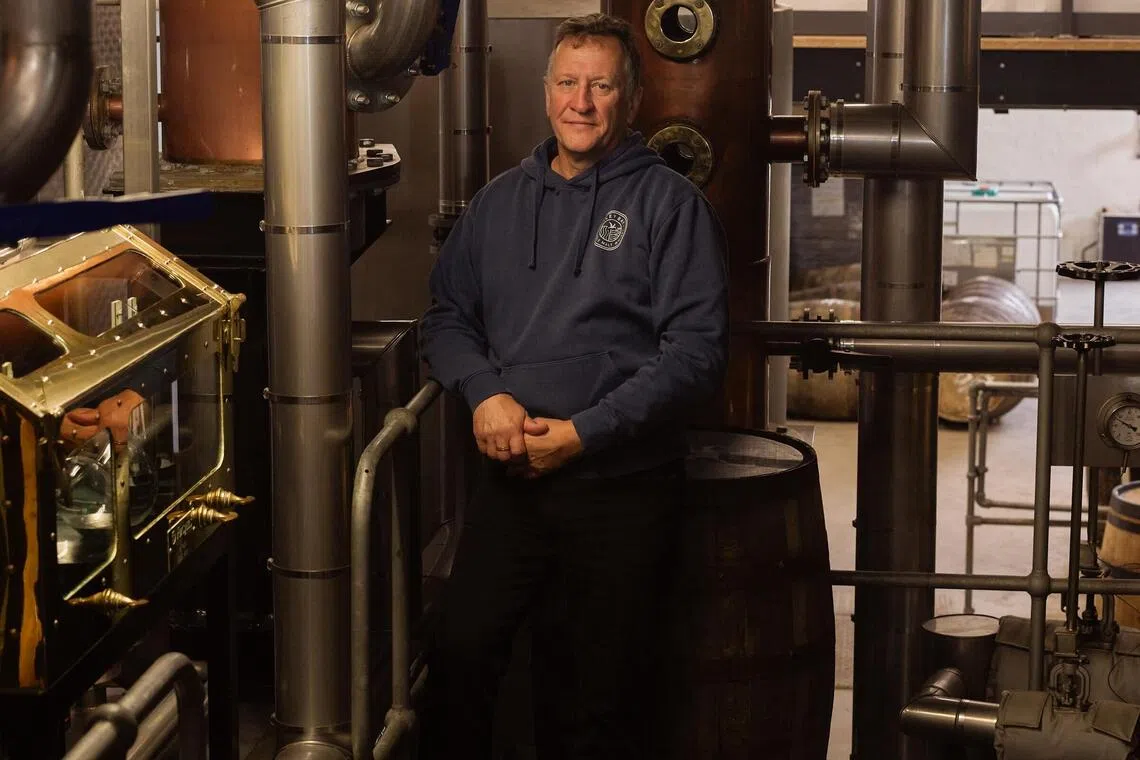
Daniel Szor, founder of Cotswolds Distillery and current chair of the English Whisky Guild, said the Scotch association had actually helped the guild as it drafted the new standards, only registering its objections when the public comment period opened in February 2025. Szor characterised the backlash as a “tempest in a teapot”.
“I think the only confusion is people wondering what the heck is this all about,” Szor said.
For now, the guild anticipates that the geographical indication will not only make it easier for whiskey drinkers to understand what makes the category distinct from Scotch, but could help English whisky win international protections in trade agreements.
The United States – the biggest export market for Scotch – is a key target for many brands, and is currently accessible tariff-free since President Donald Trump lifted the 10 per cent levy on whiskey from the UK in July.
Scotch whisky, including single malt Scotch, is formally recognised as a distinct class of spirit by the Alcohol and Tobacco Tax and Trade Bureau. Someday, English whisky could gain a similar status in US regulations.
A few English whiskies have already made their way to the US, including Cotswolds, Spirit of Yorkshire’s Filey Bay brand, Adnams and Bimber.
Although they tend to be younger than most Scotch whiskies, the single malts share many similar flavours with their Scottish counterparts. They often emphasise warm, spiced and sweet wood notes created during cask aging.
Ryan Maloney, owner of Julio’s Liquors in Westborough, Massachusetts, known for its whiskey selection, said English whisky is comparable in quality to more established whiskies like Scotch.
“The products coming out now are top-notch,” he said, adding that some “punch above” their price. Their new status, he noted, should help with consumer education, which he sees as the biggest obstacle for English whisky in the US market. To that end, Julio’s recently hosted a tasting of Cotswolds whisky that sold out.
The promise of English whisky is strong enough that it’s even attracting experts from Scotland to the industry.
“There’s a great opportunity for English whisky right now, and there’s some really incredible stuff being made,” said Brendan McCarron, a master distiller and blender based in Stirling, Scotland, who serves as whisky maker for the Lakes Distillery.
“Does English whisky need to be the biggest whisky industry in the world? I don’t think it does,” he said, adding, “It’s small, it can move quite quickly, and it can change things up, can try and fail, and try and succeed.” NYTIMES
Decoding Asia newsletter: your guide to navigating Asia in a new global order. Sign up here to get Decoding Asia newsletter. Delivered to your inbox. Free.
Share with us your feedback on BT's products and services
TRENDING NOW

DBS, OCBC, UOB rout lops billions off STI as inflation, rate concerns spook investors

Grab CEO’s wife Chloe Tong on life with Anthony Tan and finding her purpose

OCBC sheds S$8 billion in value as shares close nearly 6% down; analysts cautious on banks

Deal between tycoon friends sparks scrutiny of Philippine power sector

