
Epicurious has a beef with beef
The online recipe bank reveals it's been phasing out beef recipes to mixed reactions
 Add BT as a preferred source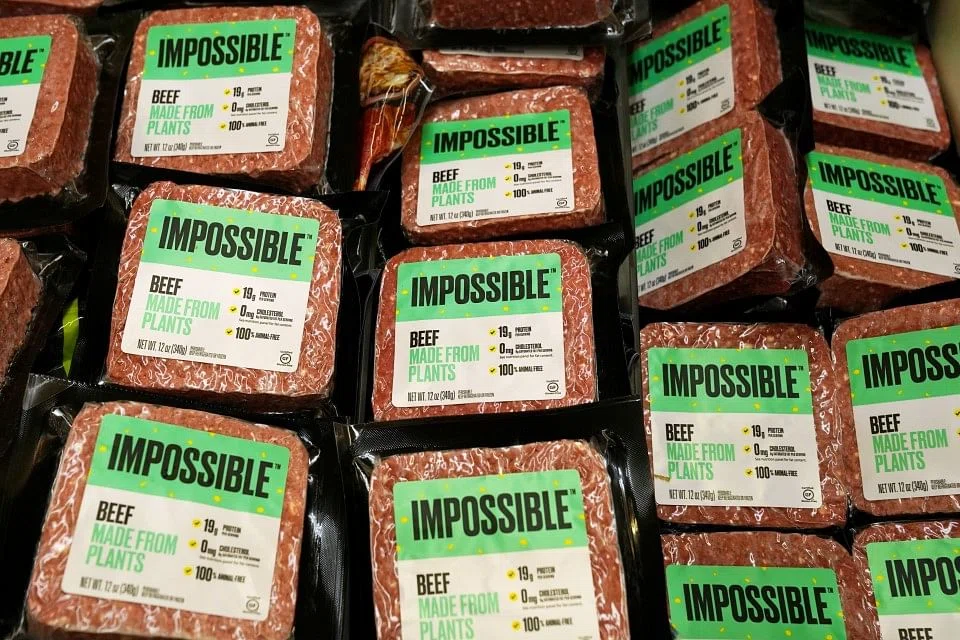
COULD an empire of the kitchen quietly stop cooking with beef and leave no one the wiser?
That appears to be the feat accomplished by Epicurious, the popular online recipe bank where home cooks have gone to hone their skills for a quarter of a century. The editors there revealed to readers this week that not only were they done with new recipes containing beef, but they had been phasing them out for more than a year.
"We know that some people might assume that this decision signals some sort of vendetta against cows - or the people who eat them," Maggie Hoffman, a senior editor, and David Tamarkin, a former digital director, wrote in an article published on Monday. "But this decision was not made because we hate hamburgers (we don't!)."
The shift was "solely about sustainability, about not giving airtime to one of the world's worst climate offenders", they said. "We think of this decision as not anti-beef, but rather pro-planet."
The shift means no new recipes for filet or stroganoff, classic carpaccio or faithful meatloaf on the homepage. No brisket, rib-eye, sirloin, flank or any of the other primal cuts on the site's Instagram feed. Expect to substitute mushrooms into the cheesesteaks, seitan for French dip, tofu for stews and chicken for lo mein. But don't expect any new twists on chile-braised short ribs. The future of burgers, here at least, looks like turkey, beans, Impossible and Beyond.
Existing beef recipes will remain available, including the succulent Steak Diane on Instagram, a list of 73 ways to make a steak dinner "110 Percent Beefier," and a "steakburger" on its list of 50 most popular recipes of all time.
Navigate Asia in
a new global order
Get the insights delivered to your inbox.
But the days of new beef are officially done.
The news was not received well across the wide plains and deep warrens of the Internet where people share pictures of their food and judge one another's diets. Animal lovers said the policy did not go far enough. "If you're really concerned about animal welfare, you'd stop publishing recipes that include chicken (which imposes far more sentient suffering per pound of meat than beef does)," one Twitter critic observed.
Others argued it would be worse for the climate. "Are you insane?" one person responded. "If you take cattle away from ranches, the land will be sold and it will be developed for housing. Not pro-planet at all."
The North American Meat Institute, a trade association, was comparatively restrained. "The real question should be how excluding America's favourite food impacts Epicurious," said Sarah Little, a spokesperson for the group. "Perhaps the reduced Web traffic will save some electricity."
Still, droves of home cooks praised the shift. "I've really been loving the diversity of your recipes over this past year (especially since I've been cooking even more at home)," a Facebook user remarked.
The move was also applauded by People for the Ethical Treatment of Animals (Peta), which called it a "terrific" first step. "To truly combat deforestation, greenhouse-gas emissions, and drought, it needs to take all meat and dairy off the table, too," it said in a statement.
Providing alternatives
Noticeably absent from the conversation was any bold, brazen outrage from top chefs and social-media savvy cooks. Could America, where ranchers took advertising campaign "Beef: It's What's for Dinner" to the Supreme Court, really be over its love affair with beef?
"This is a trend toward considering meat an obsolete food," said Nina Teicholz, executive director of The Nutrition Coalition and an advocate for diets low in carbohydrates and high in fat. "Epicurious is just one website, but it's the constant repetition."
There are more than 300,000 recipes on Epicurious, many with vegetarian substitutions or meat alternatives to beef. Recipes published in place of beef-based dishes have struck a chord with readers, said the site.
"The traffic and engagement numbers on these stories don't lie: When given an alternative to beef, American cooks get hungry," the company said.
Bon Appétit, a sister brand of Epicurious at Condé Nast, did not immediately respond to questions about whether it would or had made similar changes.
Maile Carpenter, editor-in-chief of Food Network Magazine, another prominent cooking outlet, said in a statement that it had not changed its recipe development regarding beef.
"We're all about balance," she said, describing a planned summer issue that would feature a burger on the cover with recipes inside for veggie burgers and dishes with shrimp, fish and chicken with vegetable sides. "Our goal is to provide a range of content so readers can make their own choices."
Epicurious said the decision to publicise its shift was connected to a recent increase in beef consumption, though overall beef consumption is lower than it was 30 years ago. "The conversation about sustainable cooking clearly needs to be louder; this policy is our contribution to that conversation," the brand said.
The announcement also pointed to data from the Food and Agriculture Organization of the United Nations that said nearly 15 per cent of global greenhouse-gas emissions comes from livestock. Cattle represents about 65 per cent of emissions in the livestock sector, the agency said.
Studies have also suggested that consuming less meat may have health benefits and that the consumption of red meat and processed meats was linked to heart disease, cancer and other illnesses. However, that guidance may be fading. A 2019 report suggested that the advice is not backed by good scientific evidence, with researchers saying that if there are health benefits from eating less beef and pork, they are small.
Ms Teicholz said that beef, especially ground beef, was one of the cheapest proteins available, calorically efficient, and held nutrients that could not be absorbed from meat replacements.
Epicurious said in its announcement that its "agenda" would remain the same - "to inspire home cooks to be better, smarter and happier in the kitchen" - but that it now believed in cooking with the planet in mind.
"If we don't, we'll end up with no planet at all," it said. NYTIMES
Decoding Asia newsletter: your guide to navigating Asia in a new global order. Sign up here to get Decoding Asia newsletter. Delivered to your inbox. Free.
Share with us your feedback on BT's products and services

