

EU, Japan throw support behind Olympics, with aid of vaccines from Europe
 Add BT as a preferred source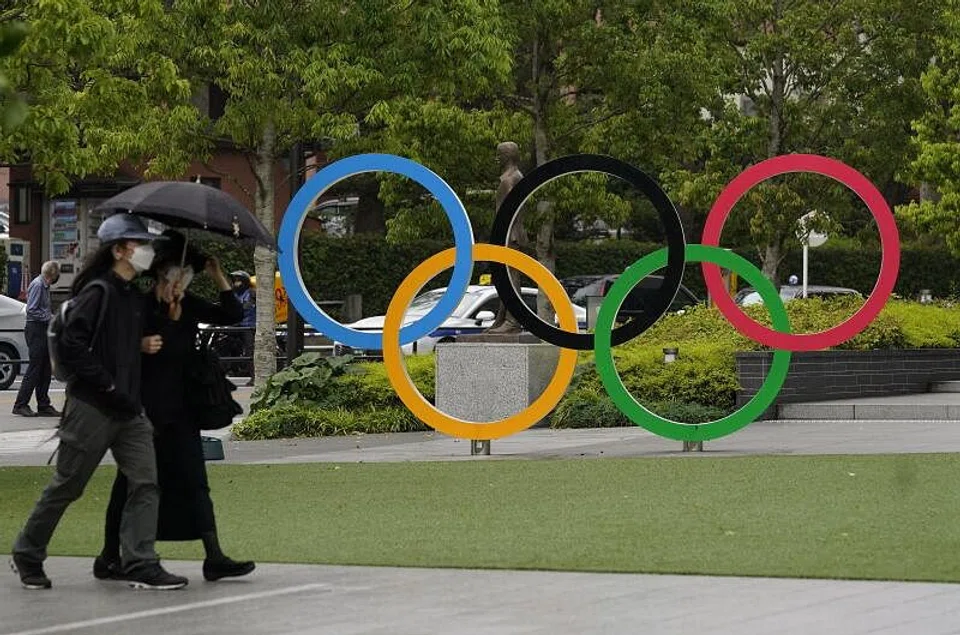
DeeperDive is a beta AI feature. Refer to full articles for the facts.
[BRUSSELS] The European Union and Japan on Thursday backed Tokyo's hosting of the Olympic Games this year, with EU-produced vaccines helping Japan in its battle against a fourth wave of infections.
"We support the holding of the Olympic and Paralympic Games Tokyo 2020 in a safe and secure manner this summer as a symbol of global unity in defeating Covid-19," the EU and Japan said in a joint statement after a summit.
Japan's vaccination drive has been glacially slow, with just over 5 per cent of the population having had a shot, and several polls have shown the majority of the Japanese public are opposed to holding the Games.
European Commission president Ursula von der Leyen said the European Union had authorised the export to Japan of more than 100 million vaccine doses, enough to inoculate about 40 per cent of the population.
"We have of course said we are looking forward to the Olympics Games," she told a news conference, adding that the vaccine shipments were a strong sign of EU support for preparations of a safe event.
The Olympic Games run for just over two weeks from July 23, with the Paralympics due to start on Aug 24. Foreign spectators have been banned and a decision on domestic ones is expected next month.
Navigate Asia in
a new global order
Get the insights delivered to your inbox.
The head of Japan's doctor's union warned on Tuesday that hosting thousands of athletes and officials could lead to the emergence of an "Olympic" virus strain.
"We have indicated we are engaged with the authorities of his country to take all the precautionary measures required," European Council president Charles Michel said after his video meeting with Ms von der Leyen and Japanese Prime Minister Yoshihide Suga.
The leaders also discussed cooperation on climate change, trade and foreign and security policy, saying they were committed to a "free and open" Indo-Pacific region, unconstrained by coercion.
Japanese deputy chief Cabinet secretary Naoki Okada told a separate briefing that the two sides agreed to oppose unilateral attempts to change the status quo in the East and South China Seas, echoing a G7 statement on the disputed waters earlier in May.
REUTERS
Decoding Asia newsletter: your guide to navigating Asia in a new global order. Sign up here to get Decoding Asia newsletter. Delivered to your inbox. Free.
Share with us your feedback on BT's products and services
TRENDING NOW
Singaporeans can now buy record amount of yen per Singdollar

Beijing’s calculated silence on the Iran war

China pips the US if Asean is forced to choose, but analysts warn against reading it like a sports result

StarHub hands Ensign InfoSecurity control back to Temasek in S$115 million deal, books S$200 million gain

