

Extreme heat comes for the red chilli capital of Pakistan
Farmers are adapting as traditional cultivation methods may not survive climate change and soaring costs
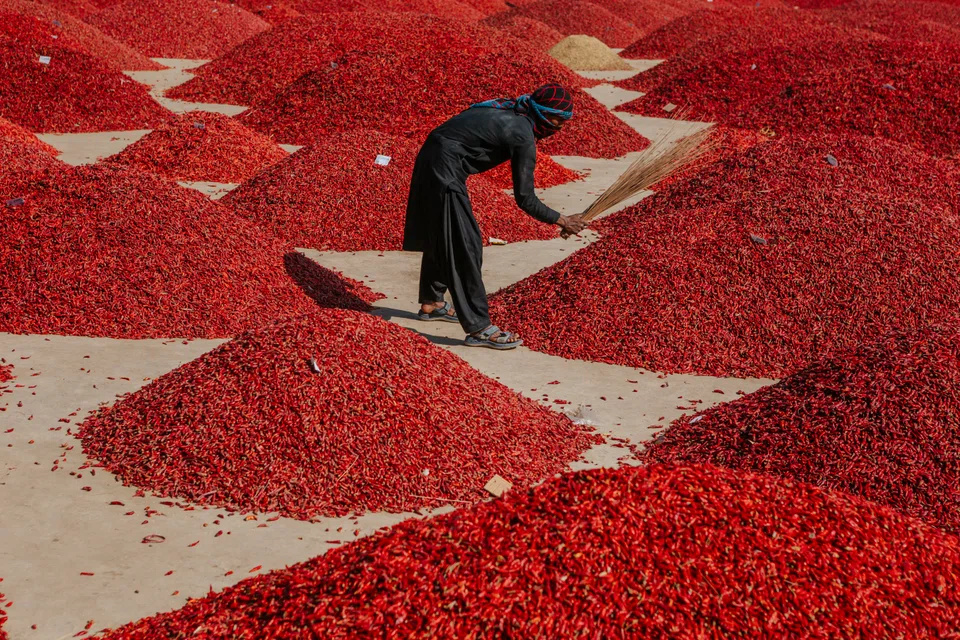
[KUNRI, Pakistan] Pakistan is one of the world’s top producers of red chilli peppers, and the small town of Kunri is its red chilli capital. Farmers dry their chillis the old-fashioned way, in the sun, and on market days, the dust is so overwhelming that the fiery air makes eyes water and throats burn.
But extreme weather – heat, floods, drought and the unpredictability and high costs that come with these events – is causing a way of life that has shaped generations of farmers to slowly disappear.
On a recent morning in Kunri, in south-eastern Pakistan, Ahsan Ali Dars wandered his once-lush field of red chillis, now scarred by scorched crops, parched soil and empty patches.
He scanned the sky for signs that the monsoon season was nearing, which might relieve the struggling plants stressed by months of extreme heat. But there wasn’t a drop of rain on the horizon, and within a few hours, the temperature would top 49 degrees Celsius.
Agriculture accounts for nearly a quarter of Pakistan’s economy and employs half of its labour force. But the country of more than 250 million people is among the world’s most vulnerable to climate change.
Devastating floods in 2022 destroyed nearly 4.5 million acres of agricultural land in an episode that many farmers in the provinces of Sindh and neighbouring Punjab, Pakistan’s bread basket, say they are still reeling from.
Red chillis are among the worst-affected crops, and Pakistani farmers say that growing this staple of Pakistani cuisine has become a constant challenge.
In recent years, unpredictable weather has brought heatwaves and floods in a dizzying cycle, shattering crops and hitting small-scale traditional farmers especially hard, as the rising costs make it difficult for them to adapt.
Many farmers are trying to mix up their planting schedule to help the seedlings survive the heat until harvest. Dars started sowing his seeds in March instead of May, so the plants would be established enough to withstand hotter summer temperatures.
SEE ALSO

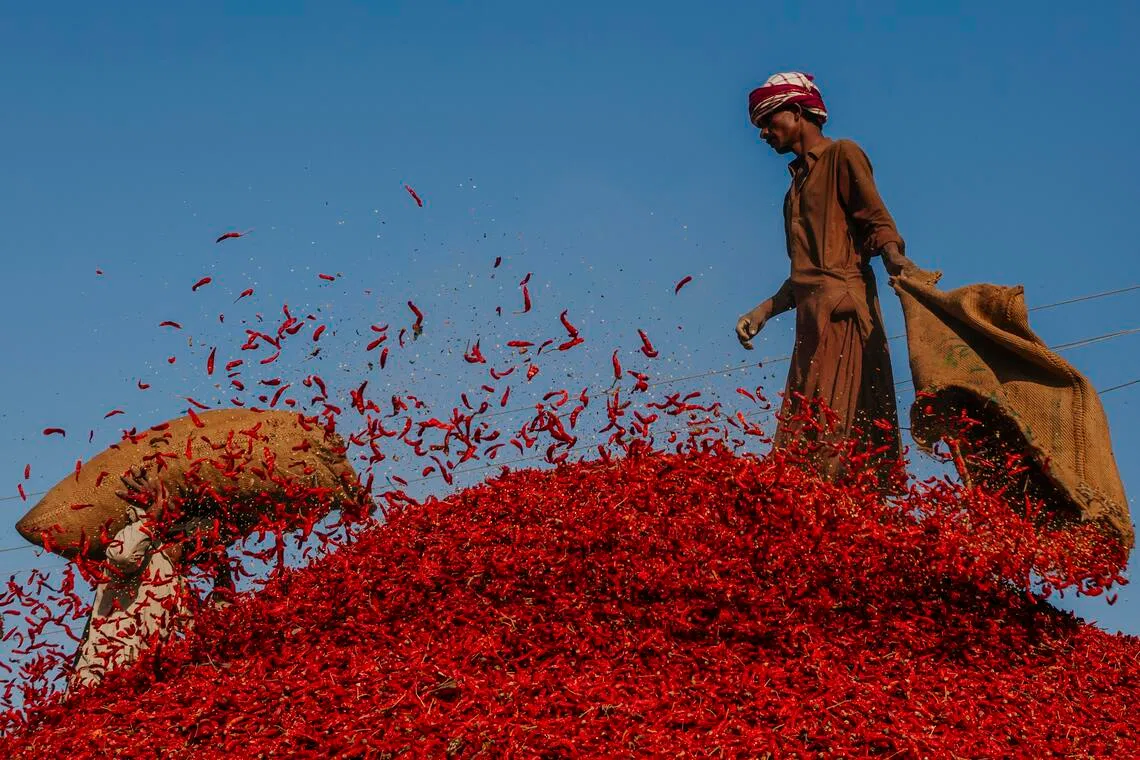
In some years, that has been enough. Last November, after a successful harvest, hundreds of chilli growers, buyers and brokers converged on the town to haggle around stacks of red pepper that easily topped 2.4 metres.
These market days breathe life into Kunri, an otherwise sleepy town of 25,000 people in Sindh province, about 113 kilometres west of the Indian border.
The most affluent buyers at the market slalomed between the mounds on motorcycles, while day labourers trudged, their backs hunched over the weight of the chillis.
On average, more than 200 tonnes of them were sold daily at that single market during the post-harvest season. The region accounts for more than 85 per cent of Pakistan’s red chilli production.
But this year, even March was too hot to plant. So Dars delayed sowing until May, shortening the growing season and exposing fragile young plants to increased heat stress.
In a sort of race against time and climate change, Dars and other growers are now doping their soil with much more fertiliser than before in a desperate attempt to keep their plants alive ahead of the harvest season, which starts in September.
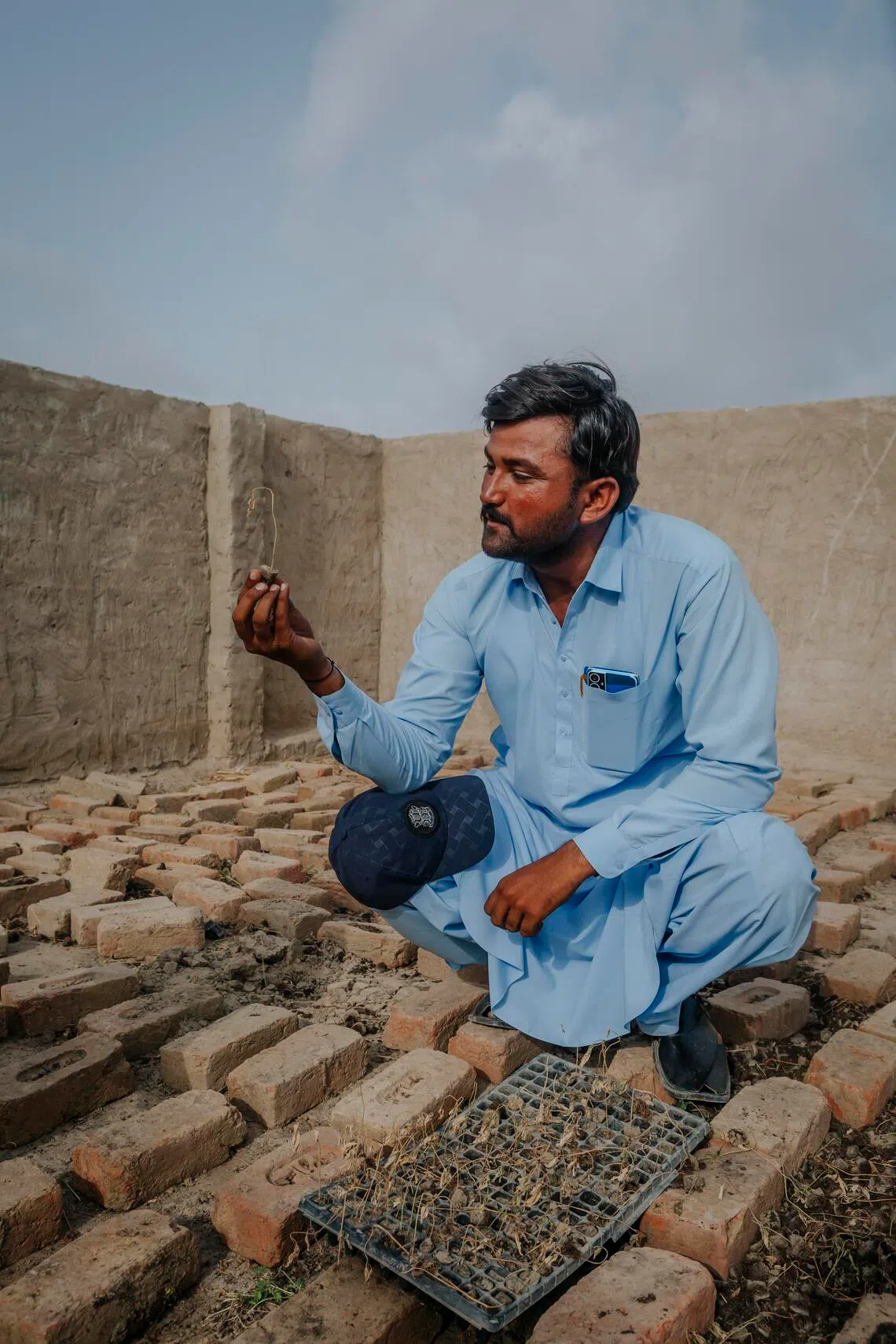
By the end of July, the monsoon finally brought the first raindrops to Dars’ fields. But with it will most likely come the risk of overwhelming rain, he noted.
“If there is too much rain, it will destroy the crop,” he explained. “If there is no rain, that will also be destructive.”
The risk of flooding also makes the traditional process of drying the chillis more risky. After the harvest in September, farmers dry them on the ground, a process that takes about 10 days. Excess moisture can leave the harvest vulnerable to fungi.
For years, small farmers in Kunri have clamoured for modern facilities that would allow them to dry their chillis in a more controlled environment. “Whenever the government said it would open a centre, nothing happened,” said Muhammad Saleem, a chilli broker at the Kunri market.
Local officials acknowledge that they’re overwhelmed.
Muhammad Khan, a district official in Kunri, estimated that up to one-third of the crop goes wasted during the drying and processing stages. “Drying is the main issue for small landowners because of the mist that comes at night,” he said.
Larger landowners have managed to better shoulder the added costs that have come with the changing weather, he added.
Khan pointed out that the Sindh government was taking steps to address some of those challenges, including the recent approval of a new chilli market in Kunri, with facilities such as warehouses and auction grounds aimed at better protecting the harvest.
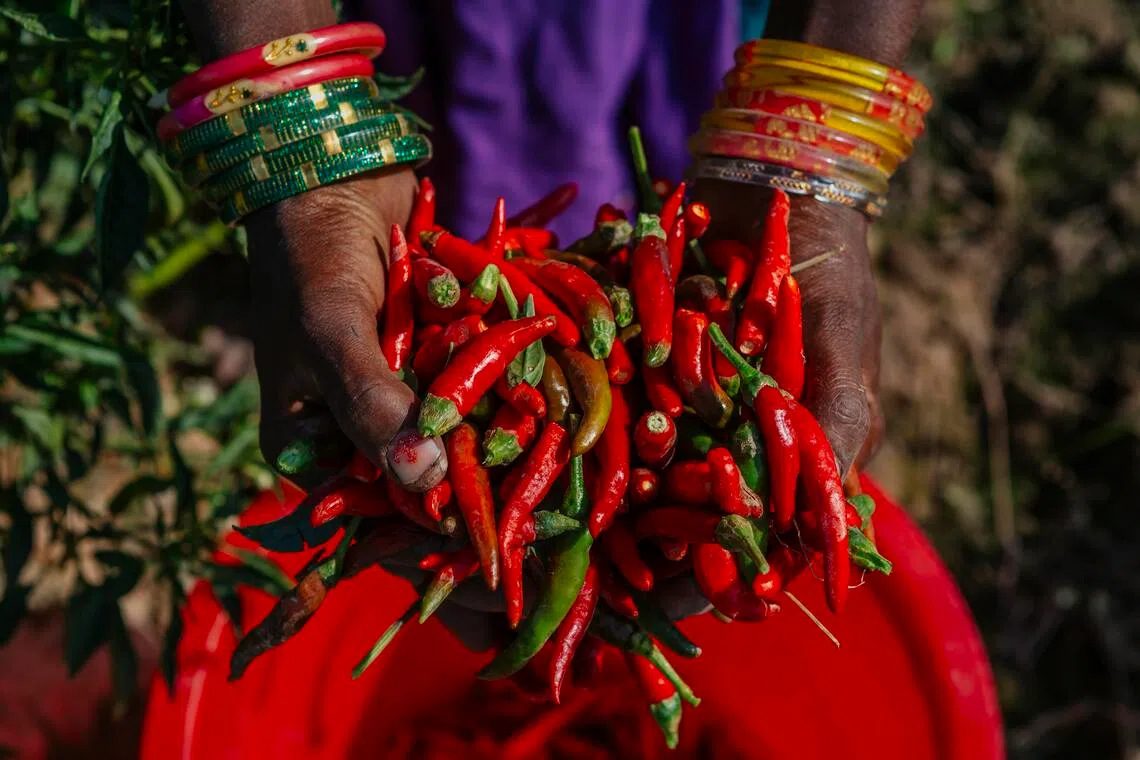
But faced with declining yields, higher fertiliser costs and persistent irrigation challenges, many farmers have begun to diversify.
This year, Dars decided to dedicate 1.6 hectares of his field to 800 papaya plants. Still, he said, that no matter the crop, few may be able to hold up to extreme weather. “It seems that nature is no longer on our side,” Dars concluded. NYTIMES
Decoding Asia newsletter: your guide to navigating Asia in a new global order. Sign up here to get Decoding Asia newsletter. Delivered to your inbox. Free.
Share with us your feedback on BT's products and services
TRENDING NOW

Once staunchly pro-China, Malaysian Chinese businesses are now distancing themselves from Beijing

Looking beyond looming CEO succession, should UOB potentially pursue a transformative merger?

Could stablecoins be the future of money?

Grab CEO’s wife Chloe Tong on life with Anthony Tan and finding her purpose

