

Father-daughter succession fight evokes looming crisis in Japan
The Otsuka Kagu psychodrama shows that founders can be too prideful to let go in a country where some 95% of firms are family run
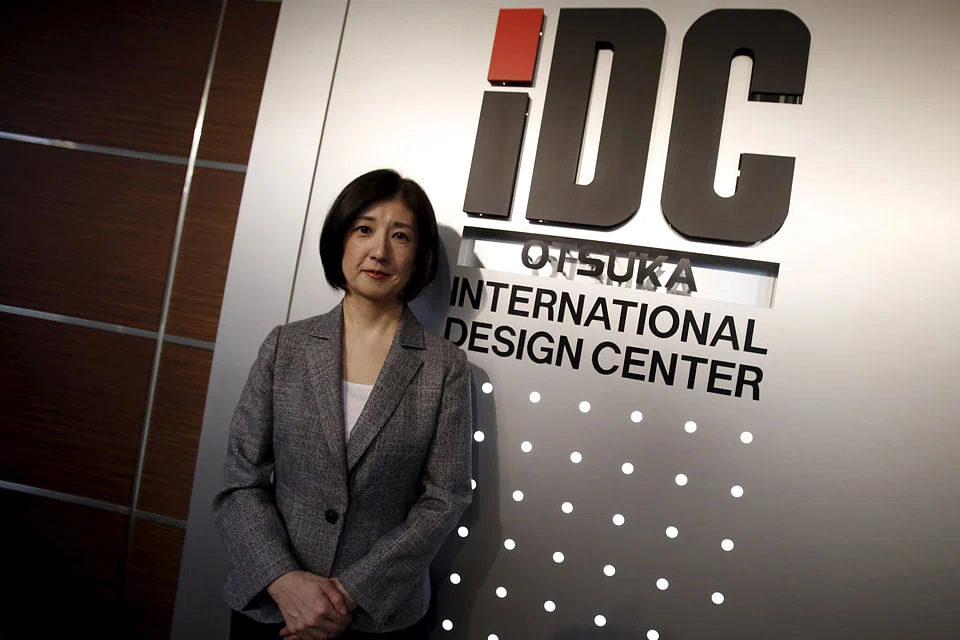
Tokyo
IN a country where family conflict is usually kept under wraps, the boardroom fight at Otsuka Kagu was as titillating as reality TV.
The company's 71-year-old founder tried to fire his daughter five years after naming her president of the high-end furniture retailer, which is a household name in Japan. It was dramatic, garish, and ugly - and it got everyone's attention the moment Katsuhisa Otsuka used a February news conference to call his daughter Kumiko, one of Japan's few female business leaders, a "bad child".
The Otsuka family drama illustrates the difficulties posed by the retirement of the baby-boomer entrepreneurs, some of whom, like Mr Otsuka, are towering figures in Japan. These business founders are leaving their children a country that is sliding into a comfortable decline. A big reason for this is low birthrates, which also explain why two-thirds of Japan's small businesses don't have successors. For those who do succeed their parents, tough choices await.
"You want to respect your parents," says family counsellor Hiromi Ikeuchi, the author of 30 books on marriage, divorce, and relationships. "But times are changing, and if you keep doing things the way they did, you could end up destroying the business."
Some 95 per cent of Japanese firms are family run, and founding families still exert influence at about 40 per cent of the country's listed companies, including big names such as Toyota, Canon, and Panasonic.
A corporate governance code introduced by the Financial Services Agency in June encourages companies to end the kind of insularity that allowed the Otsuka family feud to fester. Listed companies will have to appoint two independent directors to their boards or explain why they haven't. The latest filings suggest that more than three-quarters of the country's 3,500 or so publicly traded companies will have some explaining to do.
Otsuka Kagu, founded in 1969, was Japan's biggest furniture retailer through the early 2000s - kagu means furniture in Japanese - but the business was in decline by the time Mr Otsuka handed control to his daughter in 2009. Sales were down 20 per cent from their peak, and the stock price had fallen by more than half.
Mr Otsuka stayed on as chairman and held on to 18 per cent of the company's shares, a major complication for anyone who took over, let alone his daughter.
The heir to the Otsuka furniture throne had other challenges, too. Just 42 when she became president, Ms Otsuka was a lot younger than the executives who had surrounded her father and almost 25 years younger than the average board member at a Japanese publicly traded company.
And she was a woman. Fewer than one per cent of Japan's biggest companies are led by female CEOs, according to a survey by PricewaterhouseCoopers and Strategy&. To be fair, the numbers aren't much higher in the US and Canada: just 3 per cent.
Ms Otsuka decided to make Otsuka run less like the high-end store her father had built during the go-go growth days and more like Ikea, which came to Japan in 2006, bringing price competition with it. Gone was her father's membership model. Ms Otsuka let customers roam the showroom without being shadowed by sales staff, and she introduced cheaper items.
Change didn't sit well with Mr Otsuka, who lashed out, demoting his daughter in July 2014. The board reinstated her a few months later, but the battle escalated when her father launched a proxy fight, demanding her removal, and then went on TV to let the public know what he thought of her.
Worldwide, some 70 per cent of companies fail after succession, according to Joseph Astrachan of the Cox Family Enterprise Center at Kennesaw State University outside of Atlanta. So much can go wrong. Trying to keep everyone happy stops people from making tough choices, those who take over often don't share the founder's passion, and sometimes founders are too prideful to let go. It's not uncommon to call in therapists to mediate or restore calm. "It's just really hard to have a good business and a good family," Prof Astrachan says.
For Masaaki Furuya, an investor who was there for Otsuka's March 29 shareholder meeting, the psychodrama wasn't easy to watch. "It was embarrassing," he says.
The founder rambled on about the early days when he went out canvassing for investors, the joy of raising five children, and Ms Otsuka's difficult birth. The only mistake he ever made, he said, was turning the company over to his daughter. "I've got another 10 or 20 years left in me," he said.
Then his wife, Chiyoko, also a shareholder, joined the fracas. "You would never have been able to build a company like this," she told her daughter. "And another thing: Stop abusing the employees."
Through it all, Ms Otsuka stood stock-still and looked mostly at the floor. At the end of the meeting, shareholders voted to keep her as president. She hasn't spoken with her father since, she told the press during an April event announcing a half-off sale on furniture. BLOOMBERG
Share with us your feedback on BT's products and services
TRENDING NOW

He built the Vingroup empire. Now South-east Asia’s richest man is handing some key roles to his sons

China’s Pinglu Canal likely to benefit Singapore, other South-east Asia ports in the long term
Suntec Reit to increase Singapore focus, sell three Australia properties

Despite the de-dollarisation debate, demand for dollar liquidity in Asia is growing

