
Feasting in style
 Add BT as a preferred source
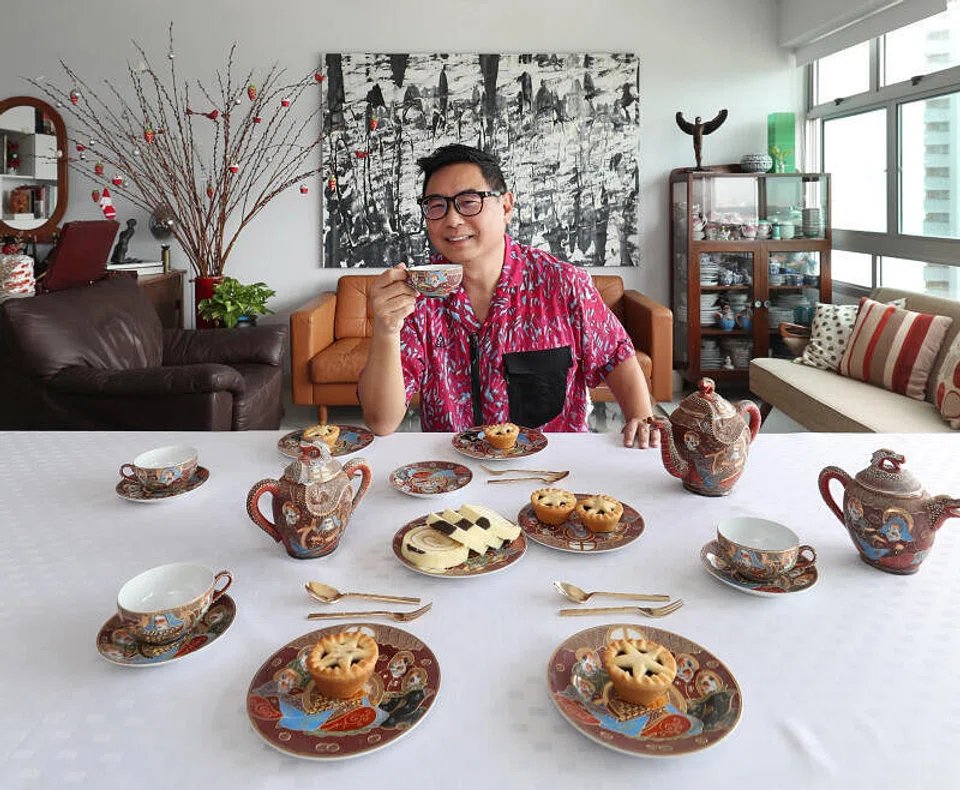
CHEF and food consultant David Yip has his late grandmother to thank for his love for fine porcelain tableware.
"My grandmother loved to entertain, and she would always bring out her most precious tableware for these occasions. Even if it was her friends coming over for afternoon tea, the table would be elaborately laid out," says Yip.
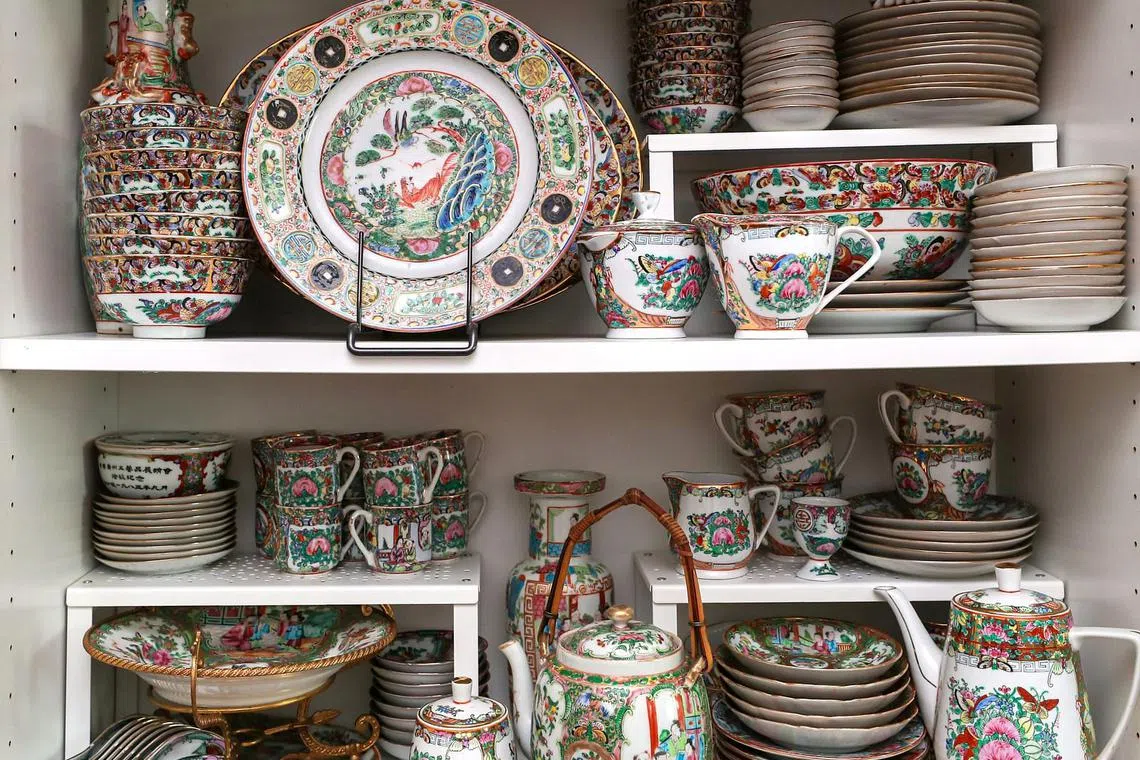
Hosting friends and business associates for meals was typical for Yip's family, who also had their own personal chef. His grandmother would use her Canton porcelain, better known as Guangcai, that was made in Jingdezhen, a city in the Jiangxi province renowned for its high-quality porcelain, with hand-painted designs on them.
After his grandmother died, little remained of her collection, which prompted Yip to start his own.
Over the last 30 years, he has garnered an impressive collection, which he purchases from flea markets, auctions and from other collectors. Spoons, plates, cups and bowls are neatly stacked on each other and displayed in several cupboards in his Holland Drive home. These are nestled in between a wide collection of teapots, sugar bowls and milk jugs.
Apart from a collection of Guangcai, similar to his grandmother's collection, Yip has also amassed Kutani and Satsuma ware from Japan.
Navigate Asia in
a new global order
Get the insights delivered to your inbox.
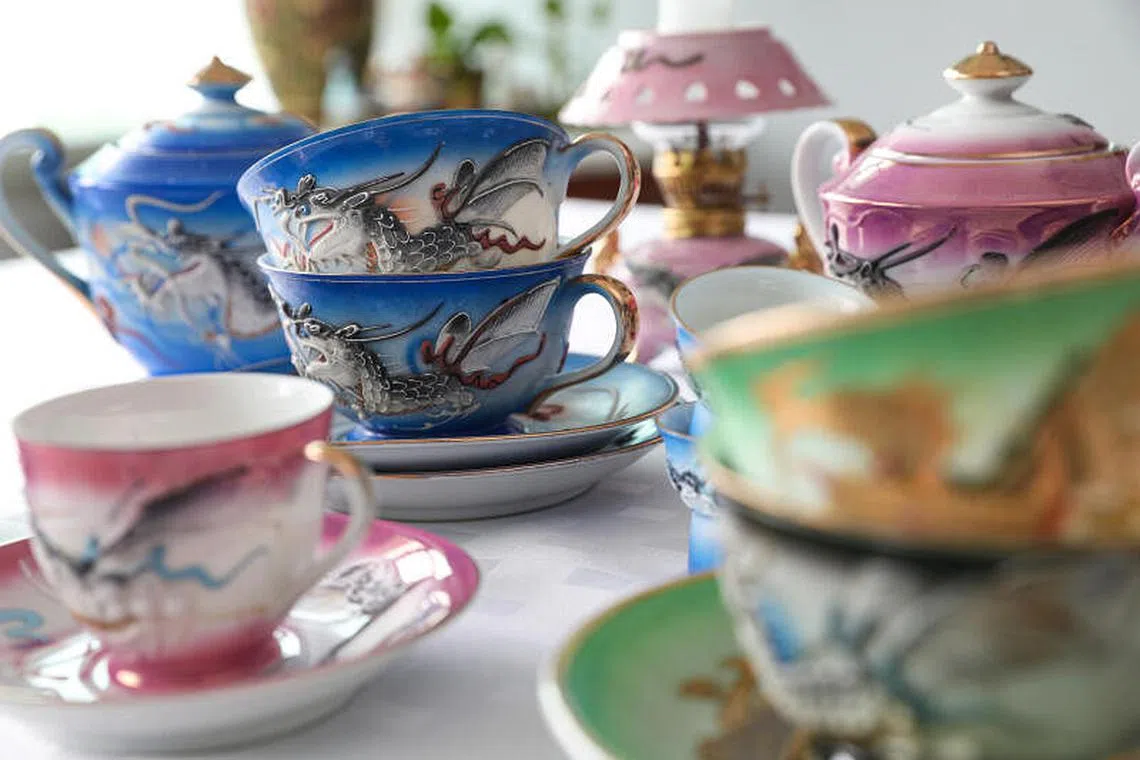
One characteristic of Kutani ware, named after its location, is the use of bold colours on the porcelain, such as blue, green and pink. In Yip's collection are pieces from pre and post-World War II Japan, with most made for export, to raise funds for the country.
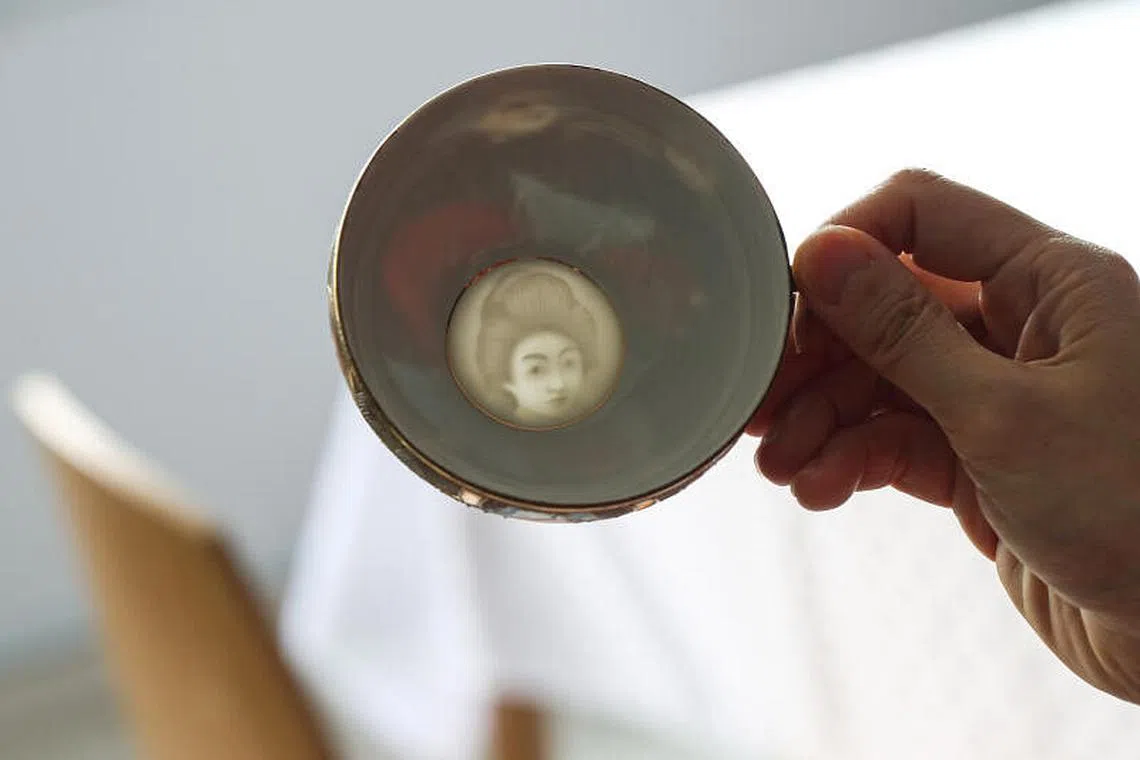
Many of these cups have a geisha lithophane on the bottom of the cup. The face of a geisha only appears when the drinker finishes his last sip. "Friends are usually caught by surprise," says Yip.
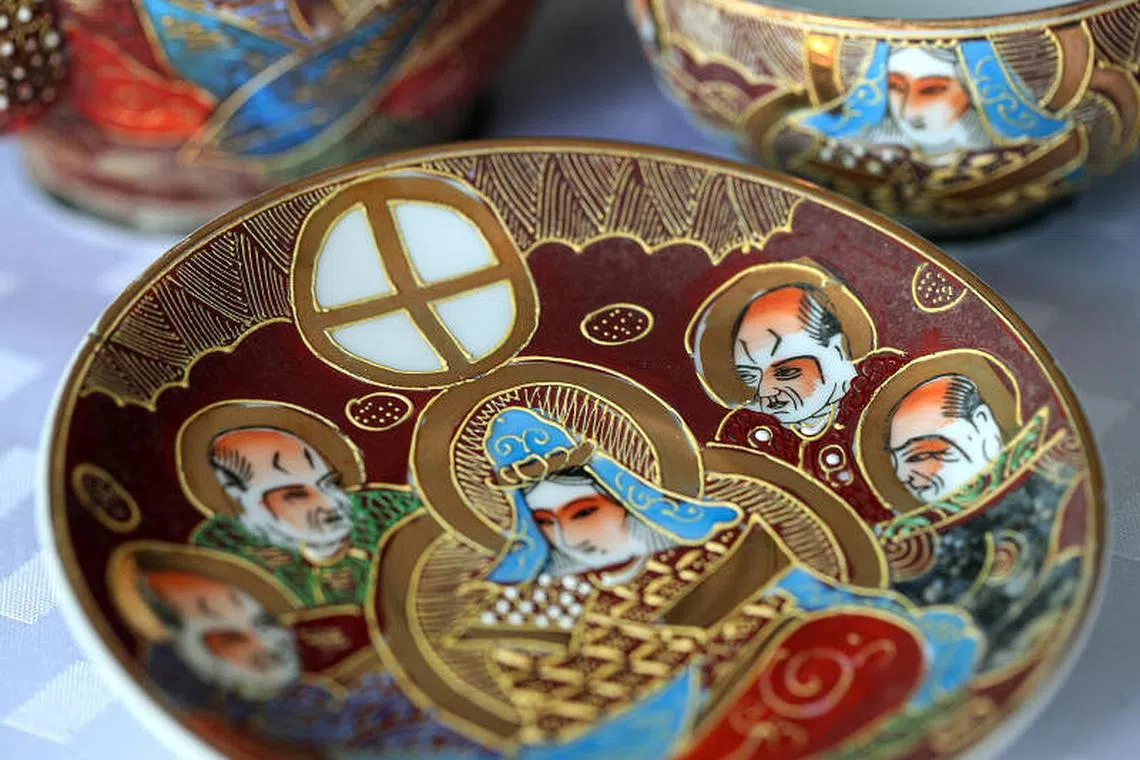
Meanwhile, Satsuma ware is identified by a motif of a circle with a cross. Yip says most people mistake it as the Christian sign but in fact, it is the crest of the Shimazu clan, the ruling shogunate family back in the day.
Both Kutani and Satsuma ware feature moriage, a decoration made using a string of coloured clay, resulting in a raised look, resembling cake frosting.
Yip collects porcelain tableware because he is interested in its history, and the little details behind the designs, such as pieces meant for the South-east Asian market are less elaborate than those for the Western one.
But does eating off fine porcelain make the food tastier? "No," Yip admits, "but tableware elevates the dining experience. It changes the mood and the ambience."
He carefully selects his tableware according to the menu and occasion. For example, daily meals are served on more price-friendly plates that he bought in Japan, while his 200-year-old Guangcai collection is used for more elaborate Chinese dinners. And when the occasion calls for it, his Kutani or Satsuma collection is used too.
Yip declines to say how much he has paid for his collection, except that they can cost 5 figures, and he is not interested in their resale value nor does he plan to sell his collection.
"I'm a hoarder, so I'm keeping all the pieces," he says.
His friends are always in for a treat when they come over for meals, where they indulge in both visual and gustatory treats. Yip is known for cooking up dishes from scratch, such as his signature sweet and sour pork.
While wiping their plates clean is expected of guests they will never be asked to wash the dishes. "Some plates have chipped or are broken, but that cannot be helped," says Yip, nonchalantly. "But I always tell my friends they don't need to volunteer to wash the dishes."
Decoding Asia newsletter: your guide to navigating Asia in a new global order. Sign up here to get Decoding Asia newsletter. Delivered to your inbox. Free.
Copyright SPH Media. All rights reserved.

