



International Women's Day: 3 emerging talents in books, fashion and art
- FUSHI YANG
Fashion Designer of Ther Yang
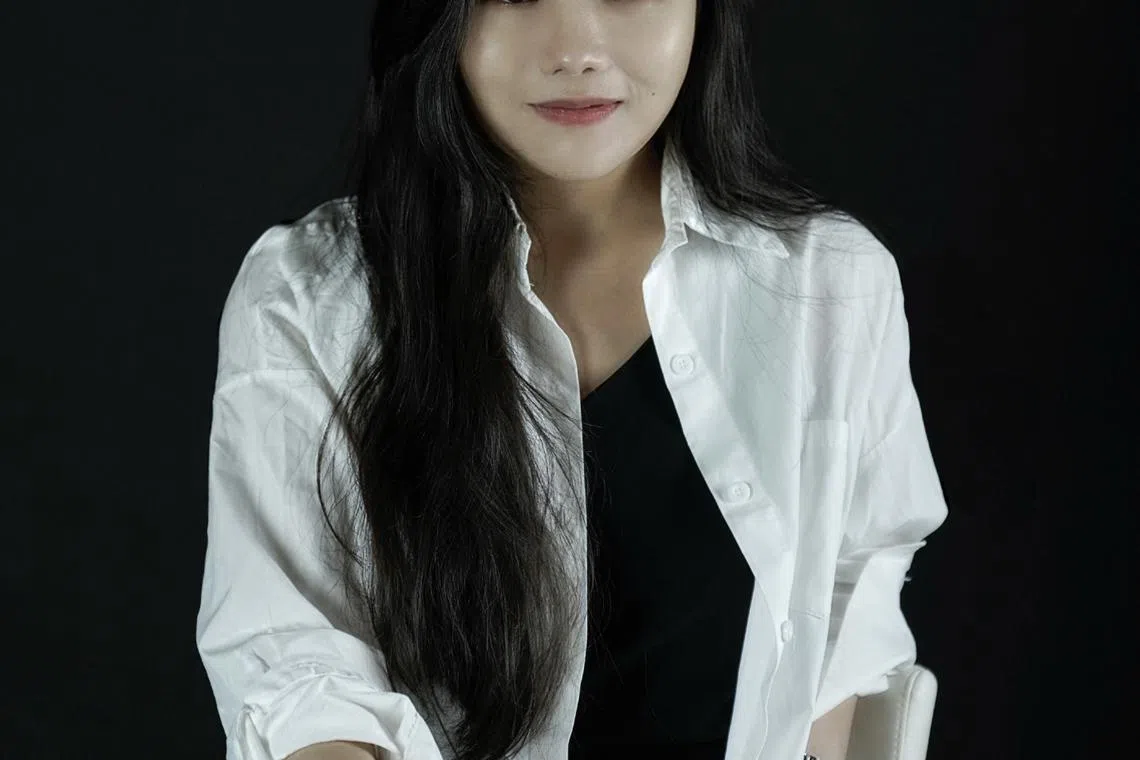
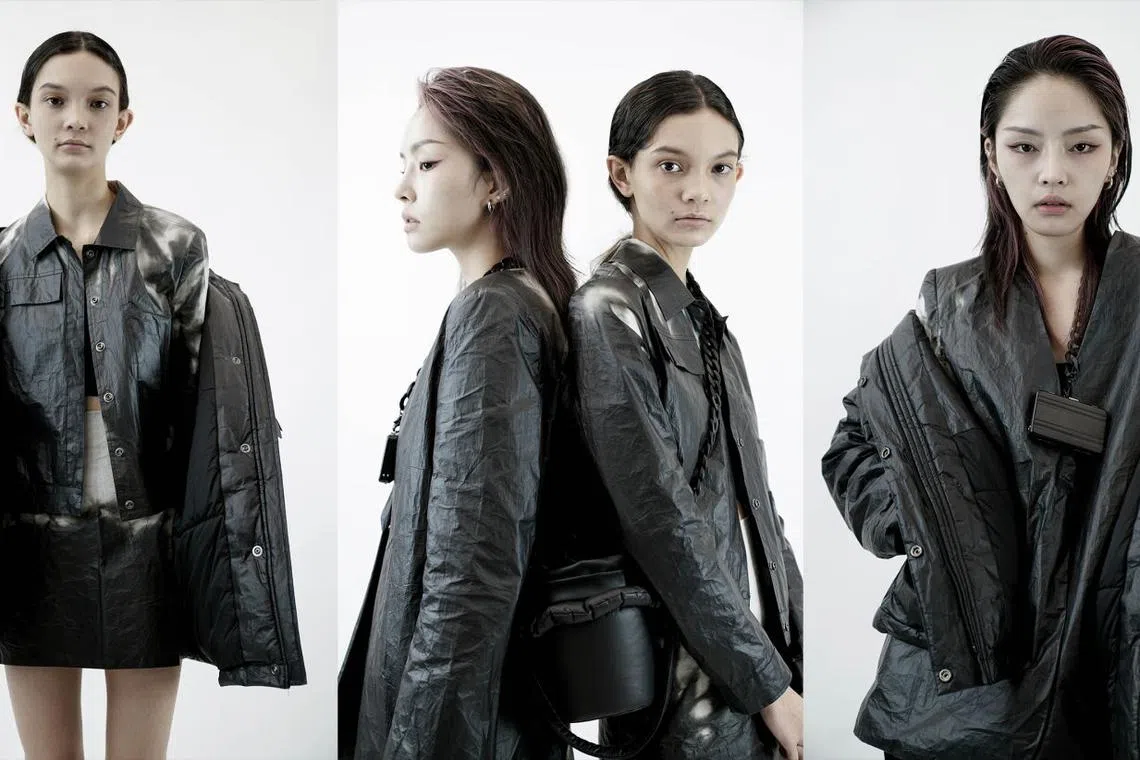
GRADUATING from Lasalle College of The Arts' fashion course, Fushi Yang debuted her own label Ther Yang in early 2021, a year into the global pandemic. Her first collection comprised monochromatic Autumn/Winter clothes made out of Tyvek, a durable and recyclable material that changes colour with changes in temperature.
"When you wear the outfit, its colour will be slightly altered depending on your body temperature. When it is warm, the material changes from black to white. And when someone hugs you, their hands will leave temporary white marks on your outfit because of their warm temperatures," says Yang, who is 26.
A native of Guangzhou who has lived in Singapore for 13 years, she suffered from anxiety during the lockdowns because her family is in China. Her debut collection became a commentary on the human need to be touched and held, which are denied because of quarantines and social-distancing measures.
The message behind the collection instantly resonated with global fashion lovers, especially the Chinese, who make up more than half her clientele. The collection also includes temperature-sensitive phone covers and notebooks, which have been a hit with Singaporeans.
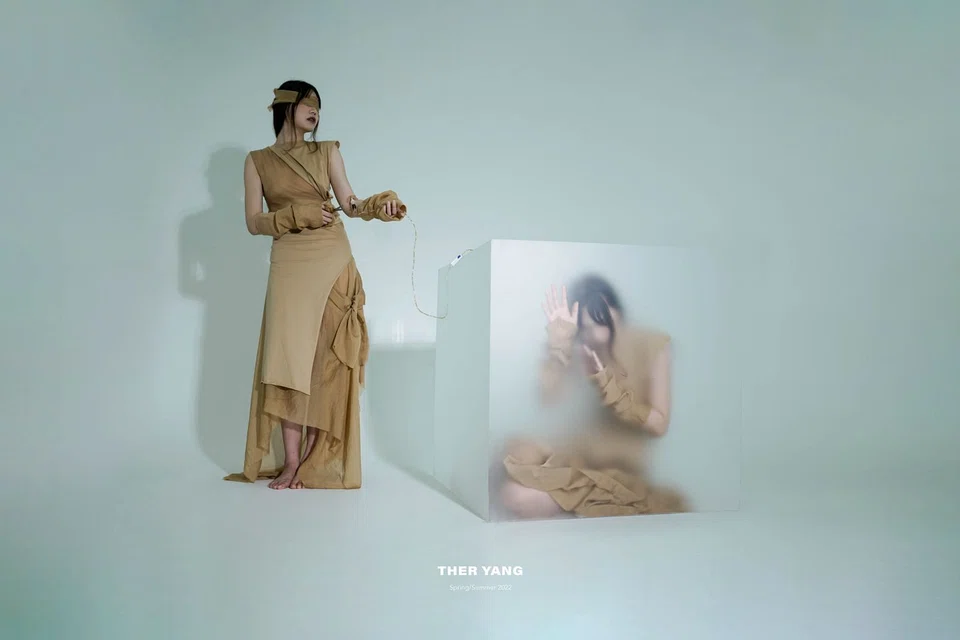
In the coming weeks, she will launch her Spring/Summer 2022 collection, which again comments on the state of the world - but on a more optimistic note this time. Her clothes are now printed with UV-sensitive ink that only shows up when exposed to the sun. Indoors, the clothes take on pure monochromatic colours.

Yang says: "The clothes urge the wearer to get out into the open, enjoy the sun and feel what it's like to be part of nature again. The prints only show up in the sun, so they become a kind of celebration for being able to go out again and socialise."
She strongly believes in paying it forward: She has donated half the proceeds from the sale of her T-shirts to the Shenzhen University Volunteers Association. She has also donated pieces from her collection for charity sales.
"I think of fashion as being very much part of the world, always responding to global issues, and playing a role in making it a better place."
- CARISSA FOO
Novelist and educator
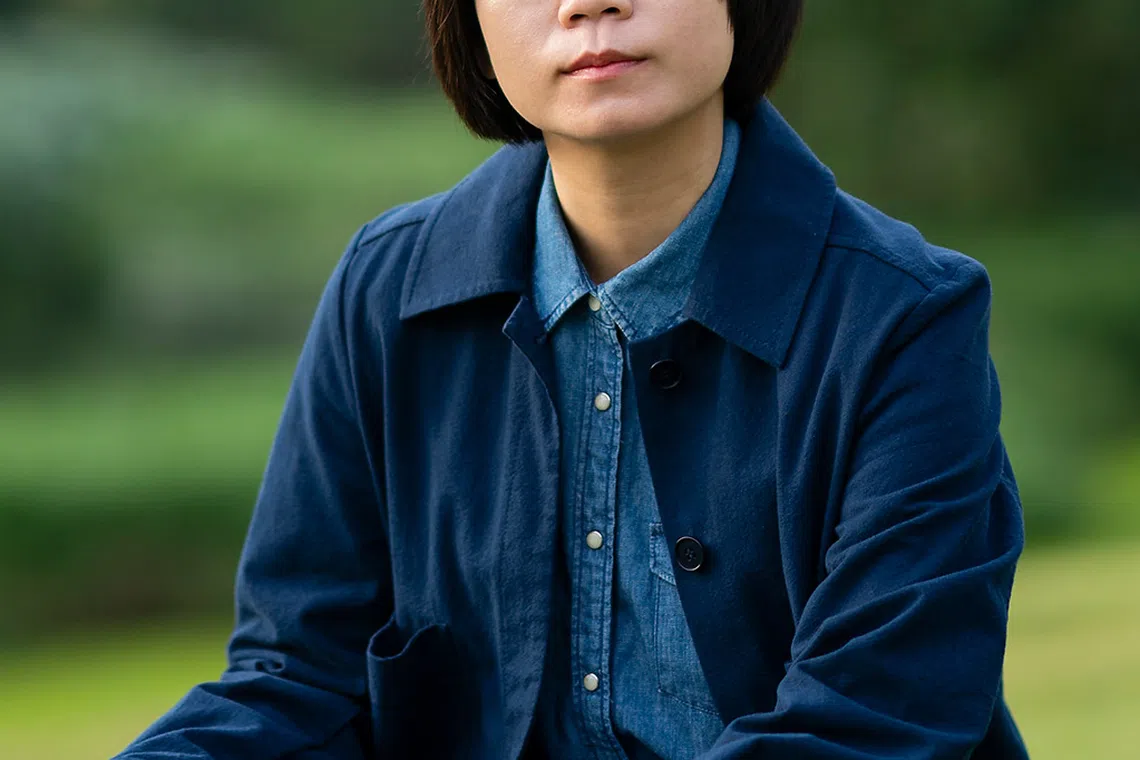
CARISSA Foo specialises in stories about women. Her new novel, What We Learned From Driving In Winter, examines the particularities of friendship among 3 Singaporean women studying overseas - before one of them goes missing.
She says: "Women's friendships are complicated. Very often, things such as jealousy and care are interwoven. And it's futile trying to unpack them or treat them separately because they all come together.
"You have to first think about women's existence. Historically, women are raised to be marriageable. And that means there's a hierarchy of who's more marriageable than whom. So when women come together - and even though that historical circumstance of needing to marry in order to live no longer characterises our friendships today - there is still jealousy and competition."
She adds: "At the same time, women are supposed to be nurturers; it's ingrained in our psyches - even if it's not always the case. So we're primed to care for a female friend or relative - but at the same time, we are also trying to compete with them. It seems as if these things are in conflict with each other, but they actually work hand in hand."
Set to hit bookstores in mid-March 2022, What We Learned From Driving In Winter centres on 3 young women - Clare, En and Gigi - who share a flat while pursuing their university studies in the United Kingdom. At first, all goes well, despite the fact that they have very different socioeconomic backgrounds. They share rice, detergent, anecdotes and household chores. They care for each other.
"But the thing about a trio of friendships is that they can become complicated. Questions arise over who is closer to whom. And then jealousy grows... Unlike a friendship between 2 people - which is much easier to navigate - the relationship dynamics of 3 friends constantly shifts."

Then news comes of Clare's disappearance. And Gigi and En soon find themselves driving across the UK in winter to search for answers and hope.
Foo has written only 1 novel before, If It Were Up To Mrs Dada, which was long-listed for the Epigram Books Fiction Prize 2017. It is an inventive post-modern homage to Virginia Woolf's most famous novel, Mrs Dalloway; it even opens with the line: "Mrs Dada said she would buy the flowers herself."
Unlike Mrs Dalloway, a high-society English woman, Mrs Dada is a Singaporean woman living in an old folks' home and haunted by figures from her past. The voice of such a Singaporean is seldom heard in fiction.
Foo completed her PhD in English Studies at Durham University and now lectures on women's writing in Yale-NUS College.
She says: "As a writer and educator, I always strive to put women's voices at the centre, and not the usual Anglo-American women's voices, but rather, the voices of women in Singapore and in the region, marginalised women, LBTQ women, and others who are seldom heard.
"The more voices we have, the more diverse they are, the more we win."
- BERNY TAN
Curator and Artist
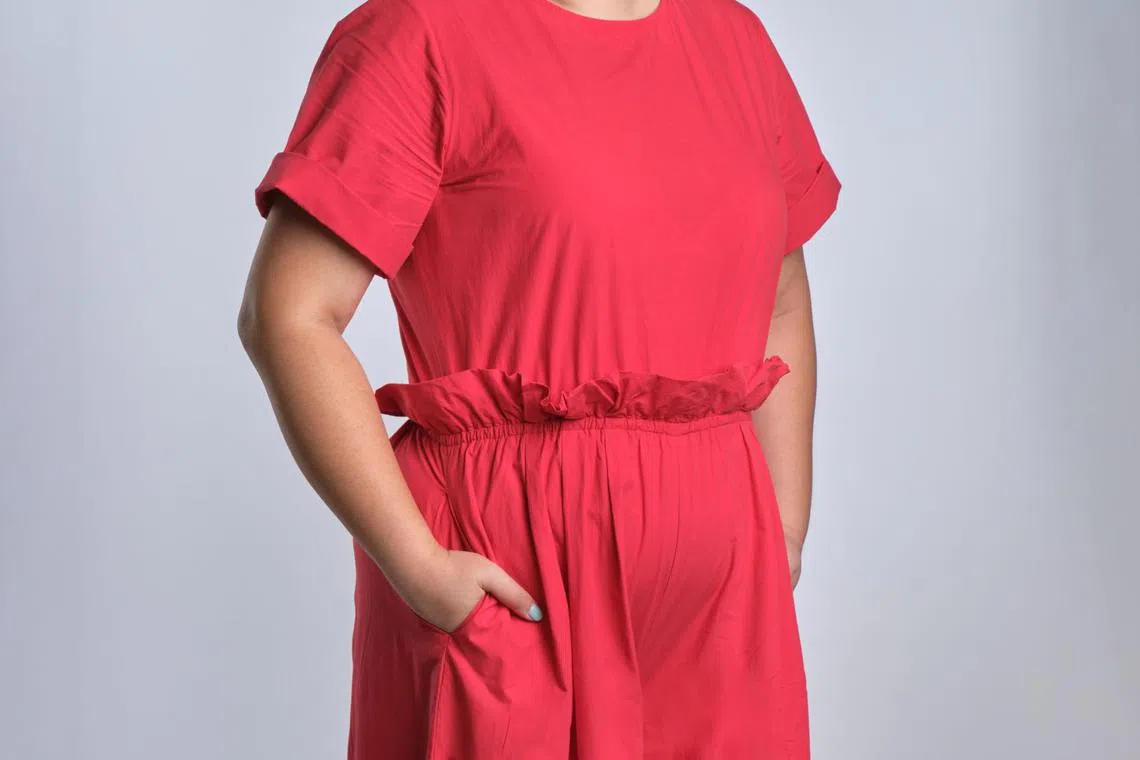
BERNY Tan has a natural ability to work with artists, recognise the strength and quirks of their practices and personalities, and give them the space and/or guidance to produce their best work.
Since curating the hit exhibition, Maybe We Read Too Much Into Things (2021), which assembled 6 young artists exploring the materiality of everyday things, Tan has been on the radar of visual arts lovers.
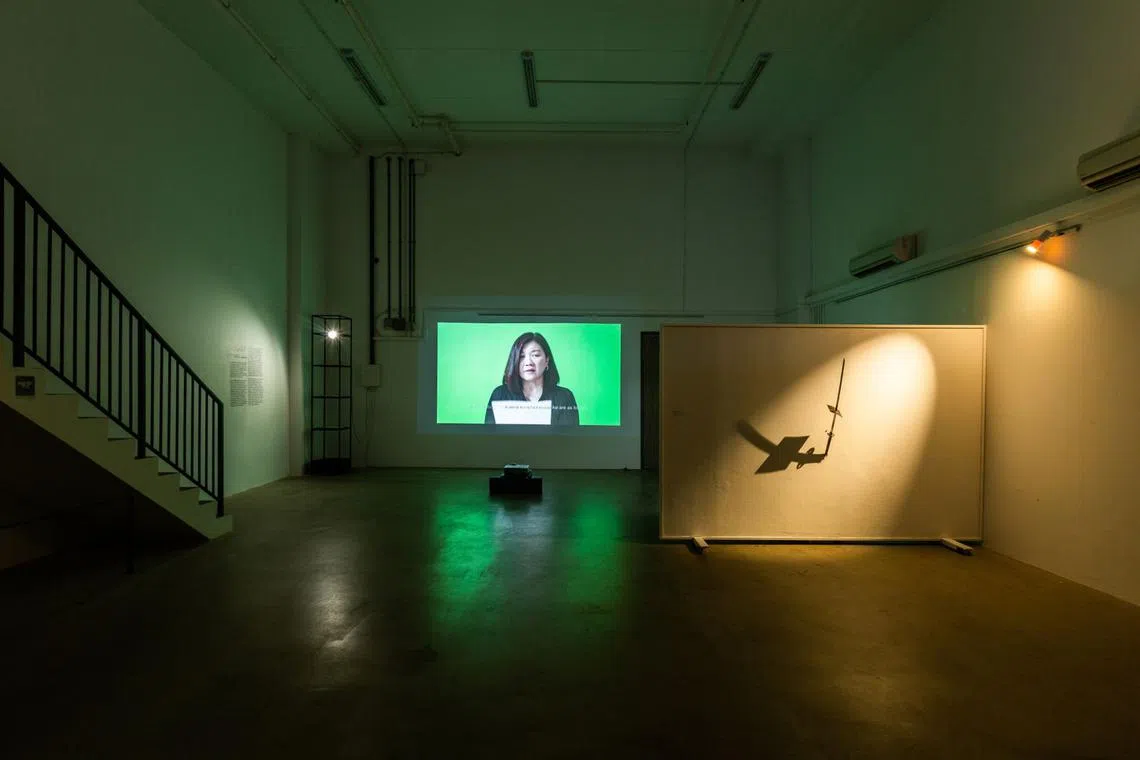
At Singapore Art Week this year, she staged another well-received show, which she co-curated with Daniel Chong. Titled Bad Imitation (below), it looks at artistic attempts to replicate real-life objects - and comically failing.
Her collaborative spirit, wit and imagination earned her in February the IMPART Art Prize for an emerging curator.
Tan, who is also a practising textile artist, says: "I don't think I could be the curator that I am without having been an artist first. My practice informs the way I communicate with and treat fellow artists. And because I see a kinship there, it makes me want to support them and advocate for them by curating the shows that I do."
She typically works with young artists, especially women and LGBTQ artists. "I don't deliberately look for them. I just happen to enjoy their practices and follow them on social media. And after admiring their commitment to material explorations and engagement - or even obsession - with certain ideas, it feels natural for me to have them in my shows."
The 31-year-old grew up in an arts-loving family who often went to the theatre, cinema and museum. She became interested in pursuing art after visiting various editions of the Singapore Biennale, and went on to obtain a Bachelor in Fine Arts at the School of Visual Arts in New York, and then a Master of Arts in Contemporary Art Theory at Goldsmiths, University of London.
One challenge of practising art in Singapore is that "we don't really have diverse funding avenues, and we're quite reliant on state funding - which, of course, comes with strings. And these often impose a certain kind of constraint or expectation on the artist, which might, in some cases, deter them from innovation and experimentation.
"Of course, that's not to say constraints can't lead to interesting works too. But one does wish for more private avenues of funding, which, as it stands in Singapore, are few and far between."
Appreciation of contemporary art is still nascent in Singapore, she says, but expresses hope that it will grow in time. "In Singapore, everything is kind of systematic, everything has more or less clear answers. But with art, one needs to have patience, the ability to kind of sit with the work and contend with questions that don't have clear answers, and perhaps the humility to try and meet the artist halfway."
To all the women who have led the way, happy International Women's Day. For a limited time only, purchase a Business Times subscription and receive up to S$80 worth of Grab Ride vouchers. Find out more at btsub.sg/btgrab
Decoding Asia newsletter: your guide to navigating Asia in a new global order. Sign up here to get Decoding Asia newsletter. Delivered to your inbox. Free.
Copyright SPH Media. All rights reserved.
TRENDING NOW

Nvidia reinstates Jensen Huang as CEO; Trump says move poses no national security risk

Indonesia’s coal tycoon Low Tuck Kwong replaced as Bayan Resources president-director

Nvidia surges 33% after reinstating Jensen Huang, reviving AI trade; stocks soar in US and Europe

Consider lowering homeownership barriers for some non-resident foreigners

