

The Fifa World Cup is supposed to inspire hope and unity. This one feels different
The event will break records in terms of attendance, viewing figures and revenue; there is also uncertainty and apprehension
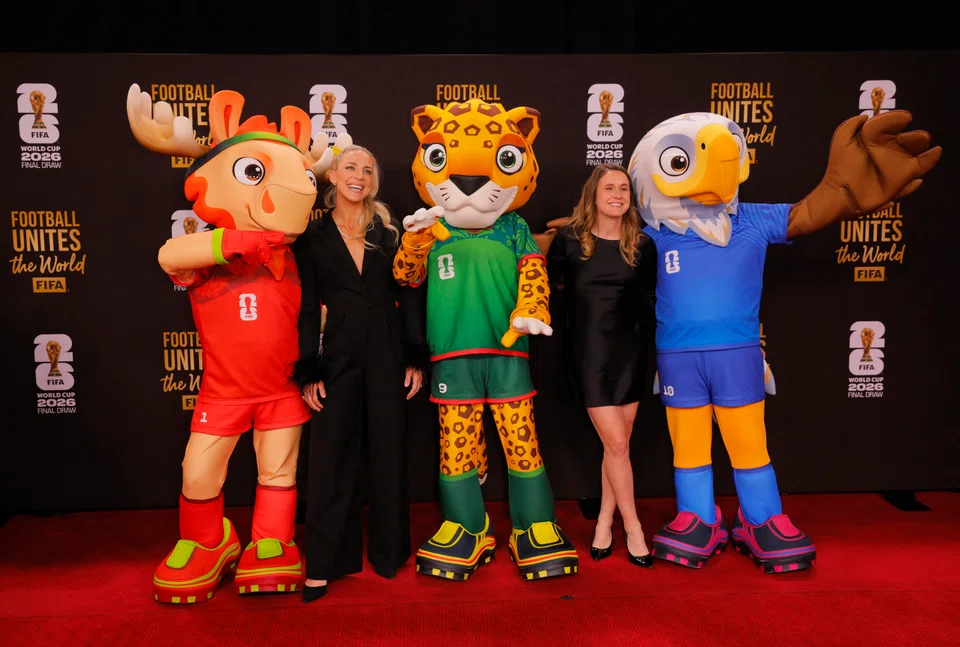
[NEW YORK] There are less than 100 days to go until the biggest Fifa World Cup in history – a 48-nation extravaganza, 104 games in 16 cities across the United States, Canada and Mexico over 39 days of what promises to be an unforgettable summer.
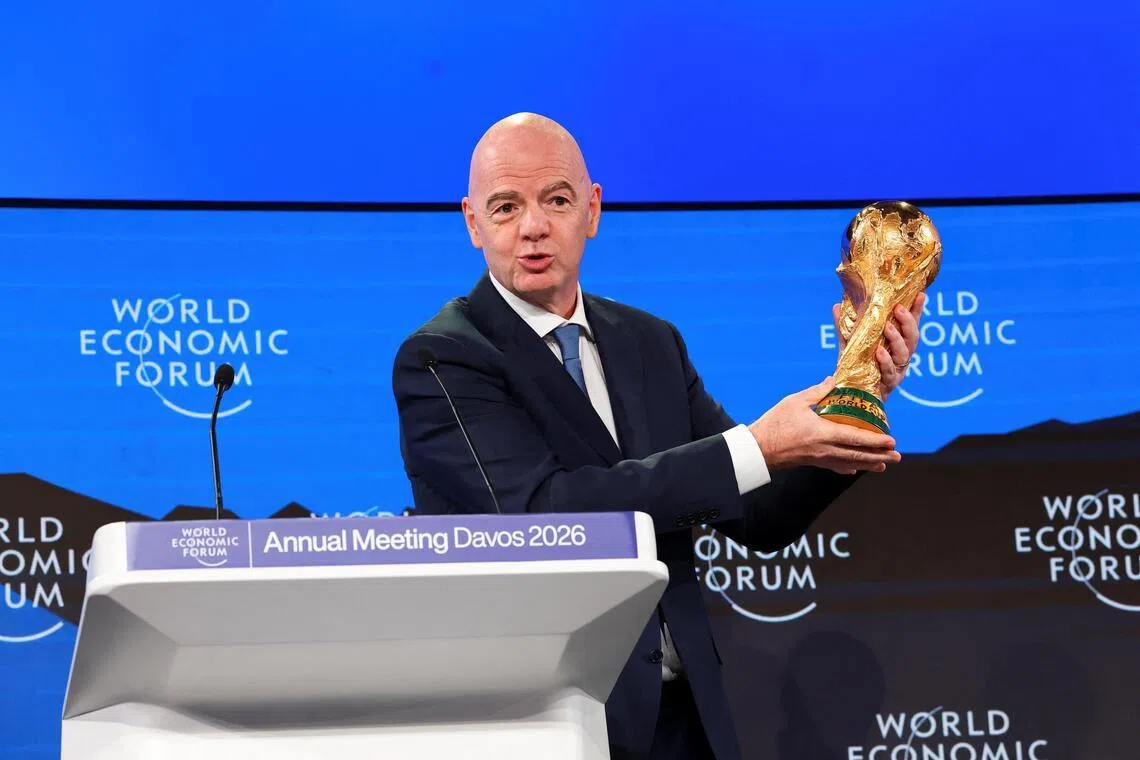
Fifa president Gianni Infantino is calling it “the greatest event that humanity, mankind, has ever seen and will ever see” – and, in terms of the numbers, it really might be. He claims six billion people – almost three-quarters of the world’s population – will engage with the tournament in one way or another.
Marvel at the enduring genius of Lionel Messi and Cristiano Ronaldo, the goal-scoring prowess of Erling Haaland and Kylian Mbappe, and the youthful brilliance of Estevao and Lamine Yamal. Prepare to be amazed by the underdog stories of Curacao, Haiti, Cape Verde, Jordan and Uzbekistan.
Brace yourself for interference, disruption and turmoil. This is an event that threatens to be even more politically charged than the past two World Cups, in Russia in 2018 and Qatar in 2022.
Not so long ago, the greatest concerns about the tournament surrounded heightened tensions between the US and its neighbours and co-hosts, Canada and Mexico. Those fears were overtaken by Washington’s crackdown on immigration, which raised the prospect of fans from four qualifying countries (Senegal, Ivory Coast, Haiti and Iran) being denied visas.
Then came US President Donald Trump’s threat to annex Greenland, causing tensions with Denmark and much of the European Union. In January, two civilians were killed by US federal agents in separate incidents in Minneapolis, prompting widespread protests against the deployment and tactics of US immigration and customs agents.
In February, there was an escalation in the battles between the Mexican government and drug-trafficking cartels, notably in Guadalajara, one of the tournament’s host cities.
Last weekend brought more shock waves with the US and Israel’s joint military operation against Iran, a series of airstrikes that Trump said would “defend the American people by eliminating threats”
Iran responded with strikes on US military bases in Bahrain, Iraq, Jordan, Kuwait, Qatar, Saudi Arabia and the United Arab Emirates, deepening fears and tensions across the Middle East. It was later confirmed that Iran’s supreme leader Ali Khamenei had been among many people killed in the strikes.

Big kickoff
The World Cup will begin on the morning of June 12 (Singapore time) when Mexico plays South Africa at the 83,000-seater Aztec Stadium in Mexico City.
Canada will begin its campaign a day later in Toronto. The US will begin against Paraguay in California later that evening. But whether Iran will take its spot in Group G, along with Belgium, Egypt and New Zealand, is unclear.
An Iranian boycott might be welcomed in some quarters, but it speaks volumes that in January, some European football associations found themselves discussing a potential boycott in case the Greenland situation should escalate over the months ahead.
The German Football Federation released a statement saying that a boycott was “currently not under consideration”, citing the “unifying power of sport and the global impact that a football World Cup can have”.
On the field, there is so much to look forward to. But there is also cause for apprehension.
Scare stories before major sporting events are nothing new. Every recent World Cup has been preceded by months of panicked reports about what awaits visiting fans. In South Africa in 2010 and Brazil in 2014, the reports were all about threats to personal safety away from the stadiums. Before 2018, in Russia, there were concerns about racism and hooliganism.
The buildup to Qatar in 2022 brought a sharp and necessary focus on the conditions faced by migrant workers who had built the stadiums and infrastructure required to host the tournament, and LGBTQ rights in the country.
The political climate is so very different from that of a decade ago when the US, Canada and Mexico began their united bid to host the 2026 tournament, pledging to “use sport to transform lives and communities”.
The bid was built around three pillars: unity (three nations “united as one … more than neighbours, we are partners”); certainty (“low risk and operational certainty”); and opportunity (to “enhance and propel football forward for generations to come”).
The hope is that once the action starts, the tournament will take centre stage.
Passion, joy, togetherness
Geographically and emotionally, football brings people together. It reaches parts that other initiatives cannot. Anyone lucky enough to have attended a World Cup has stories to tell about the joy and conviviality they have witnessed.
The World Cup represents passion, joy, togetherness. In a divided world, it offers an escape. This summer, at least four nations (Cape Verde, Curacao, Jordan and Uzbekistan) will appear on the World Cup stage for the first time, while two of the game’s greats, Messi and Ronaldo, will do so for the last time. They will dream, like everyone else, that their campaign will end in glory after the final in New Jersey on July 19.
In terms of attendance, viewing figures and revenue, it will break records. That is among the few certainties that surround a World Cup that will be far bigger than any other since the competition began in 1930. In so many other ways, there is uncertainty and apprehension as the clock ticks and the world, in a state of heightening anxiety, waits. NYTIMES
Decoding Asia newsletter: your guide to navigating Asia in a new global order. Sign up here to get Decoding Asia newsletter. Delivered to your inbox. Free.
Share with us your feedback on BT's products and services






