

Financing the energy transition in Asia
Public finance will continue to be instrumental, but private finance will also have significant roles to play.
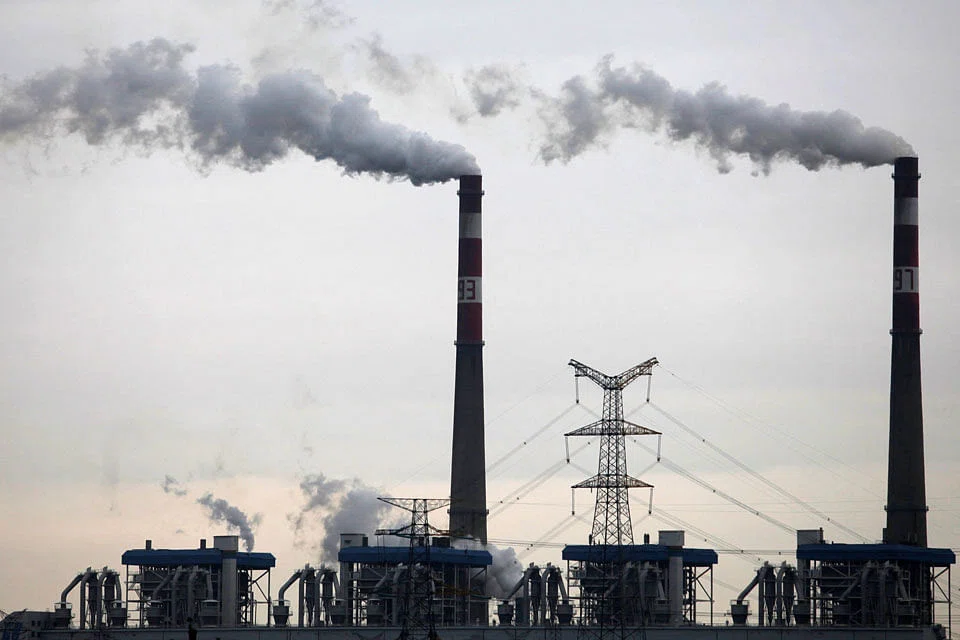
CLIMATE change is a global threat and energy consumption is the main source of human-induced greenhouse gas emissions. Where more than half of the world's population resides, Asia consumes over 40 per cent of global energy while releasing over half of global carbon emissions as of 2020. As the region prepares for the next wave of development, energy transition will be critical in the fight against climate change.
This energy transition needs to be multifaceted - bridging the gaps of public-private financing, electricity access and stability, training and reskilling of workers, and other socio-economic issues - all as Asia maneuvers the delicate balance of economic development, climate ambitions and energy security.
Progress of energy transition
Asia has made good progress towards energy transition over the past decade. Asia's Energy Transition Index (ETI) for 2021 - a benchmark measure of a country's energy transition progress based on the current energy system and transition readiness - has improved at the fastest rate of 6 per cent over the past decade, surpassing all other regions in the world.
At the same time, an increasing number of countries in Asia are announcing more aggressive climate pledges. In 2020, South Korea and Japan pledged to achieve "net zero" by 2050, which have been legally enshrined into their respective laws. Shortly after, China announced plans to peak its carbon emissions by 2030 and become carbon-neutral by 2060. Just recently, Singapore also announced a new target of reaching "net zero" "by or around mid-century" during its annual Budget.
However, the current pledges made by countries still leave room for further enhancement, including addressing the role of coal and its phase-out.
From coal to renewable energy
Compared to other parts of the world, Asia faces a sticky problem - coal makes up about half of the region's energy mix. In certain markets, coal is still subsidised by governments, and a coal exit should encompass phase-out from coal projects together with the removal of any policy support.
Another problem is the risk of stranded assets, as coal-fired power plants in Asia are relatively young at 13 years on average, way below the average age of 30-40 years in developed markets.
While coal phase-out is a major step in energy transition, this should be coordinated with sustained expansion of renewable energy. The falling cost and increasing availability of clean energy solutions offer tremendous opportunities in renewable energy expansion where solar and wind are leading the growth in Asia.
Across Asia, power generation is often state-owned or affiliated with a monopoly or oligopoly position for national interest and security reasons. With the ambition to expand renewable energy aggressively, countries need to start allowing private sector financing and other market players to come into the picture. An example of this is in Vietnam, where its electricity law was amended to allow for private sector investment in power infrastructure.
Innovative solutions and regional collaboration are necessary to support this transition. The Energy Transition Mechanism (ETM) announced by the Asian Development Bank (ADB) at COP26 aims to retire nearly 50 per cent of coal-power plants in Indonesia, the Philippines and Vietnam within the next 15 years.
The Asean Power Grid - an initiative to connect the region and create an integrated South-east Asia power grid system - enhances grid accessibility on a regional level. We have also seen the popularity of corporate renewable power purchase agreements (PPAs), where investors can engage companies to reduce their Scope 2 emissions.
Environmental and social risks of climate change
The fight against climate change also brings about inevitable risks. Asia stands out as one of the regions most exposed to physical climate risk, as millions of people are living in coastal areas. On the social front, the United Nations estimated that climate change could force an additional 120 million people into poverty by 2030. Ensuring that the transition is inclusive and equitable will require coordinated efforts where key stakeholders must take into account both environmental and social issues.
Embarking on a rapid energy transition in Asia could also lead to job transformation, replacement or loss if not planned properly. Government efforts are necessary to encourage the development of alternative industries and creation of jobs to avoid hollowing out communities in need.
At the same time, based on the International Labour Organization's research, the green economy could see net job creation of some 14 million in Asia. With Asia's relatively nascent renewable energy market and the need to reskill and upskill the existing large workforce, more and more countries and businesses have these initiatives as top priorities in employment development.
Financing the energy transition
Lastly, we cannot look at energy transition without factoring in costs. Energy transition requires a massive increase in clean energy investment. According to the International Energy Agency (IEA), clean energy investment needs to expand by more than 7 times to above US$1 trillion under a net-zero scenario by 2050.
Although climate financing has accelerated with the types of instruments available, it is still short of the US$100 billion a year commitment made at COP15. Public finance will continue to be instrumental in Asia, but private finance will also have significant roles to play in climate financing.
A possible solution is the introduction of green bonds, use-of-proceed bonds that fund eligible projects with positive climate and environmental benefits. Green bond issuance from issuers in Asia has reached a milestone of more than US$100 billion in 2021. Singapore's commitment during Budget 2022 to issue S$35 billion of green bonds will likely give green financing in the region a further boost.
A collective effort
Climate transition in Asia has its distinct challenges. Balancing economic development, climate actions, and social inclusion will be critical to ensure a just transition pathway that leaves no one behind.
Building a conducive policy environment and directing capital and funding into clean energy areas are essential to achieve climate goals. This will require a global effort and support from all stakeholders - from developed to developing countries, from public to private sectors, from communities to individuals - to reach shared goals.
The writer is senior sustainable officer of Amundi.
Decoding Asia newsletter: your guide to navigating Asia in a new global order. Sign up here to get Decoding Asia newsletter. Delivered to your inbox. Free.
Share with us your feedback on BT's products and services
TRENDING NOW
Easy to rent out, hard to sell: Are buyers losing interest in Singapore’s one-bedroom condos?

GovTech retrenches another 38 staff in second round of layoffs

Stocks to watch: Seatrium, CapitaLand Investment, Keppel DC Reit, Suntec Reit, CLCT, TSH Resources
World’s largest offshore wind platform by Seatrium consortium on track to be completed by 2028

