August and Kindling driving Jakarta’s dining renaissance
Young independent chefs are turning the Indonesian capital into a vibrant culinary hotspot
[JAKARTA] We were once told that the only way to taste the best Indonesian food in Jakarta was to be invited to someone’s home. Since no such invitation was forthcoming, there was never any compulsion to head to the capital city for any dining adventures.
Until now. The Jakarta fine-dining scene is on the rise, driven by young Indonesian chefs who have found their voices in the kitchen and are showing off to the world just what they are capable of.
August
The name August has been bandied around in F&B circles for the past couple of years – even more so after it became the first Jakarta restaurant to break into the Asia’s 50 Best Restaurants list.
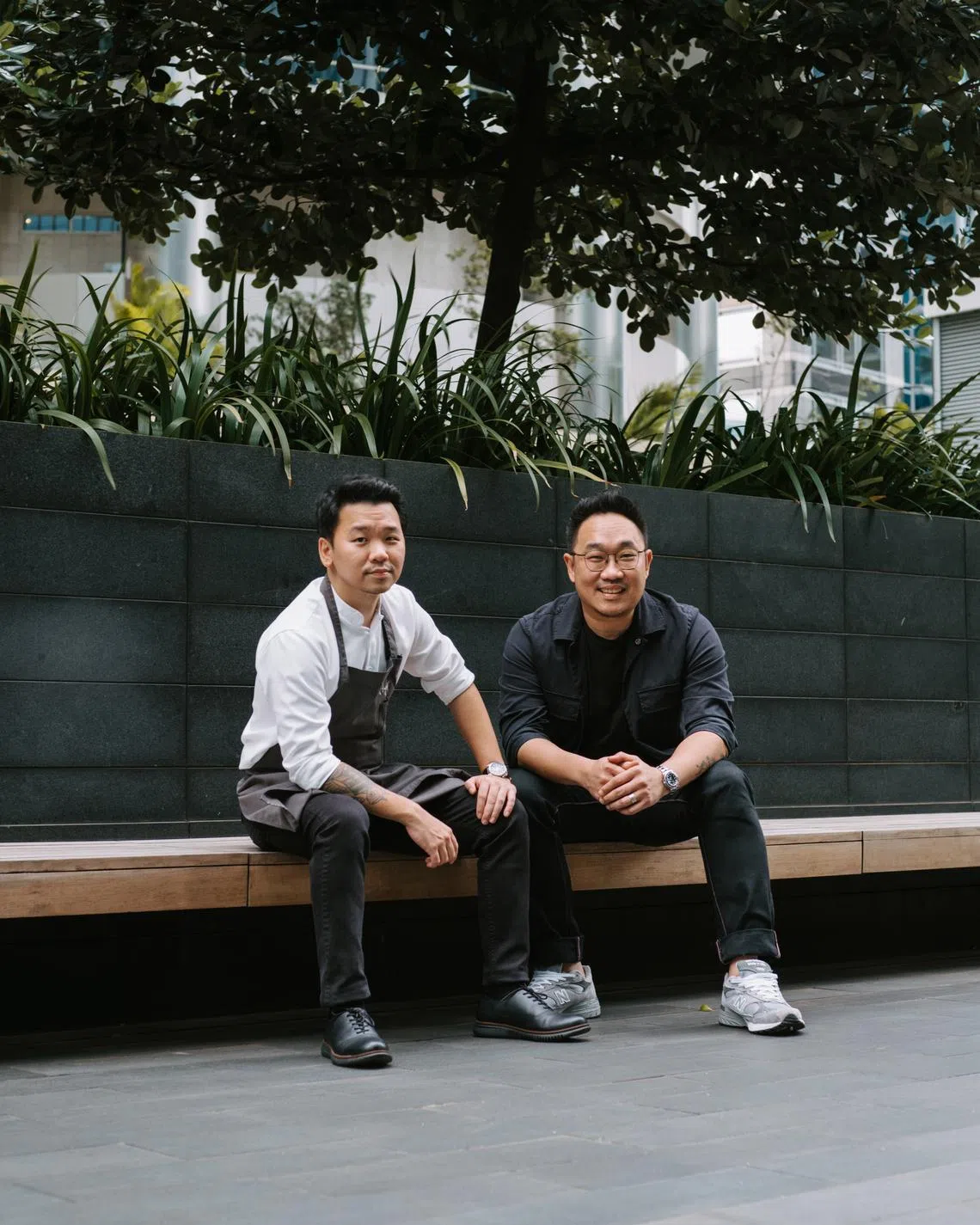
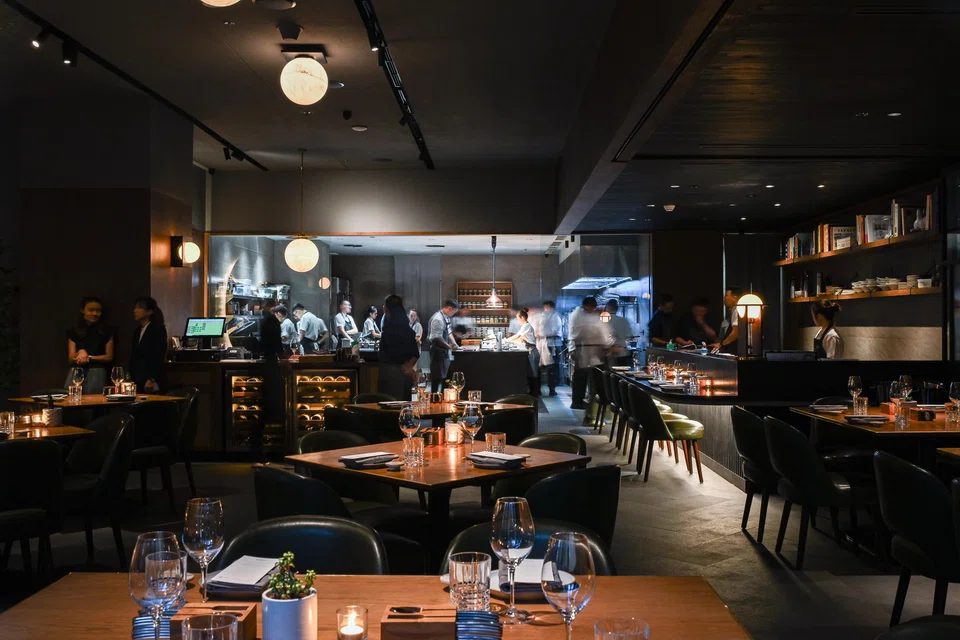
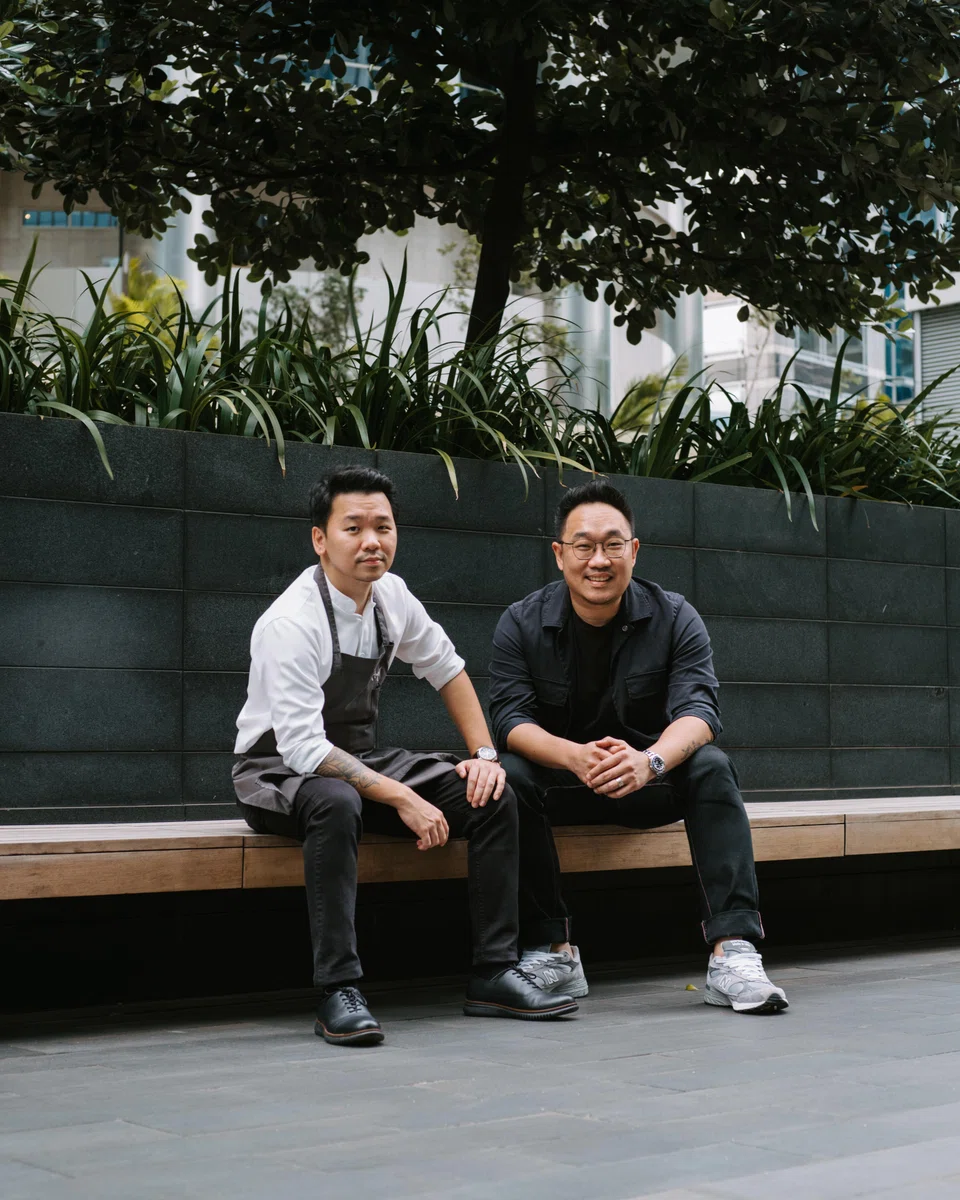
Located in the upscale Sequis Tower, August is a buzzing, Indonesian-centric modern eatery helmed by chef Hans Christian and his partner Budi Cahyadi.
Together, they serve up a winning combination of thoughtful cuisine and warm hospitality that easily equals – if not surpasses – any Michelin-starred restaurant in Singapore or Bangkok.
On top of that, fine dining in Jakarta costs a fraction of the equivalent in either city. A 15-course tasting menu clocks in at 1.7 million rupiah (S$124), with a non-alcoholic pairing at S$25 – hard to beat for the quality and skill that you get.
It is hard to imagine that Christian and Cahyadi took a leap of faith to open a restaurant that did not stick to the normal playbook of a French-European fine dining restaurant.
August opened in 2019 as a private dining concept to test the market, but soon found that they had a story that resonated with fellow Indonesians. The current restaurant opened in 2021.
“In the early days, the Indonesian influence was more subtle than it is today,” says Cahyadi. “But after a year, we saw how positively guests responded, and it gave us the confidence to lean further into our identity and more openly express Indonesian influences through local produce, spices and flavours.”

He adds: “We didn’t want to be just another Western restaurant. We wanted to champion Indonesian ingredients and flavours that are often overlooked in modern dining conversations, and present them with the same level of care, technique and respect as any globally celebrated cuisine.”
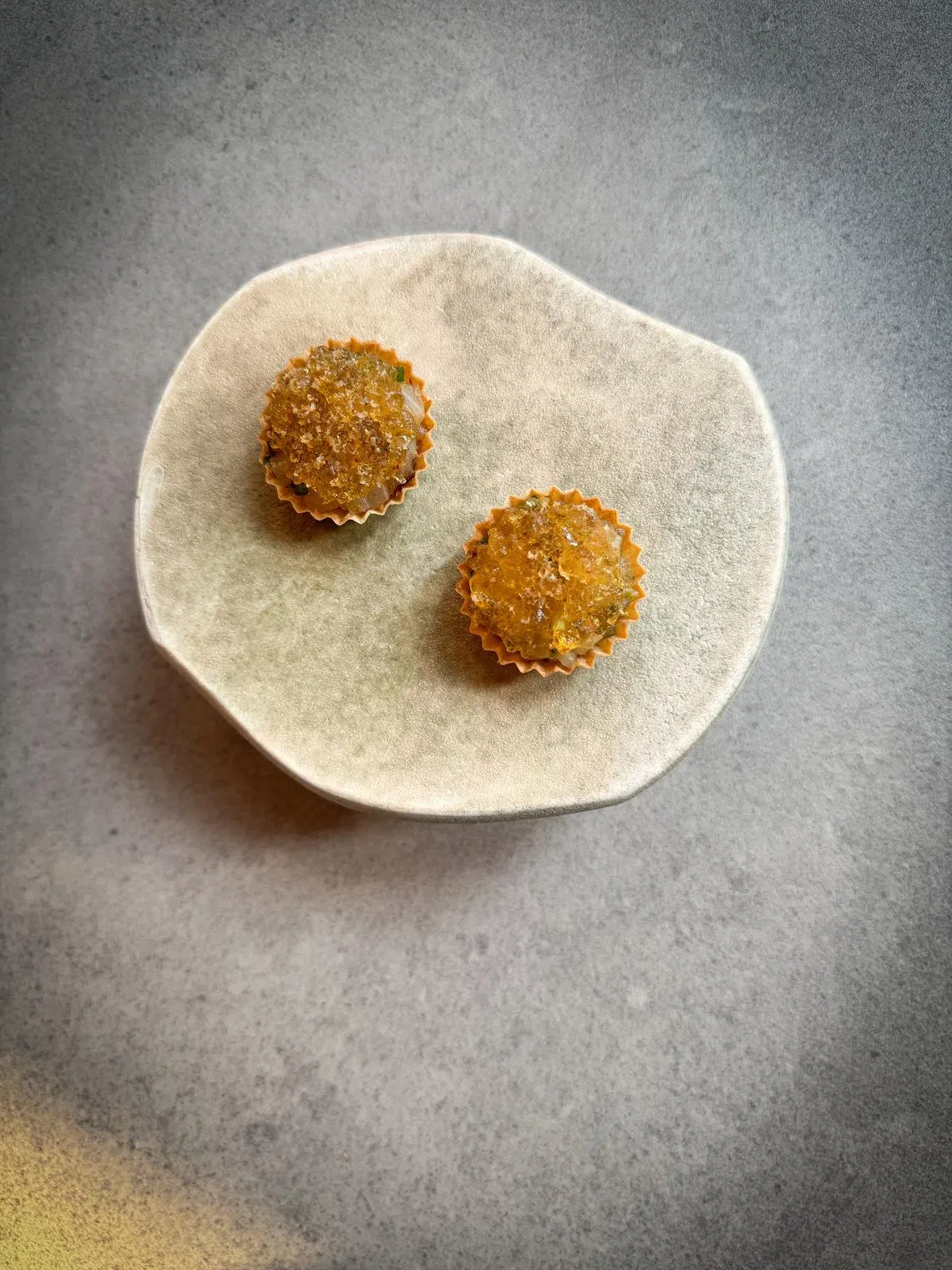
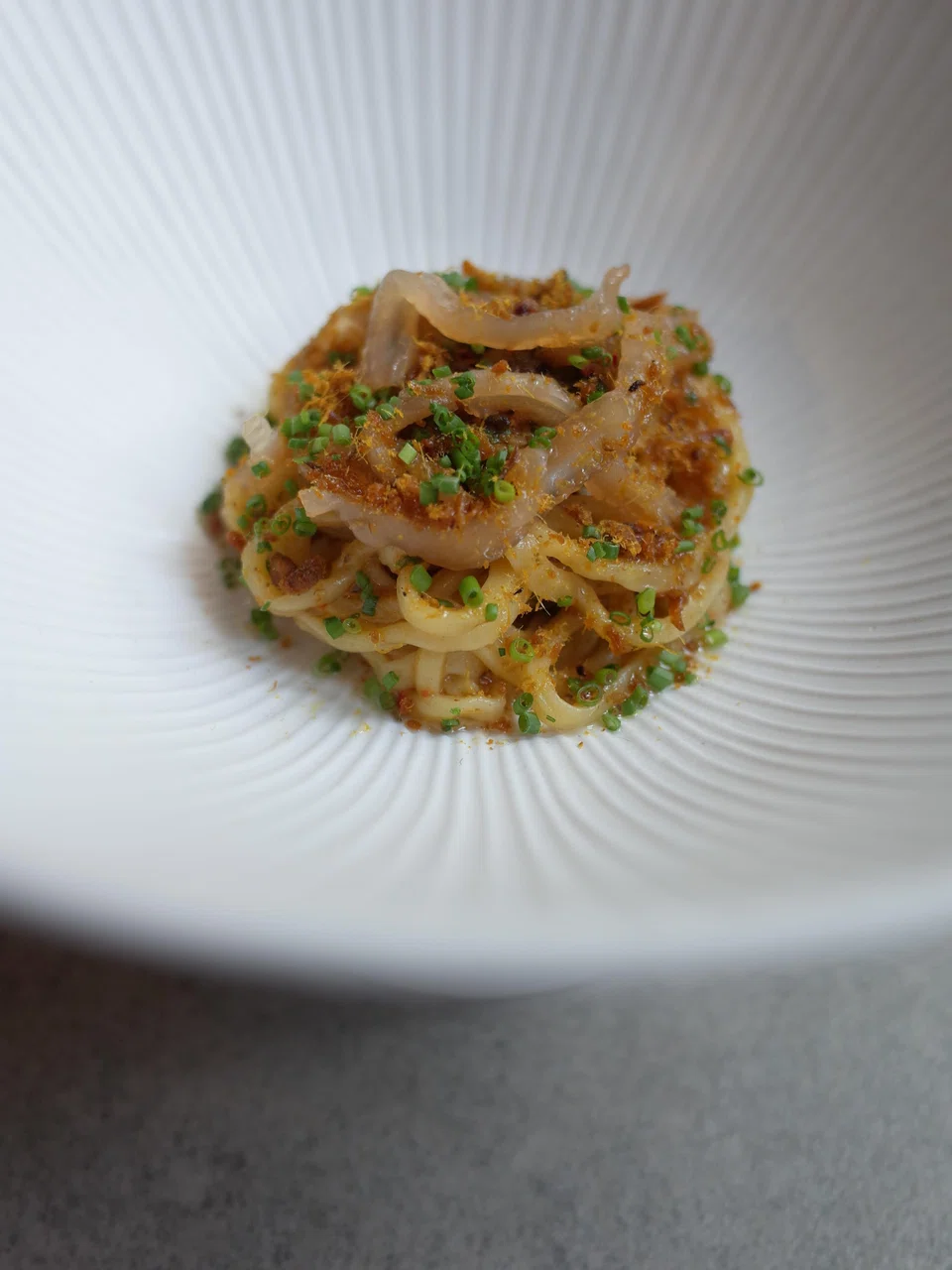
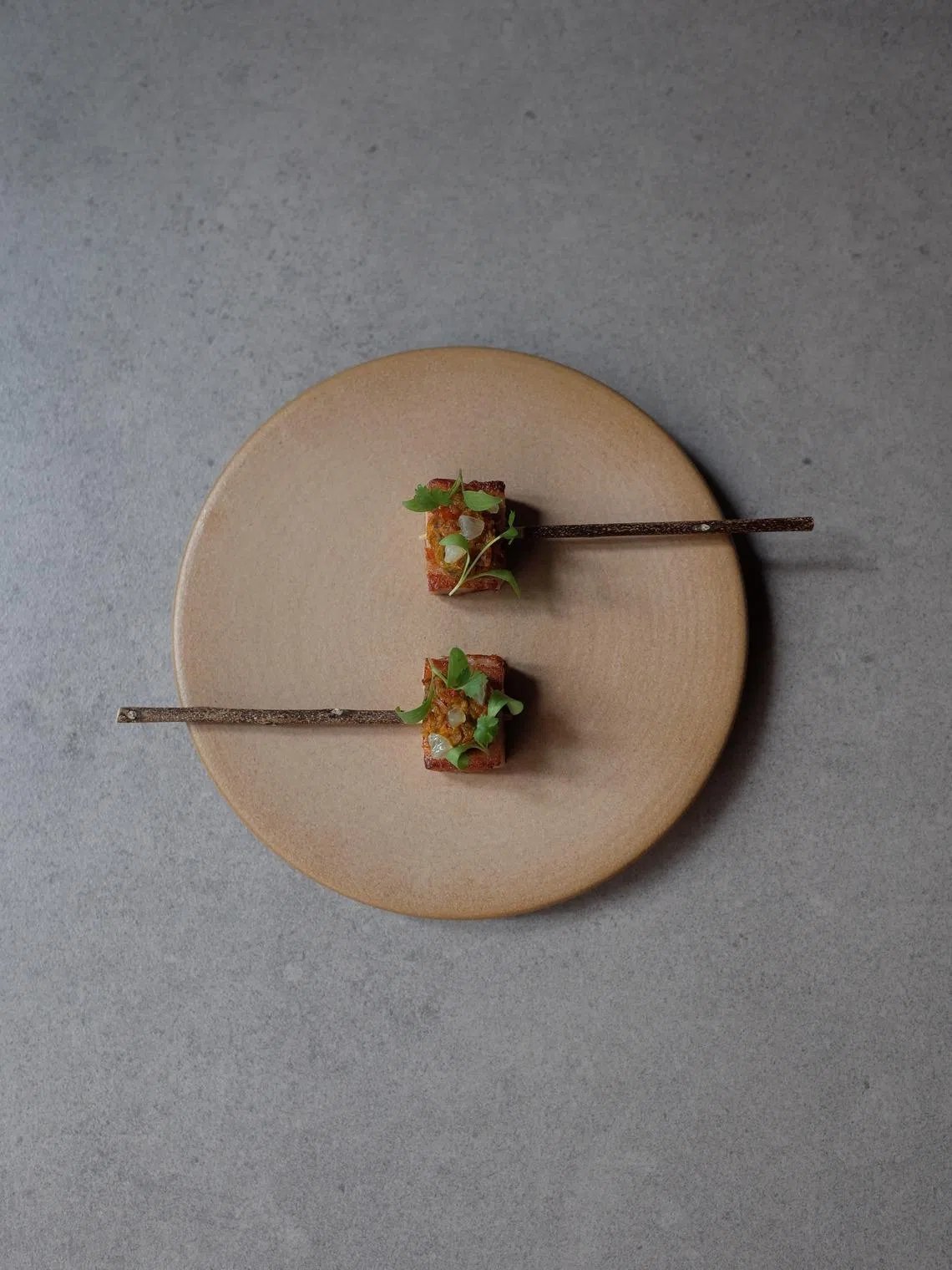
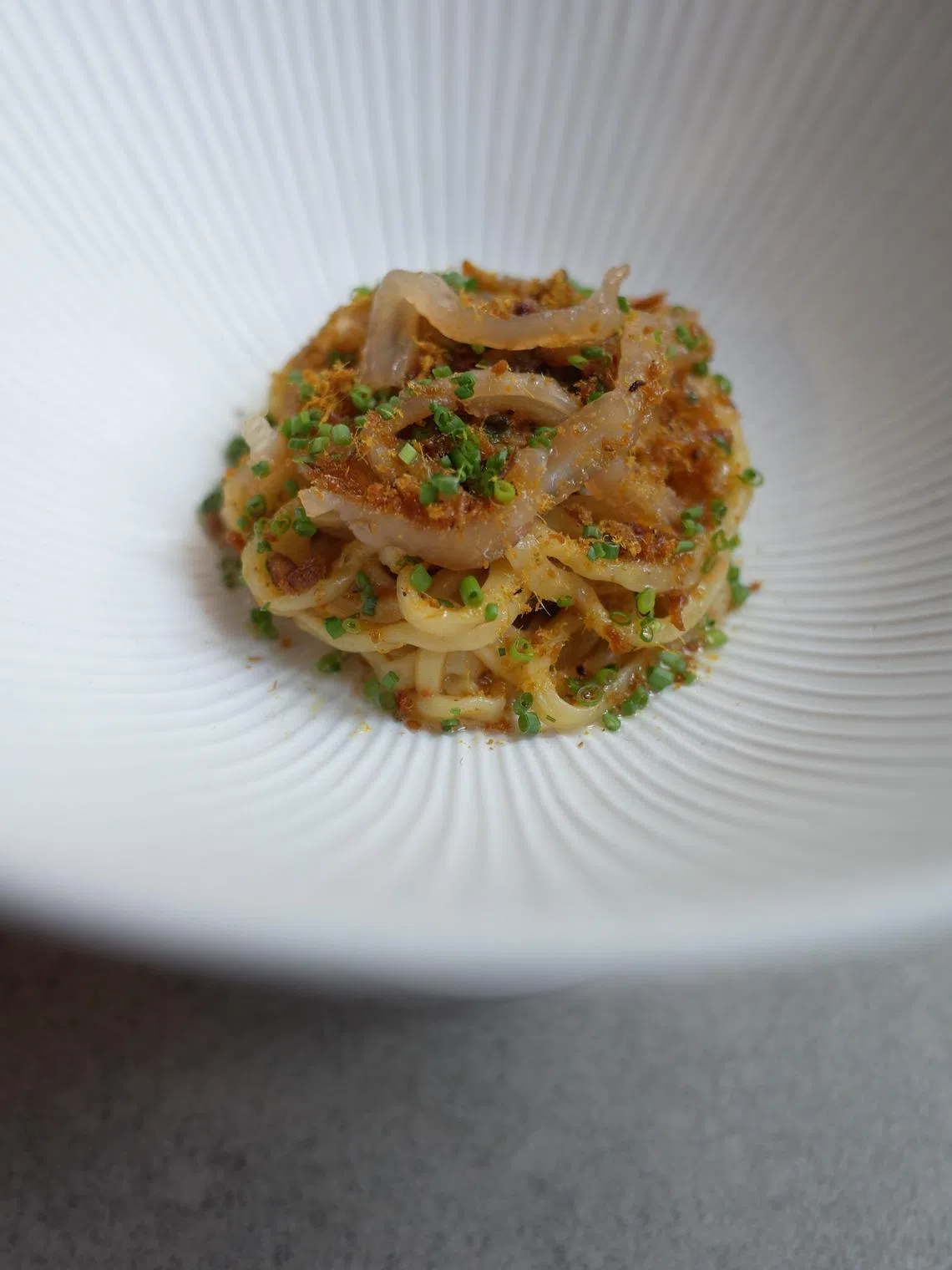
At a recent dinner, Christian served mazaraat bread – a soft milk bun filled with melted, slightly funky cheese by a local cheese producer Mazaraat – and chewy bakmi noodles tossed with jellyfish and smoked cakalang or local skipjack tuna.
The menu was full of unfamiliar flavours and ingredients, balanced with familiar techniques – a lovely evening of show, tell and taste.
His inspiration comes from all over, he says, such as a breadfruit and daikon dish inspired by agedashi tofu, using local ingredients pan fried in a batter and served with a Sumatran cuko sauce.
August’s guests are now half local and half foreign – a nod to Jakarta’s growing reputation as a dining destination.
“Traditionally, Jakarta has always been viewed more as a business city compared to Bali or Labuan Bajo,” says Cahyadi.
“Indonesia has always been clearly divided between business and leisure destinations, but as Jakarta’s dining scene continues to mature, it gives people more reasons to spend time in the city and explore its culinary culture.”
Kindling
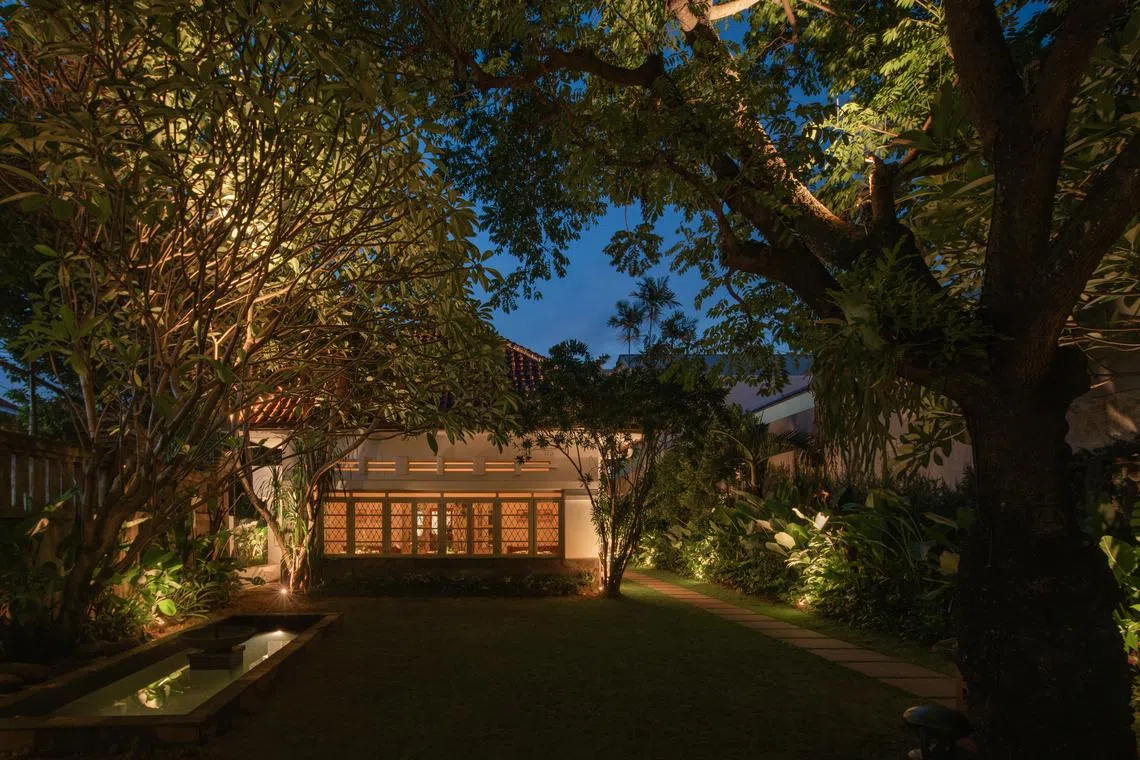
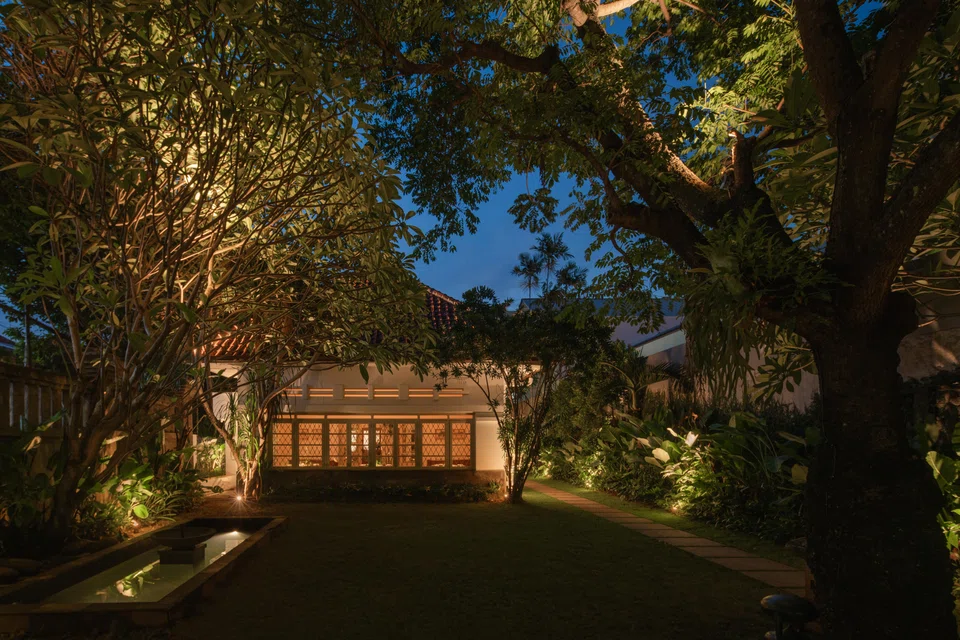
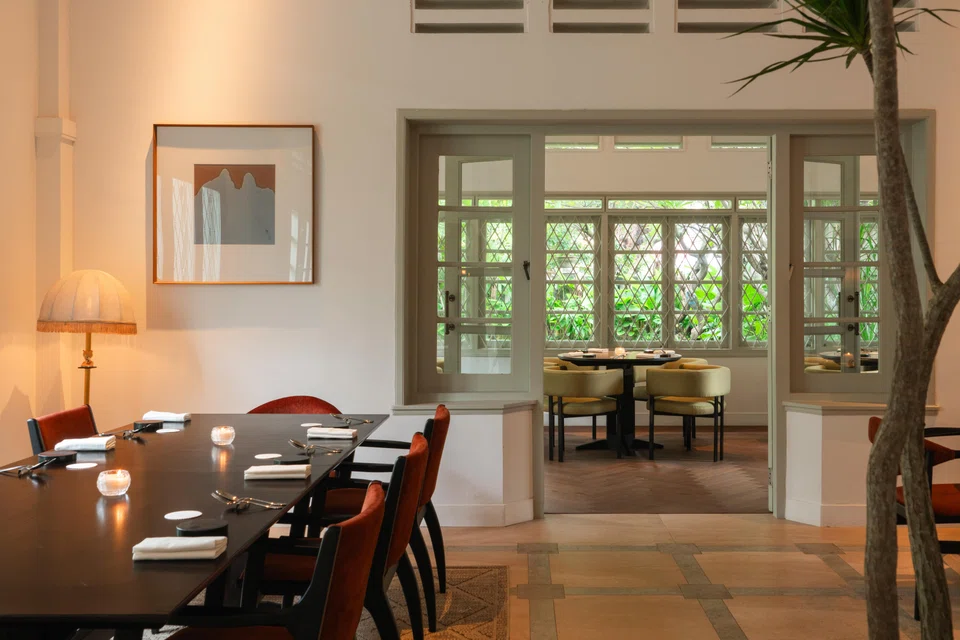
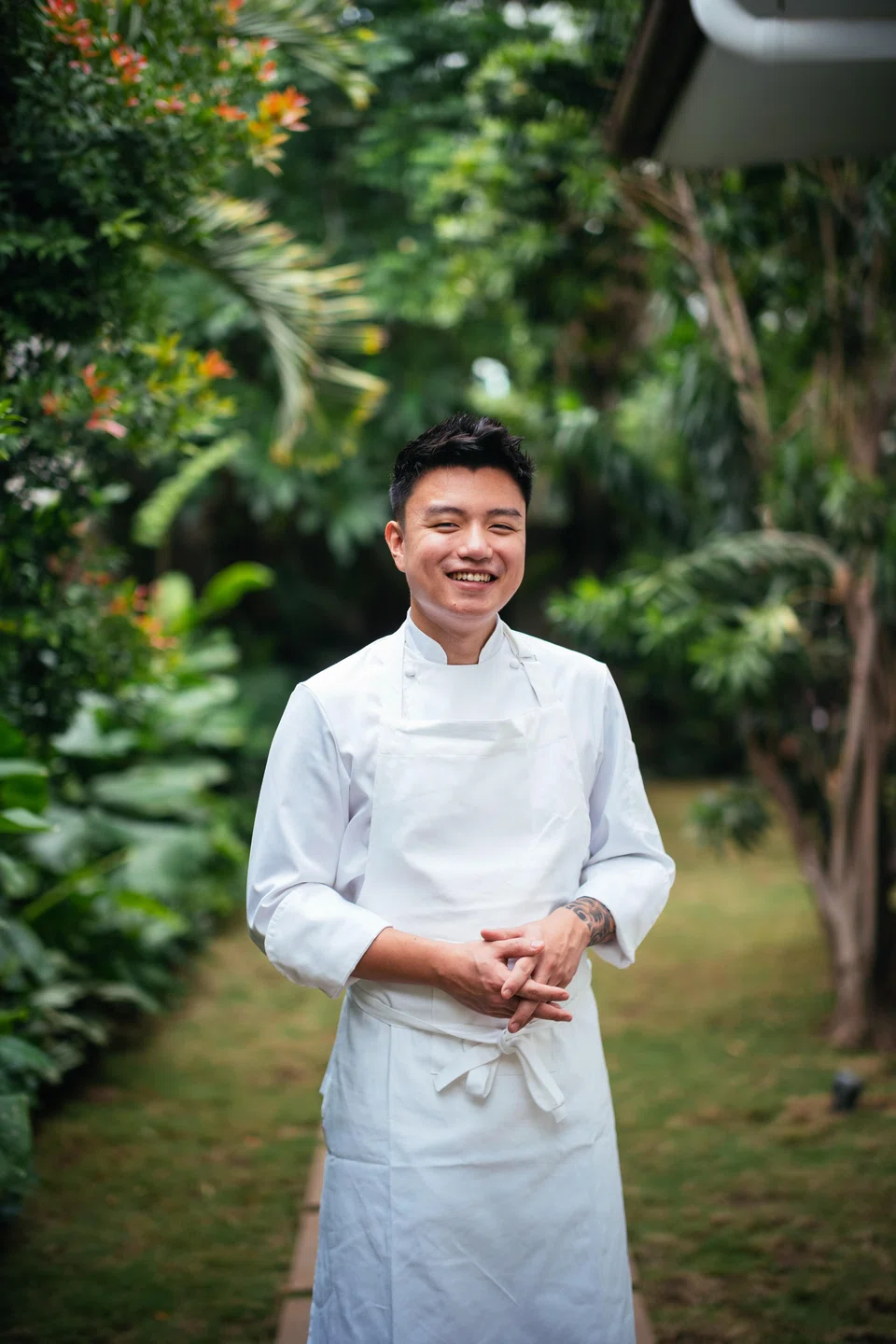
Compared to the city slickness of August, Kindling feels more like a resort getaway with its lush, colonial-style bungalow in the trendy Menteng district. This is where Medan-born Vallian Gunawan presents what he describes as Indonesian-Chinese cuisine prepared with French techniques.
While that risks him going down the fusion fiasco route, Gunawan keeps things restrained with a refreshingly creative approach.
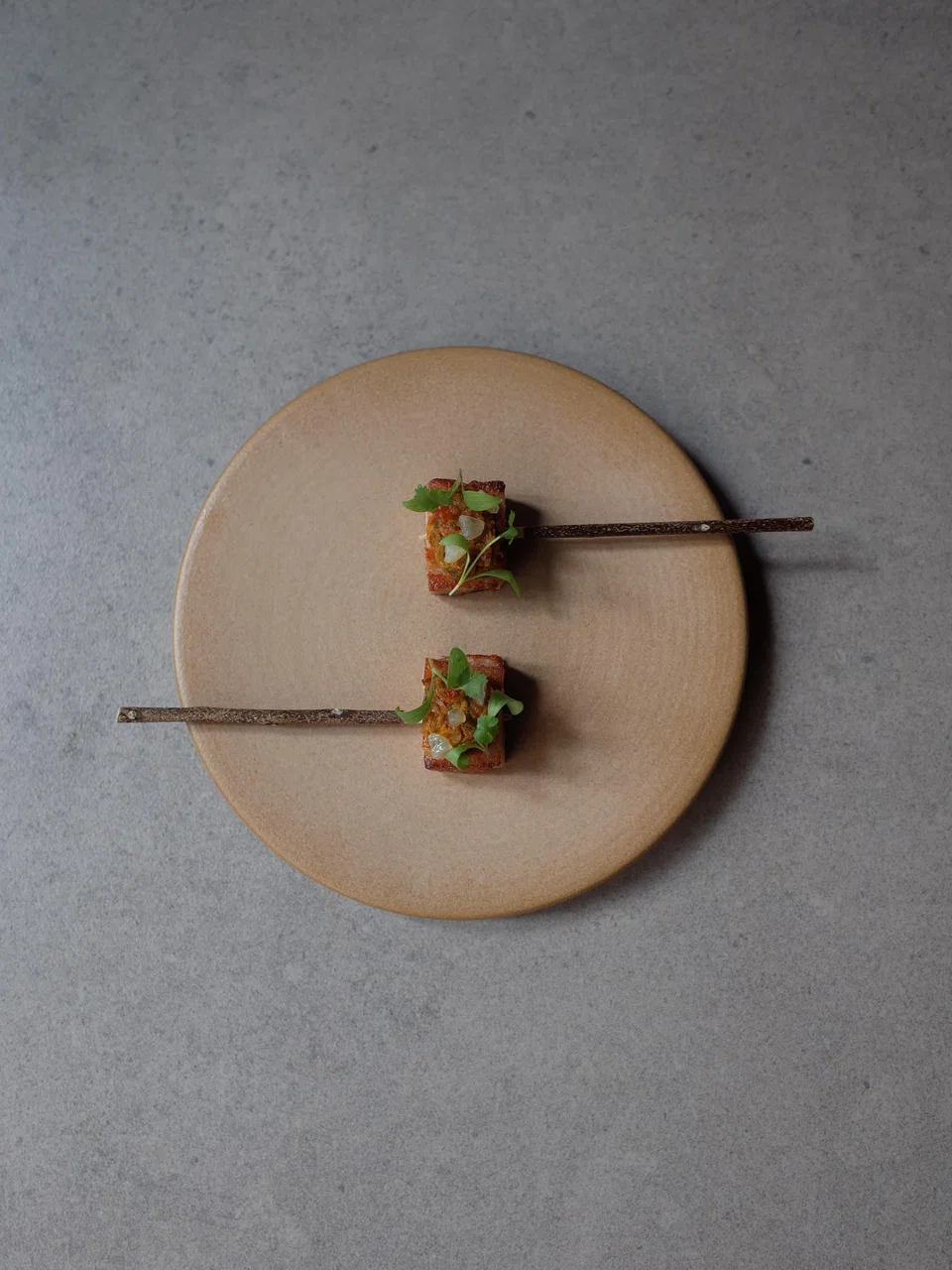
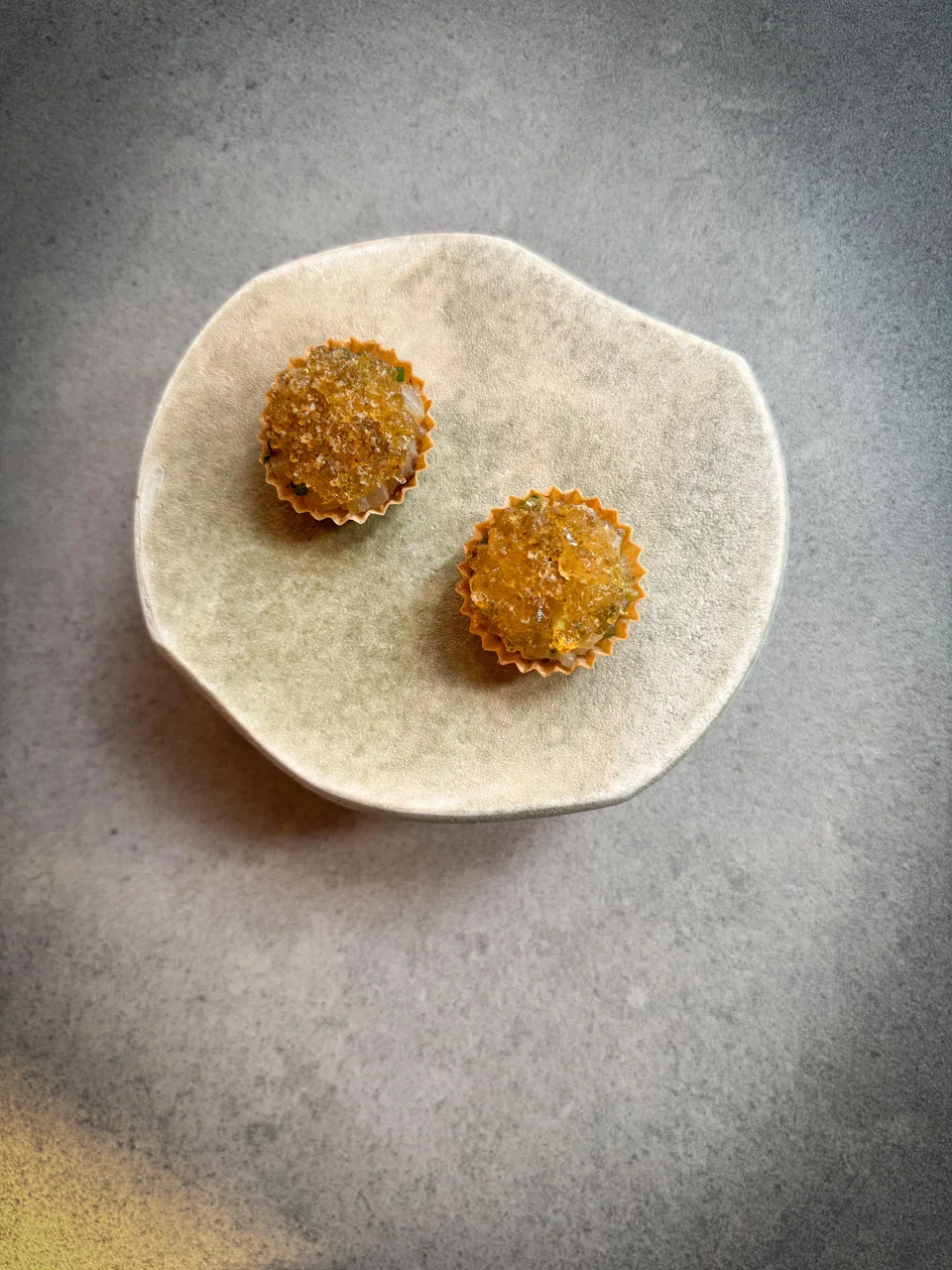
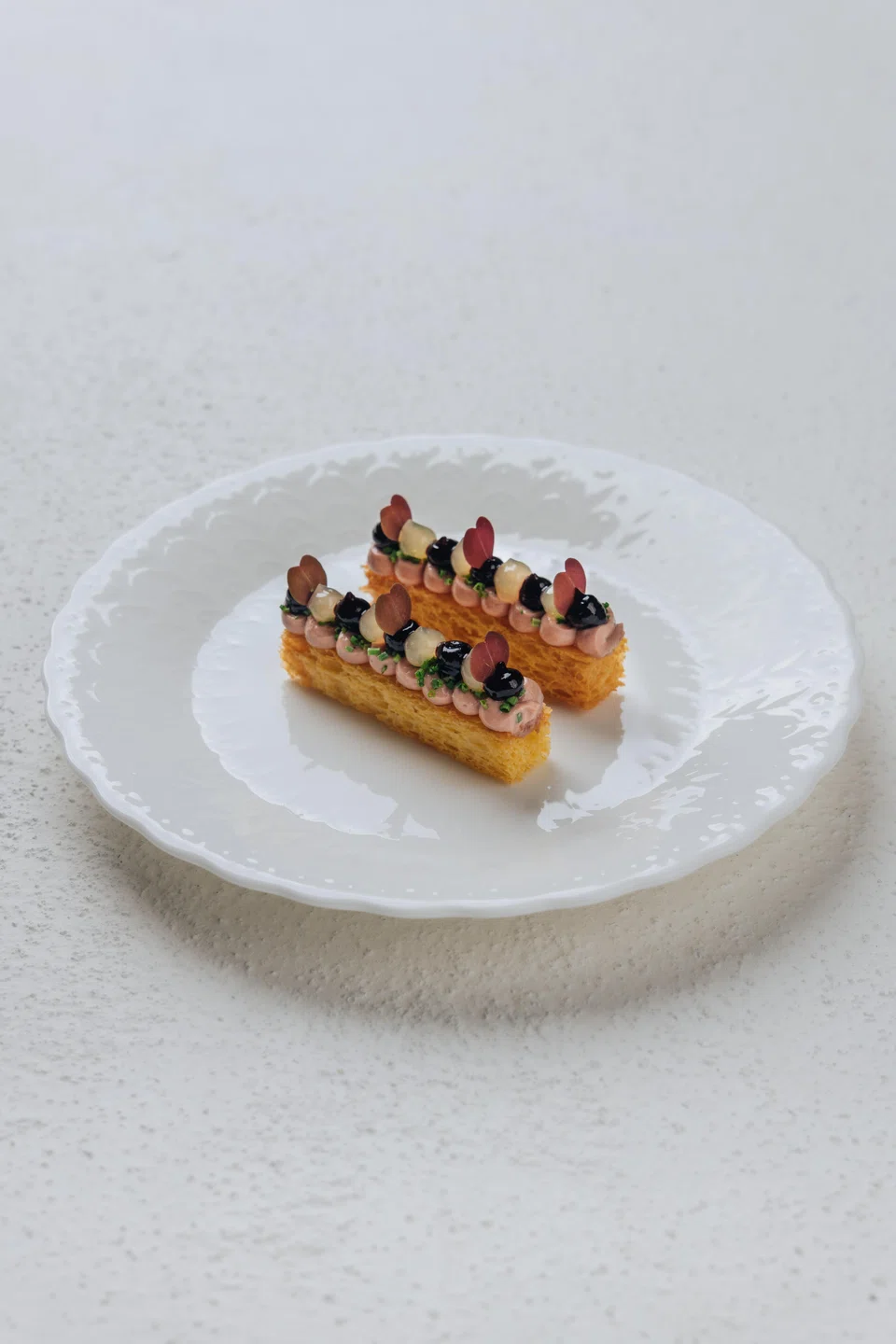
His years spent in Singapore show up in his use of carrot cake reinterpreted in crispy tart form, or Jeju abalone grilled in authentic char siew style. But there are also original ideas in a first course of firefly squid with crunchy asparagus and fermented water chestnut, and a fluffy, savoury sweet glazed brioche served with chicken floss butter.
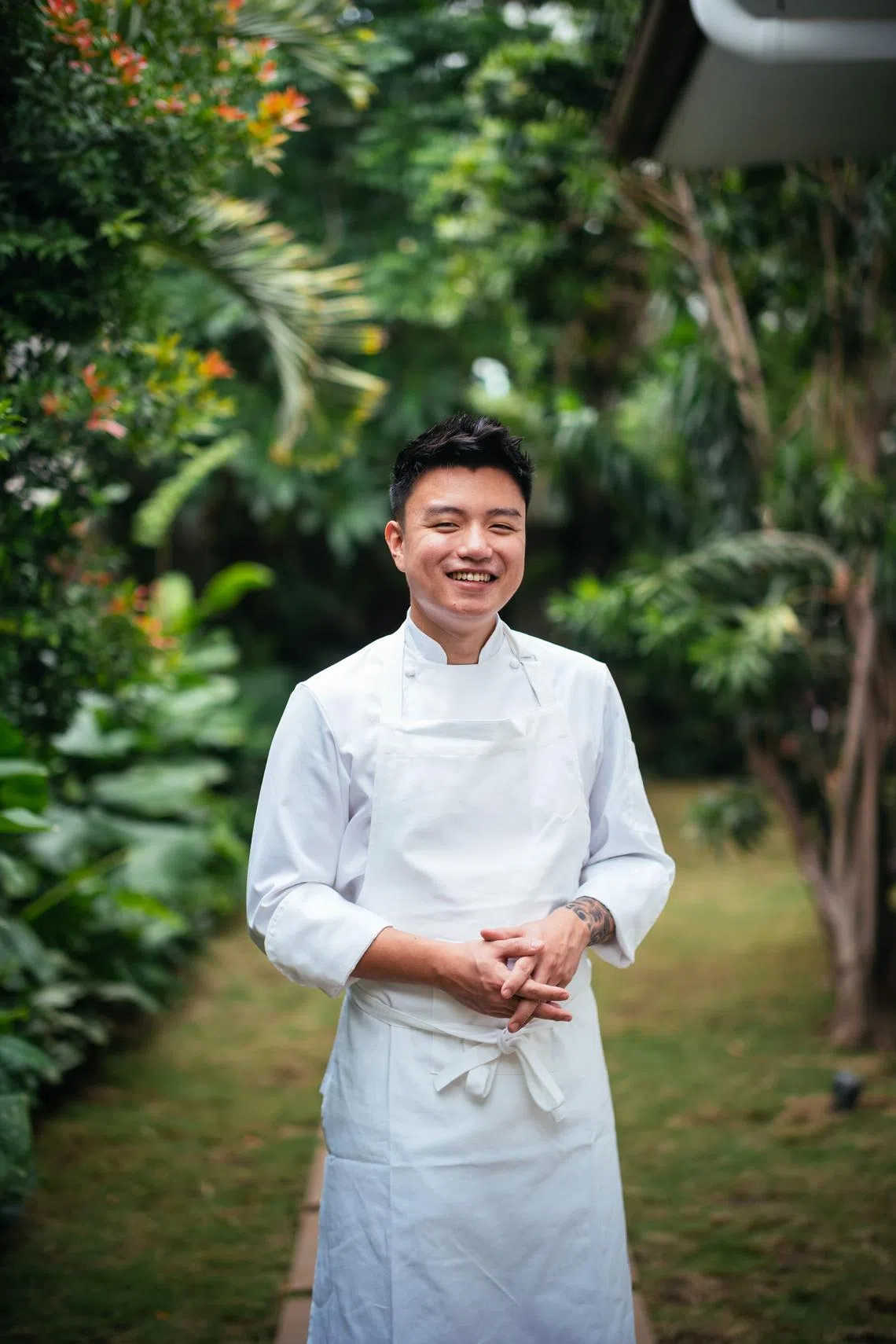
He also goes pleasingly off-kilter Chinese with his umami-amped crab chawanmushi topped with a crab roe sauce mixed with black moss, garnished with a ball of raw amaebi. And his version of pao fan is a rich chicken wing broth packed with fish maw and sea cucumber.
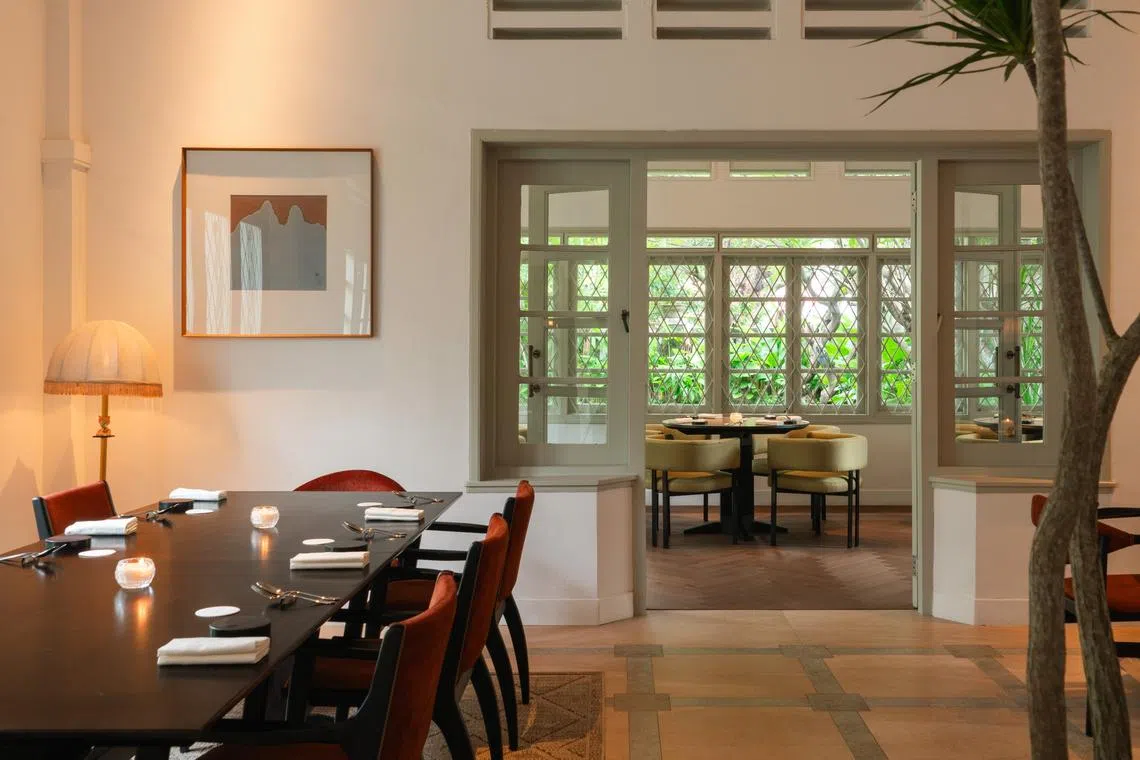
Playing an equally important role in the meal – also priced at around S$130 – is the space. It is demarcated into different areas much like a home, with snacks served in the front room before you are led into the living room for the actual meal. Dessert and petit fours are then served in a covered patio space.
Choosing to run his restaurant in a house was not a deliberate choice, says Gunawan, an alumnus of Singapore restaurants such as Odette and Saint Pierre. “I knew I didn’t want to run a restaurant located in a mall or high-rise building. This house is the first location we came to see and it felt right immediately.”
The house was built in 1900 and belonged to a family that was a pioneer in Indonesia’s optical industry. “The cuisine ties back to the feeling of comfort, of being home – and what eating at home feels like to us.”
It is also how his cooking gets its identity. “We kept it very personal. What sets us apart is that no one can replicate someone else’s life story, so in terms of cuisine, it’s my story. I’m born into a Chinese family, raised in Indonesia and Singapore, and I worked in French restaurants all my life.”
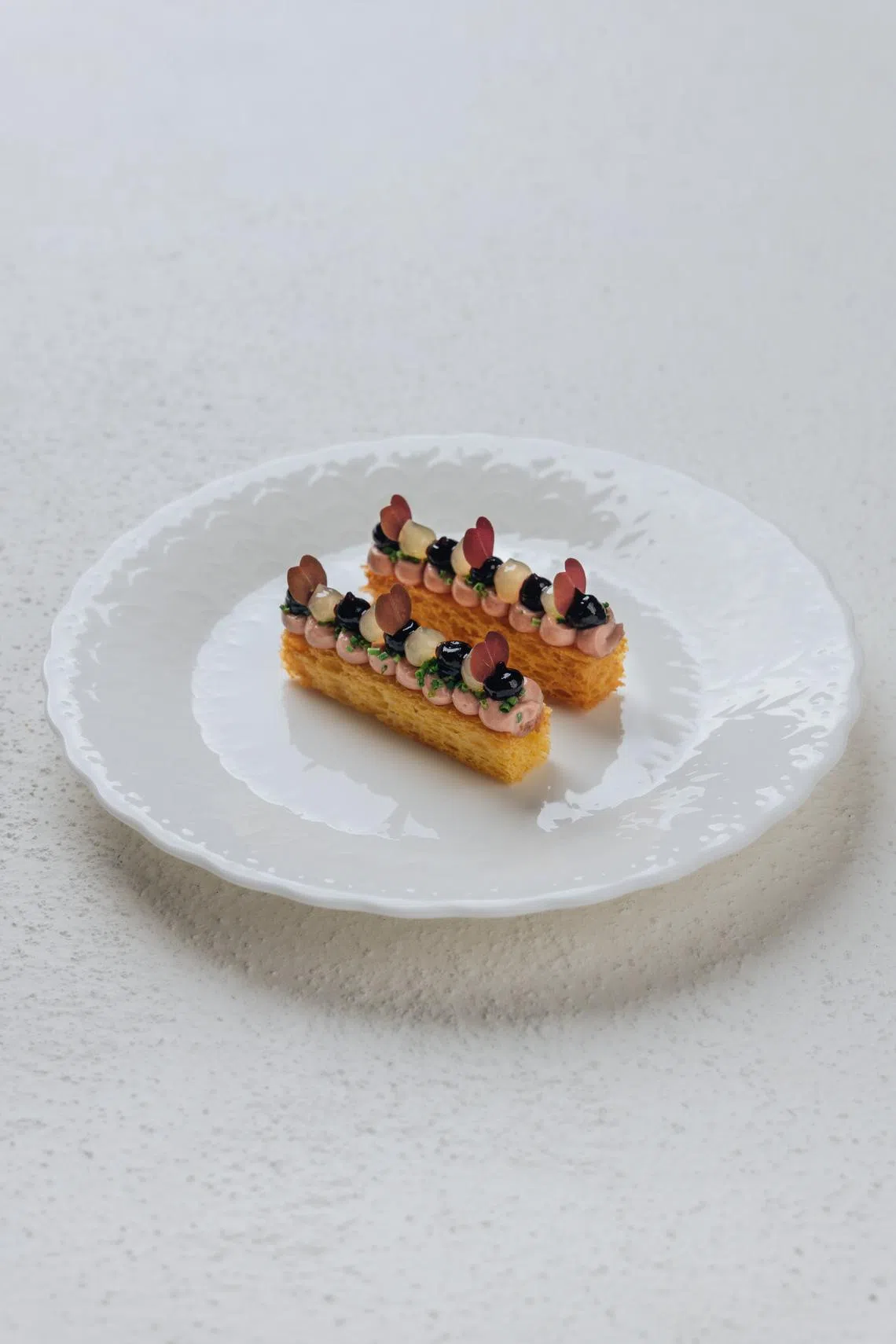
The Indonesian aspect also appears in the form of local produce – vegetables, local game like duck or quail, and fish from fishermen in Bali and Surabaya. But where he feels the quality is better in imported produce, he buys ingredients from Japan and Europe.
Kindling has a wider local customer base than August, with only 15 per cent foreign customers, although his reputation overseas is growing too. “We’re definitely at the back of the race in fine dining, but our government and F&B operators have switched up a gear to catch up with our peers in South-east Asia,” says Gunawan. “If you look at Bangkok a few years ago when it was just in its fine dining renaissance, that’s where Jakarta is now.”
And for jaded palates looking for something new to get excited about, Jakarta is a treasure trove waiting to be discovered.
Decoding Asia newsletter: your guide to navigating Asia in a new global order. Sign up here to get Decoding Asia newsletter. Delivered to your inbox. Free.
Copyright SPH Media. All rights reserved.