

Bar Kap in the House of Tan Yeok Nee serves up cocktails with Teochew flair
The watering hole in the last of Singapore’s ‘Grand Mansions’ is also reviving an ancient ageing technique
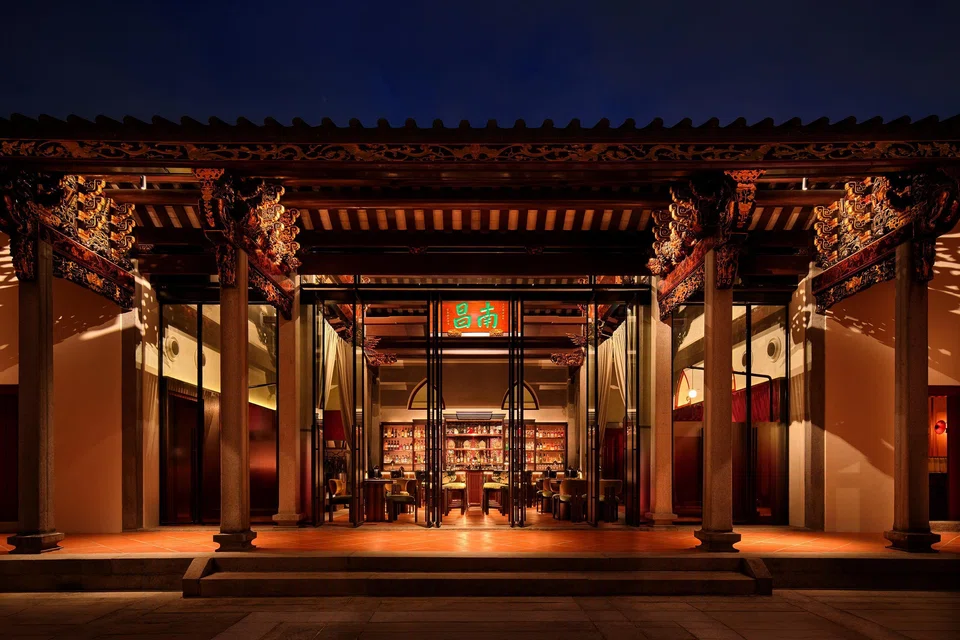
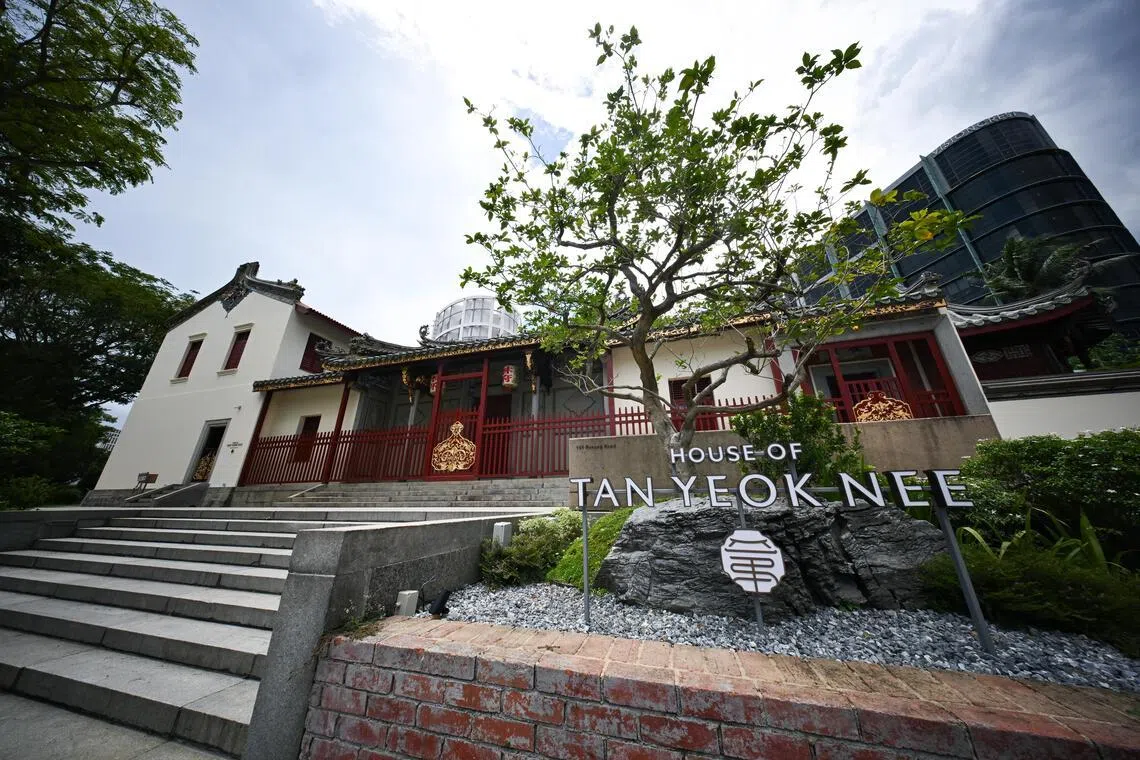
[SINGAPORE] A cocktail bar is perhaps one of the last things one expects to see when stepping into a century-old Teochew mansion. But for those veering off Orchard Road into the House of Tan Yeok Nee, that’s exactly what awaits.
Of the four “Grand Mansions” built by Teochew tycoons in Singapore during the 1800s, the House of Tan Yeok Nee is the only one that remains.
It was acquired for about S$80 million in 2022 by the Karim Family Foundation, which refurbished the venue before opening it to the public in November 2025.
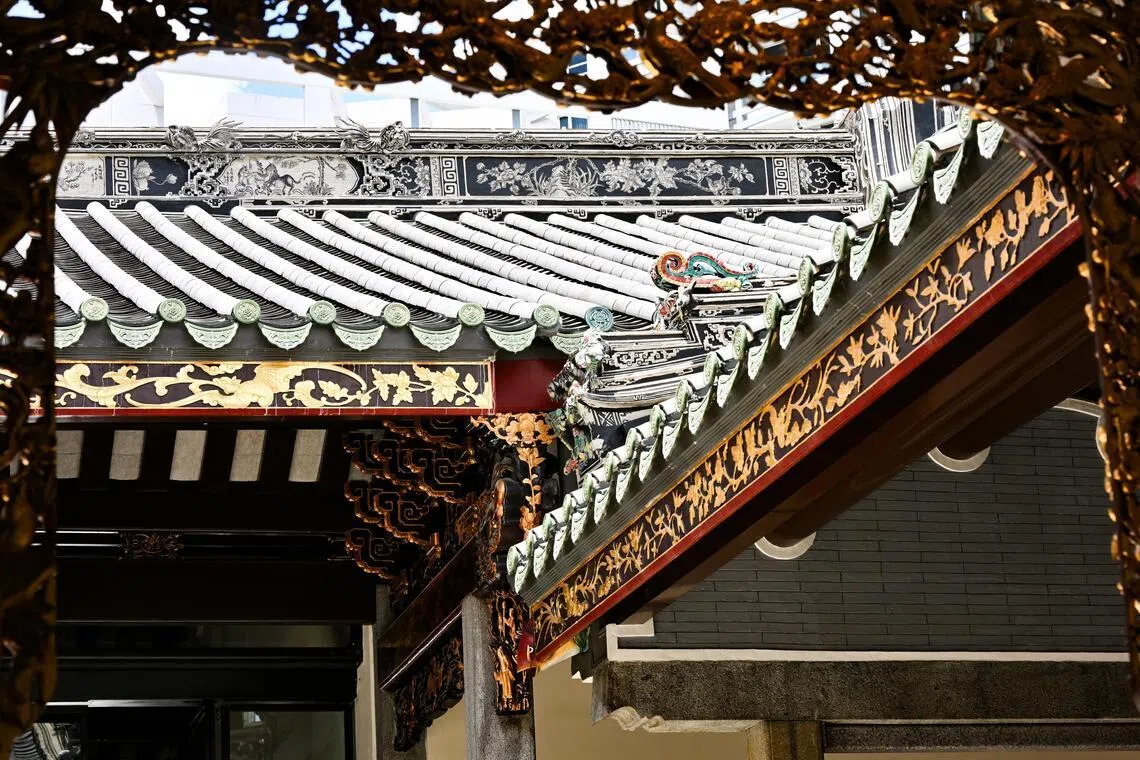
The foundation’s principal, Chai Karim, says the aim with Bar Kap was to create “a space where people can engage with history in a way that feels organic and intuitive”.
“The House of Tan Yeok Nee carries so much character, and our role was to respond to that,” says Karim, who double-hats as principal at Gaia Lifestyle Group, the family-owned hospitality group that also runs French-Japanese restaurant Loca Niru on the second floor.
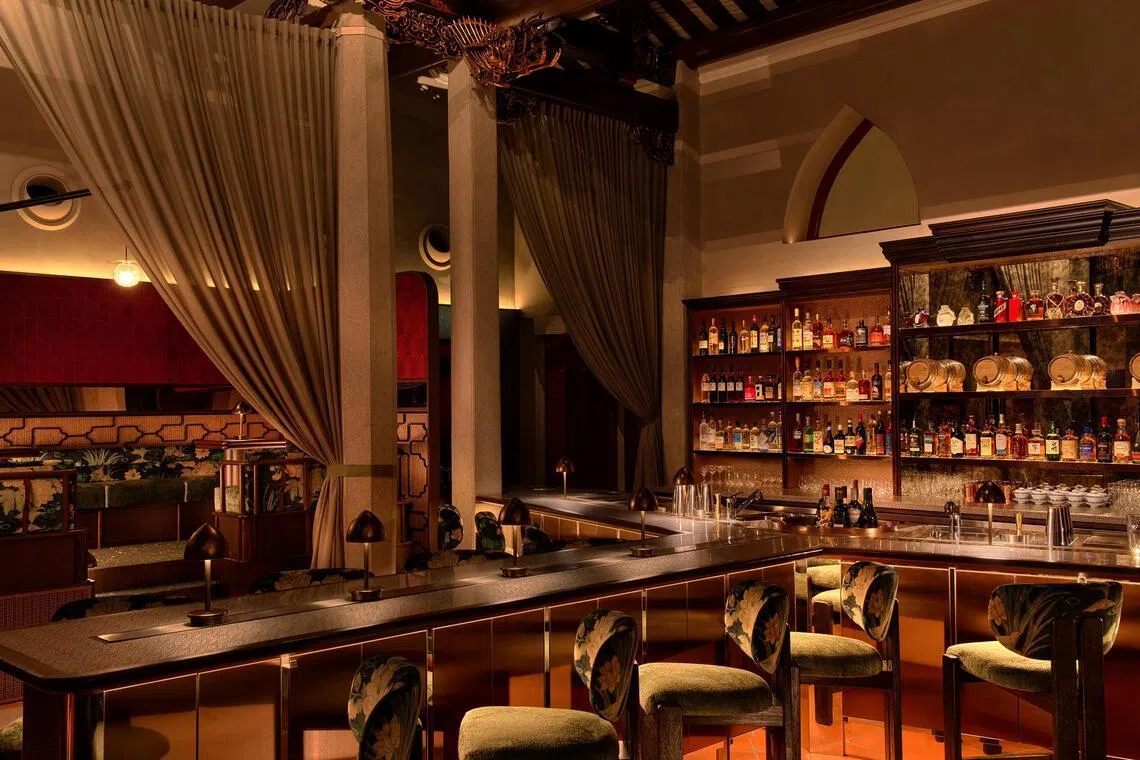
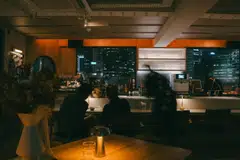
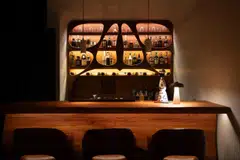
With Bar Kap’s design, it was important to “celebrate what the house was and what the house is”, says general manager Kavish Hurrydoss. The key, he adds, was to reconfigure the space into a working bar without intruding on the architecture.
The team therefore brought in elements that would bring attention to the original design language. Reflective tabletops, for instance, draw one’s eyes up towards the elaborate carvings on the ceiling.
Crafting sippable stories
Summing up nearly 150 years of history in a cocktail menu was no easy feat.
Bar manager Edwin Tan says the process took months, with the team “constantly tasting, adjusting and fine-tuning recipes” right up to the bar’s opening in May.

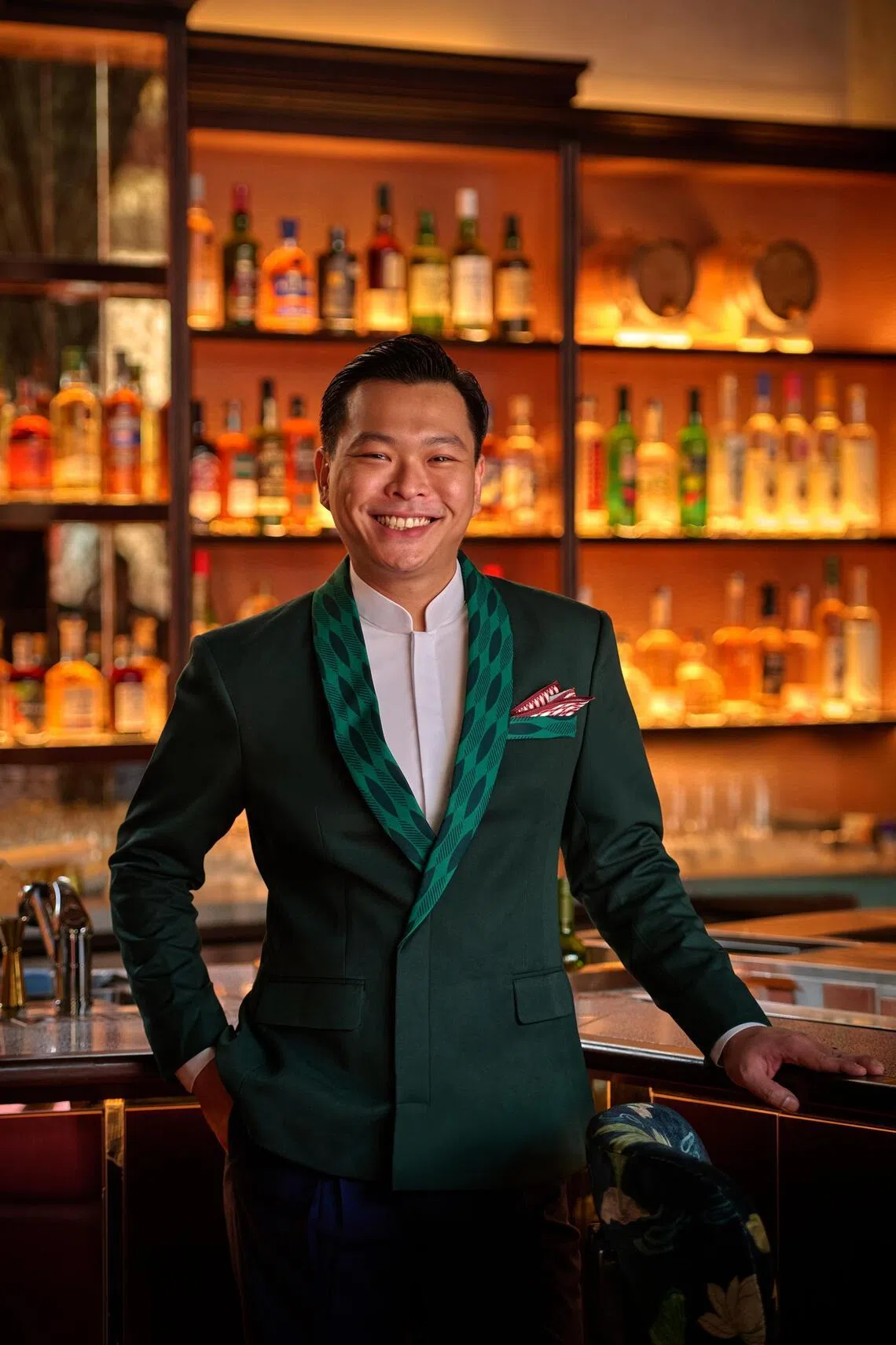
“Many of the cocktails draw from my own Teochew heritage,” he adds. “Having the opportunity to explore those influences within a modern cocktail programme makes the project feel especially meaningful to me.”
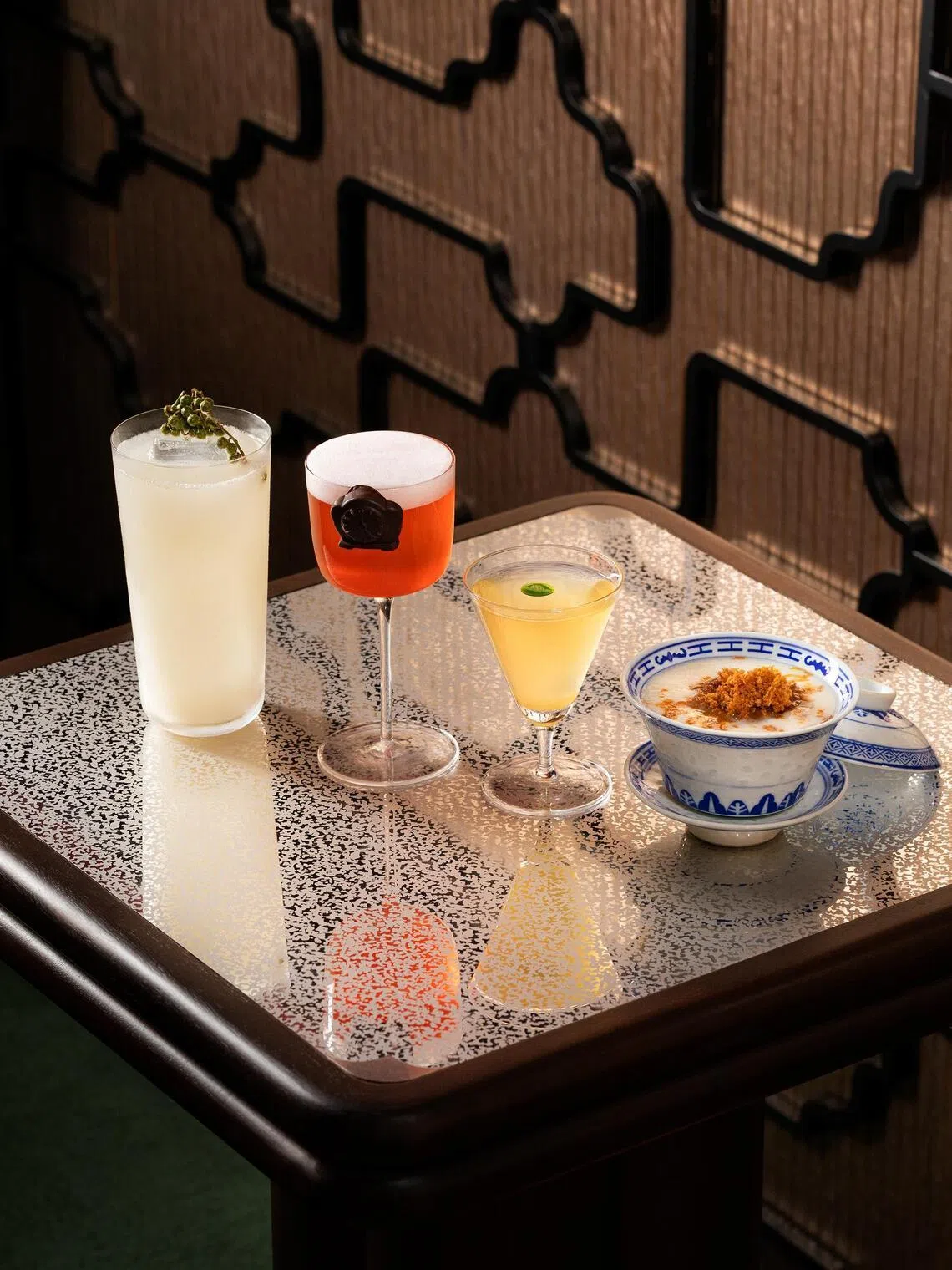
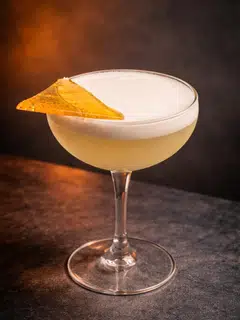
Among the menu’s 16 drinks is Pepper Peddler, a nod to the spice with which the house’s eponym made his fortune. The highball-style concoction combines long pepper with baijiu, gin and makgeolli for a surprisingly easy sipper.
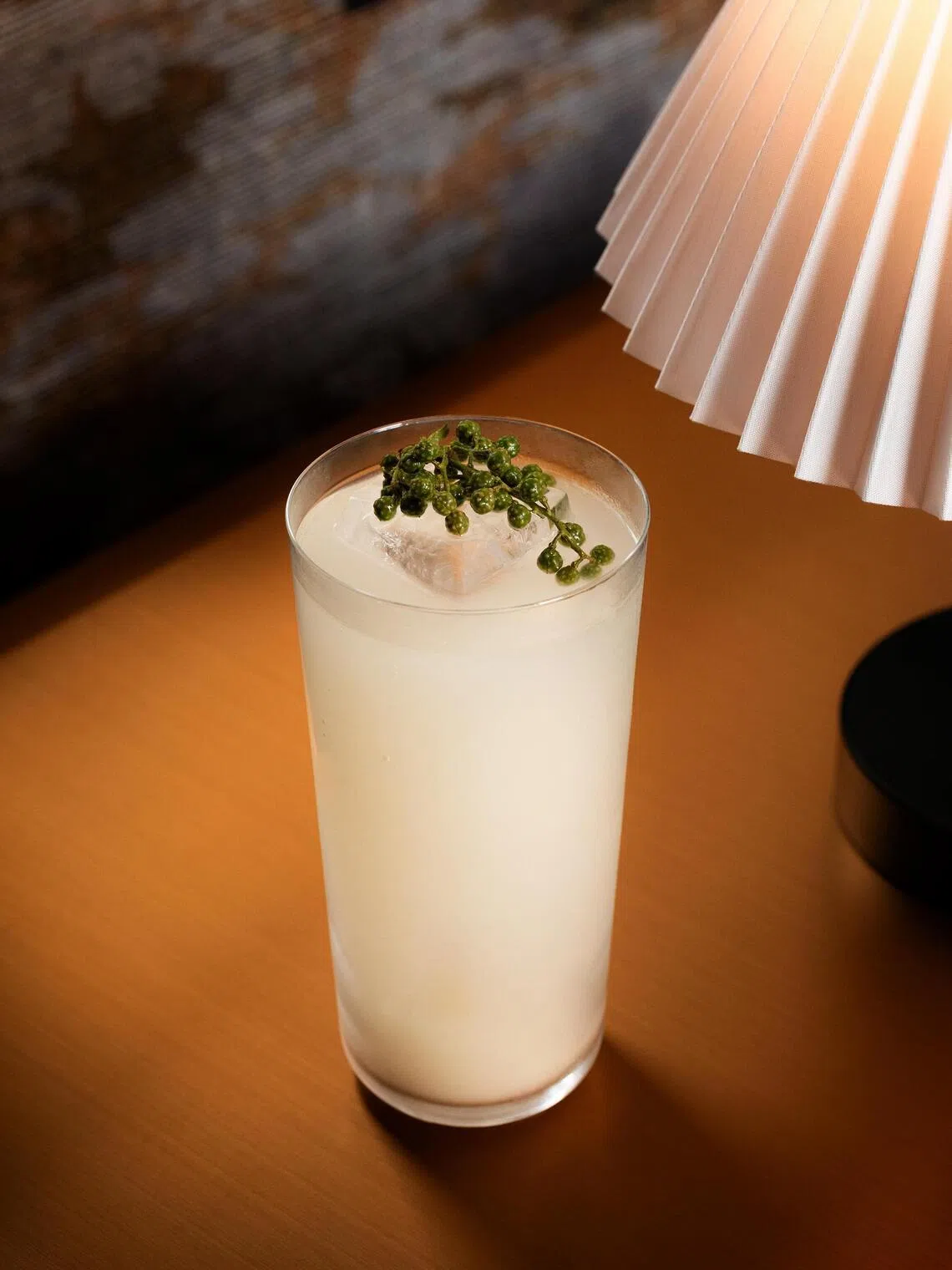
The dessert-like TCM Drawer No 3, meanwhile, features soya milk, ginger and honeydew. One of three mocktails in the line-up, it’s among Hurrydoss’ favourites on the menu.
The drink comes in a porcelain cup that he sourced from a Temple Street vendor shortly before the bar’s opening – and after “an hour of bargaining”, he quips.
Another zero-proof option is Last Call, which references the house’s past life as the Tank Road railway station master’s residence in the early 1900s. With a complex mix that includes oolong tea, roasted barley, chen pi and saline, it calls to mind a whisky sour.
Tank Road also lends its name to another drink on the menu, an almost-boulevardier that incorporates notes of Seville orange and bay leaf.
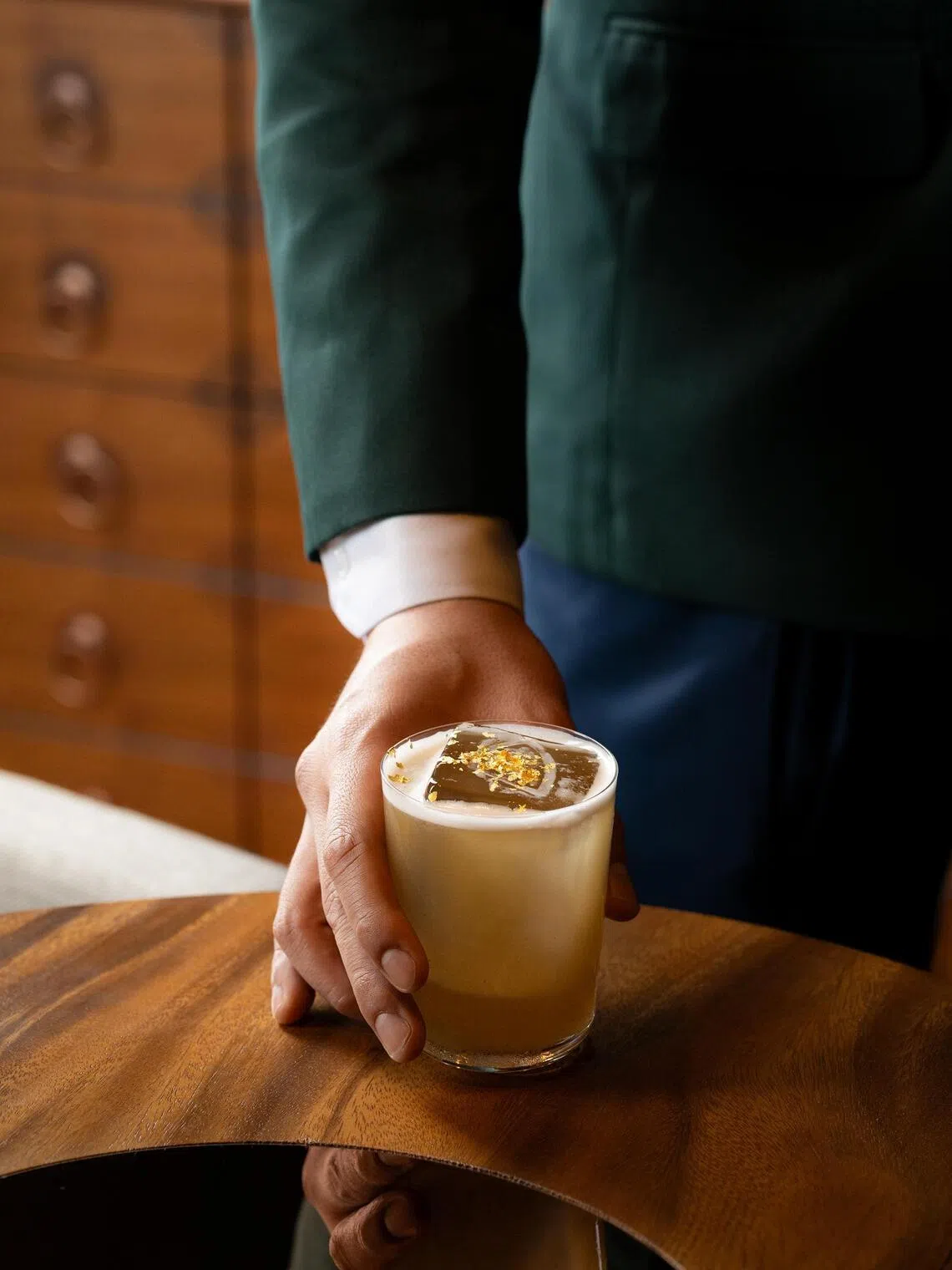
On the other end of the spectrum is Lights Out, a play on a martini. The usual gin and dry vermouth are given a local twist with mandarin orange and a few drops of pandan-infused oil.
Bringing back clay ageing
For some of its creations, Bar Kap is also experimenting with clay ageing, a method of maturing alcoholic drinks in earthenware.
Bar manager Tan is excited to work on applying the technique – which goes back eight millennia – to the menu, adding that it is “not something you often see explored at this scale”.
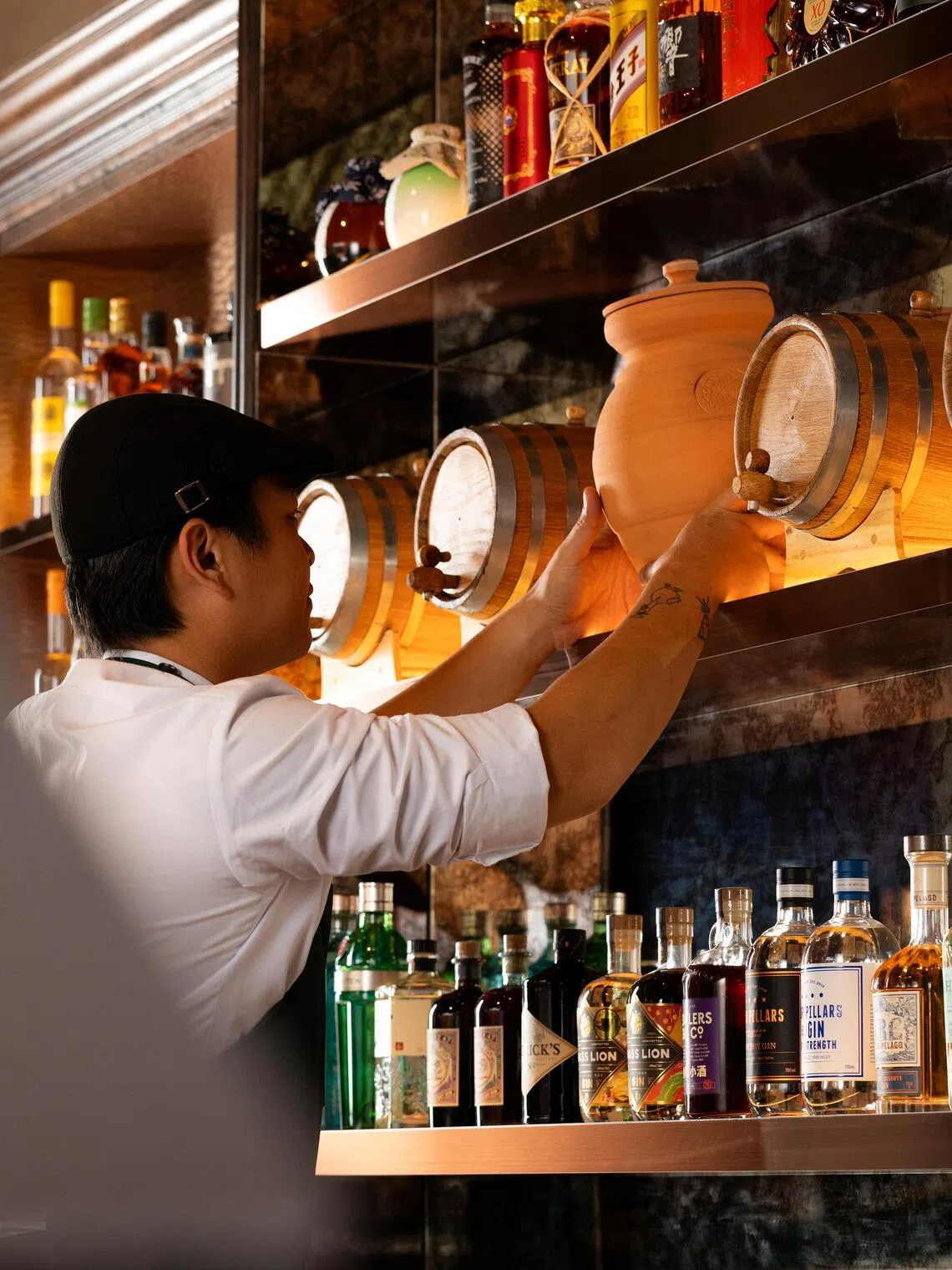
“Unlike oak ageing, where you’re introducing flavour, texture and complexity from the wood itself, clay has a much gentler influence,” he explains.
“Guests may not immediately identify what’s different, but they’ll often notice a greater sense of balance and depth in the finished drink.”
Tan, who cut his teeth at The Cufflink Club and Sago House before joining Bar Kap, has been busy perfecting the transition from technique to product. “It’s one thing to have a strong concept on paper, but another to make sure every cocktail works night after night.”
In the month since the bar’s launch, business has been brisk, says Hurrydoss. “I didn’t expect this response this quickly.”
With the House of Tan Yeok Nee located relatively far from other cocktail joints, Bar Kap is a speciality destination that people would have to make plans to visit, he adds.
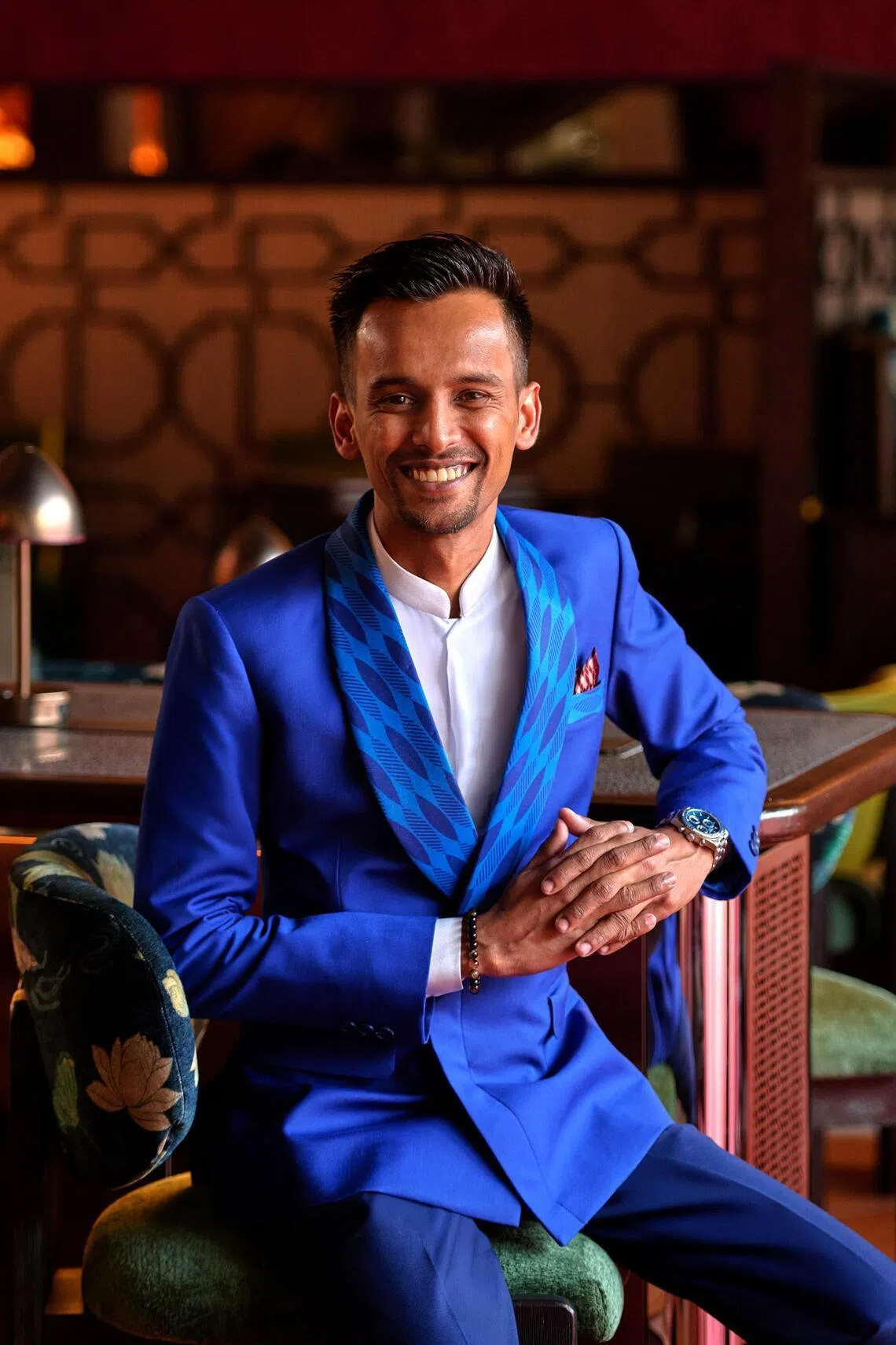
While Hurrydoss admits he is “not a history person” and had even hesitated to interview for his current role, he immediately got on board after seeing the house in person.
“When I first came here, I was mind-blown,” he says. “Every day, I step in and I’m still mind-blown.”
That lasting and evergreen appeal, he adds, is “something money can’t buy”.
Tank Road
- 50 ml blended scotch
- 10 ml Campari
- 20 ml burnt orange and bay syrup
- 1 dash Seville bitters
- 1 dash aromatic bitters
- 1 egg white
Decoding Asia newsletter: your guide to navigating Asia in a new global order. Sign up here to get Decoding Asia newsletter. Delivered to your inbox. Free.
Copyright SPH Media. All rights reserved.
TRENDING NOW

LTA proposes combining car COE categories, adding rebate-surcharge system

StarHub to acquire MyRepublic’s mobile business amid ongoing telco consolidation

DBS, OCBC, UOB rout lops billions off STI as inflation, rate concerns spook investors

Grab CEO’s wife Chloe Tong on life with Anthony Tan and finding her purpose

