

Beyond matcha – speciality brews are the new ‘in’ teas in Singapore
Specialist shops are reviving the slow art of tea culture and appreciation
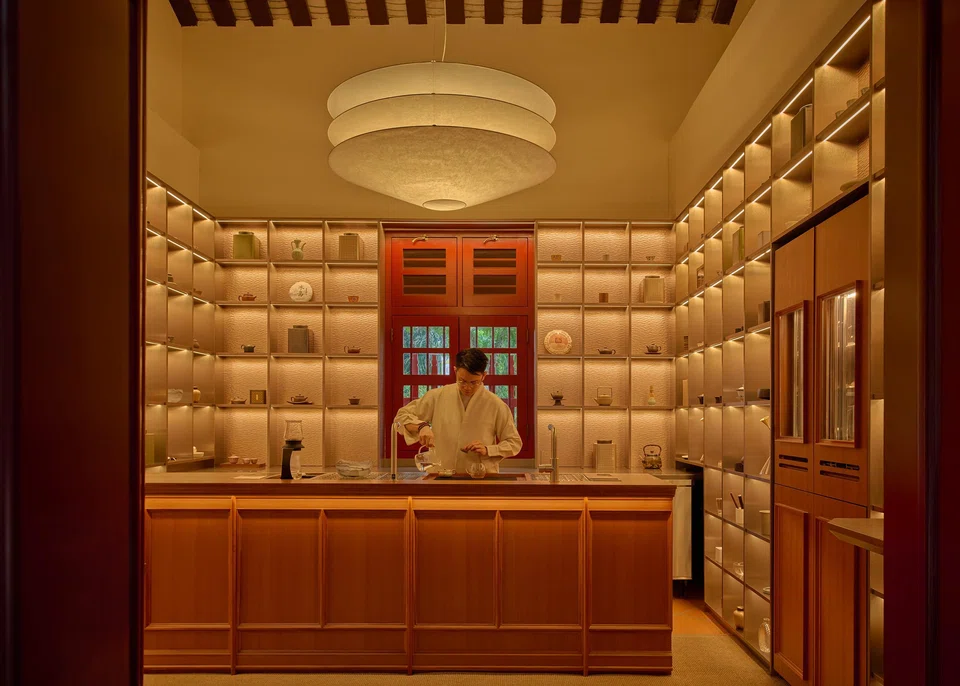
MATCHA has dominated the tea scene of late in Singapore and across the world, but several up-and-coming teahouses are working to shift the narrative towards artisanal teas from other parts of Asia, including China and Taiwan.
From matcha latte to bubble tea, tea has become more of a lifestyle trend – with myriad combinations from oat milk to fruit purees – making tea itself more of an afterthought.
But a new crop of independent teahouses are hoping to change that. Their goal is to showcase tea’s provenance and craftsmanship, but without making it an academic or formal experience.
Jing Studio
Jing Studio is one of the newest entrants, nestled within the Oriental grandeur of the restored House of Tan Yeok Nee. It offers a curated menu of single-estate teas and refined blends, bringing a fresh lens to traditional tea culture.
“We wanted to make tea feel welcoming... It can be a very deep subject, but you shouldn’t need years of knowledge to enjoy a good cup,” says tea master William Chee.
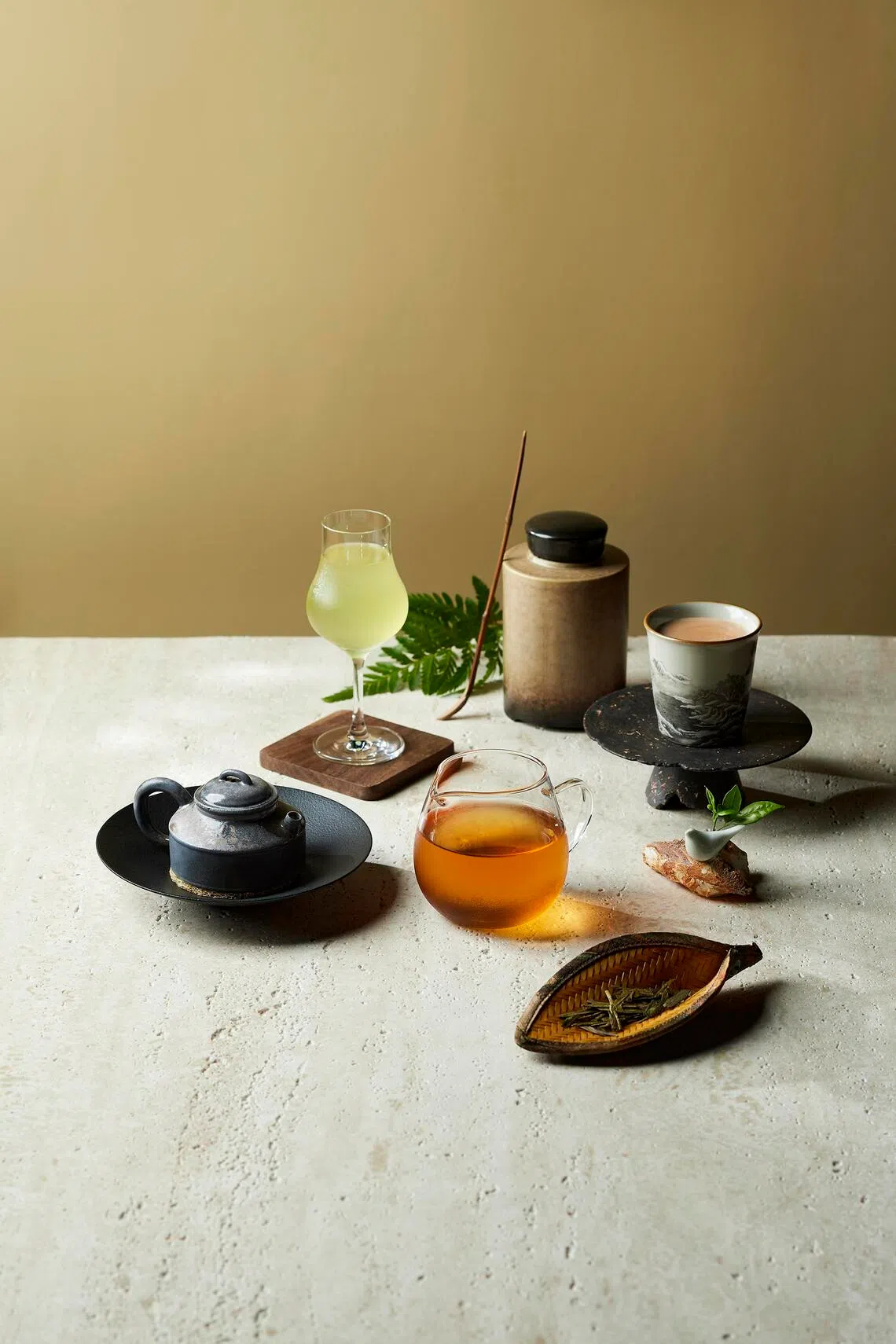
Its single-estate teas come from Yunnan, Chaozhou and Taiwan, with Chee making his selection based on terroir. “Much like a single-origin coffee or a fine vintage wine, these teas carry the exact soil, weather and tradition of one distinct place,” he says.
Beyond provenance, Chee looks for the purity of form or beauty in the leaf, its endurance across multiple steeps, and clarity and balance in the cup.
Tea is rooted in Teochew culture, says Chee. “It’s a gesture of hospitality, a way of bringing people together.”
Jing’s location is apt, considering that the original owners of the property came from Chaozhou. One of its teas, Phoenix Spring, originates from the province, a fitting way to tie the teahouse to the motherland.

Inner Teahouse
Founder Jane Cai specialises exclusively in teas from Fujian, where she was born.
Moving to Singapore at the age of 16, she found a natural connection with the city’s strong Fujian heritage. She started Inner Teahouse in Pearl’s Hill Terrace, and then relocated in early 2026 to a third-floor shophouse on Keong Saik Road.
Cai works directly with farmers in Fujian to keep her selection deliberately compact. “By narrowing our focus, we pay closer attention to each tea and its origin, craft and character, so we can share it more thoughtfully with our guests.”
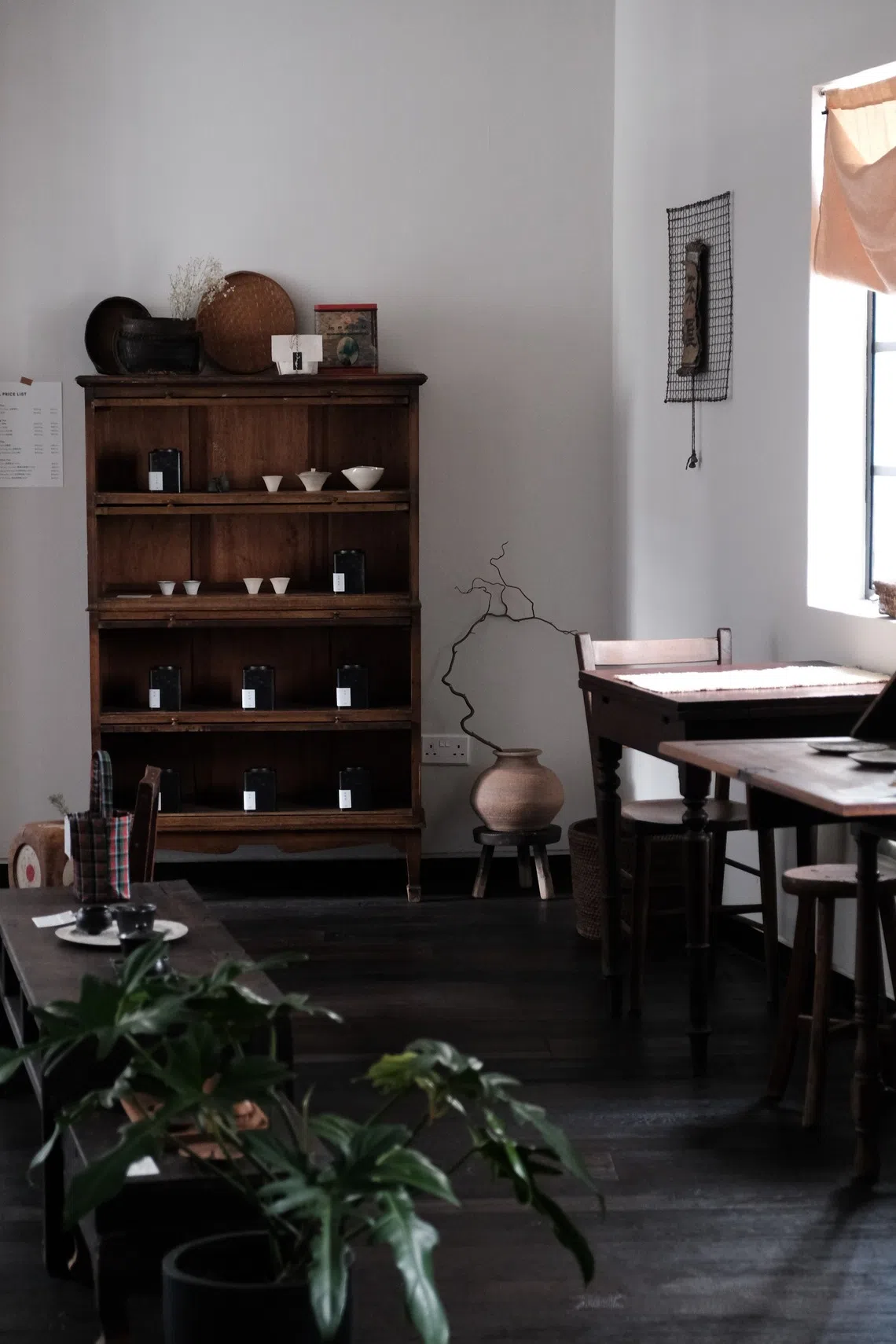
She also follows traditional Chinese tea practices. “We guide guests through multiple infusions, allowing them to experience how the aroma, texture and flavour of the tea gradually unfolds.”
Teas are served in handmade teaware by contemporary ceramic artists. She also regularly curates exhibitions and events in collaboration with ceramic artists, designers and craftspeople.
Miura
Japanese tea takes centre stage at Miura, a tea and wagashi (traditional Japanese confectionaries) stand within Joo Chiat’s In Good Company boutique. It is run by Pang Hui Shan and Vincent Teng, who also own Paaru teahouse in Pearl’s Hill Terrace.
They source much of their selection directly from producers in Kyoto, Saitama, Shizuoka and Kagoshima.
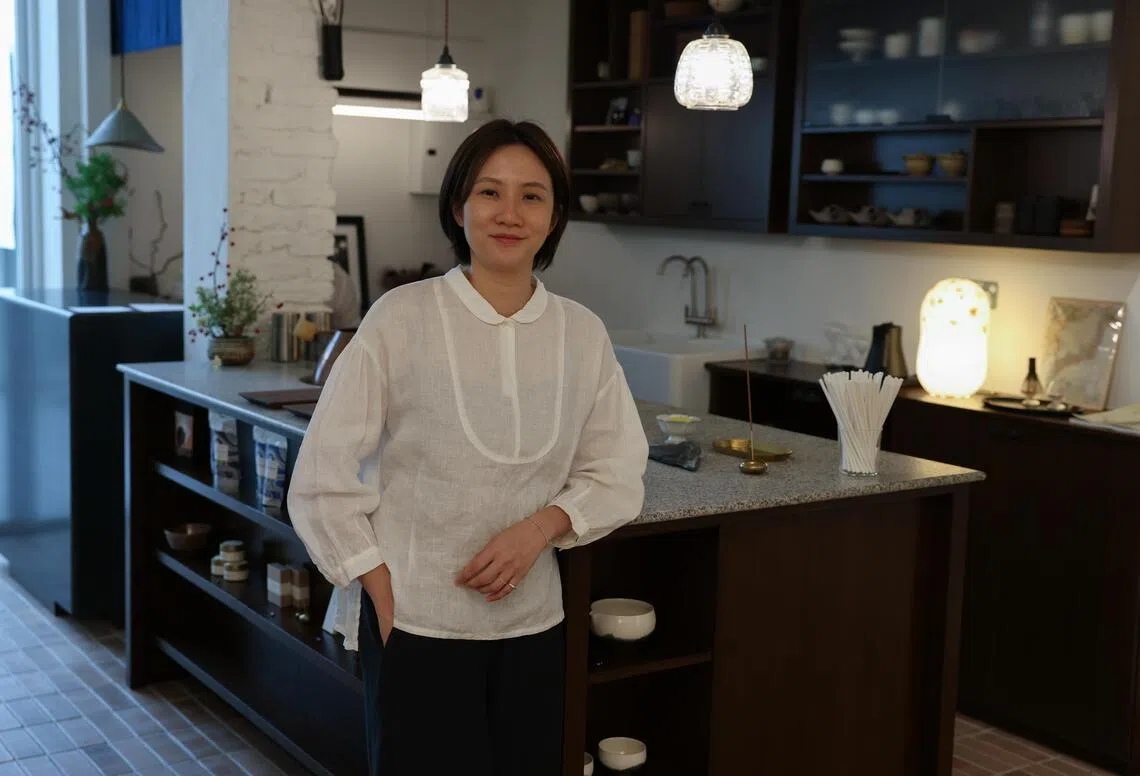
While Paaru hosts intimate seasonal sessions, Miura translates that knowledge into a more casual takeaway format. “Miura is meant to create a more accessible everyday experience; it’s where people can enjoy high-quality Japanese tea as part of their daily routine,” says Pang.
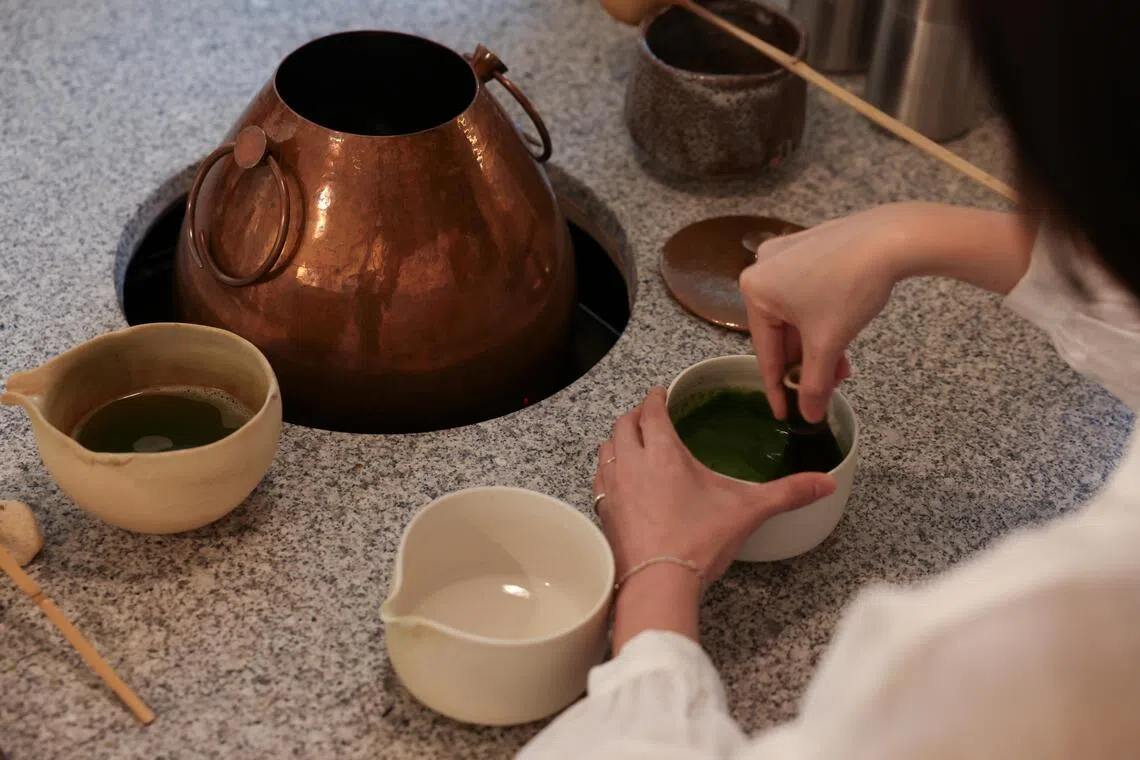
Miura’s selection changes according to harvest availability and seasonality. Personal memories also influence what is included in the menu.
Some teas were discovered during the founders’ travels in Japan, and the experience of having them prepared by thoughtful tea makers adds what Pang calls an “extra flavour”.
Their menu ranges from hand-whisked matcha and hojicha to loose-leaf teas and seasonal cold brews infused with fresh fruit.
Pang is also a fan of Japanese black tea or wakocha, which she feels deserves more attention. “While Japan is best known for green tea, many producers are now making remarkable black teas that are naturally sweet, elegant and gentle.”
She also champions lesser-known growing regions such as Saitama.
Teasan
The newly launched Teasan explores a less-familiar category: caffeine-free Japanese tisanes, which are herbal or botanical drinks brewed by steeping parts of plants, flowers or fruit in hot water.
Founder Keika Sugiyama is half-Japanese and half-Chinese, born in Beijing but raised in Tokyo. She moved to Singapore seven years ago, and spent a decade in tech product management.
Teasan came about because of her personal caffeine intolerance, which made her think about the caffeine-free barley, corn and buckwheat teas that she grew up drinking in Japan.
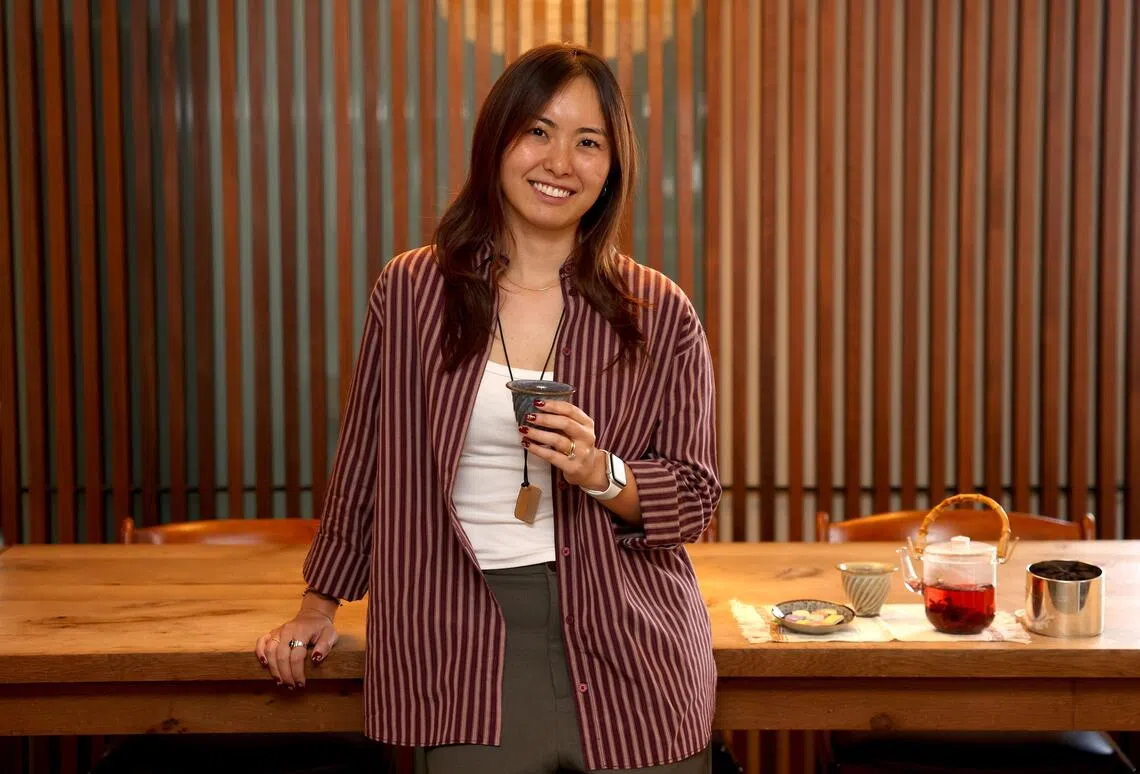
She began to research Japanese tisanes, and “found well over 100 different types, rarely talked about beyond small communities”. Not many in Japan even know they exist and they are rarely exported, she adds.
She has since built a personal collection of around 100 tisanes and obtained certification in Japanese herbs.
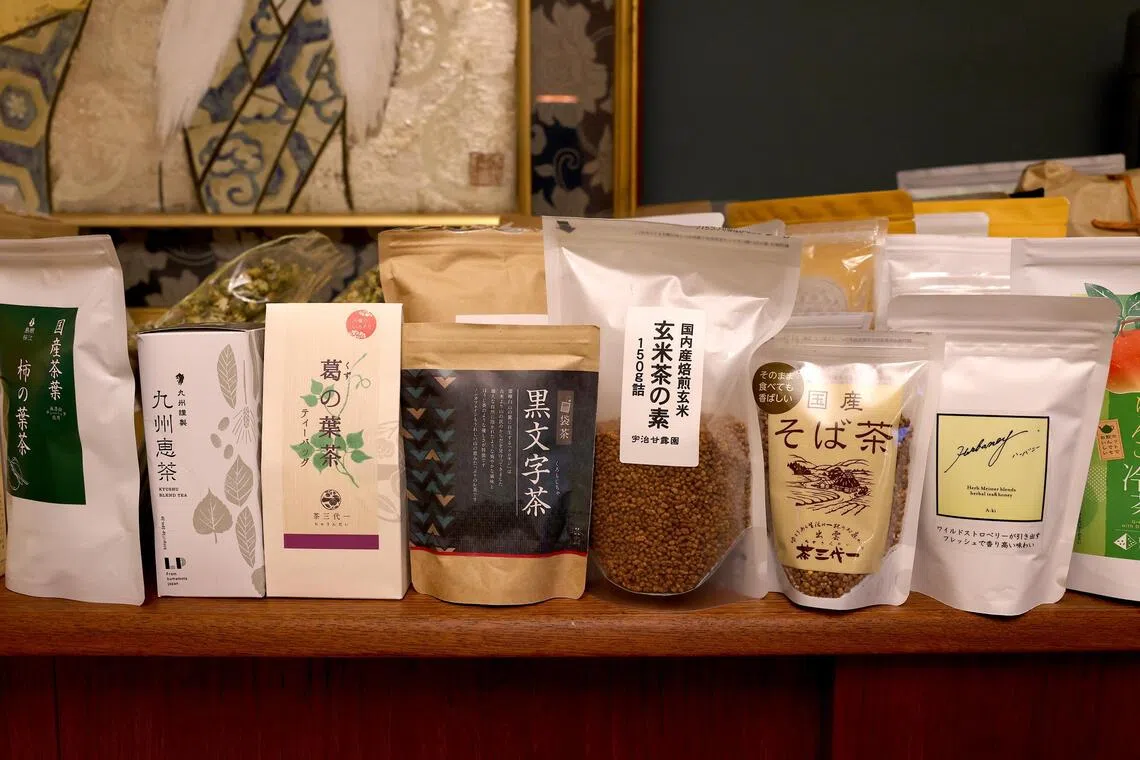
Sugiyama sources tisanes made from roots, twigs, grains and leaves, working directly with growers and foragers in Japan. Teasan’s red beans come from Hokkaido, its persimmon leaves from Shimane, and shell ginger from Okinawa.
She travels to remote areas to understand how the ingredients are cultivated, harvested and processed. “It’s a labour of love,” she says, and one she hopes will be appreciated by Singaporeans.
Tea versus coffee
These concepts raise an inevitable question: Can niche tea become as popular as specialty coffee?
Miura’s Pang is optimistic. Her customers are asking more detailed questions about cultivars, origins and production methods, including whether a tea has been shaded, steamed or roasted, and how those choices affect the final cup.
“These are conversations that were once more common with coffee, but they are gradually emerging in tea as well,” she says. “There is growing appreciation that tea, like coffee or wine, reflects the landscape, climate and people behind it.”
Chee, too, has observed Jing Studio’s guests becoming increasingly curious about why a tea from Chaozhou tastes different from one grown in Taiwan, how roasting changes its character, or why a given tea can taste different in another season or at the hands of another producer.
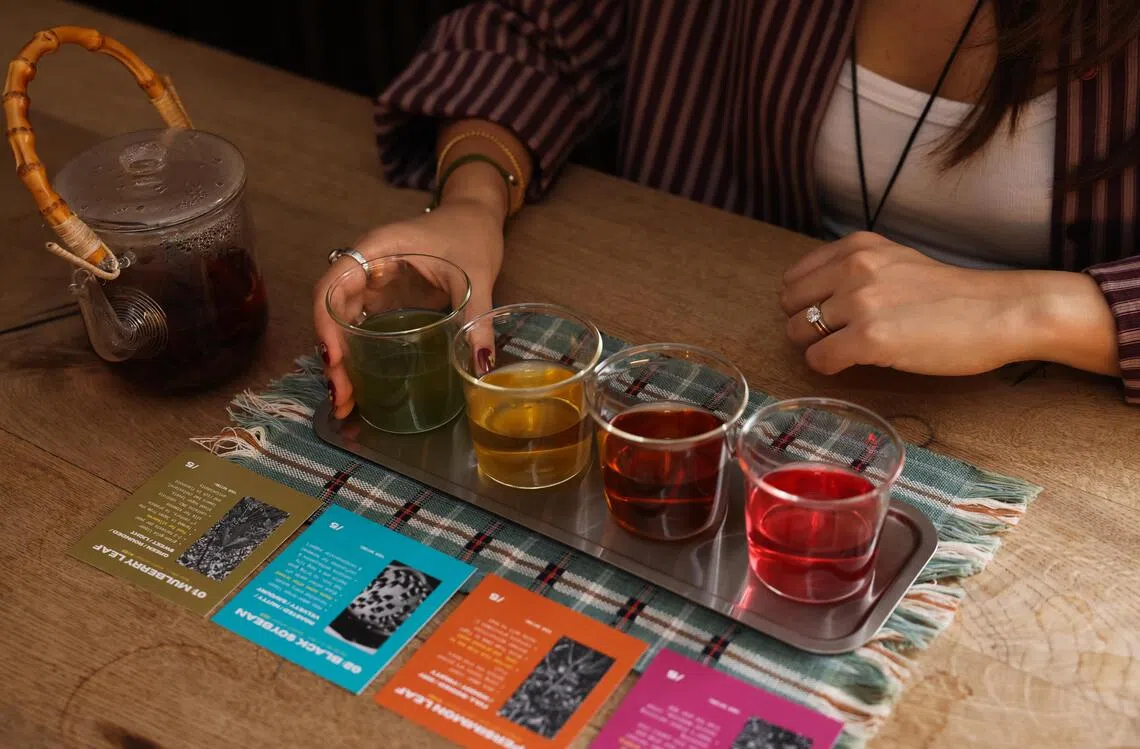
Sugiyama believes tea could eventually rival coffee, “because tea is seeping into evening culture as a wine alternative, an occasion coffee was never able to reach.”
She adds that with the ‘sober curious movement’, sparkling teas are emerging as alternatives to sparkling wines. She also points to “tea raves” hosted by Gen Z in China, where people dance the night away drinking tea instead of cocktails.
Kenny Leong, tea educator and co-founder of Fang Studio, takes a more cautious view. He has seen interest and sophistication grow over the past decade, but believes fine tea still lags behind specialty coffee.
“Singapore is a fast-paced, productivity-driven society where beverage preferences tend to be shaped more by Western coffee culture than by traditions of fine tea; consequently, the audience remains too small to sustain many truly specialised tea businesses.
“Few businesses can justify investing heavily in tea education, which in turn limits consumer awareness and slows the growth of deeper curiosity.”
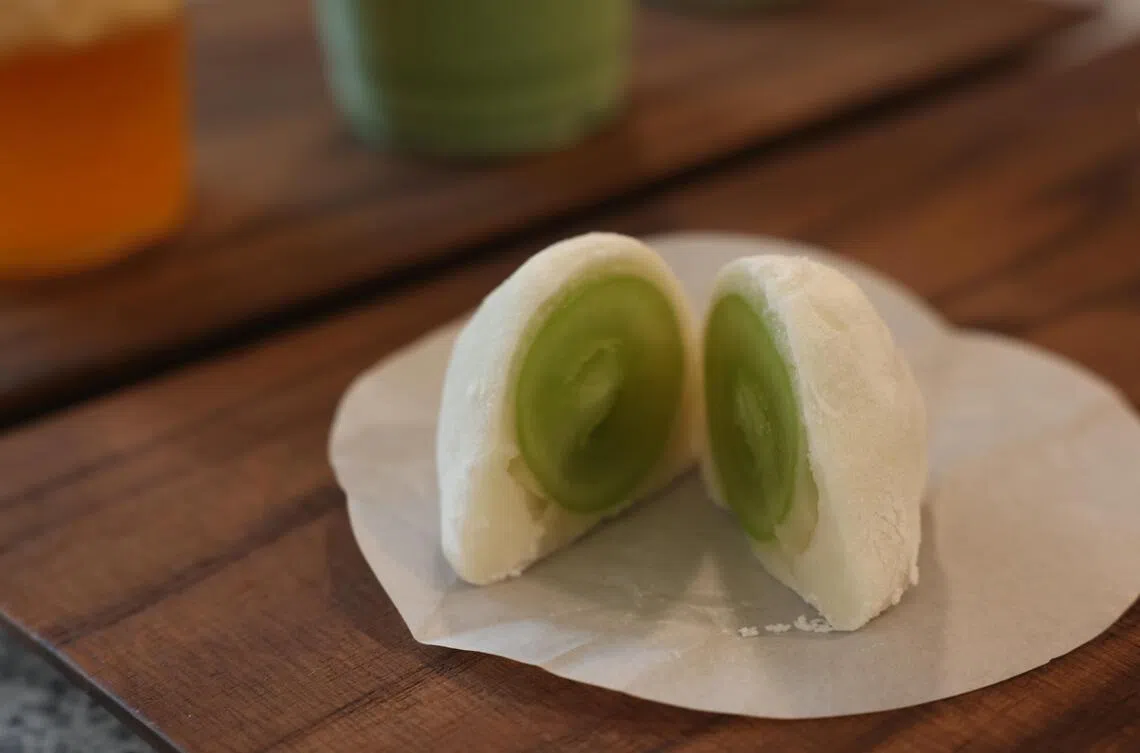
He adds that although his students exhibit remarkable interest in learning about tea production and evaluation, they represent only a tiny segment of the local tea-drinking population.
“Most people are content with just staying casual hobbyists, and they find no reason to put in extra resources and time to dive deep into niche tea.”
Blends for the future
If hardcore tea drinking is for purists, could blended or flavoured versions help convert younger drinkers?
Rather than ask a newcomer to begin with a single-estate tea with nuances that may be subtle to recognise, a blend featuring citrus, flowers and roasted grains could create an accessible point of connection.
It is an approach that the teahouses are adopting to grow their audience.
“Blended teas are designed as an invitation, not a shortcut,” Chee says. “I don’t think younger guests need tea to be simplified; they just need an approachable place to begin.”
Familiar flavours such as jasmine, citrus or stone fruit might be used to encourage curiosity about provenance and processing.
Jing Studio’s blends are created with that in mind. “The blend should never overshadow the tea; it should draw guests towards discovering it,” he adds.
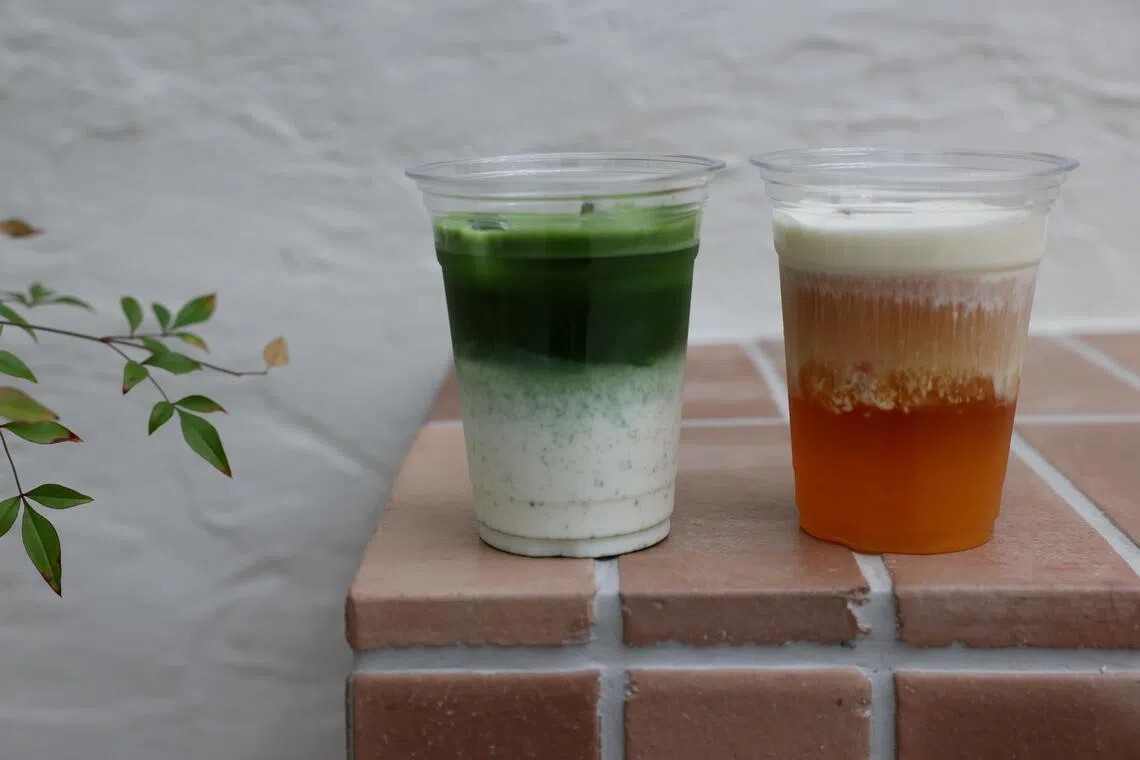
Miura applies a similar philosophy to cold brews. Lesser-known Japanese teas are infused slowly and combined with fruit or aromatic ingredients to form special flavour pairings.
Pang says: “Blended tea drinks do play an important role. They can lower the barrier to entry and encourage younger drinkers, or people who may not usually drink tea, to become curious.”
As for appealing to younger drinkers without diluting tea traditions, Leong of Fang Studio offers a more pragmatic view. Because of competition, businesses either go mainstream or very niche by selling the tea-drinking experience as much as the tea itself. Tea Chapter, Inner Teahouse, Silk Tea Bar and Camellia Tea Bar are some examples.
But to pique the interest of younger drinkers, more has to be done to foster interest and knowledge, such as workshops and tea gatherings.
Only then, he says, can niche teas be understood, not as another lifestyle trend, but as an artisanal craft with the depth to sustain a more informed audience.
It is easier to do this in Taiwan, Japan and China, which already produce tea and have a long-established tea culture.
Singapore’s multicultural background is different, but not a disadvantage. “Our different backgrounds place us in a position to bring something special to the world,” he says. “Singapore has the opportunity to shape a tea culture that is uniquely its own.”
Decoding Asia newsletter: your guide to navigating Asia in a new global order. Sign up here to get Decoding Asia newsletter. Delivered to your inbox. Free.
Share with us your feedback on BT's products and services
TRENDING NOW

LTA proposes combining car COE categories, adding rebate-surcharge system

StarHub to acquire MyRepublic’s mobile business amid ongoing telco consolidation

DBS, OCBC, UOB rout lops billions off STI as inflation, rate concerns spook investors

Grab CEO’s wife Chloe Tong on life with Anthony Tan and finding her purpose

