

Chinese heritage restaurants hold on to tradition
Old-school family-run eateries share how they stay true to their culinary roots despite a challenging F&B environment
CHINESE New Year invariably brings up thoughts of tradition and a sense of nostalgia for the family reunion dinners of the past. But today’s Chinese restaurants seem more focused, for example, on serving up modernised yu sheng fit for Instagram pictures than on upholding heritage.
However, a handful of old-school eateries are still presenting their dishes in ways that haven’t changed for decades; these are the places offering Teochew, Hakka and Cantonese dishes that have stood the test of time.
That their businesses have not folded during the Covid-19 lockdown and the travails of the F&B industry attests to the owners’ tenacity to keep going despite the challenges. Supporting them are their regular diners, as well as a growing number of the younger set who are curious about the restaurants’ heritage and are keen to try out restaurants frequented by their parents and grandparents.
Here, four stalwarts in the Chinese restaurant business share their tales of longevity and passion for what they do.
Cheng Hoo Thian
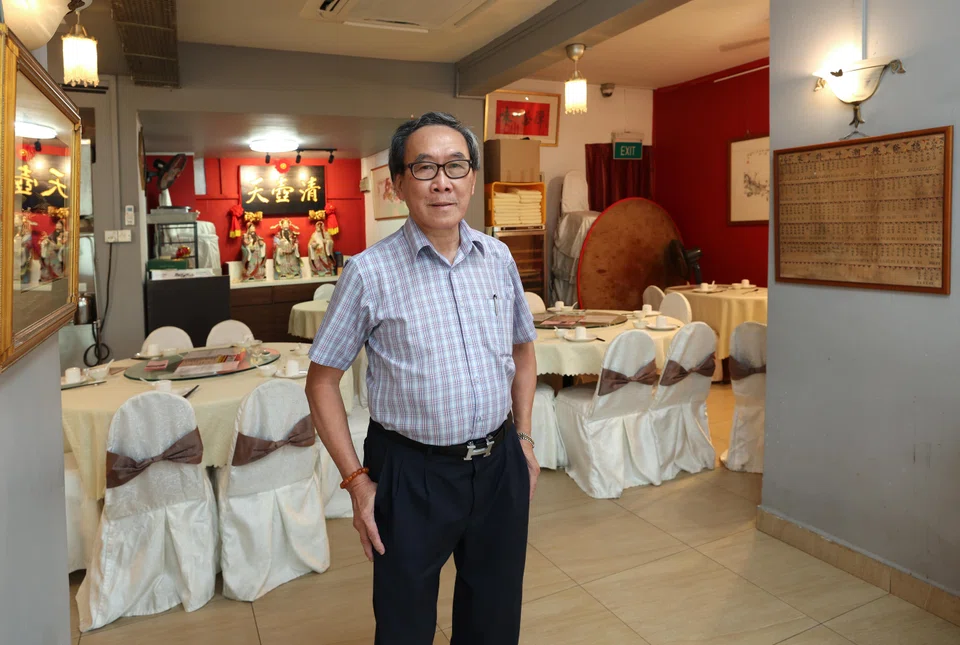
At Teochew restaurant Cheng Hoo Thian, owner Jimmy Koh, 72, is carrying on the legacy of his father Koh Cheng Hoo, who founded the restaurant in 1930.
The elder Koh’s story is a typical immigrant’s tale of hard work and true grit. He left China in 1926 for Singapore, joining his three brothers working as coolies in Clarke Quay, which was lined with warehouses.

His son, Jimmy, says: “They worked very hard, yet earned very little money. If you carried 10 sacks of goods, you were paid only one cent.” They were so poor that the brothers would scrabble together the rice grains and dried seafood that had fallen to the ground during transportation. At the market, they scavenged among discarded items such as blemished vegetables, fish heads and stomachs, or pig skin, bringing these back to their quarters to cook. Eventually, the brothers were tasked with preparing daily meals for their fellow workers.
One day, a merchant saw a crowd of coolies gathering at the back of the warehouse. “The towkay asked to taste some of the food, which he enjoyed. He then asked my father to cook for him,” says Koh. Subsequently, the businessman gave Koh’s father seed money to start his own food business.
In 1930, the Koh brothers started selling zi char (cooked food) on a pushcart. In 1950, after the war, they set up a proper eatery at New Market Road. When the shophouse was torn down in 1968 to make way for the Ministry of Manpower building, they moved their restaurant to a five-storey building in Tessensohn Road.
It was there that the restaurant did very well. Its 100 to 200 tables were taken up almost every weekend for wedding dinners and special celebrations. By 1977, the restaurant was paying S$50,000 in rent for the space. The family eventually switched to private catering to serve their many regulars.
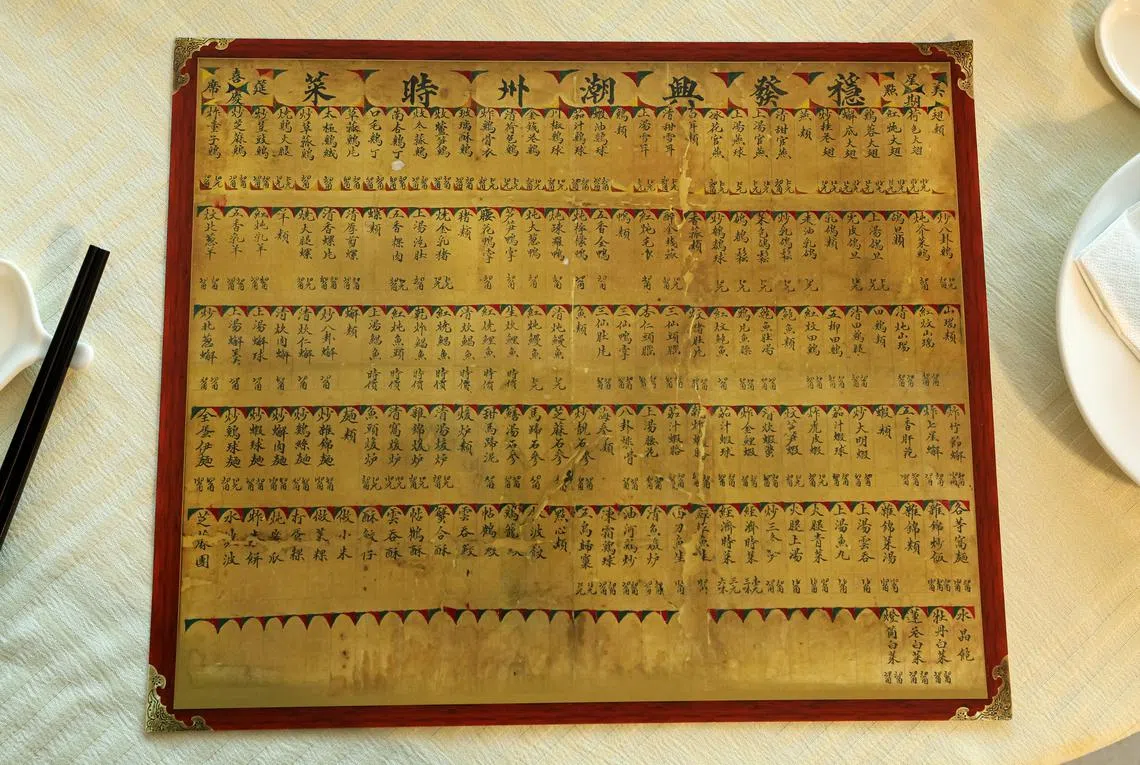
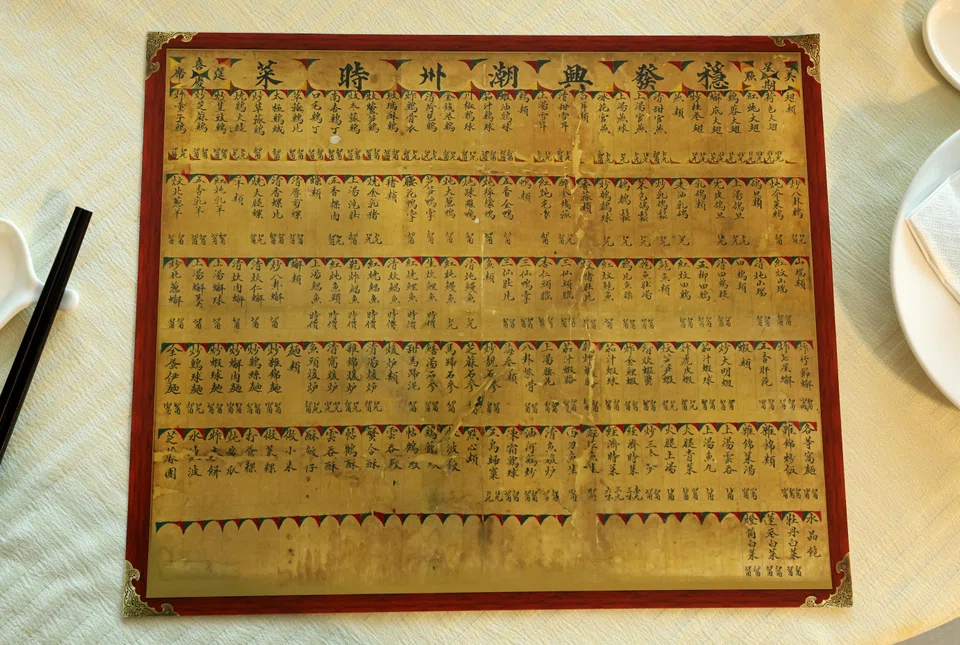
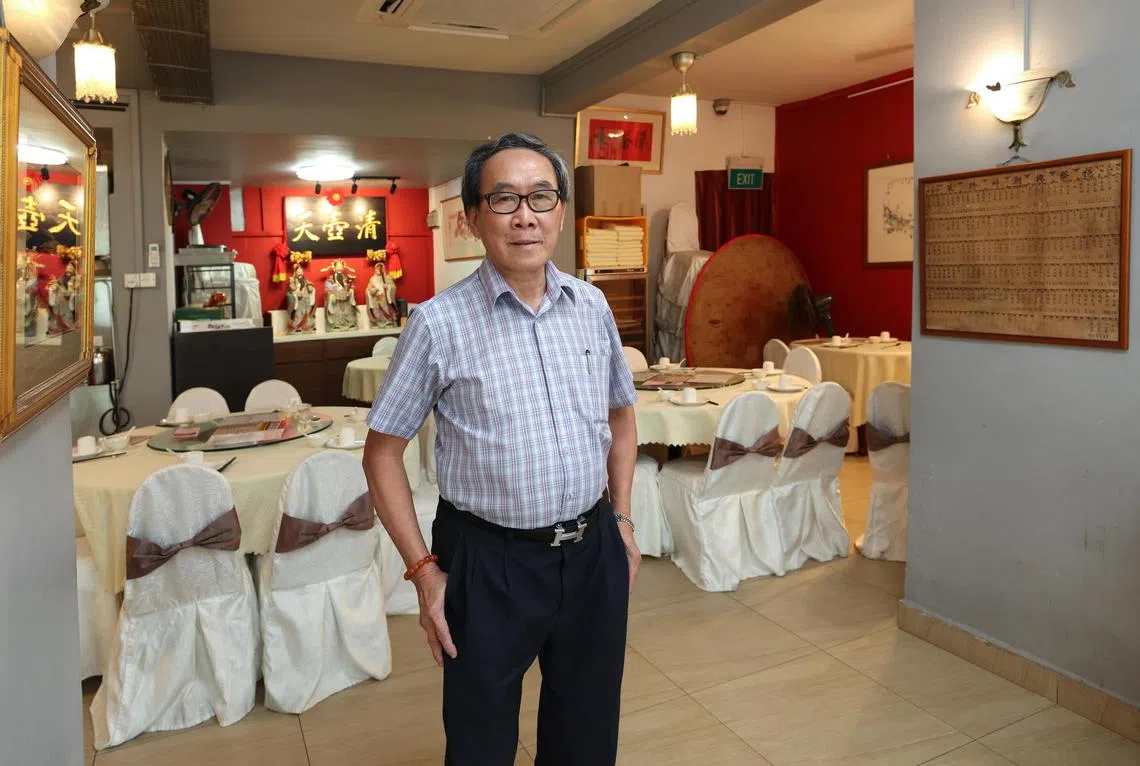
This continued until 2018, when Koh’s friends invited him to reopen the restaurant at its current Whampoa address. Today, his father’s original menu, listing 288 dishes, is framed and proudly displayed on the wall. Since then, though, the restaurant has amassed more than 3,860 recipes – and counting.
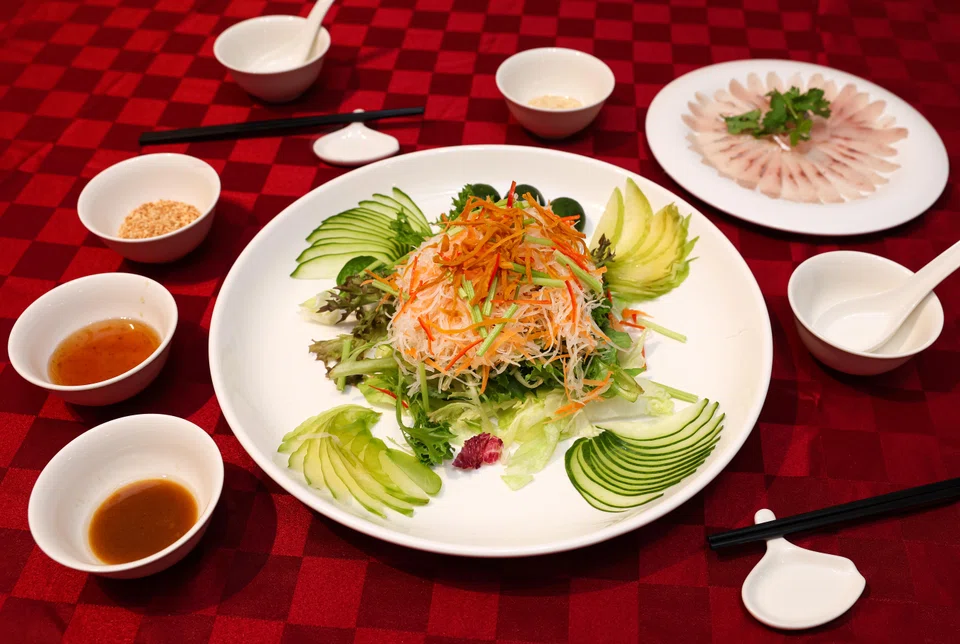
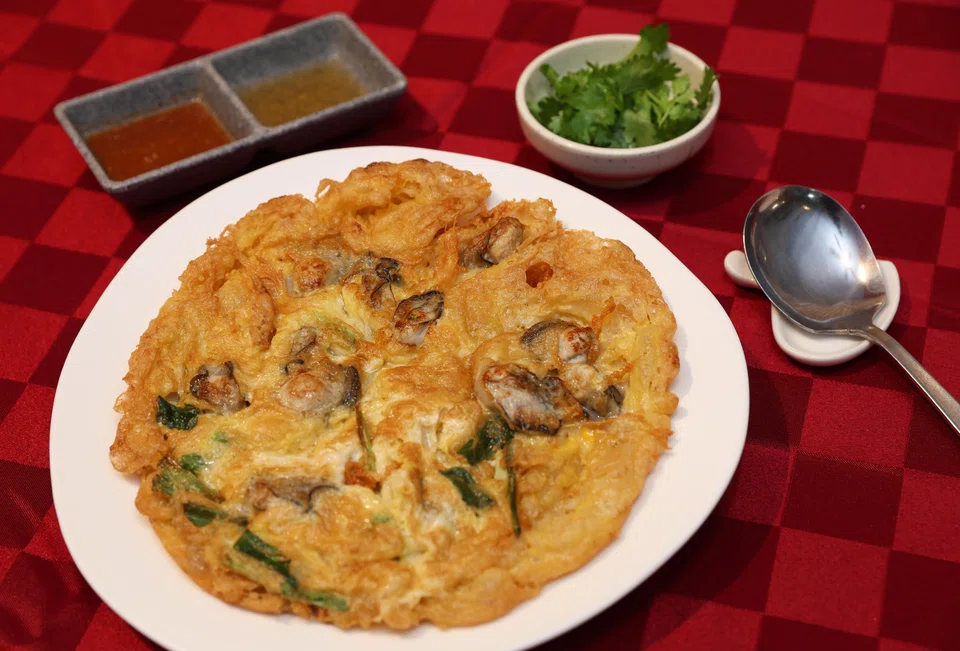
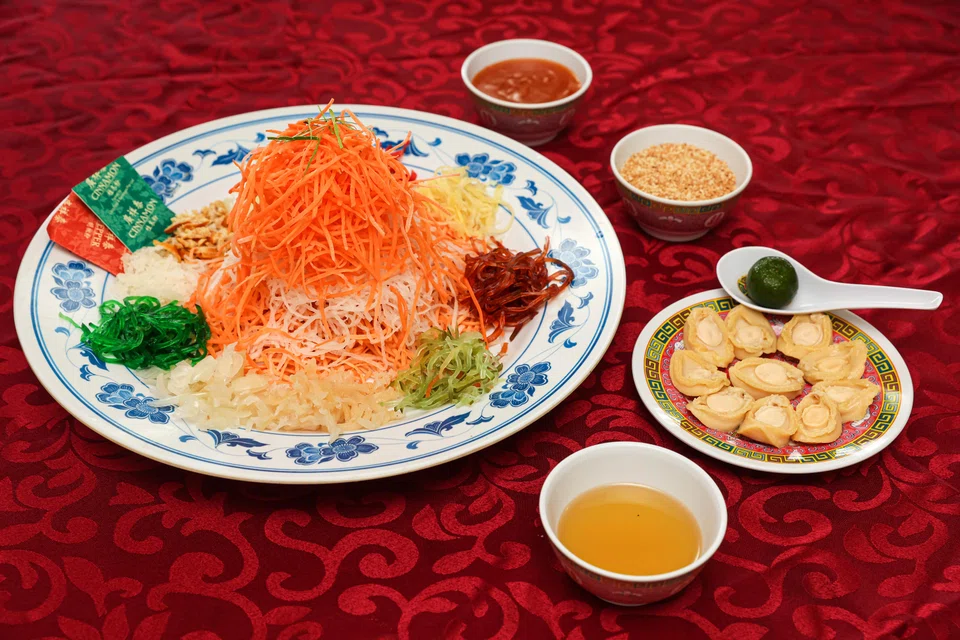
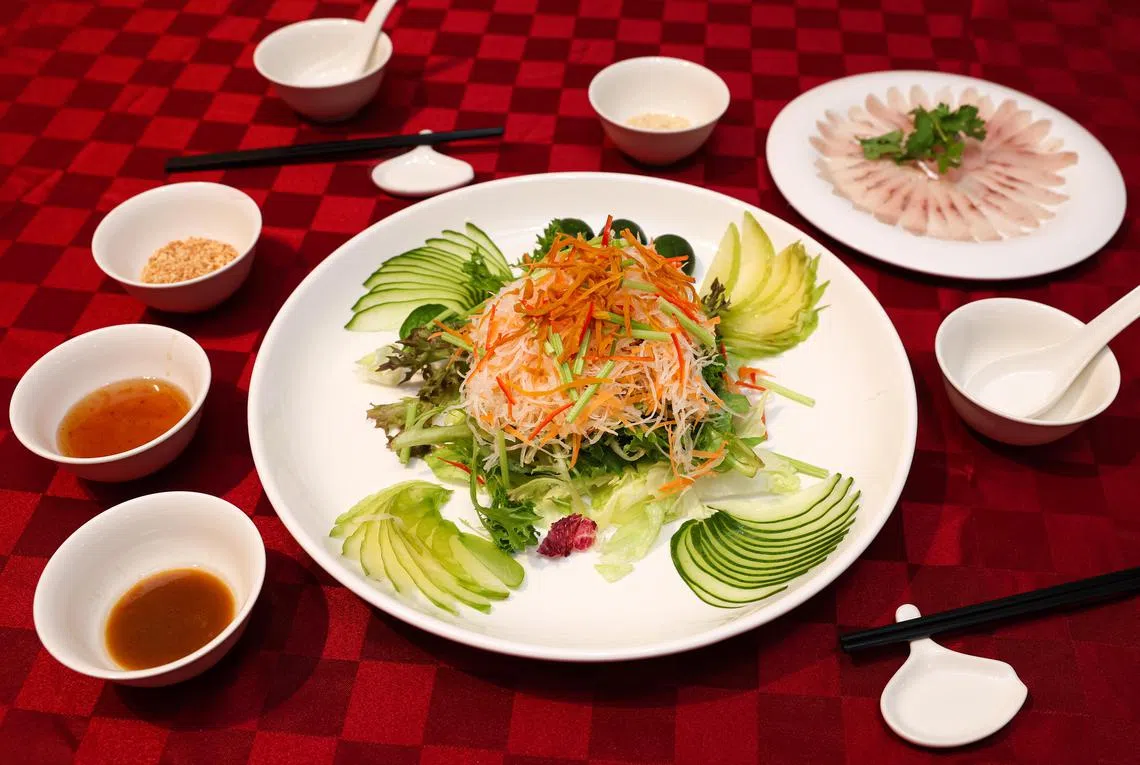
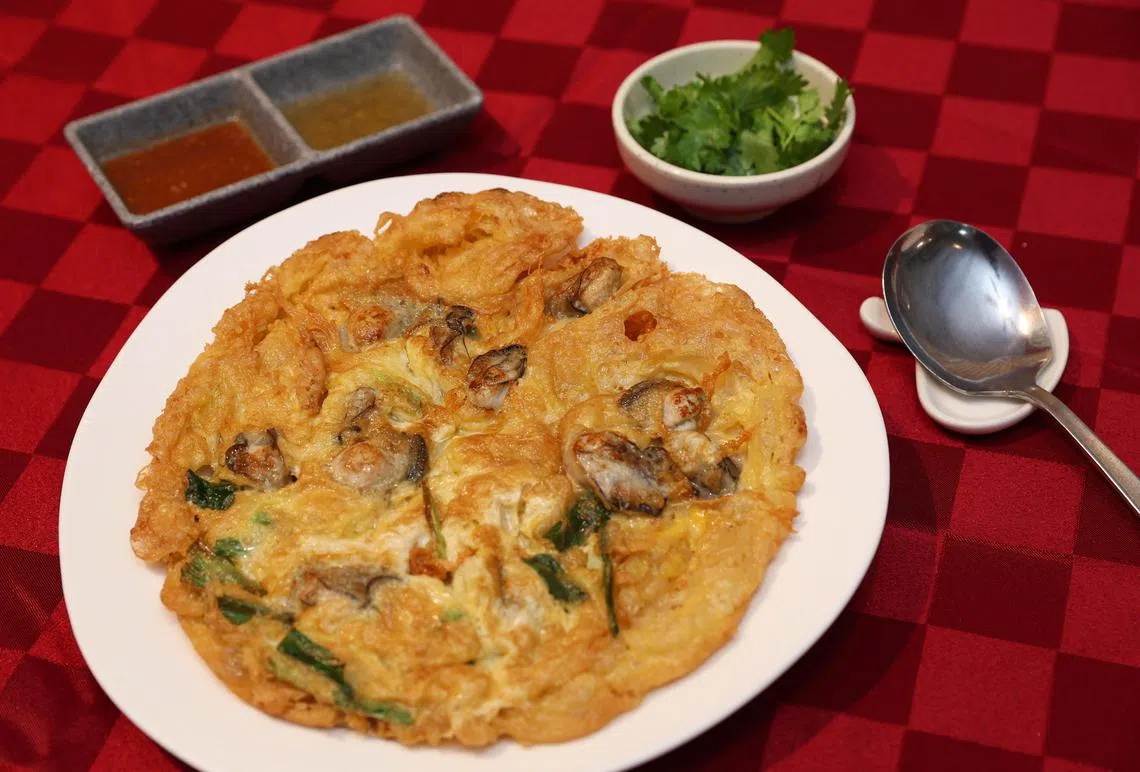
Koh is the patriarch’s youngest son. His 86-year-old brother Tock Khang is the master chef, who still uses ingredients dating back almost 100 years – the same, well-preserved plum sauce their father made 98 years ago is used in the Teochew-style yu sheng they serve daily; the preserved lemons are 100 years old, the near-fossilised nuggets adding an inimitable flavour to the double-boiled duck soup. Other ingredients are painstakingly prepared, such as preserved mandarin oranges that take nine days to prep and cook over charcoal. These are served with yam paste for dessert.
Koh, the youngest of the senior Koh’s sons, is keeping a promise he made to his father before his death. “Before he passed away, he reminded us that to carry on with Cheng Hoo Thian, we must do everything properly.”
The business survived the pandemic, thanks to support from regulars who ordered food for home delivery. “I don’t usually encourage takeaways as the standard drops. So when customers made their orders, I would pack everything to make sure there was no spillage, and personally deliver the food to their homes. We had 10 to 20 orders a day, which covered our expenses. And the customers appreciated the good service.”
Not a single employee was laid off as a result, and this was an edict from the founder too. Koh says: “He said we had to treat our employees well, in the same way that the towkay did to my father and uncles.”
Koh has two sons with corporate-world jobs; neither wants to take over the business. He hasn’t thought about succession yet, but is open to non-family taking up the mantle. “I hope some young people who are interested can join us. We can teach them how to prepare authentic Teochew food,” he says.
Meanwhile, he is grateful that a new generation – the children of his customers – is showing interest in heritage Teochew cooking. “They tell me that our food is different from other Teochew restaurants, and they’re keen to learn more, so I’m more than happy to share.”
Plum Village
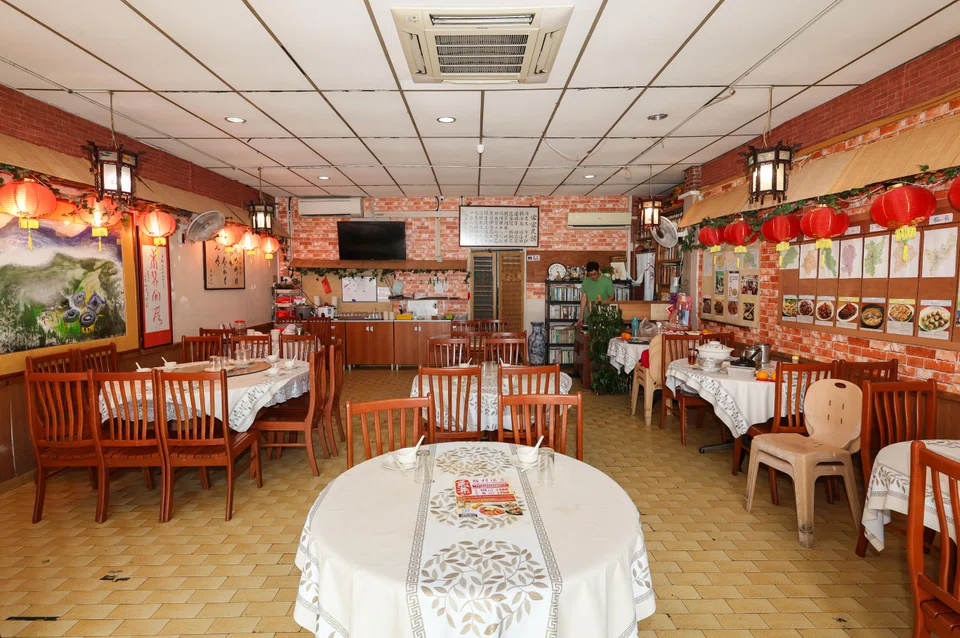
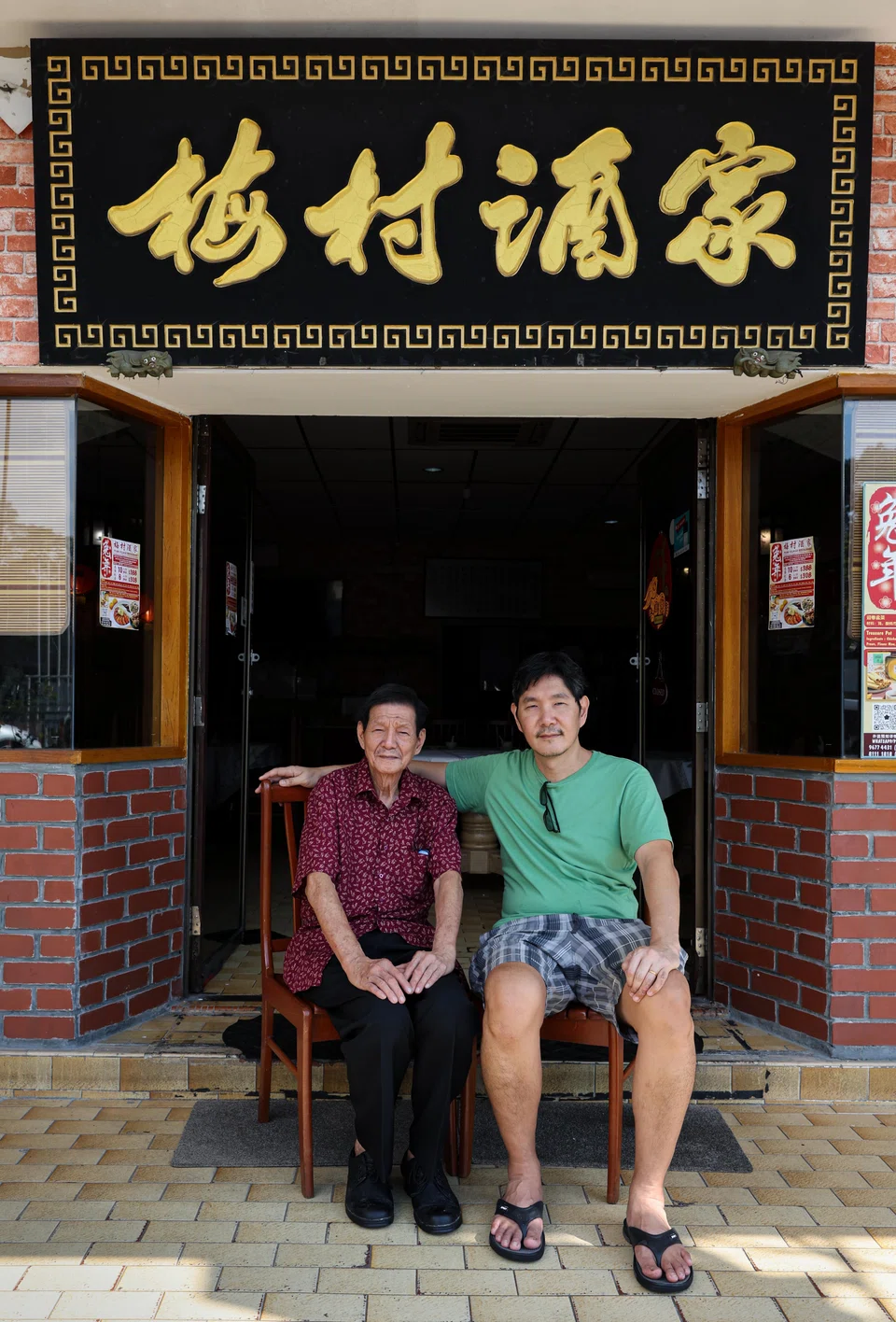
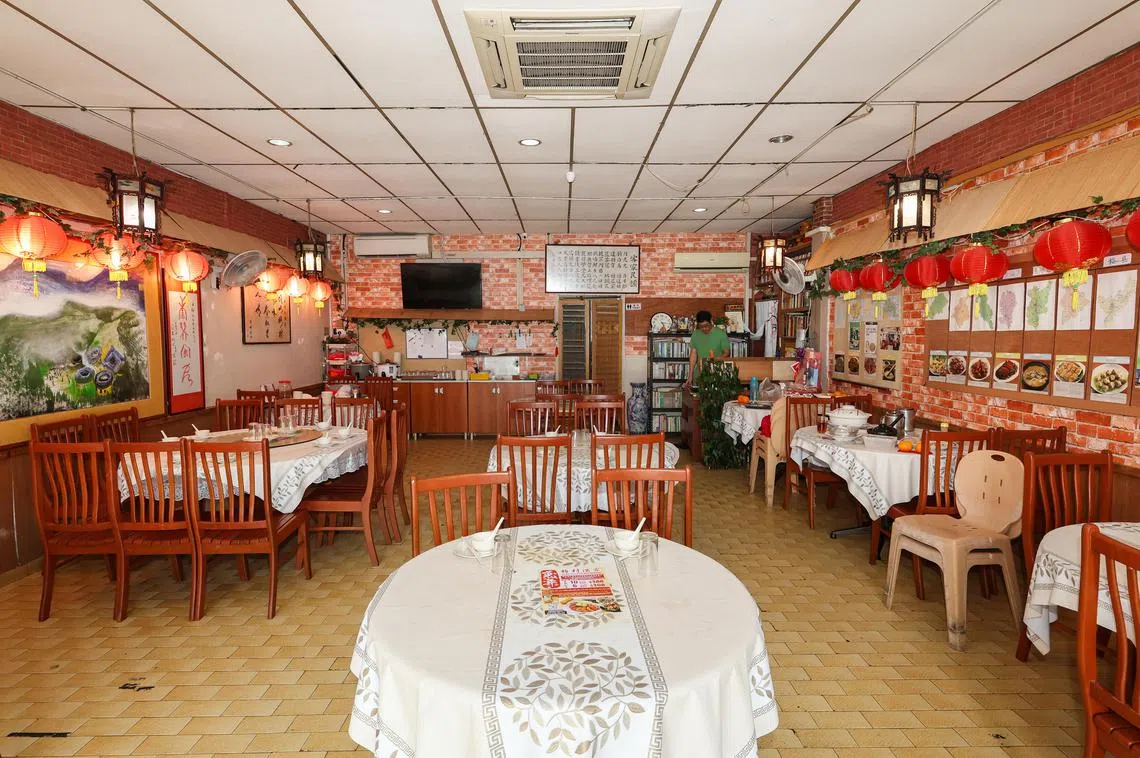
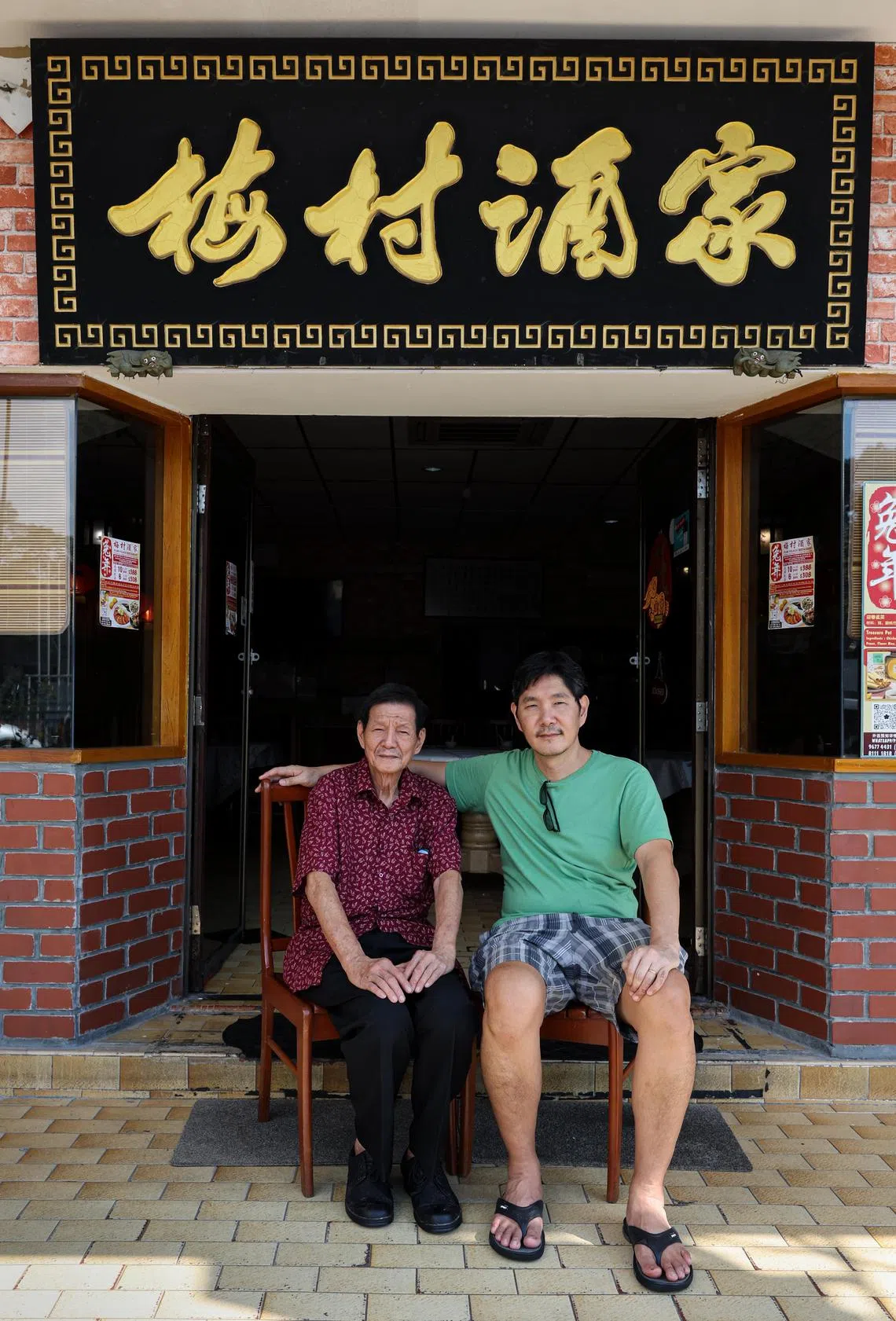
Started in 1983, Plum Village is perhaps the oldest Hakka restaurant in Singapore. It has been in its Jalan Leban location ever since, and looks the same as it did before.
Owner Lai Fak Nian, 76, learned the cuisine in the 70s from a Hakka chef from Hong Kong. Today, he sticks to the recipes, but has simplified the kitchen processes. Last year, his son Jimmy quit his accounting job to join him. “But it’s too early for me to take over as I haven’t learned everything,” says the 48-year-old.
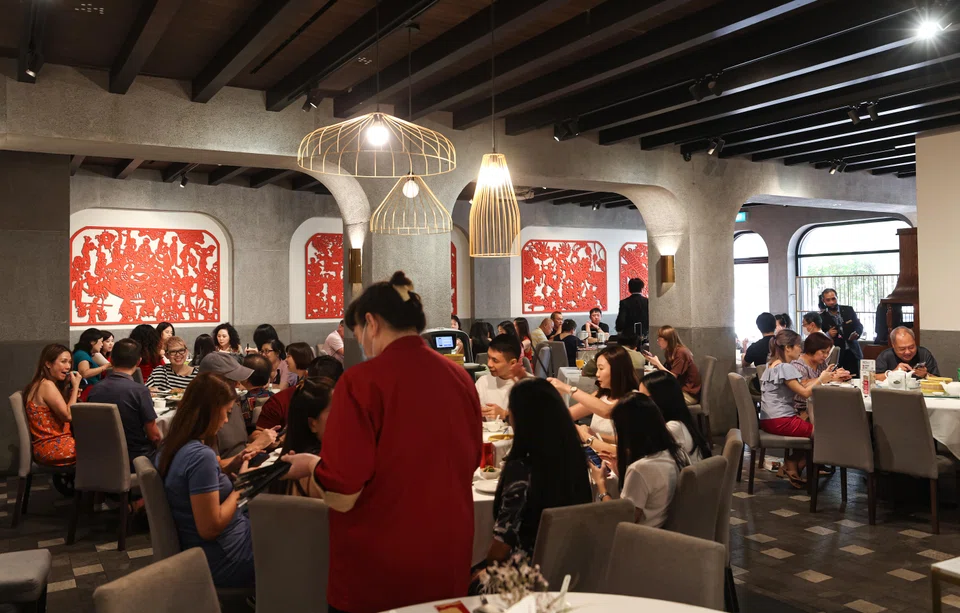
The restaurant has a strong following. “We usually see three generations eating together, so it would be a pity to close this place down,” says the younger Lai, who acknowledges that the business is getting tougher because of a manpower crunch and rising costs. “It’s hard to keep the place running,” he says, adding that his teenage daughter sometimes helps out. “In a way, the restaurant is also a legacy to pass down to her.”
His father has no intention of retiring anyway, and wants to educate the younger generation about Hakka food culture. “It’s my dad’s mission to promote Hakka heritage, so I’ve given up trying to get him to retire,” says Lai with a laugh. His father still does the cooking from scratch whenever his chefs return to China on vacation, tirelessly prepping in the kitchen from early in the morning.
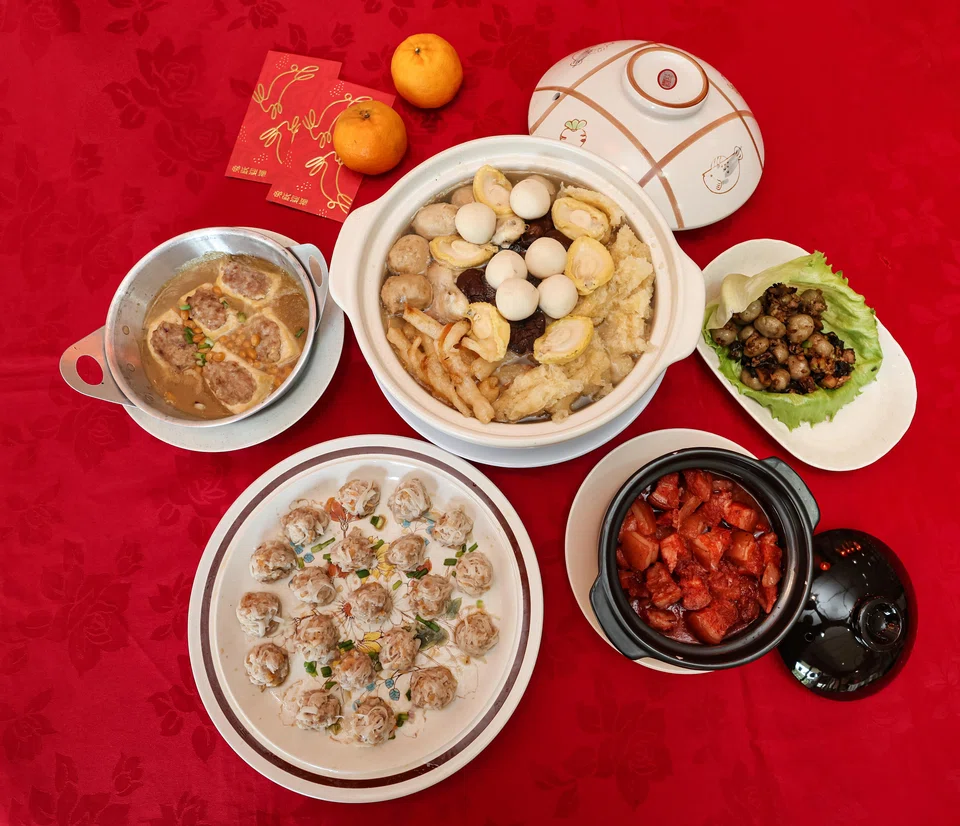
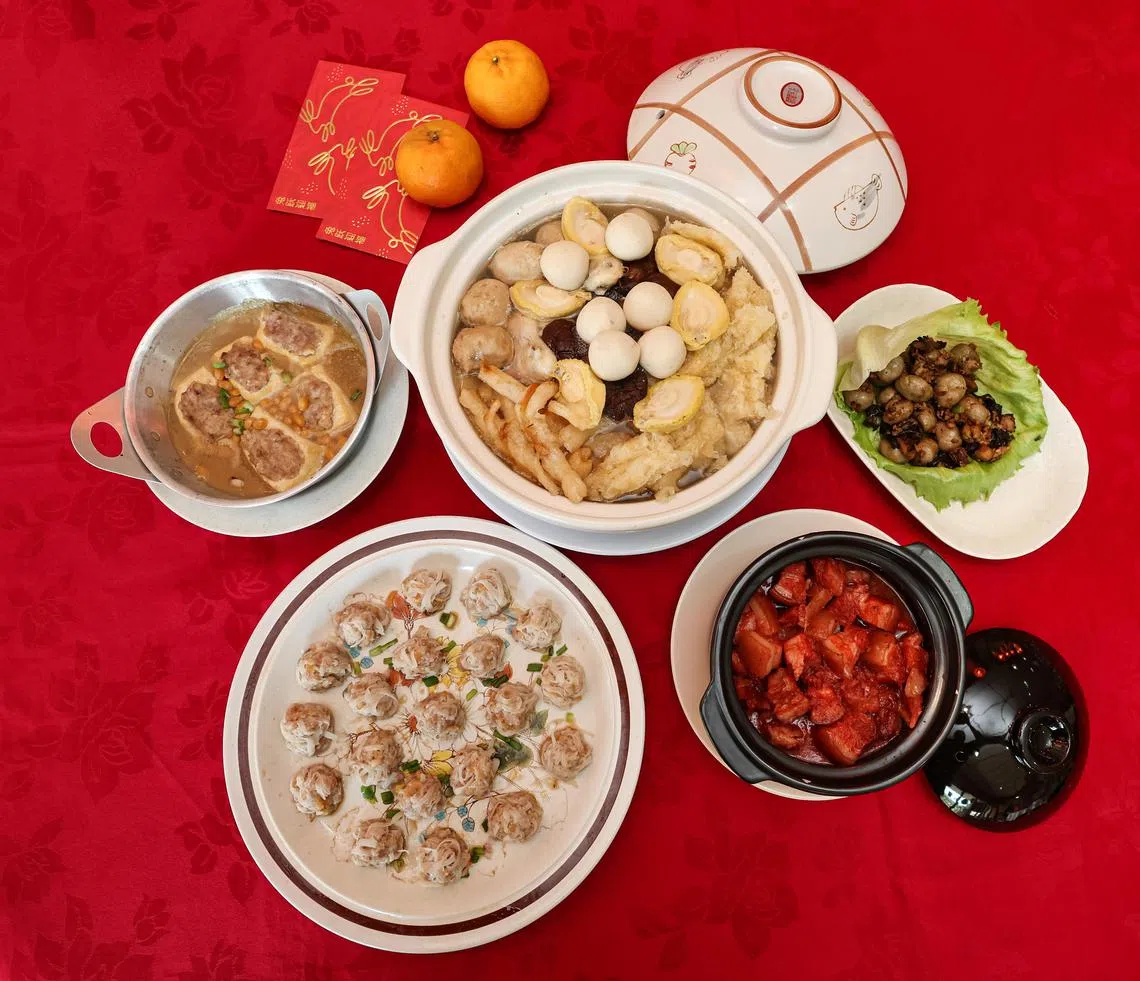
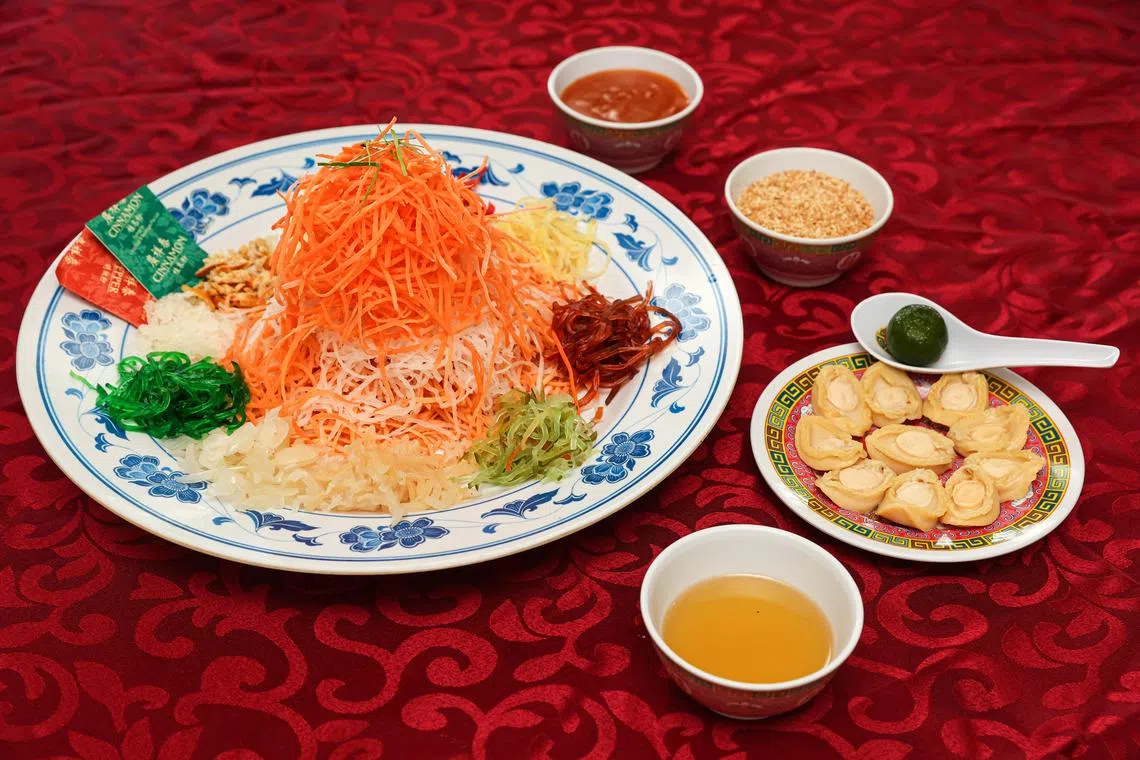
For Chinese New Year, Plum Village will roll out classics such as traditional Hakka pen cai filled with duck, chicken, pig’s trotter, yong tau fu and more. Menu highlights include the iconic suan pan zi or abacus seeds made with yam, as well as the more uncommon radish-and-minced-pork dumplings.
To modernise the business, Lai is beefing up Plum Village’s website, so it can also take online orders. To be launched after Chinese New Year, the refreshed website will enable customers to place their orders online and pick up their orders at the restaurant.
The website will also be a source of information on Hakka culture. “My father used to conduct cooking classes, where he would share the history of the food. So it would be good if he continued to do that; at the same time, the information online will get more people interested in our heritage.”
Lai Wah
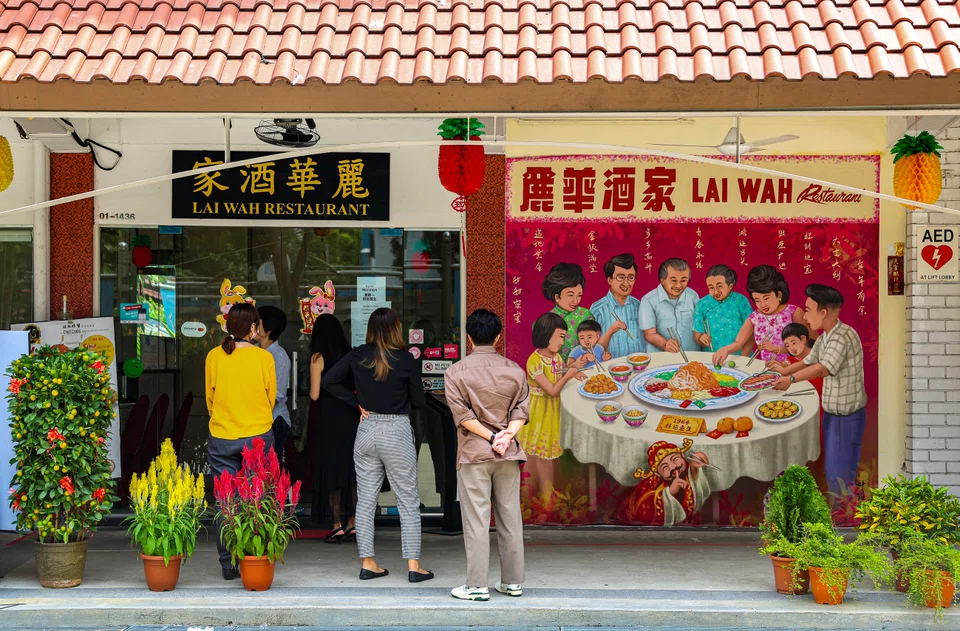
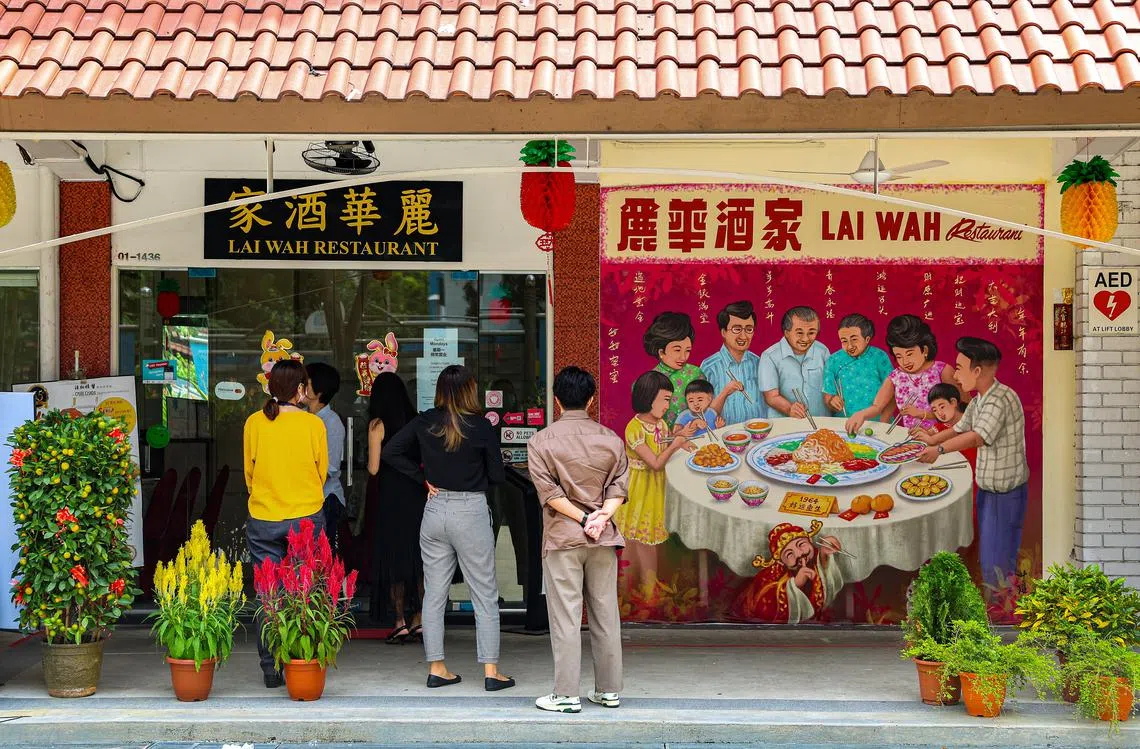
The story of yu sheng in Singapore began at Lai Wah, one of the oldest Cantonese restaurants in Singapore. Founded in 1963 by the late Wong Kok Lum, the restaurant has been at its Bendemeer Road location since the 70s.
But it was in 1964 that its chefs Tham Yui Kai and Lau Yoke Pui co-created the now-iconic yu sheng dish and served it in Lai Wah.
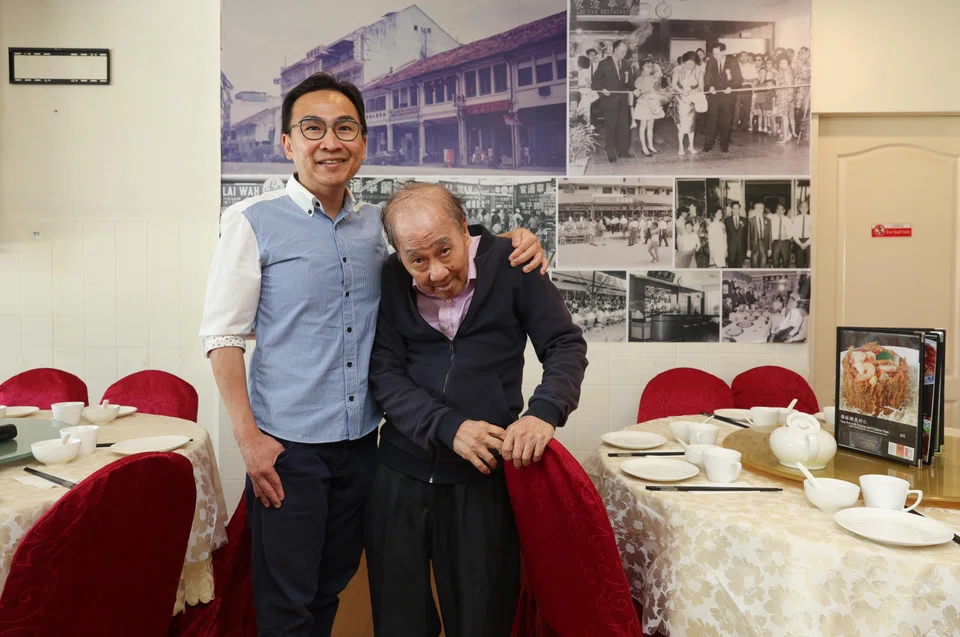
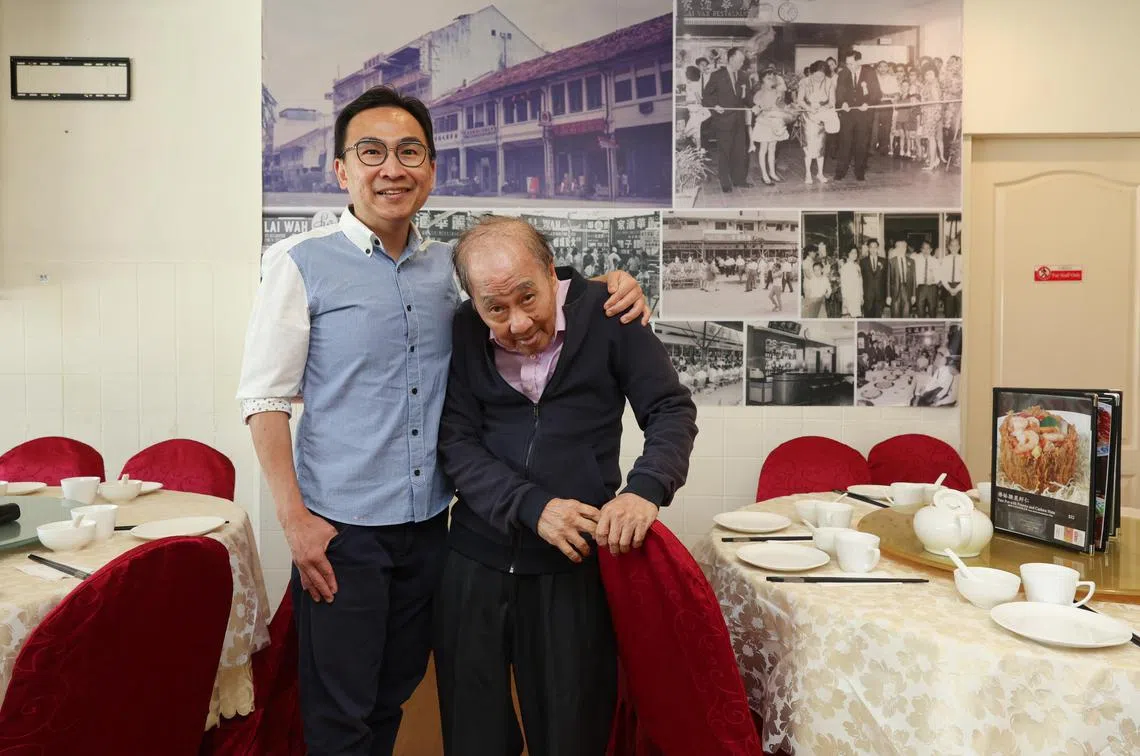
When Kok Lum, the founder, stepped down for health reasons in the 80s, he handed the reins over to his eldest son, Kah Onn and his wife, Helen. The couple ran the restaurant until Helen’s death in 2019. Now 81, Kah Onn has taken a step back, leaving his sons Choo Wai and Choo Han to manage the restaurant.
Choo Wai, 51, a doctor, said the pandemic dealt such a heavy blow to the business that the brothers had considered shuttering it. His 53-year-old brother, an accountant, was not keen to continue.
“But we treat our staff like family. It would have been difficult for them to find other jobs,” said Choo Wai. For example, Lai Wah’s 60-year-old Singaporean chef has been with them since 1976; their head waitress has been working there since 1981.
So the family buckled down to the challenge – but with changes. It started offering bento sets and stepped up food delivery on the back of the restaurant’s social media presence.
When Covid-19 dining restrictions were lifted, “bookings went up three times more than in the pre-pandemic days”, says Choo Wai.
The customer profile has since changed as well. It now pulls in new and younger diners.
The family’s mission? “We want to provide good food at affordable prices. We don’t make a fortune out of this business, but we try to remain viable. That’s our No 1 motivation,” says Choo Wai, who has pumped in almost S$100,000 to keep the restaurant going.
“If you ask us why we are still doing this, it’s because we want to keep the tradition going. We are quite respected and well-known. It’s important to stay relevant and still entice the younger crowd.” What heartens him the most is to see multi-generation families dining at Lai Wah.
The family has often discussed succession plans. “We are pretty exhausted, but we don’t mind training people. When it’s time to call it a day, we will just retire.” Some people have approached them about franchising the business, but the family isn’t keen on the idea. “We’re concerned about the quality of the food. So we’ll just keep the restaurant running as long as we can.”
Spring Court
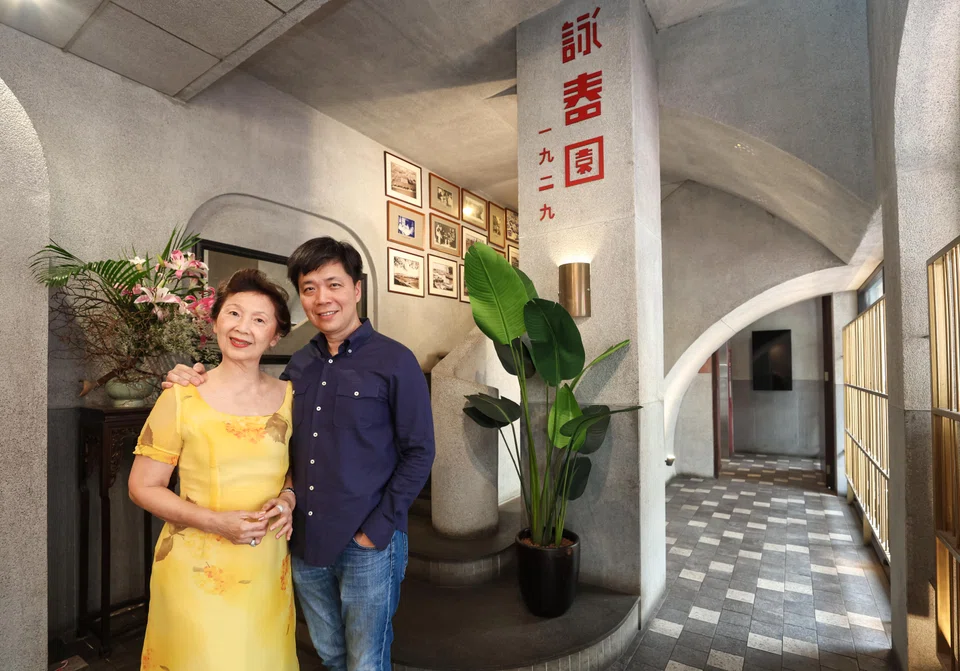
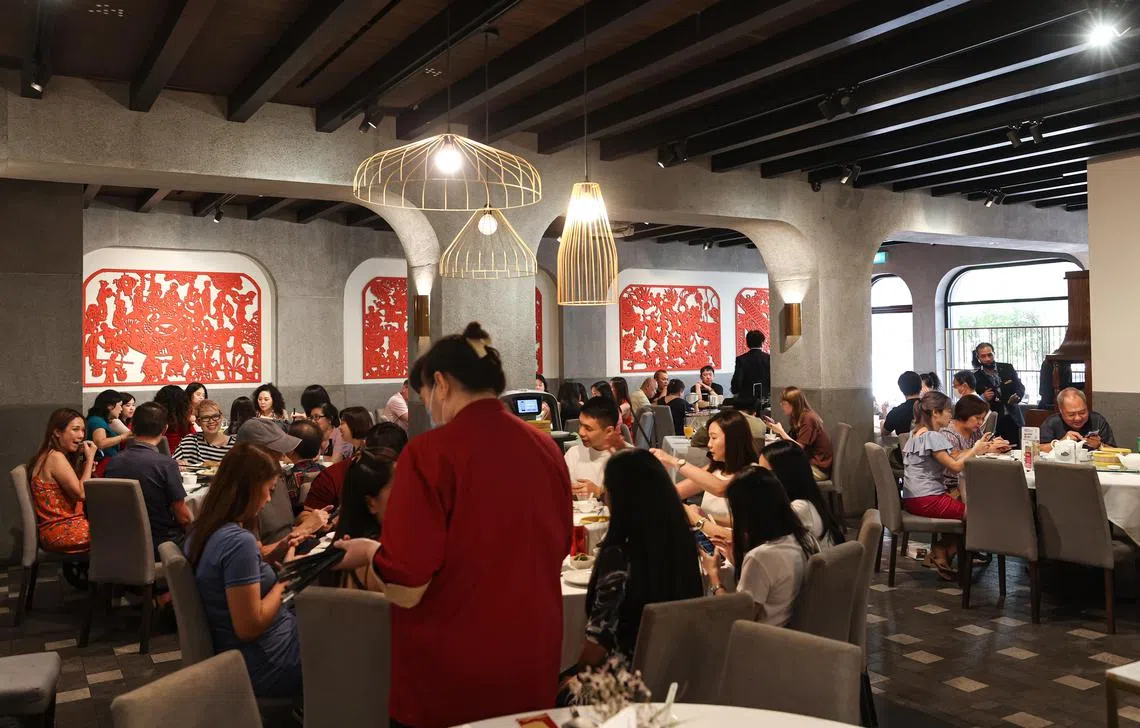
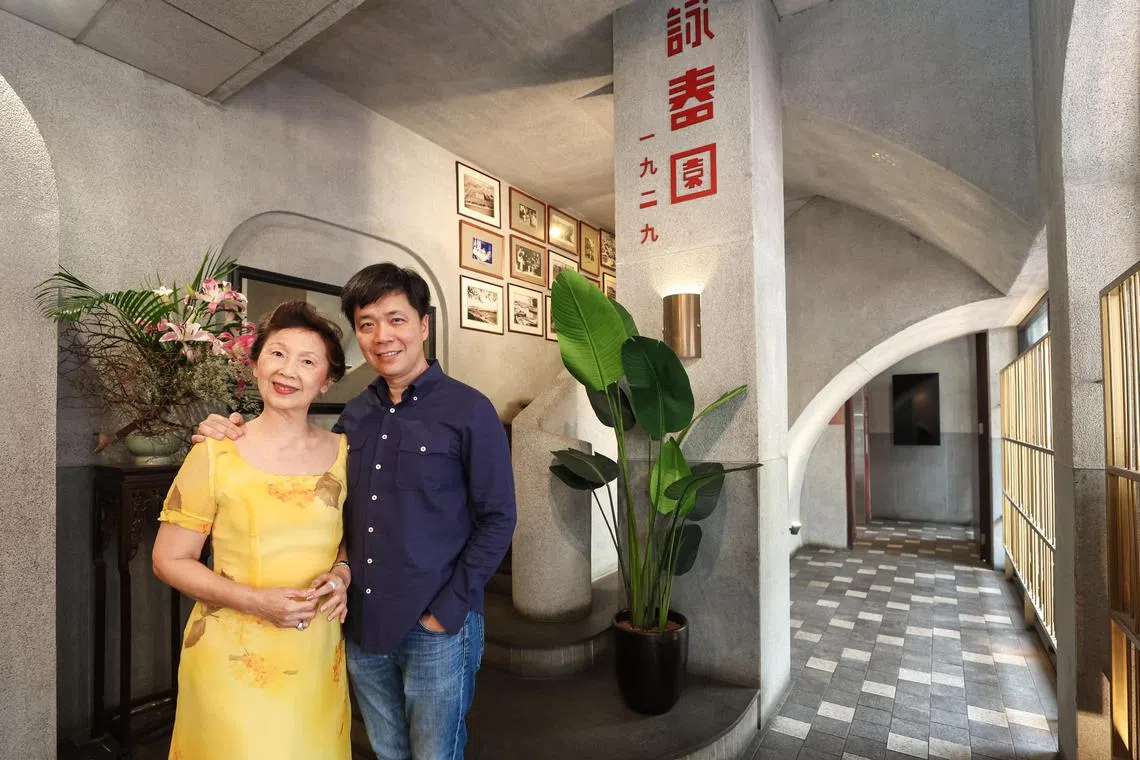
Although she has a son to help her, Soon Puay Keow, 80, is still very much the heart of Spring Court, the restaurant she inherited from her father-in-law Ho Loke Yee. Founded in 1929, Spring Court (formerly known as Wing Choon Yuen) is the oldest family-run Chinese restaurant in Singapore. It has moved several times, and is now located in its four-storey shophouse in Upper Cross Street.
Most of Spring Court’s Cantonese dishes were created by Ho, although Soon has left her own Hokkien imprint with specialities such as her well-loved popiah. “We strive to preserve the authenticity of our Singaporean Chinese recipes as much as possible,” she says. “Because it is a stand-alone restaurant without a central kitchen, many ingredients are still prepared manually. But that’s better, as it’s easier to maintain food consistency when everything is prepared fresh on the spot.”
Her chefs are veterans, having worked with her for more than a decade.
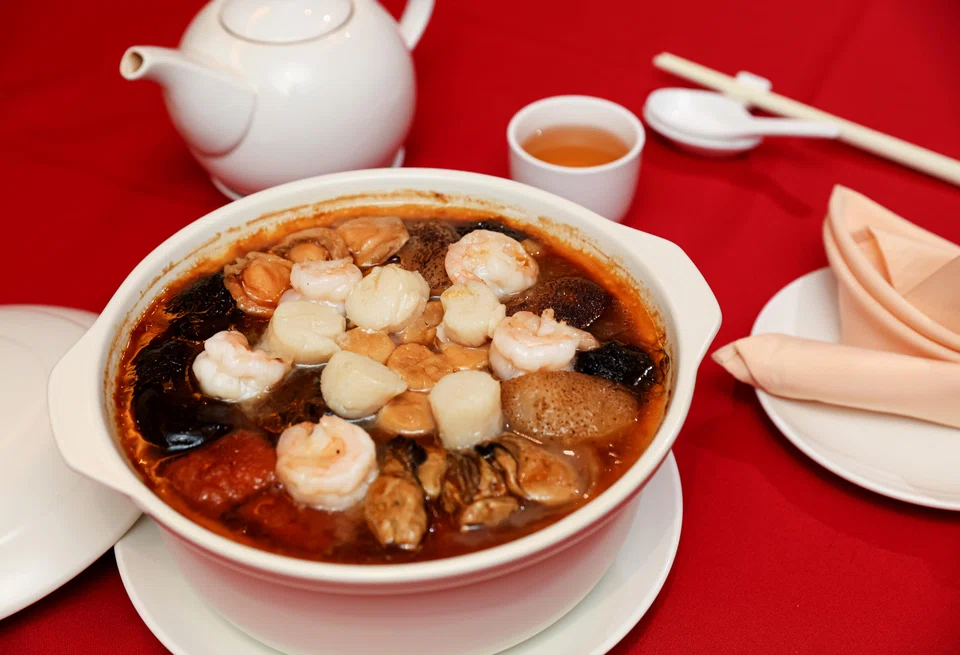
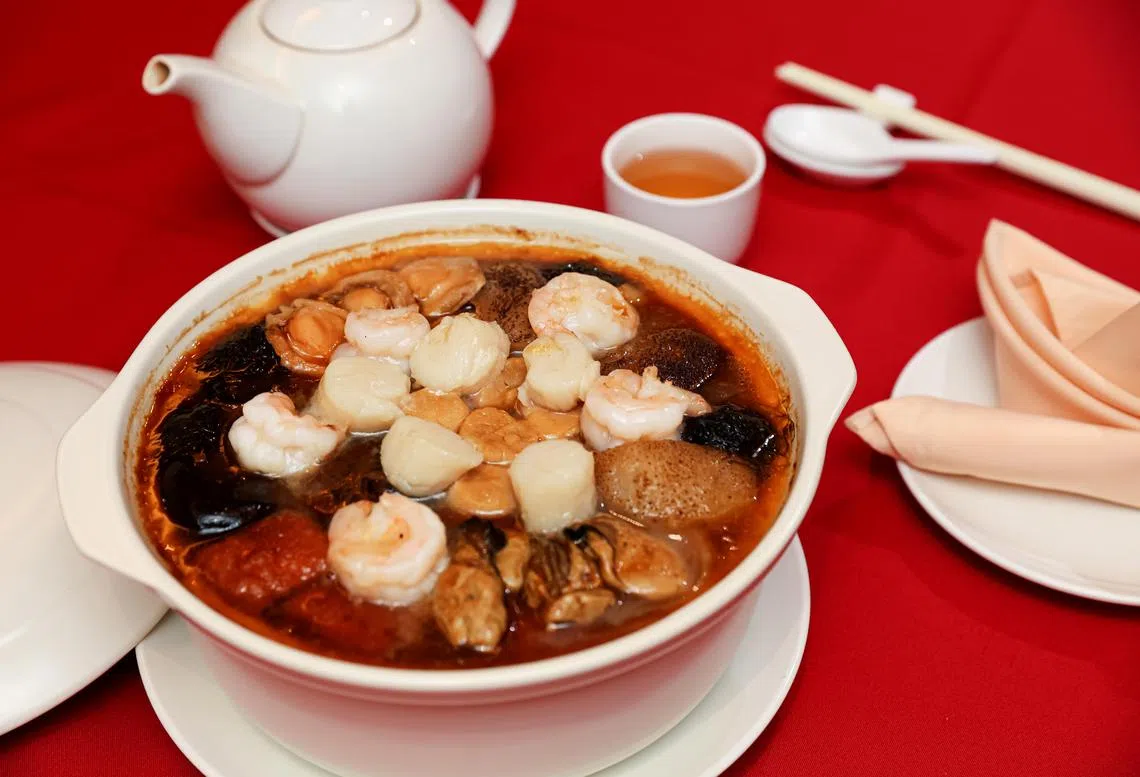
For heritage dishes such as yu sheng, Soon ensures that the traditional taste of the plum sauce is “exactly the same as before”. The pen cai stands out for its robust broth, made from “boiling kampong chicken and pork ribs to make a superior stock,” says Soon. “We use the best-quality ingredients such as thick and tender sea cucumber from the Philippines, Australian abalone and fresh scallops, and Hokkaido dried scallops. When preparing pen cai, you must be skillful and know how to control the flame properly.”
Spring Court has been very busy post-pandemic, with Soon noticing more younger guests these days. In fact, the number of bookings have increased more than three times that of pre-Covid days. “I guess the younger ones are more conscious of their Singaporean heritage and are curious about what the older generation used to eat. It’s been heartening for us,” she says.
Her son Mike Ho, 53, helps to manage the business, including the job of attracting younger diners through a social media presence. Besides Facebook and Instagram, the restaurant is active on Xiaohongshu, to reach out to Chinese tourists.
Ho credits his mother for the staying power of the business. “Mum has been running the business for almost 50 years. She is driven by her desire to pass on the knowledge and preserve the tastes of Chinese Singaporean cuisine for the next generation.”
Soon adds: “We are looking forward to our 100th anniversary in six years. We hope to uphold and cherish this legacy for many generations to come.”
Decoding Asia newsletter: your guide to navigating Asia in a new global order. Sign up here to get Decoding Asia newsletter. Delivered to your inbox. Free.
Share with us your feedback on BT's products and services






